Find the Best Wasp & Hornet Removal Companies for Your Business
No obligation • Fast responses • Nationwide coverage

Why you can trust Pest Crews
Pest Crews is a leading U.S. resource for finding and evaluating residential and commercial pest control services. Our team researches providers, reviews treatment approaches, and organizes unbiased information to help you make informed decisions. Companies cannot pay to change our editorial content or influence how they appear.
Search providers near you
Top Wasp & Hornet Removal Companies in Phoenix, Arizona Ranked
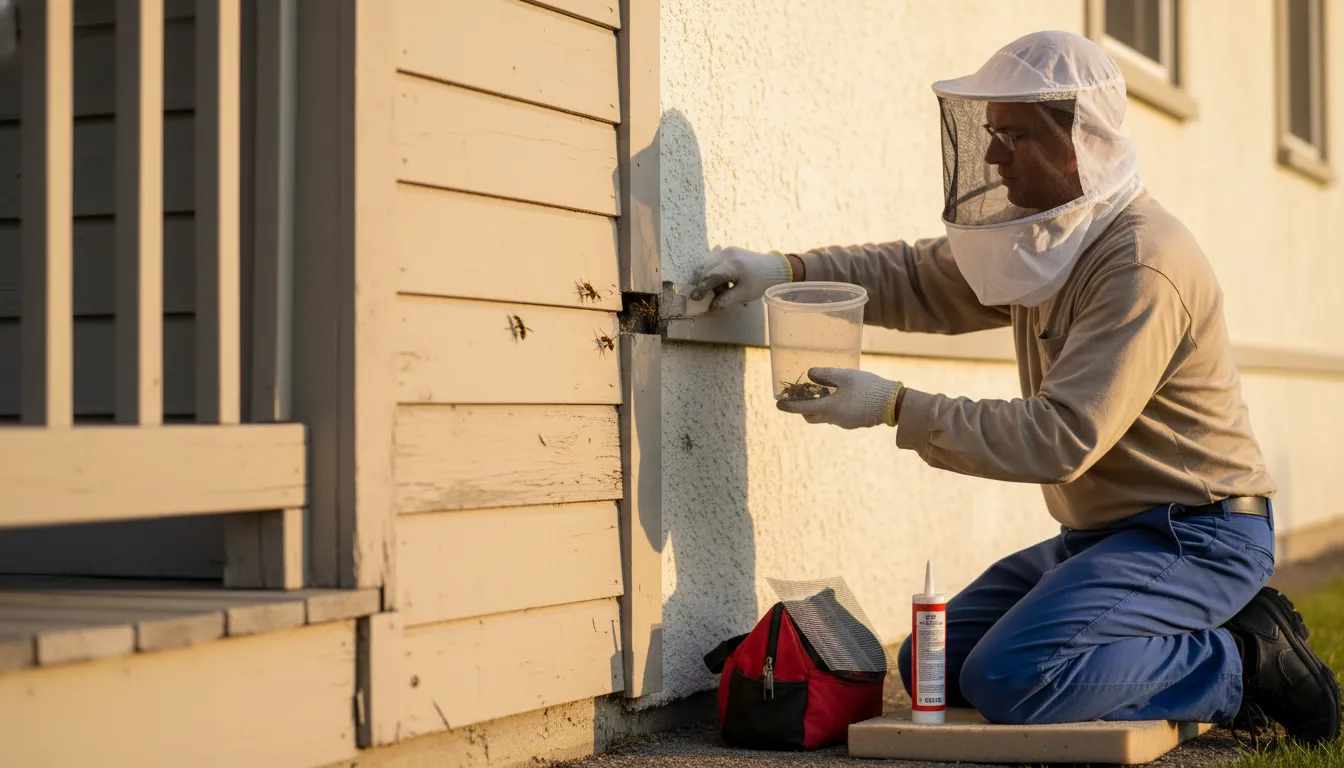
Discovering a buzzing nest on your property can be alarming. In Phoenix, managing stinging insect infestations is a critical service for maintaining a safe and comfortable home or business. Professional bee and wasp removal addresses the immediate hazard while protecting the vital ecological role these pollinators play. This guide will help you understand the local specifics of stinging insect control, from identifying common nesting sites to navigating seasonal activity, so you can make an informed decision about securing expert help.

Busy Bee Pest Solutions
14819 N Cave Creek Rd Suite 2, Phoenix, AZ 85032
Busy Bee Pest Solutions is a pest control company based in Phoenix, AZ, specializing in humane bee and rodent removal. They provide services across the Phoenix metro area and Maricopa County, including live bee relocation, wasp and hornet nest removal, and rodent exclusion with sealing and sanitation. Their team uses advanced detection and exclusion technology such as thermal inspections and custom rodent-proofing to address infestations effectively. Busy Bee Pest Solutions has served over 5,000 homeowners with a focus on tailored solutions and same-day service when available.
Green Home Pest Control
355 E Warner Rd #2, Chandler, AZ 85225
Green Home Pest Control is a family-owned pest control company serving Phoenix, AZ, and nearby areas. Since 2012, they have provided pest management for residential and commercial properties, addressing common pests such as scorpions, ants, roaches, termites, rodents, bees, and wasps. Their service includes thorough inspections, targeted treatments for exterior foundations and entry points, and interior service upon request. They offer a 35-point treatment plan and termite protection programs with annual inspections. The company uses kid- and pet-safe products and provides ongoing pest control with a pest-free guarantee.

Terminix
4246 E Wood St Suite 350, Phoenix, AZ 85040
Terminix provides pest control and termite inspection services in Phoenix, AZ. The company offers treatments for a variety of pests including bed bugs, ants, cockroaches, rodents, termites, mosquitoes, bees, wasps, and wildlife. Their services include comprehensive interior and exterior inspections, ongoing pest treatments, and termite protection systems. Terminix technicians are familiar with local pest issues and provide tailored plans to protect homes from seasonal and persistent pest problems. The company also offers a termite damage repair guarantee for qualifying homes.

Fromms Pest Control
4633 E Devonshire Ave, Phoenix, AZ 85018
Fromms Pest Control is a pest control company based in Phoenix, AZ, serving the city and surrounding areas including Gilbert and Scottsdale. They provide comprehensive pest management services for residential and commercial properties, addressing issues with ants, bed bugs, bees, rodents, termites, scorpions, and more. Their approach includes proactive inspections, targeted treatments, and ongoing maintenance to control and prevent infestations. Fromms Pest Control offers customized pest control plans without long-term contracts, focusing on safe and effective methods tailored to each client's needs.
Polite Pest Control
6344 E Brown Rd #103, Mesa, AZ 85205
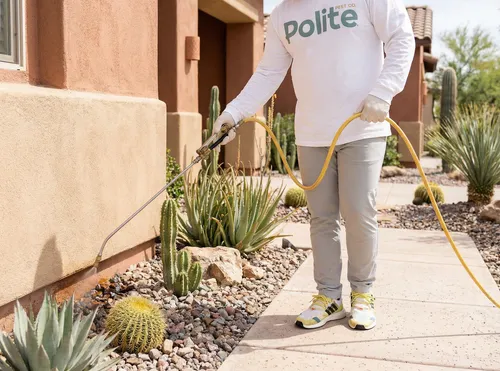
Polite Pest Control offers comprehensive pest management services in Chandler, AZ, and the surrounding Phoenix metropolitan area. They provide tailored solutions for residential and commercial properties, addressing a wide range of pests including bed bugs, ants, rodents, termites, mosquitoes, bees, and more. With over a decade of experience, Polite Pest Control combines proven methods and expertise to protect homes and businesses from pest damage. Their capabilities include termite control and ongoing pest management plans designed to maintain pest-free environments.
Understanding the Phoenix Stinging Insect Challenge
The Phoenix metropolitan area presents a unique environment for stinging insects. The warm, dry climate and abundant flowering plants provide an ideal habitat for bees and wasps year-round. However, the primary reason stinging insect removal is considered a job for professionals in this region is the prevalence of Africanized honey bees. Often called "killer bees," these hybrids are more defensive than their European counterparts and can respond to perceived threats with greater speed and in larger numbers. This makes any DIY approach to hive or swarm removal not just ill-advised, but potentially dangerous.
Professional pest management companies and specialized bee removal services are equipped to handle these risks safely and effectively. They utilize protective gear, specialized tools, and proven techniques to eliminate the threat. Importantly, many local providers prioritize live bee extraction and relocation whenever possible, recognizing the importance of honey bees to our ecosystem 1. For wasps, which are generally not relocated, professionals ensure the colony is fully eradicated to prevent recurrence.
Common Nesting Sites in and Around Your Home
Bees and wasps seek out sheltered, secure cavities to build their colonies. Understanding where to look can help you identify a problem early. Their preferred nesting spots are often hidden in plain sight, taking advantage of structural gaps and sheltered outdoor areas.
Typical Bee Hive Locations:
- Structural Voids: Wall cavities, attics, and ceiling spaces are prime real estate for bees seeking a large, protected space.
- Exterior Features: Spaces under roof eaves, porch overhangs, and within soffits are common. They may also colonize irrigation valve boxes, pool equipment enclosures, or even abandoned furniture.
- Landscaping: Hollows in trees, especially palms, and within the cavities of concrete block fences are frequent natural sites 2.
Common Wasp Nest Sites:
- Sheltered Outbuildings: Attics, garages, sheds, and under decks provide perfect shelter.
- Architectural Nooks: Behind shutters, under window sills, and within light fixtures or grills.
- Ground Nests: Certain species, like yellowjackets, often build nests in abandoned rodent burrows or other ground holes.
- Shrubbery: Paper wasps frequently build their iconic umbrella-shaped nests in the dense branches of bushes and trees 3 4.
Find the perfect wasp & hornet removal companies for your needs
Get personalized recommendations and expert advice
Seasonal Activity Guide for Phoenix
The activity of bees and wasps in Arizona is closely tied to temperature and blooming cycles. Knowing what to expect each season can help with prevention and timely intervention.
- Spring (March - June): This is the peak swarm season for honey bees. As established colonies become overcrowded, a portion of the bees will leave with a new queen to form a separate colony. These swarms may cluster on tree branches or structures temporarily while scout bees search for a permanent home. For wasps, spring is when fertilized queens emerge from hibernation to start new, small nests 5.
- Summer (May - September): Wasp colonies expand rapidly during the summer heat, with worker populations peaking in late August and September. Bee activity is highest during the warmest parts of the afternoon as they forage. Established hives are very active, and if inside a structure, you may hear persistent buzzing or see a higher number of bees entering and exiting a small hole 6 7.
- Fall (August - October): As natural food sources begin to dwindle, wasp workers become more aggressive in their search for sugars, often bothering outdoor dining areas. Bee colonies prepare for winter, but secondary swarms can occur if conditions are favorable 8 9.
- Winter: Most wasp colonies die off, with only the new queens surviving to hibernate. Honey bee activity slows significantly, but an established hive inside a warm wall or attic may remain active all winter, posing an ongoing risk 10.
The Professional Removal Process: What to Expect
Engaging a professional for wasp and bee extermination or relocation is a multi-step process designed for safety and completeness.
- Inspection and Assessment: A technician will first identify the insect species, locate the primary nest, and assess the size and accessibility of the colony. This step is crucial for formulating a safe and effective plan.
- Customized Treatment Plan: Based on the inspection, the professional will recommend a course of action. For bees, this may involve live trapping and relocation. For wasps or bees in situations where relocation isn't feasible, an insecticide application will be planned. Companies like Busy Bee Pest Solutions, Greenway Pest Solutions, and The Beehive Bee and Wasp Removal are known for providing these tailored plans 11 12.
- Safe Removal/Extermination: Using appropriate safety gear, the technician will execute the plan. This may involve vacuuming bees, applying targeted treatments, or physically removing a nest.
- Honeycomb and Nest Removal: This is a critical, often overlooked step, especially for bees. Leaving behind honeycomb and wax can attract other pests like ants and rodents, cause staining and decay within walls, and emit odors that can attract new swarms of bees. Complete removal may require cutting into drywall or siding 13 14.
- Exclusion and Repair Recommendations: A reputable service will advise on how to seal the entry point after removal to prevent re-infestation and may offer or recommend repair services for any damage caused by the nest or its removal.
Cost of Bee and Wasp Removal in Phoenix
The price for professional stinging insect control in Phoenix varies based on the complexity of the job. Key factors include the species, nest size, location (e.g., ground, eave, or inside a wall), and the required repairs. Most companies offer free estimates 15 16.
| Service Type | Estimated Cost Range (Phoenix, AZ) |
|---|---|
| Swarm Removal (easily accessible cluster) | $150 - $300 |
| Accessible Hive Removal (e.g., in a shrub) | $250 - $500 |
| Wasp Nest Removal | $212 - $875 |
| Hive in Wall, Attic, or Roof (requires opening structure) | $600 - $1,200+ |
| Honeycomb Removal & Basic Repairs | Additional $150 - $500 |
While some local beekeepers may remove an easily accessible, clustered swarm for free to acquire the bees, an established hive-especially one inside a structure-almost always involves a professional fee due to the labor, risk, and necessary follow-up work 17 18.
Why DIY Removal is Not Recommended
The risks of attempting DIY bee hive removal or wasp nest treatment in Phoenix cannot be overstated. Without proper training and equipment, you risk:
- Multiple Stings: Provoking an Africanized bee colony can lead to a massive, aggressive response 19.
- Incomplete Removal: Failing to kill the queen or remove the entire hive/wax comb guarantees the problem will return or worsen.
- Structural Damage: Improper attempts to access a hive in a wall can cause unnecessary damage to your home.
- Health Risks: For those allergic, a sting can be life-threatening. Even for those without allergies, numerous stings can cause a toxic reaction.
- Ecological Harm: Indiscriminate use of pesticides can harm non-target insects and the environment. Professionals use targeted methods 20.
Choosing a Local Service Provider
When looking for a Phoenix bee removal expert, consider the following:
- Licensing and Insurance: Ensure the company is licensed for pest control in Arizona and carries liability insurance.
- Experience with Local Species: Ask about their specific experience with Africanized bees and the common wasp species in the Valley.
- Relocation Practices: If bee conservation is important to you, inquire about their live removal and relocation policies.
- Service Guarantee: Understand what their service includes and if they offer any warranty or follow-up.
- Detailed Estimate: A trustworthy provider will give a clear, written estimate that breaks down the costs for removal, cleanup, and any potential repairs.
Frequently asked questions
Sources
Footnotes
-
Flat Rate Bee Removal and Control Service - https://www.phxbees.com/flat-rate-bee-removal ↩
-
14 common places you will find beehives - https://budgetbrotherstermite.com/14-common-places-you-will-find-beehives/ ↩
-
Where Wasps Build Nests | Green Machine Pest Control - https://www.greenmachinepest.com/where-wasps-build-nests/ ↩
-
Bee and Wasp Control in Phoenix Metropolitan Area, Arizona - https://www.arizonaecopest-mgt.com/pest-control/bee-and-wasp-control/ ↩
-
Phoenix Bee Infestation: Early Warning Signs You Shouldn't Ignore - https://busybeepestsolutions.com/2025/05/phoenix-bee-infestation-signs/ ↩
-
When Are Bees Most Active? And Other FAQs - Bizzy Bee Exterminators - https://www.bizzybeeexterminators.com/blog/post/when-are-bees-most-active-and-other-faqs ↩
-
When are Bees Most Active? - Bee Removal Mesa AZ - https://theazbeehive.com/when-are-bees-most-active/ ↩
-
Bee Swarm Season in Arizona | Signs & Safe Removal Guide - https://beeremovalnow.com/2025/05/11/bee-swarm-season-arizona/ ↩
-
Everything to know about wasps in Arizona - https://www.azcentral.com/story/entertainment/life/2024/08/16/what-kind-of-wasps-live-in-arizona/74773833007/ ↩
-
When Is Wasp Season in Arizona? A Complete Guide - https://busybeepestsolutions.com/2025/08/wasp-season-arizona/ ↩
-
Bee & Wasp Removal - Greenway Pest Solutions - https://www.greenwaypestaz.com/bee-wasp-removal ↩
-
The Beehive Bee & Wasp Removal Services in Anthem, AZ - https://theazbeehive.com/cities-we-serve/anthem-bee-removal/ ↩
-
Where Bees Hide in Arizona Homes - Busy Bee Pest Solutions - https://busybeepestsolutions.com/2025/07/common-bee-hive-locations-arizona/ ↩
-
Phoenix, AZ Bee Removal | Get Free Estimate - https://www.greenhomepest.com/bee-removal/ ↩
-
How to Find Affordable Bee Removal in Phoenix Without Getting ... - https://busybeepestsolutions.com/2025/09/affordable-bee-removal-cost-phoenix/ ↩
-
Bee removers near Phoenix, AZ - Thumbtack - https://www.thumbtack.com/az/phoenix/bee-removal ↩
-
How Much Does Bee Removal Cost? [2026 Data] | Angi - https://www.angi.com/articles/how-much-does-bee-removal-cost.htm ↩
-
How Much Does Bee Removal Cost in Phoenix? [2025 Guide] - https://beeremovalnow.com/2025/05/19/bee-removal-cost-phoenix/ ↩
-
Bees and Wasps - Arizona Pest Prevention - https://arizonapestprevention.com/pests/bees/ ↩
-
DIY Vs Professional Pest Control In Phoenix - https://www.greenwaypestaz.com/blog/post/is-it-cheaper-to-do-your-own-pest-control-in-phoenix-arizona ↩