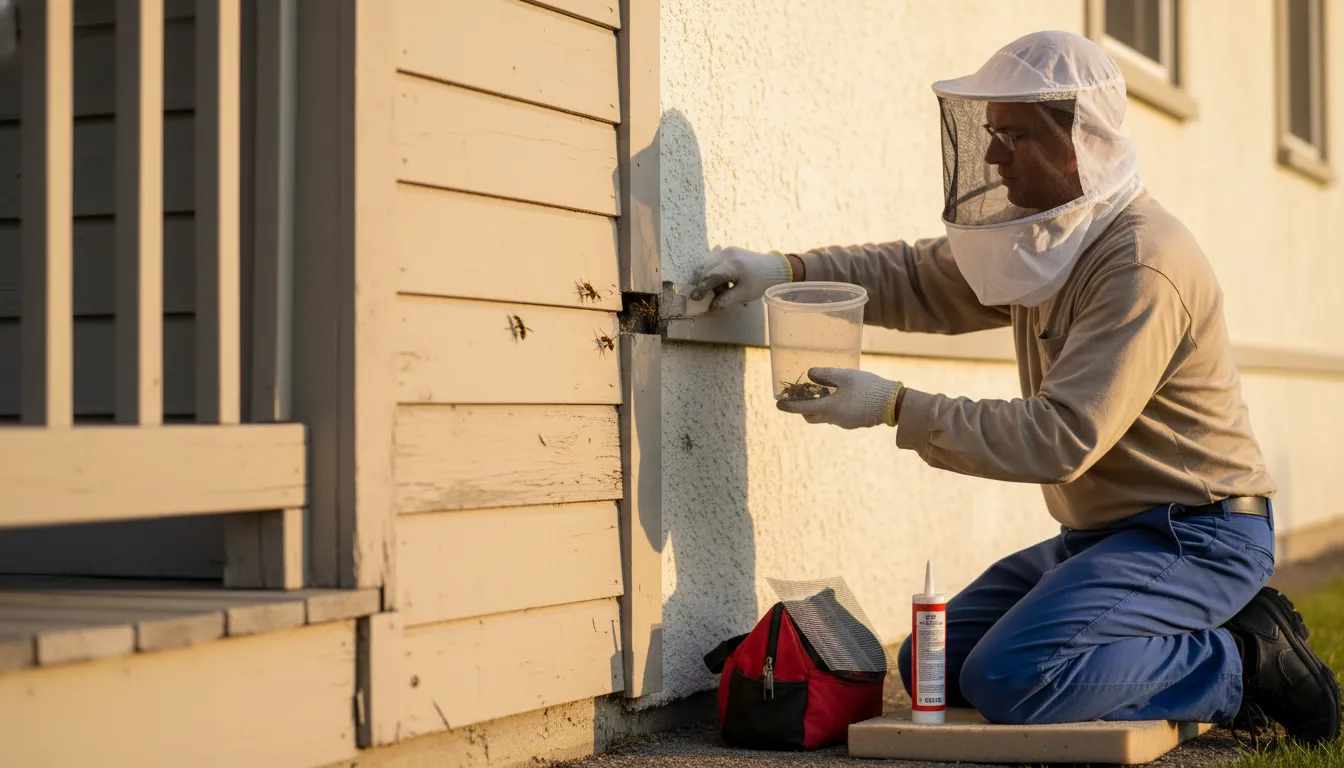
Find the Best Wasp & Hornet Removal Companies for Your Business
No obligation • Fast responses • Nationwide coverage

Why you can trust Pest Crews
Pest Crews is a leading U.S. resource for finding and evaluating residential and commercial pest control services. Our team researches providers, reviews treatment approaches, and organizes unbiased information to help you make informed decisions. Companies cannot pay to change our editorial content or influence how they appear.
Search providers near you
Top Wasp & Hornet Removal Companies in Chino Hills, California Ranked
Discovering a buzzing nest on your property can be unsettling and potentially dangerous. Professional bee and wasp removal services in Chino Hills provide safe, effective solutions for managing these stinging insects. This guide helps you understand your local options, from identifying nests to choosing between extermination and humane relocation, so you can protect your home and family with confidence.
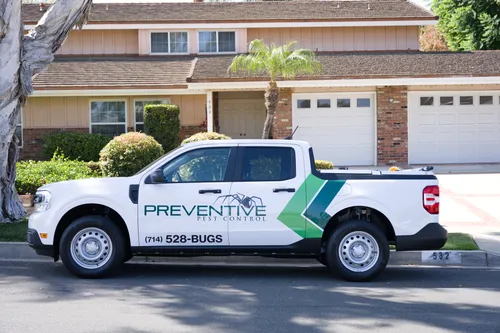
Preventive Pest Control
26060 Acero #204, Mission Viejo, CA 92691
Preventive Pest Control is a pest control company serving Irvine, CA, and nearby communities. With over 20 years of experience, they offer a wide range of services including termite inspection and treatment, ant and spider control, rodent removal, mosquito management, and wasp nest removal. Their team uses safe and effective methods tailored to both residential and commercial properties to manage and prevent pest infestations. Preventive Pest Control is known for thorough termite inspections and customized treatment plans that help protect properties from damage and recurring pest issues.
Trident Pest Control
2430 N Glassell St # L, Orange, CA 92865
Trident Pest Control is a pest and termite control company serving Irvine, CA. They offer a range of services including general pest control, termite inspections and treatments, mosquito and stinging insect control, and humane honeybee relocation. Their termite control includes the use of Sentricon bait stations, which target subterranean termites without chemicals. The company also provides termite damage repairs to restore affected wooden structures. They focus on eco-friendly and pet-safe methods and provide next-day appointments seven days a week.
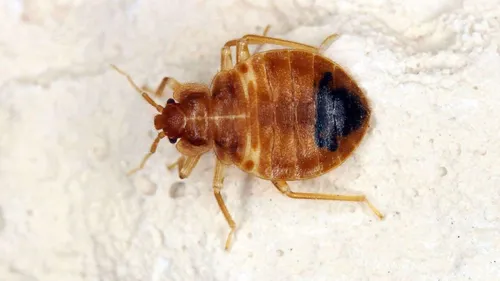
Bed Bug Exterminator LA King
Los Angeles, CA
Bed Bug Exterminator LA King is a licensed and insured pest control company serving Los Angeles, CA. They specialize in bed bug inspections and treatments, including chemical and steam methods that are safe for families and pets. The company also offers control services for ants, cockroaches, rodents, termites, mosquitoes, bees, and wasps, covering both residential and commercial properties. Their approach includes thorough inspections and tailored treatment plans, with a warranty to ensure complete bed bug eradication. They provide discreet and convenient service with a focus on safety and effectiveness.

Eli the Bee Guy | Bee Removal and Rescue
255 Via Prado, Ontario, CA 91762
Eli the Bee Guy | Bee Removal and Rescue is a bee and wasp removal service based in Los Angeles, CA. The company specializes in humane live bee removal, full hive extraction, entry-point repair, and safe relocation to prevent bees from returning. They also offer natural wasp eradication without chemicals or flame and handle African killer bee swarms. Serving Los Angeles County and surrounding areas, Eli the Bee Guy provides 24/7 emergency assistance for households with life-threatening bee sting allergies. With over 20,000 bee colonies successfully relocated, the business emphasizes ethical bee rescue and environmental care.

the bugman
525 N Shepard St, Anaheim, CA 92806
The bugman is a pest control company serving Long Beach, CA, specializing in the removal and management of various pests including ants, roaches, rodents, termites, bees, wasps, and more. Established in 1958, the company uses advanced methods to provide lasting pest control solutions. With over six decades of experience, the bugman focuses on thorough service to address all pest-related issues effectively.
Understanding Your Stinging Insect Problem
Bees and wasps are common in Southern California, but they require different approaches. Honeybees are vital pollinators and are often eligible for live removal and relocation by a specialist. Wasps, including yellowjackets, hornets, and paper wasps, are more aggressive predators and typically require professional extermination for safety. Correctly identifying the insect is the first step toward a safe resolution.
Common Species in Chino Hills
- Honeybees: Often seen in large, buzzing swarms when looking for a new home. They build wax comb hives inside cavities. Due to their ecological importance, live removal is preferred.
- Yellowjackets: Highly aggressive, especially in late summer and fall. They often build paper nests in underground burrows, wall voids, or attics.
- Paper Wasps: Build distinctive, open-celled, umbrella-shaped nests from chewed wood pulp, frequently under eaves, deck railings, or in shrubs. They are less aggressive than yellowjackets but will defend their nest.
- Mud Daubers: Solitary and less aggressive, they build small, tubular mud nests. While they are beneficial for controlling spiders, their nests can be a nuisance.
Where to Look for Nests Around Your Home
Bees and wasps seek secure, sheltered locations to build their colonies. Knowing where to inspect can help with early detection 1. Common nesting sites on Chino Hills properties include:
- Eaves, Soffits, and Roof Overhangs: A prime, protected spot for paper wasp nests 2.
- Attics and Wall Voids: One of the most problematic locations. Insects enter through tiny gaps and can build extensive nests inside walls or ceilings, often requiring structural intervention for complete removal 3.
- Ground Burrows and Landscaping: Yellowjackets frequently take over abandoned rodent holes or build under rocks, steps, or dense shrubbery 4.
- Trees, Shrubs, and Tree Stumps: Hornets and some bees will nest in hollow trees or dense foliage.
- Outbuildings and Utilities: Sheds, garages, playground equipment, and even electrical or utility boxes provide appealing, enclosed spaces.
The Seasonal Cycle of Bees and Wasps in Southern California
The activity of stinging insects in Chino Hills follows a predictable pattern influenced by our warm climate. Understanding this cycle is key to prevention and timing your response.
- Spring (March-May): New queen wasps emerge and begin constructing small starter nests. Bee swarming season also commences as established colonies split to form new ones 5. This is the ideal time for proactive inspections and sealing potential entry points.
- Summer (June-August): Colonies hit peak population. Worker numbers explode, foraging is constant, and nests grow rapidly. Defensive behavior increases, making this the most common time homeowners notice an urgent problem 6.
- Fall (September-November): Colonies are at their largest, but natural food sources dwindle. Wasps become particularly aggressive as they scavenge for sugars, often bothering outdoor gatherings. Activity begins to decline with cooler weather 7.
- Winter (December-February): Most wasps die off, with only new, fertilized queens surviving by hibernating in sheltered spots. Honeybees cluster in their hive for warmth but remain active on warmer days 8.
Your Professional Removal Options in Chino Hills
For safety and effectiveness, especially with aggressive species or large nests, hiring a professional is strongly recommended. Chino Hills residents have several types of services to choose from:
1. Professional Pest Control Companies National and local exterminators, such as those serving the area, offer comprehensive inspection, treatment, and removal services for both bees and wasps 9. These companies are equipped to handle difficult, inaccessible nests and often provide guarantees or follow-up visits.
2. Live Bee Removal Specialists & Local Beekeepers Due to the critical role of honeybees as pollinators, many specialists prioritize humane live removal and relocation. Some local beekeepers may offer free or reduced-cost removal for easily accessible, exposed swarms (bees clustering temporarily before finding a permanent home) 10. For established hives inside structures, there is typically a fee.
3. Public Resources The City of Chino Hills directs residents to contact the West Valley Mosquito and Vector Control District for guidance on stinging insects 11. It's important to note that public agencies generally only address pests on public property, not private residences.
Find the perfect wasp & hornet removal companies for your needs
Get personalized recommendations and expert advice
What to Expect: Service and Cost Overview
The cost for professional bee or wasp control in Chino Hills varies based on the insect type, nest accessibility, infestation size, and any necessary repairs.
- Bee Swarm Removal: For a loose swarm (not yet established in a structure), costs range from $125 to $250. A local beekeeper may remove it for free if it's easily accessible 12.
- Easy-Access Nest Removal: For a nest under eaves, in a shrub, or another straightforward location, expect to pay between $200 and $400 13.
- Difficult-Access Nest Removal: For hives inside walls, attics, chimneys, or deep underground, prices jump to $400 to $1,500 or more. This higher cost accounts for the labor of locating the nest, specialized removal techniques, and often, carpentry work to open and repair walls, siding, or roofing, which can add $200 to $1,500+ in additional costs 14.
- Wasp/Hornet Extermination: A standard treatment for a wasp nest typically costs $100 to $500 per visit, depending on the species and location 15.
- Prevention Plans: Many companies offer ongoing monthly or quarterly service plans for general pest prevention, which often include monitoring for stinging insects. These plans typically range from $40 to $70 per month after an initial service fee 16.
Critical Safety Precautions and DIY Risks
Attempting to remove a nest yourself is risky. Disturbing a nest can trigger a mass, aggressive sting response. Allergies to bee and wasp venom can be severe and life-threatening. Professionals have the proper protective equipment, insecticides, and techniques to handle the job safely. They can also ensure the colony is fully eliminated, preventing a recurrence. If you suspect a nest, the safest action is to keep your distance and call a pro.
Preventing Future Infestations
After removal, take steps to make your property less inviting:
- Seal Entry Points: Carefully inspect and seal cracks, gaps, and holes in your home's exterior, especially around rooflines, vents, and utility penetrations.
- Manage Food Sources: Keep trash cans tightly sealed, clean up fallen fruit promptly, and avoid leaving sugary drinks or food uncovered outdoors.
- Reduce Shelter: Fill in abandoned rodent burrows, remove yard debris, and keep sheds and garages organized and closed.
Frequently asked questions
Sources
Footnotes
-
7 Signs of a Wasp Nest on Your Property | 2025 Guide - https://greenpestmanagementct.com/signs-of-a-wasp-nest/ ↩
-
Common Places You Find Bee and Wasp Nests - Abarb Pest Services - https://abarbpest.com/common-places-you-find-bee-and-wasp-nests/ ↩
-
How to Identify Bee & Wasp Nests - Environmental Pest Control - https://www.environmentalpestcontrol.ca/blog/how-to-identify-bee-and-wasp-nests ↩
-
How to Get Rid of Paper & Mud Wasp Nests Above & Underground | Orkin - https://www.orkin.com/pests/stinging-pests/wasps/wasp-nests ↩
-
When Do Bees Swarm in Southern California? - AG Pest Control - https://www.agpest.com/when-do-bees-swarm-in-southern-california/ ↩
-
Wasp Activity Is Ramping Up - SDSU Extension - https://extension.sdstate.edu/wasp-activity-ramping ↩
-
Why Bees, Wasps, and Hornets Are So Active in August and ... - https://www.actionpestcontrol.com/2024/08/21/why-bees-wasps-and-hornets-are-so-active-in-august-and-september/ ↩
-
Wasp Season in Southern California: When to Watch Out and ... - https://pestrus.com/wasp-season-in-southern-california-when-to-watch-out-and-what-to-do/ ↩
-
Pest Control & Exterminators in Chino, CA - https://www.westernexterminator.com/local-branches/california/chino ↩
-
How Much Does Bee Removal Cost? [2026 Data] | Angi - https://www.angi.com/articles/how-much-does-bee-removal-cost.htm ↩
-
Pest Control | Chino Hills, CA - Official Website - https://www.chinohills.org/167/Pest-Control ↩
-
Bee or Wasp Removal Cost - https://usalivebeeremoval.com/bee-or-wasp-removal-cost/ ↩
-
How much does Bee removal cost? - Yelp - https://www.yelp.com/costs/bee_removal ↩
-
How Much Does Bee Removal Cost? (2026) - HomeGuide - https://homeguide.com/costs/bee-removal-cost ↩
-
How Much Does Wasp Nest Removal Cost in 2026? - https://lawnlove.com/blog/wasp-nest-removal-cost/ ↩
-
How Much Does Terminix Cost? (2026) - HomeGuide - https://homeguide.com/costs/terminix-prices ↩