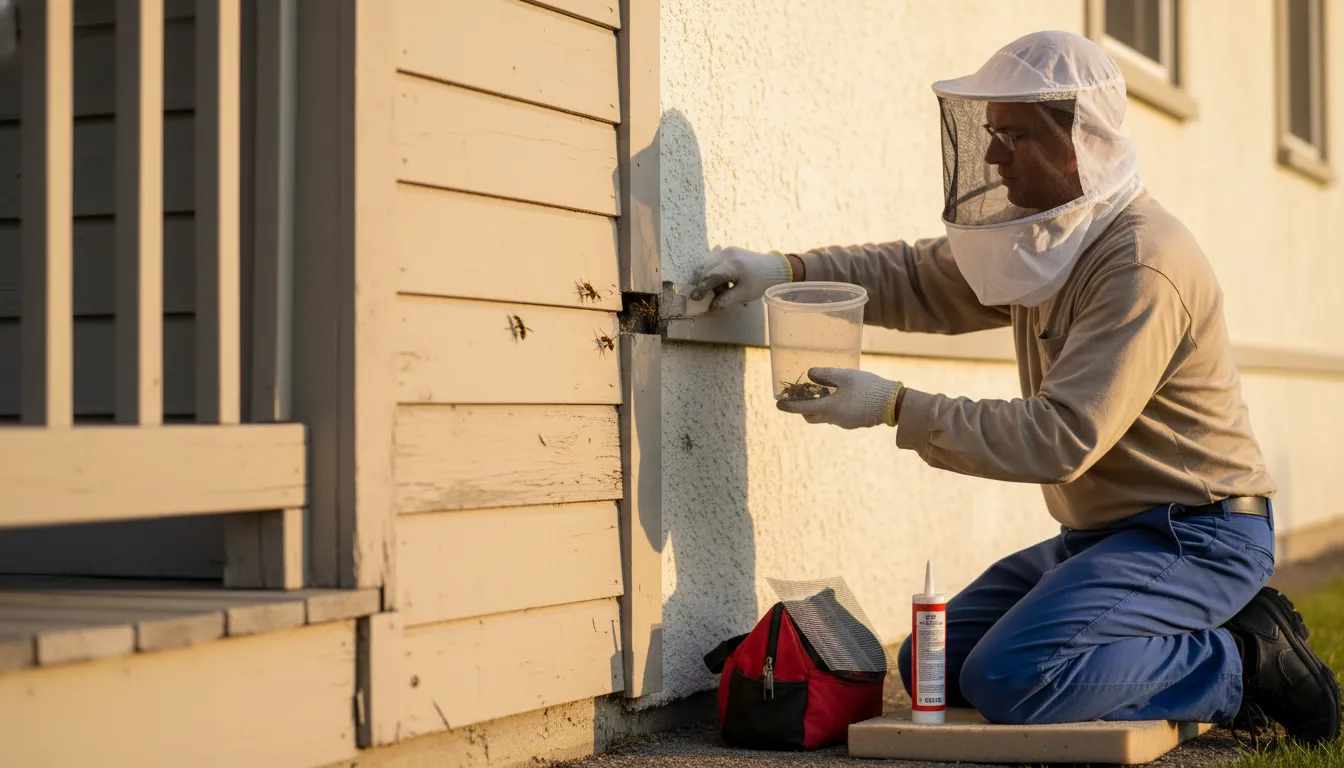
Find the Best Wasp & Hornet Removal Companies for Your Business
No obligation • Fast responses • Nationwide coverage

Why you can trust Pest Crews
Pest Crews is a leading U.S. resource for finding and evaluating residential and commercial pest control services. Our team researches providers, reviews treatment approaches, and organizes unbiased information to help you make informed decisions. Companies cannot pay to change our editorial content or influence how they appear.
Search providers near you
Top Wasp & Hornet Removal Companies in Santa Rosa, California Ranked
Dealing with stinging insects on your property can be stressful and potentially dangerous. In Santa Rosa, professional bee and wasp removal services offer solutions ranging from humane relocation of beneficial pollinators to the necessary extermination of aggressive pests. This guide will help you understand the local options, seasonal activity, and what to expect when you need to address a bee, wasp, or hornet problem, empowering you to make an informed decision for your home and family.
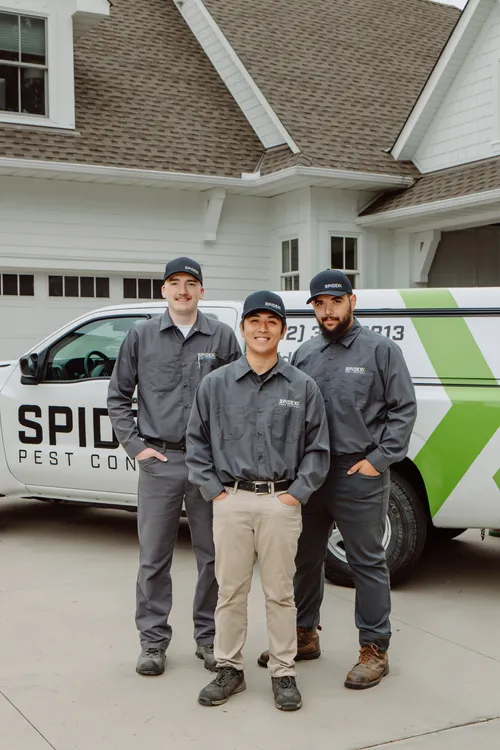
Spidexx Pest Control & Termite - California
5625 State Farm Dr #34, Rohnert Park, CA 94928
Spidexx Pest Control & Termite - California provides comprehensive pest control services in Santa Rosa, CA. They offer treatments for a wide range of pests including ants, bed bugs, cockroaches, rodents, termites, mosquitoes, wasps, and spiders for both residential and commercial properties. Their services include exterior, interior, and yard treatments designed to create protective barriers and maintain pest-free environments. Spidexx also offers a satisfaction warranty with free emergency spot treatments if pests return after service.
Nature Pacific Pest Services
Santa Rosa, CA
Nature Pacific Pest Services is a full-service pest control company based in Santa Rosa, CA. They offer tailored pest management solutions including rodent, ant, bed bug, termite, wasp, and wildlife removal services. Their in-house construction division helps repair pest damage and prevent future infestations. The company is fully licensed and insured, providing eco-friendly pest control and comprehensive termite inspections and treatments. With decades of experience serving Sonoma and Marin counties, they focus on customized solutions for each pest issue.
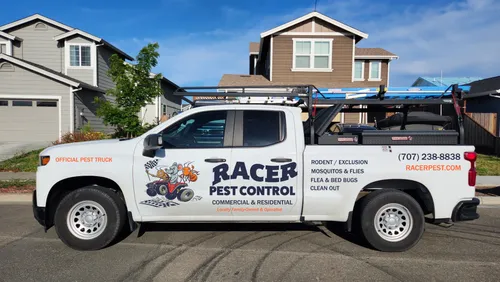
Racer Pest Control
Santa Rosa, CA
Racer Pest Control is a family-owned pest control company serving Santa Rosa, CA, and surrounding counties including Sonoma, Napa, and Marin. They provide pest management for residential homes, small businesses, and commercial food and beverage facilities. Their services cover a wide range of pests such as rodents, bed bugs, cockroaches, wasps, mosquitoes, and nuisance wildlife. The company offers specialized treatments including rodent trapping, exclusion repairs, and bio-remediation to address complex infestations. With over a decade of industry experience, their licensed technicians use environmentally friendly methods to identify, treat, and prevent pest problems.
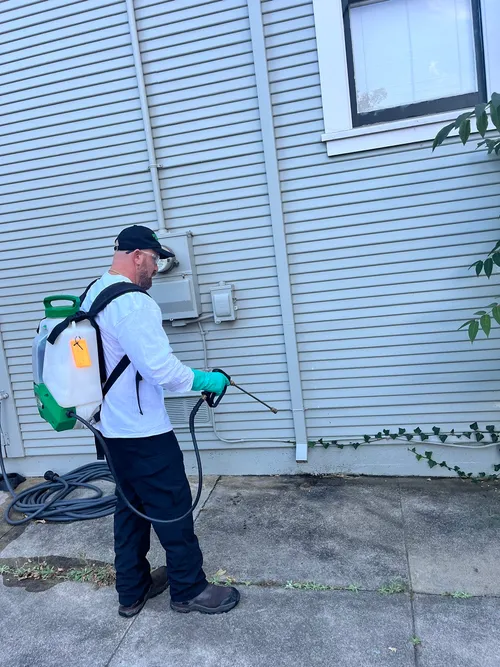
Pro Pest Guards
Santa Rosa, CA
Pro Pest Guards is a pest control company based in Santa Rosa, CA, specializing in ant control, rodent control, and bee and wasp removal services. They offer customized pest control programs that address specific challenges such as rodent exclusion in attics and targeted treatments for ants in kitchens and outdoor areas. Their approach emphasizes environmentally friendly methods, including non-secondary poisoning that protects pets and wildlife while effectively eradicating pests. Pro Pest Guards also provides thorough sanitizing and insulation services to improve indoor air quality and prevent future infestations.
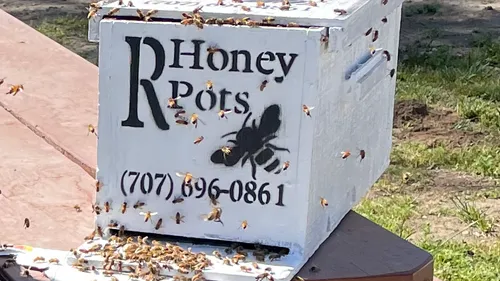
R Honey Pots
Santa Rosa, CA
R Honey Pots provides bee and wasp removal services in Santa Rosa, CA, specializing in live bee removal and hive management. They have been working with bees in Sonoma County since 2002, offering careful removal of swarms and established hives with minimal property damage. Their services include carpenter skills for repairs and the use of scaffolding or boom lifts for high hives. They emphasize safe, non-lethal removal to protect bee populations and prevent structural damage and pest infestations caused by dead colonies.
Understanding Your Stinging Insect Problem
The first step in effective management is identifying which type of insect you're dealing with, as the approach differs significantly. Honeybees and bumblebees are crucial pollinators and are often protected; many Santa Rosa professionals prioritize live bee removal and relocation to local apiaries. In contrast, wasps, hornets, and yellowjackets are typically viewed as threats due to their aggressive nature and painful stings, making extermination the standard course of action.
Common species in the Santa Rosa area include:
- Honeybees: Often seen in swarms when looking for a new home. They can establish large, wax-comb hives inside structural cavities.
- Yellowjackets: Notably aggressive, these social wasps frequently build large, paper nests underground or inside wall voids.
- Paper Wasps: Build the classic, open-celled, umbrella-shaped nests under eaves, porch ceilings, and window frames.
- Mud Daubers: Solitary wasps that construct small, tubular nests from mud in sheltered areas like garages and attics.
Where to Look for Nests Around Your Home
Stinging insects are adept at finding sheltered spots to build their colonies. A thorough inspection of your property can help locate a potential problem before it grows. Nests can be found in a variety of locations, each presenting unique removal challenges 1 2.
Common Nesting Sites in Santa Rosa:
- Structural Cavities: This is one of the most problematic locations. Bees and German yellowjackets often enter through small cracks to build nests inside wall voids, attics, soffits, and chimneys 3. Removal from these spaces often requires cutting into drywall or siding, leading to higher service costs due to the necessary carpentry repairs.
- Underground: Yellowjackets frequently take over abandoned rodent burrows or build nests in dense ground cover like ivy. These ground nests can be large and are particularly hazardous as they are easily disturbed by lawn mowing or gardening.
- Elevated & Exterior Surfaces: Look for paper wasp nests attached to the underside of eaves, roof overhangs, door frames, and porch ceilings. You may also find nests in trees, dense shrubs, and woodpiles.
- Less Common Areas: Don't forget to check sheds, playground equipment, grills, and even children's toys that have been left outside.
The Santa Rosa Stinging Insect Season: What to Expect
Activity levels for bees and wasps in Sonoma County follow a predictable annual cycle, largely driven by temperature and food availability. Understanding this cycle can help you anticipate problems and take preventative action 4 5.
- Spring (February - April): This is the starting point. Overwintering queens emerge to scout for new nest sites. Bee swarming activity is common as established colonies split to form new ones. A small, early-season nest is generally easier and less expensive to manage.
- Summer (May - August): Colonies grow rapidly. Worker populations explode as the queen focuses on laying eggs. Wasps are actively foraging for insects (protein) to feed their developing larvae. Nests become more obvious and well-established.
- Late Summer & Fall (September - November): This is peak season for conflict. Colonies are at their maximum size. As natural food sources dwindle, wasps become intensely attracted to human foods and drinks, making outdoor gatherings a target. Insects are most defensive and aggressive during this time 6.
- Winter (December - January): Most nests die out with the cold and rain. Only newly mated queens survive, finding sheltered spots to overwinter and start the cycle anew the following spring.
Professional Removal Options Available in Santa Rosa
Santa Rosa homeowners have access to specialized and general pest control professionals who can handle stinging insect issues. The right choice depends on the insect type, nest location, and your personal preferences regarding humane treatment 7.
1. Humane Bee Relocation Services For honeybee swarms or established hives, companies like Bee Conscious Removal specialize in live bee hive removal 8. Beekeepers carefully collect the bees and queen, relocating them to a managed apiary where they can continue their vital pollination work. This is the preferred method for bees that are not posing an immediate threat inside a home's structure.
2. Wasp and Hornet Extermination For yellowjackets, paper wasps, and hornets, extermination is the standard practice to eliminate the safety hazard. Professionals use specialized insecticides and protective equipment to treat the nest directly. Companies such as We Care Pest Solutions and Armed Force Pest Control offer these targeted services 9 10.
3. Integrated Pest Management (IPM) Many local pest control services offer a comprehensive approach. This begins with a detailed inspection to identify the pest and locate all nests. After removal or extermination, a key component is exclusion work-sealing potential entry points in your home's exterior to prevent future infestations 11 12. They may also advise on habitat modification, like managing ivy or sealing garbage cans, to make your property less attractive.
Find the perfect wasp & hornet removal companies for your needs
Get personalized recommendations and expert advice
Cost of Bee & Wasp Removal in Santa Rosa
The price for professional removal in Santa Rosa varies widely, primarily based on the nest's location, size, and the type of insect involved 13. A simple, accessible paper wasp nest under an eave will cost far less than a large honeybee hive deep within a wall cavity that requires demolition and repair. It is highly recommended to get multiple quotes from local providers.
| Service Type | Typical Price Range in Santa Rosa | Key Considerations |
|---|---|---|
| Bee Swarm Removal | $0 - $200 | Often lower cost if a local beekeeper can easily access and relocate the loose swarm of bees. |
| Established Beehive (Easy Access) | $150 - $500 | For hives in open, accessible locations like a tree branch or detached shed. |
| Established Beehive (Structural) | $400 - $2,500+ | High cost due to the need to open walls, ceilings, or chimneys, remove comb/honey, and perform repairs to prevent future issues 14 15. |
| Wasp/Hornet Nest Removal | $212 - $875 | Standard extermination service. Price scales with nest size, height, and difficulty of access (e.g., underground vs. third-story eave) 16 17. |
| General Pest Control Visit | ~$152 | A standard service call for inspection and treatment, but complex removals often cost extra 18. |
Why DIY Removal is Often Not Advisable
While it may be tempting to tackle a nest with a store-bought spray, this approach carries significant risks, especially with aggressive species like yellowjackets or large colonies.
- Safety Hazard: Disturbing a nest can trigger a mass, defensive attack. Individuals with allergies risk life-threatening anaphylaxis, and even those without allergies can suffer painful, multiple stings.
- Incomplete Elimination: DIY methods often fail to kill the entire colony, especially if the nest is hidden within a wall or underground. The remaining insects can rebuild or become agitated.
- Property Damage: Attempting to remove a hive from a wall yourself can lead to structural damage, spilled honey, and subsequent problems with other pests like ants or rodents.
- Environmental Impact: Indiscriminate spraying can harm beneficial insects and contaminate your immediate environment. Professionals use targeted products and methods.
Preventing Future Infestations
After addressing an active nest, taking preventative steps can help keep your property clear in the future.
- Seal Entry Points: Carefully inspect your home's exterior in early spring. Seal cracks in siding, around utility lines, and in roof soffits with caulk or steel wool.
- Manage Attractants: Keep garbage cans tightly sealed with lids. Clean up fallen fruit promptly. Avoid leaving pet food or sugary drinks outside.
- Modify Habitat: Reduce dense, ground-covering vegetation like ivy, which provides ideal nesting sites for yellowjackets 19. Regularly inspect seldom-used yard items, sheds, and play structures.
- Early Inspection: Schedule a routine property inspection with a pest professional in the spring to identify and address potential nesting sites before colonies become established.
Frequently asked questions
Sources
Footnotes
-
Bee, Wasp & Hornet Removal Service - https://www.flapest.com/bees-wasps-exterminators/ ↩
-
Wasp & Bee Removal | Orlando | ABC Home & Commercial - https://www.abchomeandcommercial.com/orlando/pest-control/bee-removal ↩
-
Pest Education: Bees, Wasps & Yellow Jackets - https://www.calamericanext.com/bees-wasps-yellowjackets ↩
-
Yellowjackets - Marin/Sonoma Mosquito and Vector Control ... - https://www.msmosquito.org/yellowjackets ↩
-
Why Summer is the Peak Season for Wasp Activity and Nest Growth - https://alluneedpest.com/blog/why-summer-is-the-peak-season-for-wasp-activity-and-nest-growth/ ↩
-
Pubity on Instagram: "🐝 A wasp nest is a structure built by wasps to live in and raise their young. Most nests are made from chewed wood fibers mixed with saliva, creating a papery material. Depending on the species, nests can be found hanging from trees, tucked under eaves, or even hidden underground. Inside, the nest has hexagonal cells where the queen lays her eggs and workers care for the developing larvae. Wasp nests start small in the spring, built by a single queen, but can grow quickly over the summer as more workers hatch and expand it. While fascinating in design, nests near homes can be dangerous, as wasps may become aggressive if disturbed. Hannah Mangum via ViralHog" - https://www.instagram.com/reel/DM_79aNRKhH/ ↩
-
Live Bee Removal And Relocation Service Across Santa Rosa - https://beeconsciousremoval.com/services/ ↩
-
Bee Conscious Removal | Live Bee Hive Removal In Santa ... - https://beeconsciousremoval.com/ ↩
-
Bee Control in Santa Rosa, CA | We Care Pest Solutions - https://www.wecarepest.com/pest-control/bees/ ↩
-
Western Exterminator - https://www.google.com/viewer/place?mid=/g/11y2bnh975 ↩
-
Bee Removal | Santa Rosa, CA | 707-837-0751 - Pest Control - https://www.redwoodempiretermiteandpestcontrol.com/bee-removal/santa-rosa-ca ↩
-
Bee Removal, Nest Elimination & Hive Relocation - USX Pest - https://www.usxpest.com/services/pest-control/bee-removal/ ↩
-
How Much Does Bee Removal Cost in 2025? - HomeAdvisor - https://www.homeadvisor.com/cost/environmental-safety/bee-removal/ ↩
-
How Much Does Bee Removal Cost? [2026 Data] | Angi - https://www.angi.com/articles/how-much-does-bee-removal-cost.htm ↩
-
How Much Does Beehive Removal Cost in 2026? - Lawn Love - https://lawnlove.com/blog/beehive-removal-cost/ ↩
-
How Much Does Wasp Nest Removal Cost in 2026? - https://lawnlove.com/blog/wasp-nest-removal-cost/ ↩
-
Wasp Nest Removal Cost [2025 Data] | Angi - https://www.angi.com/articles/how-much-does-wasp-removal-cost.htm ↩
-
How Much Does Pest Control Cost in Santa Rosa, CA - https://pestextinct.com/santa-rosa-ca-pest-control/ ↩
-
Yellowjackets and Other Social Wasps - UC IPM - https://ipm.ucanr.edu/home-and-landscape/yellowjackets-and-other-social-wasps/ ↩