Find the Best Wasp & Hornet Removal Companies for Your Business
No obligation • Fast responses • Nationwide coverage

Why you can trust Pest Crews
Pest Crews is a leading U.S. resource for finding and evaluating residential and commercial pest control services. Our team researches providers, reviews treatment approaches, and organizes unbiased information to help you make informed decisions. Companies cannot pay to change our editorial content or influence how they appear.
Search providers near you
Top Wasp & Hornet Removal Companies in Jurupa Valley, California Ranked
Discovering a buzzing nest on your property can be alarming. In Jurupa Valley, managing stinging insect problems requires a thoughtful approach, balancing safety, environmental responsibility, and effective pest management. This guide provides a detailed look at local bee and wasp control, from understanding the different species and their habits to navigating professional removal services. Whether you're dealing with a ground nest of aggressive yellowjackets or a honeybee colony in your attic, knowing your options helps you make an informed decision to protect your home and family.
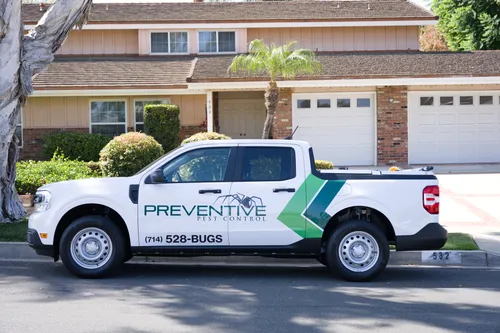
Preventive Pest Control
26060 Acero #204, Mission Viejo, CA 92691
Preventive Pest Control is a pest control company serving Irvine, CA, and nearby communities. With over 20 years of experience, they offer a wide range of services including termite inspection and treatment, ant and spider control, rodent removal, mosquito management, and wasp nest removal. Their team uses safe and effective methods tailored to both residential and commercial properties to manage and prevent pest infestations. Preventive Pest Control is known for thorough termite inspections and customized treatment plans that help protect properties from damage and recurring pest issues.
Trident Pest Control
2430 N Glassell St # L, Orange, CA 92865
Trident Pest Control is a pest and termite control company serving Irvine, CA. They offer a range of services including general pest control, termite inspections and treatments, mosquito and stinging insect control, and humane honeybee relocation. Their termite control includes the use of Sentricon bait stations, which target subterranean termites without chemicals. The company also provides termite damage repairs to restore affected wooden structures. They focus on eco-friendly and pet-safe methods and provide next-day appointments seven days a week.

Eli the Bee Guy | Bee Removal and Rescue
255 Via Prado, Ontario, CA 91762
Eli the Bee Guy | Bee Removal and Rescue is a bee and wasp removal service based in Los Angeles, CA. The company specializes in humane live bee removal, full hive extraction, entry-point repair, and safe relocation to prevent bees from returning. They also offer natural wasp eradication without chemicals or flame and handle African killer bee swarms. Serving Los Angeles County and surrounding areas, Eli the Bee Guy provides 24/7 emergency assistance for households with life-threatening bee sting allergies. With over 20,000 bee colonies successfully relocated, the business emphasizes ethical bee rescue and environmental care.

the bugman
525 N Shepard St, Anaheim, CA 92806
The bugman is a pest control company serving Long Beach, CA, specializing in the removal and management of various pests including ants, roaches, rodents, termites, bees, wasps, and more. Established in 1958, the company uses advanced methods to provide lasting pest control solutions. With over six decades of experience, the bugman focuses on thorough service to address all pest-related issues effectively.
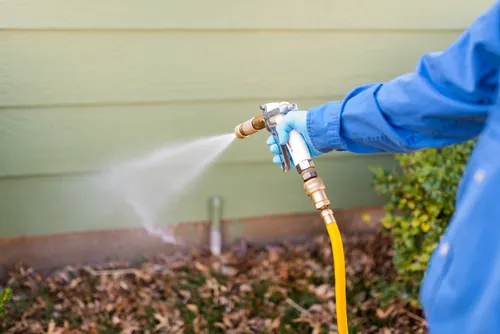
Compass Pest Management
5925 Rickenbacker Ave, Riverside, CA 92504
Compass Pest Management is a family-owned pest control company serving Los Angeles, CA, and surrounding areas since 1997. They provide a wide range of pest management services including bed bug treatment, termite inspections and fumigation, rodent exclusion, mosquito reduction, and bee and wasp removal. Their team also handles wildlife removal and commercial pest control, using proven methods and premium pesticides. With over 25 years of experience, Compass Pest Management offers ongoing pest prevention and exclusion services, focusing on practical solutions for homes and businesses. They operate Monday through Saturday and hold multiple licenses and certifications in pest control.
Understanding Your Stinging Insect Problem
The first step in addressing any pest issue is proper identification. In Jurupa Valley, you're likely to encounter several common species, each requiring a different management strategy.
Honeybees are generally non-aggressive unless their hive is threatened. They are crucial pollinators, and in California, there is a strong preference for their humane relocation rather than extermination. A professional bee removal service will often capture the colony and move it to a local apiary, preserving these beneficial insects.
Paper Wasps are known for their distinctive, open-celled nests that resemble an upside-down umbrella, often found under eaves, decks, and railings. While they can sting, they are less aggressive than other wasps unless their nest is disturbed.
Yellowjackets are the most common cause of aggressive wasp problems. They often nest in concealed, hard-to-reach locations like wall voids, attics, or underground burrows. Their defensive nature and tendency to swarm make them particularly dangerous, and professional extermination is almost always recommended 1.
Mud Daubers are solitary wasps that build small, tubular nests from mud. They are rarely aggressive and are actually beneficial as they hunt spiders. Their nests are more of a nuisance than a threat, but removal is often requested for aesthetic reasons.
Common Nesting Sites Around Your Home
Bees and wasps are opportunistic, seeking out sheltered spots that offer protection from the elements and predators. Knowing where to look can help you spot a problem early.
- Eaves, Soffits, and Roof Overhangs: These are prime real estate for paper wasps and, occasionally, the beginning stages of a honeybee swarm looking for a permanent home. The shelter from rain and sun is highly attractive 2.
- Wall Voids and Attics: One of the most challenging scenarios is when yellowjackets or bees establish a colony inside a wall or attic space. You may hear buzzing within the walls or see a consistent stream of insects entering a tiny crack or hole. Full removal often requires cutting into the wall to extract the entire nest and honeycomb 3.
- Ground Burrows and Under Concrete: Many yellowjacket species are ground-nesters. They may take over abandoned rodent burrows or dig their own under bushes, in garden beds, or next to foundations. Ground nests are particularly hazardous as they are easy to stumble upon 4.
- Sheds, Garages, and Play Structures: Any unused outdoor item-an old grill, a child's playset, a stored boat-can provide a perfect, sheltered nesting site. It's wise to inspect these areas regularly, especially in spring and early summer 5.
- Utility Boxes, Vents, and Chimneys: Vents and uncapped chimneys offer a direct pathway into your home's interior spaces. Electrical and cable utility boxes on the exterior of a house also provide a dark, enclosed space that wasps find ideal 6.
The Professional Removal Process: What to Expect
Hiring a licensed professional for stinging insect control is the safest course of action. Here's a breakdown of the typical process for bee and wasp extermination or relocation in Jurupa Valley.
1. Inspection and Assessment: A technician will first identify the insect species, locate the primary nest, and assess the size and accessibility of the colony. This step determines the best treatment method and provides the basis for an accurate quote.
2. Treatment Method Selection:
- For Wasps and Hornets: Extermination is standard. This usually involves applying a fast-acting, residual insecticide directly to the nest entrance or, for hidden nests, into the void space. The treatment is designed to eliminate the colony quickly 7.
- For Honeybees: Humane live removal is preferred. Specialists use techniques like vacuuming the bees into a secure box, carefully cutting out the honeycomb, and relocating the entire colony to a bee farm. This process is more time-intensive and requires specific expertise 8.
- For Ground Nests: Treatment often involves applying dust or aerosol insecticides directly into the burrow entrance during evening hours when the colony is most dormant.
3. Nest Removal and Cleanup: Simply killing the insects is not always the end. For honeybees, the honeycomb must be completely removed to prevent melting, which can cause damage and attract other pests like ants and rodents 9. For wasps, the nest is usually removed to prevent future queens from being attracted to the old site. In cases of wall infestations, this step may involve minor demolition and repair.
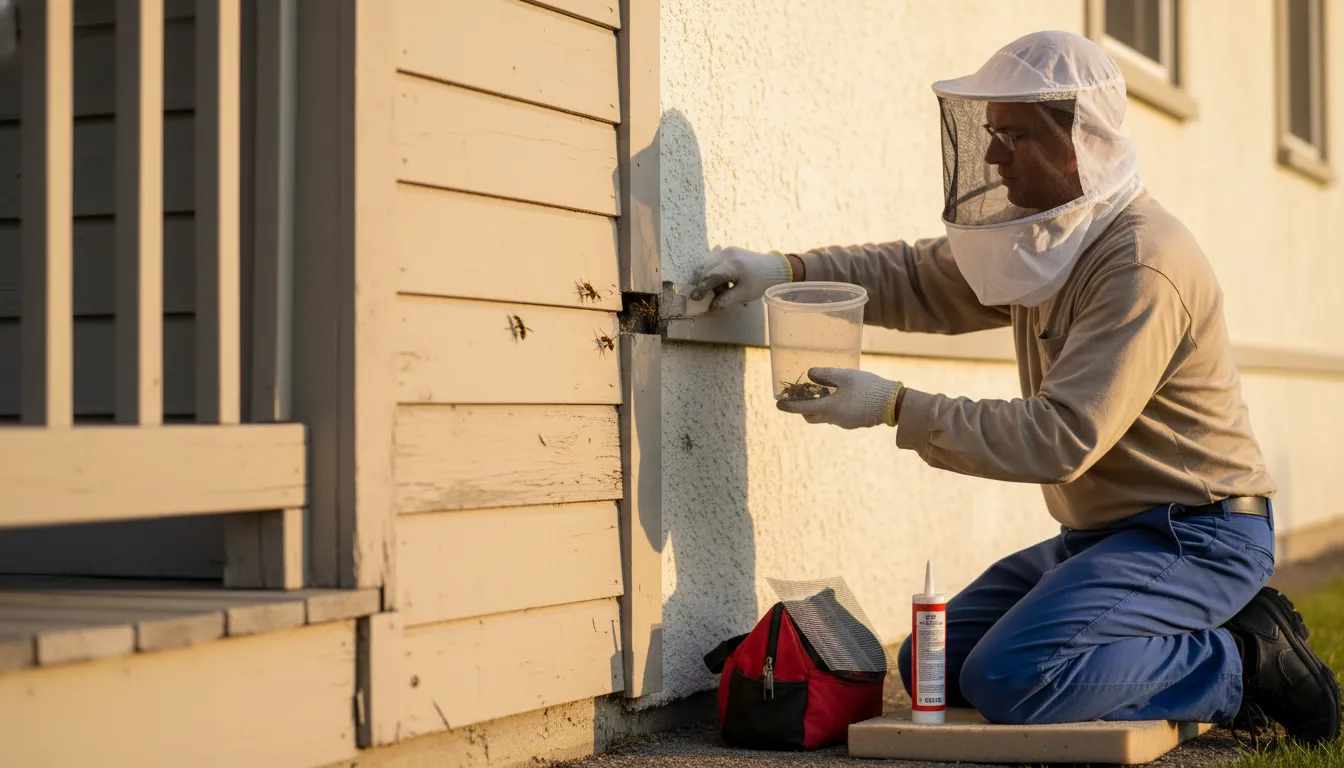
4. Exclusion and Prevention: A key final step is "bee-proofing" or sealing entry points to prevent a recurrence. This may involve caulking cracks, installing screens over vents, and recommending habitat modifications (like reducing accessible water sources) to make your property less attractive.
Find the perfect wasp & hornet removal companies for your needs
Get personalized recommendations and expert advice
Seasonal Activity in Jurupa Valley
Understanding the annual life cycle of these insects explains why problems seem to surge at certain times and can guide proactive prevention 10.
- Spring (March-May): Mated queens emerge from hibernation and begin scouting for nesting sites. Activity is low, but this is the best time for prevention-sealing cracks and inspecting potential nesting spots can stop a colony before it starts.
- Summer (June-August): Colonies expand rapidly. Worker numbers increase, and foraging activity becomes very noticeable. Wasps are especially drawn to protein sources (like your barbecue) and water (like pools and pet bowls) to feed the growing larvae 11 12.
- Late Summer & Fall (September-November): This is peak season. Colonies are at their maximum size, and food sources become scarcer, making wasps more aggressive and likely to bother outdoor gatherings. In fall, new queens and males are produced to mate before winter 13 14.
- Winter (December-February): Most wasps and hornets die off. Only the fertilized queens survive, hibernating in sheltered spots like under tree bark or within the siding of your home. Honeybee colonies, however, cluster inside their hive to stay warm and remain active on warmer days 15.
Cost of Bee and Wasp Removal Services
The price for professional stinging insect control in Jurupa Valley varies significantly based on the insect type, nest location, and size. A basic general pest control visit may start lower, but specialized removal commands different rates 16 17.
| Service Type | Typical Price Range | Key Factors |
|---|---|---|
| Basic Pest Control Visit | $72 - $175 | Often a general service; may not include complex hive or nest extraction. |
| Small, Accessible Nest Removal (e.g., paper wasp) | $100 - $250 | For nests easily reached from the ground with a ladder. |
| Standard Wasp/Hornet Extermination | $100 - $1,300 | Average cost around $375. Price depends heavily on accessibility and species aggression. |
| Yellowjacket Removal | $500 - $1,300+ | Typically the most expensive due to their aggressive nature and tendency to nest in difficult, enclosed spaces like walls or underground 18. |
| Live Honeybee Removal & Relocation | $450 - $1,500+ | More labor-intensive than extermination; includes vacuuming bees, comb removal, and relocation. Height and structural access greatly affect price 19 20. |
Most reputable local companies offer free, in-person estimates. It's advisable to get multiple quotes and ensure the provider is licensed, insured, and has specific experience with the type of insect you're dealing with 21.
Risks of DIY Removal
Attempting to remove a bee or wasp nest yourself is strongly discouraged. The risks far outweigh any potential cost savings.
- Severe Allergic Reactions: Even if you haven't had a bad reaction before, multiple stings can trigger a dangerous systemic response.
- Aggressive Swarming: Disturbing a nest, especially of yellowjackets or Africanized honeybees, can provoke a massive, defensive swarm attack.
- Property Damage: Improper treatment of a hive inside a wall can lead to honey and wax melting, causing significant structural damage and attracting secondary pests.
- Ineffective Treatment: Over-the-counter sprays may kill visible workers but often fail to reach the queen deep within the nest, allowing the colony to rebound quickly.
Professional exterminators and bee removers have the proper protective equipment, tools, and insecticides to handle the job safely and effectively.
Choosing a Local Service Provider
When searching for bee and wasp control in Jurupa Valley, look for providers who emphasize clear communication and safety. Many local specialists, such as those found on trusted review platforms, highlight their commitment to humane bee relocation or their expertise with aggressive wasp species 22 23. Verify their licensing with the California Structural Pest Control Board and ask about their insurance coverage. A trustworthy company will be transparent about their methods, provide a detailed written quote, and explain exactly what the service includes, from initial treatment to cleanup and prevention advice.
Frequently asked questions
Sources
Footnotes
-
Wasp Identification - https://wasps.ucr.edu/wasp-identification ↩
-
Common Places You Find Bee and Wasp Nests - Abarb Pest Services - https://abarbpest.com/common-places-you-find-bee-and-wasp-nests/ ↩
-
Common Areas for Wasp Nests - Summit Pest Management - https://www.summitpestmanagement.com/bees-wasps-exterminators/common-areas-for-wasp-nests/ ↩
-
How to Get Rid of Paper & Mud Wasp Nests Above & Underground | Orkin - https://www.orkin.com/pests/stinging-pests/wasps/wasp-nests ↩
-
How to Identify Bee & Wasp Nests - Environmental Pest Control - https://www.environmentalpestcontrol.ca/blog/how-to-identify-bee-and-wasp-nests ↩
-
Bee, Wasp, & Hornet Control & Removal - https://abcwildlife.com/animals-insects/bee-wasp-hornet-control/ ↩
-
Licensed & Insured Bee Wasp & Hornet Exterminator | Nest Removal - https://southernpestcontrol.biz/bees-wasps-exterminators/ ↩
-
Live Bee Removal in Jurupa Valley CA - https://riversidebeeremovalpros.com/bee-removal-jurupa-valley-ca/ ↩
-
Bee Removal experts in Jurupa Valley CA - https://www.beekeeperriversideca.com/bee-removal-jurupa-valley/ ↩
-
Why Bees, Wasps, and Hornets Are So Active in August and ... - https://www.actionpestcontrol.com/2024/08/21/why-bees-wasps-and-hornets-are-so-active-in-august-and-september/ ↩
-
Why Summer is the Peak Season for Wasp Activity and Nest ... - https://alluneedpest.com/blog/why-summer-is-the-peak-season-for-wasp-activity-and-nest-growth/ ↩
-
Wasps in CA: How to identify, avoid stings, symptoms - https://www.sacbee.com/news/california/article290091519.html ↩
-
Wasp Activity Is Ramping Up - SDSU Extension - https://extension.sdstate.edu/wasp-activity-ramping ↩
-
Five-Step Decision Support: Nesting Bees and Wasps Near Homes - https://extension.psu.edu/five-step-decision-support-nesting-bees-and-wasps-near-homes ↩
-
Where Do Bees And Wasps Go In The Winter? - https://www.southernliving.com/where-bees-wasps-go-winter-11871233 ↩
-
Wasp Nest Removal Cost - Fixr.com - https://www.fixr.com/costs/wasp-nest-removal ↩
-
Bee Removal Cost | Bee Nest Removal Cost - https://www.fixr.com/costs/bee-nest-removal ↩
-
How Much Does a Wasp Exterminator Cost? (2026) - This Old House - https://www.thisoldhouse.com/pest-control/wasp-exterminator-cost ↩
-
$2.5K+ for bee removal service - why can I just call pest control? - https://www.reddit.com/r/Beekeeping/comments/1ccyust/25k_for_bee_removal_service_why_can_i_just_call/ ↩
-
Bee or Wasp Removal Cost - https://usalivebeeremoval.com/bee-or-wasp-removal-cost/ ↩
-
Jurupa Valley Ca Pest Control | Home Pest Control Riverside - https://www.bye2bugs.com/where-we-service/jurupa-valley/ ↩
-
THE BEST 10 Bee Removal in Jurupa Valley, CA - Yelp - https://m.yelp.com/search?find_desc=Bee+Removal&find_loc=Jurupa+Valley%2C+CA ↩
-
Bee Removal in Jurupa Valley, CA | Bee Wranglers Inc - https://www.beeremovalriversidecountyca.com/bee-removal-jurupa-valley-ca ↩