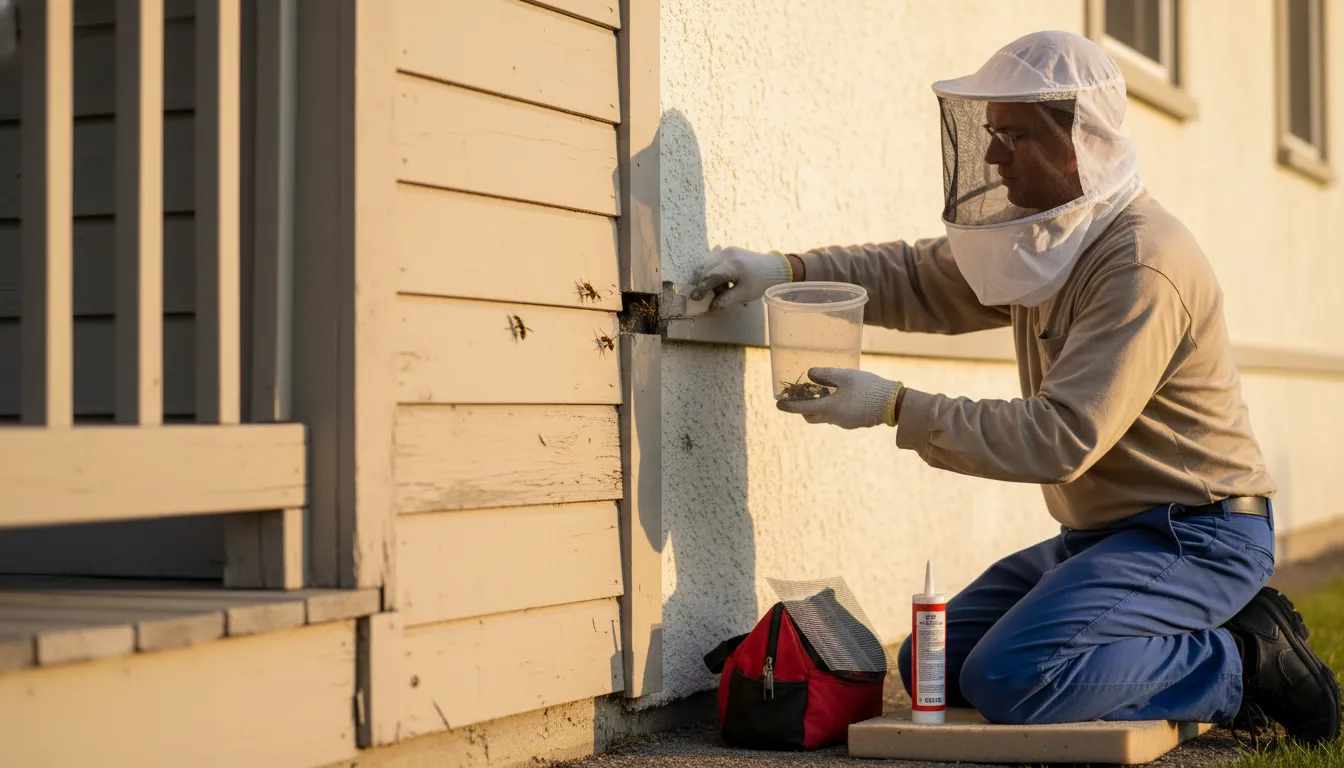
Find the Best Wasp & Hornet Removal Companies for Your Business
No obligation • Fast responses • Nationwide coverage

Why you can trust Pest Crews
Pest Crews is a leading U.S. resource for finding and evaluating residential and commercial pest control services. Our team researches providers, reviews treatment approaches, and organizes unbiased information to help you make informed decisions. Companies cannot pay to change our editorial content or influence how they appear.
Search providers near you
Top Wasp & Hornet Removal Companies in Ventura, California Ranked
Finding a buzzing nest of bees or wasps on your Ventura property can be unsettling. Professional bee and wasp removal is a specialized service that safely addresses these stinging insects, protecting your family, pets, and property from painful stings and potential structural damage. This guide will help you understand your options, the local seasonal patterns, and what to expect when you need to find a qualified local specialist for humane relocation or effective extermination.
Orkin
1161 Calle Suerte Ste G, Camarillo, CA 93012
Orkin provides residential and commercial pest control services in Oxnard, CA. They handle a variety of pests including bed bugs, cockroaches, ants, rodents, termites, mosquitoes, and stinging insects like wasps and hornets. Orkin offers termite inspections and treatments using methods such as liquid barriers, bait systems, and foam void fillers. With over 120 years of experience, Orkin combines scientific research and extensive training to deliver pest management solutions. Their customer care team is available 24/7 for pest control assistance.

Dash Pest Control
3000 Paseo Mercado #106, Oxnard, CA 93036
Dash Pest Control is a locally owned and operated pest control company serving Oxnard, CA, and surrounding areas. Since 1999, they have provided a wide range of pest management services including general pest control, termite inspection and treatment, mosquito control, bed bug treatment, rodent exclusion, and bee removal. Their termite services include monitoring and bait stations, and they offer specialized treatments such as chemical and heat treatment for bed bugs. Dash Pest Control also provides same or next day service for inspections and treatments, with a 12-month service agreement that includes a guarantee.
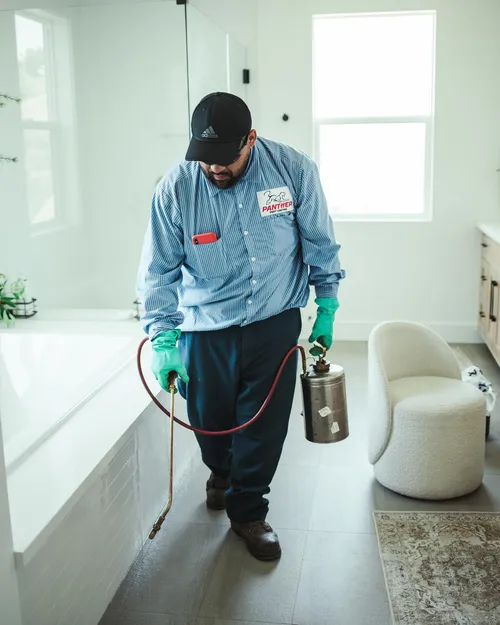
Panther Pest Control
Lancaster, CA
Panther Pest Control is a family-owned pest control company serving Lancaster, CA, and surrounding valleys. They provide residential and commercial pest control services, including ant, rodent, and bee removal. With nearly 20 years of experience, they focus on environmentally safe methods to manage pests without requiring contracts. Panther Pest Control is recognized for their knowledge in handling a wide range of pests and delivering cost-effective solutions.
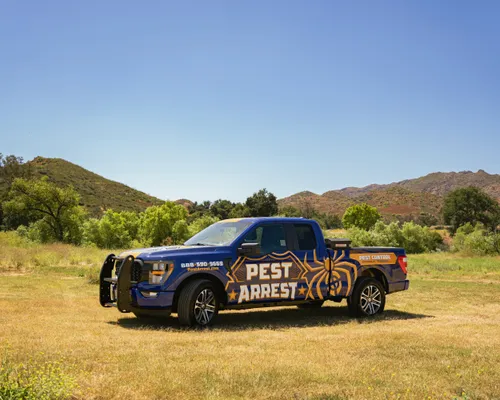
Pest Arrest (fka Dallas General Pest & Termite Inc)
28144 Witherspoon Pkwy, Santa Clarita, CA 91355
Pest Arrest (fka Dallas General Pest & Termite Inc) is a family-owned pest control company based in Santa Clarita, CA, serving Los Angeles County, Ventura County, and the San Fernando Valley. They provide a wide range of pest control services including bed bug treatment, termite inspections, rodent and wildlife removal, and commercial pest management. Their expertise includes customized indoor and outdoor treatments using eco-friendly products when preferred. With over 30 years of experience since 1992, Pest Arrest offers flexible commercial plans and personalized residential services to address specific pest challenges in homes and businesses.

Sharp pest management
Lancaster, CA
Sharp Pest Management provides pest control services for both residential and commercial properties in Lancaster, CA. They handle a variety of pests including ants, spiders, cockroaches, pantry pests, wasps, fleas, scorpions, bed bugs, rodents, and flies. The company offers bi-monthly, quarterly, and one-time pest control treatments with a 30-day warranty.
Understanding Your Stinging Insect Problem
The first step in addressing an infestation is identifying the insect. In Ventura, you're most likely to encounter honey bees, various wasps (like paper wasps and yellowjackets), and possibly hornets. Honey bees are fuzzy, generally less aggressive unless their hive is threatened, and are critical pollinators. Wasps and yellowjackets have smoother, brighter bodies and can be highly aggressive, especially in late summer and fall when they are foraging for sweets. Knowing which insect you have will influence the removal strategy-bees are often candidates for relocation by a beekeeper, while wasp nests are typically treated and removed.
Common Nest Locations in Ventura Homes
Bees and wasps seek out sheltered, undisturbed spots to build their colonies. Being aware of these common areas can help with early detection 1 2.
- Exterior Hotspots: Look under roof eaves, soffits, and overhangs. Check trees, dense shrubs, under decks and porches, inside unused grills or play structures, and within electrical or utility boxes.
- Structural Interiors: These insects often find their way into wall voids, attics, chimneys, and crawl spaces. Sheds and garages are also prime real estate for a new nest.
- Ground Nests: Yellowjackets, in particular, frequently build nests in abandoned rodent burrows or other holes in lawns and garden beds. Mowing the lawn or walking near these nests can provoke a defensive swarm.
The Ventura Bee & Wasp Removal Process
Engaging a professional is strongly recommended for safety and effectiveness 3. The process typically involves an inspection, a choice of treatment method, removal, and follow-up.
- Inspection & Assessment: A technician will identify the insect species, locate the primary nest and any satellite nests, assess the size and accessibility of the colony, and check for structural damage or entry points.
- Choosing a Method:
- For Wasps & Hornets: Extermination is standard. Professionals use specialized insecticides and protective gear to eliminate the colony, then physically remove the nest.
- For Honey Bees: Whenever possible, humane live bee removal and relocation is the preferred method. Specialists or local beekeepers, such as those from Ventura Bee Rescue or local clubs, will carefully extract the colony and rehome it to an apiary 4 5. This preserves these vital pollinators. In some cases where relocation is too dangerous or the bees are an aggressive hybrid, extermination may be necessary.
- Removal & Exclusion: After treatment, the nest is removed to prevent pheromones from attracting new insects. The technician will then seal entry points (like cracks in siding or gaps in roof joints) to prevent re-infestation.
- Clean-up & Repair: For nests inside walls or attics, honeycomb and hive materials must be removed to avoid attracting pests and causing rot. Some services offer basic repair work for the access holes they create, or can recommend a contractor.
Find the perfect wasp & hornet removal companies for your needs
Get personalized recommendations and expert advice
Seasonal Activity in Ventura's Climate
Ventura's mild coastal climate means bee and wasp activity follows a predictable, extended seasonal pattern. Understanding this can help you anticipate problems and schedule preventive measures 6 7.
- Spring (March - May): This is the start of the active season. Overwintered queen bees and wasps emerge to scout for new nest sites. You'll see increased foraging activity. This is also prime honey bee swarming season, where a large colony splits, and a cloud of bees may temporarily cluster on a tree branch or structure before moving to a permanent home 8 9.
- Summer (June - August): Colonies grow rapidly. Worker populations are at their peak, busily foraging for food to support the expanding hive or nest. Nests become more obvious and wasp activity around patios and trash bins increases.
- Fall (September - November): This is often the peak time for aggressive wasp and yellowjacket behavior. Their natural food sources dwindle, driving them to seek out human food, sugary drinks, and trash 10. Colonies are at their maximum size, making them a significant nuisance and hazard.
- Winter (December - February): Activity slows dramatically. Most wasp colonies die off, leaving only new queens to overwinter in hiding. Honey bee clusters will remain in their hive, surviving on stored honey, but are rarely seen unless the weather is unseasonably warm.
Cost of Bee & Wasp Removal in Ventura
The cost for stinging insect control in Ventura varies widely based on several key factors, from the type of insect to the nest's location 11 12 13. Below is a general breakdown of what homeowners might expect.
| Factor | Typical Price Range | Notes |
|---|---|---|
| Basic Wasp Nest Removal | $100 - $700 | Lower end for small, exposed nests (e.g., under eaves). Higher end for large or multiple nests, or aggressive species like yellowjackets. |
| Basic Beehive Removal | $135 - $1,065 | Relocation by a beekeeper can vary; some may remove easily accessible swarms for free or a low cost. Extermination typically falls in this range. |
| Difficult Access (e.g., inside wall, attic) | $400 - $2,500+ | Price increases due to labor, need for careful extraction, potential demolition (cutting into drywall), and necessary repairs after removal. |
| Emergency/Same-Day Service | May incur an extra fee | Planning ahead for non-emergency sightings can help manage costs. |
Key Cost Drivers:
- Nest Location & Accessibility: A ground nest or one under an eave is far less expensive to treat than a colony deep within a wall void.
- Insect Species: Relocating a honey bee swarm is often less labor-intensive than dealing with a large, established hive or a dangerous yellowjacket nest.
- Size of the Colony: A small, new nest costs less to address than a large, mature colony that has been growing for months.
- Required Repairs: If the removal process requires opening a wall or ceiling, repair costs will add to the total project price.
Why Professional Help is Essential
Attempting DIY bee or wasp removal is risky. Without proper training and equipment, you risk multiple painful stings and severe allergic reactions. Professionals have the expertise to correctly identify the species, locate the entire nest, and apply treatments safely and effectively. For bees, they ensure that vital pollinators are preserved through relocation when feasible 14 15. They also provide the crucial service of exclusion-sealing entry points to prevent the problem from recurring, which a DIY spray can rarely achieve.
Preparing for a Service Visit
To help the technician work efficiently and safely, you can:
- Clearly identify the nest location(s) if possible.
- Keep pets and children indoors and away from the treatment area.
- Move patio furniture, grills, or toys away from the nest to provide clear access.
- Be prepared to discuss any allergies or specific concerns you have about the methods used, especially if you prefer live bee relocation.
Frequently asked questions
Sources
Footnotes
-
Common Areas for Wasp Nests - Summit Pest Management - https://www.summitpestmanagement.com/bees-wasps-exterminators/common-areas-for-wasp-nests/ ↩
-
Common Places You Find Bee and Wasp Nests - https://abarbpest.com/common-places-you-find-bee-and-wasp-nests/ ↩
-
5 Common Places You Find Wasp Nests - Dustin Pest Control - https://dustinpestcontrol.com/5-common-places-you-find-wasp-nests/ ↩
-
Honey Bee Removal - California Master Beekeeper Program - https://cambp.ucdavis.edu/knowledge-base/bee-removal ↩
-
Ventura Bee Rescue - https://www.google.com/viewer/place?mid=/g/11h4s46wjy ↩
-
Wasp Season in Southern California: When to Watch Out and ... - https://pestrus.com/wasp-season-in-southern-california-when-to-watch-out-and-what-to-do/ ↩
-
When Do Bees Swarm in Southern California? - AG Pest Control - https://www.agpest.com/when-do-bees-swarm-in-southern-california/ ↩
-
Yellowjackets and Other Social Wasps - UC IPM - https://ipm.ucanr.edu/home-and-landscape/yellowjackets-and-other-social-wasps/ ↩
-
Honey Bee Management Throughout the Seasons - https://extension.psu.edu/honey-bee-management-throughout-the-seasons ↩
-
Why Bees, Wasps, and Hornets Are So Active in August and ... - https://www.actionpestcontrol.com/2024/08/21/why-bees-wasps-and-hornets-are-so-active-in-august-and-september/ ↩
-
How Much Does Beehive Removal Cost in 2026? - Lawn Love - https://lawnlove.com/blog/beehive-removal-cost/ ↩
-
Breaking Down the Bee Control Cost - https://proguardpest.com/breaking-down-the-bee-control-cost/ ↩
-
How Much Does Bee Removal Cost? [2026 Data] | Angi - https://www.angi.com/articles/how-much-does-bee-removal-cost.htm ↩
-
The Right Way To Handle Bees Around Your Ventura County ... - https://www.venturapest.com/blog/2022/january/the-right-way-to-handle-bees-around-your-ventura/ ↩
-
Bee and Wasp Removal: Top 2025 Effective Solutions - https://bigginsexterminating.com/bee-and-wasp-removal/ ↩