Find the Best Wasp & Hornet Removal Companies for Your Business
No obligation • Fast responses • Nationwide coverage

Why you can trust Pest Crews
Pest Crews is a leading U.S. resource for finding and evaluating residential and commercial pest control services. Our team researches providers, reviews treatment approaches, and organizes unbiased information to help you make informed decisions. Companies cannot pay to change our editorial content or influence how they appear.
Search providers near you
Top Wasp & Hornet Removal Companies in Fort Pierce, Florida Ranked
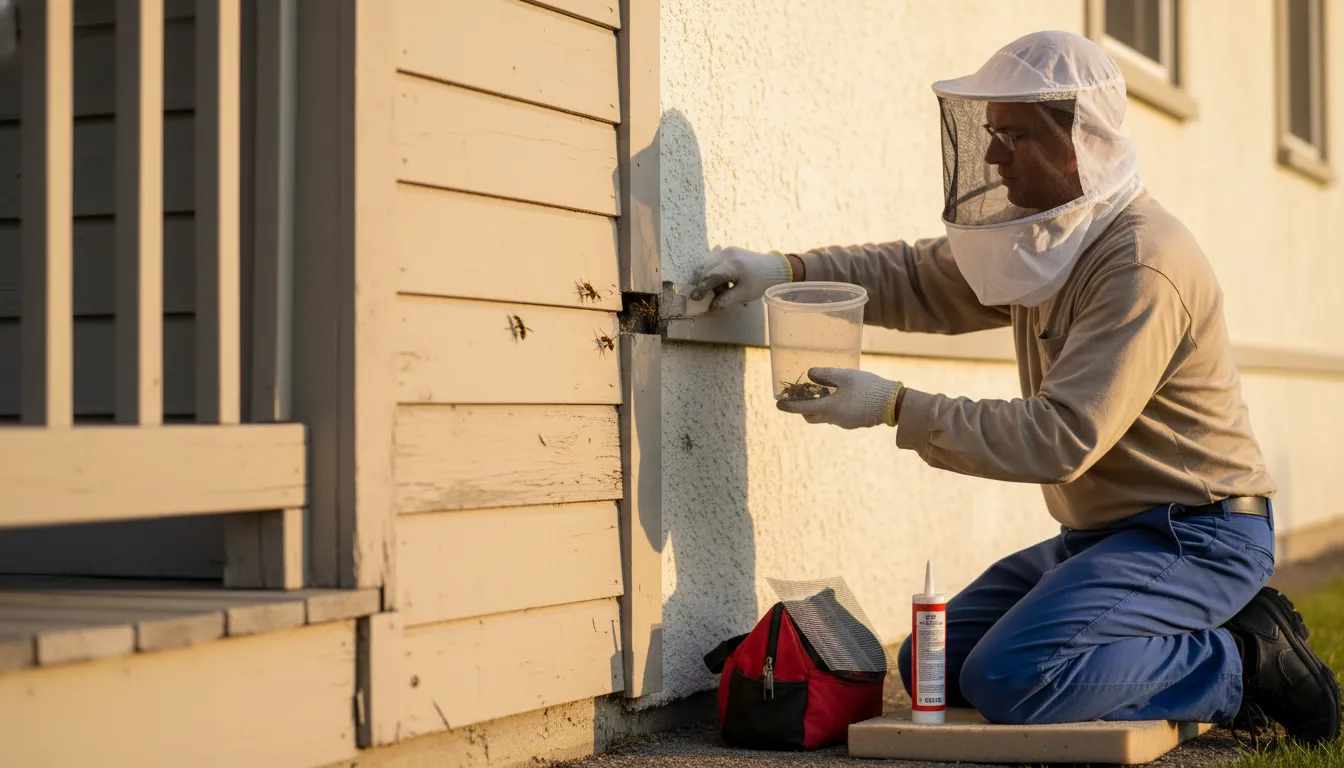
Discovering a buzzing nest on your property can be unsettling. In Fort Pierce, managing stinging insects like bees, wasps, hornets, and yellowjackets is a common need for homeowners. Professional bee and wasp removal services provide safe, effective solutions to protect your family and property from painful stings and potential structural damage. This guide will help you understand your options, from humane honeybee relocation to wasp extermination, and what to expect when addressing a stinging insect problem in our coastal community.
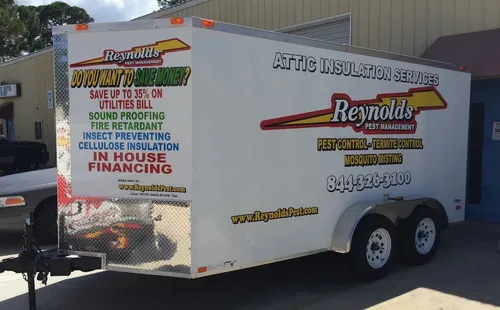
Reynolds Pest Management, Inc.
1572 SE South Niemeyer Cir, Port St. Lucie, FL 34952
Reynolds Pest Management, Inc. is a family-owned pest control company serving Port St Lucie, FL, and surrounding areas including Jupiter and South Florida. Established in 1991, they provide a range of pest management services such as bed bug treatment, termite inspections, rodent control, mosquito control, and wildlife removal. With over 25 years of experience, Reynolds Pest Management offers comprehensive solutions for both residential and commercial properties.
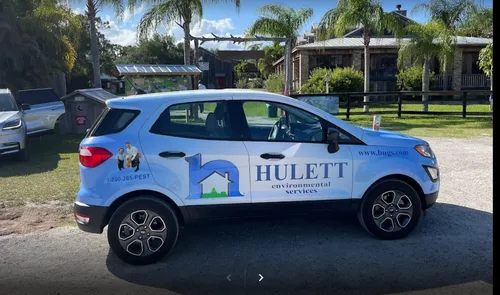
Hulett Environmental Services
2820 Reynolds Dr, Fort Pierce, FL 34945
Hulett Environmental Services provides comprehensive pest control and termite treatment in Port St Lucie, FL. Serving the surrounding South Florida area, they offer services for residential and commercial properties, including bed bug treatment, rodent control, termite inspections, mosquito control, and bird and bee removal. With over 50 years of experience, Hulett Environmental Services uses proactive and eco-friendly methods such as no-tent termite treatments and targeted larvicidal mosquito control to manage infestations effectively.
Hulett Environmental Services
3201 SW Yale St, Port St. Lucie, FL 34953
Hulett Environmental Services is a pest control company based in Port St Lucie, FL, offering a wide range of pest management solutions for homes and businesses. Their services include bed bug treatment, cockroach and ant control, rodent management, termite inspection and prevention, mosquito control, and bee and wasp removal. They serve Port St Lucie and nearby areas such as Fort Pierce, Jensen Beach, Palm City, Stuart, and Hutchinson Island. With over 50 years of experience, Hulett specializes in termite control and uses targeted treatments to protect properties from pest damage. The company is family-owned and operated across three generations, providing expertise in commercial and residential pest control.
Green Pest Services
11958 SW Tom Mackie Blvd Suite 104, Port St. Lucie, FL 34987
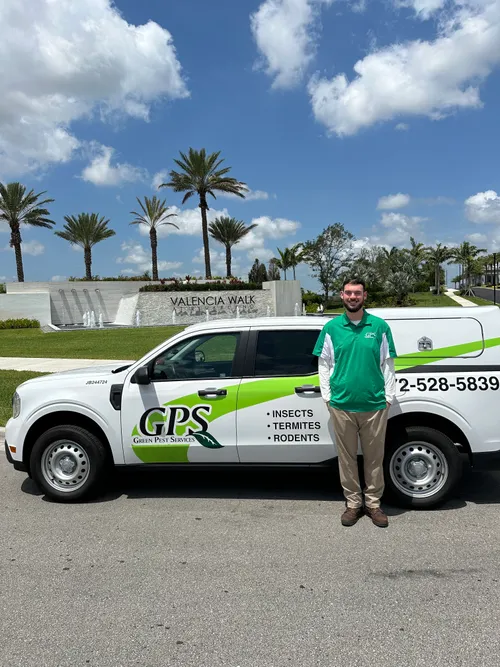
Green Pest Services is a pest control company based in Port St Lucie, FL, serving the Treasure Coast including Palm City, Stuart, Jensen Beach, and surrounding areas. They offer residential and commercial pest management with a focus on eco-friendly and traditional treatments for ants, termites, rodents, cockroaches, mosquitoes, bees, wasps, and wildlife removal. Their services include ongoing pest prevention plans tailored to Florida's climate and pest challenges, using pet- and child-safe products such as essential oils and refined minerals. Green Pest Services is locally owned and familiar with the unique pest issues in the region, providing fast, same-day appointments and a multi-method approach to pest control.
Rats to Bats Pest & Wildlife Control
1165 SW Martin Hwy, Palm City, FL 34990
Rats to Bats Pest & Wildlife Control is a locally owned company serving Port St Lucie, FL, and the Treasure Coast region. They provide pest and wildlife control services for residential and commercial properties, including warehouses, schools, and government agencies. The company holds certifications in pest control, wildlife management, and beekeeping from the Florida Department of Agriculture, emphasizing environmentally responsible methods. Owned by a Florida native with over 35 years living in the area, Rats to Bats offers expertise tailored to local pest challenges.
Understanding Your Stinging Insect Problem
The first step in effective pest management is identifying what you're dealing with. In Fort Pierce, you may encounter a variety of stinging insects, each with distinct behaviors and nesting preferences.
Honeybees are crucial pollinators and are often protected. A swarm-a cluster of bees looking for a new home-is generally docile. However, an established colony inside a wall or attic can cause damage from honey and wax. Florida is home to both European and more defensive Africanized honeybees, making professional assessment vital. Bumblebees are large, fuzzy, and typically nest in small, ground-level cavities but are not usually aggressive.
Paper wasps build the familiar open-celled, umbrella-shaped nests under eaves. Yellowjackets are aggressive, often building large nests in the ground or wall voids. Bald-faced hornets construct large, enclosed football-shaped nests in trees or shrubs. Mud daubers are solitary and less aggressive, building small mud tubes. Proper identification by a professional determines the safest and most appropriate removal strategy 1 2.
Why Professional Removal is Essential
Attempting do-it-yourself bee or wasp control is strongly discouraged. The risks far outweigh any potential savings.
- Safety Hazards: Disturbing a nest can trigger a mass, aggressive attack. Stings can cause severe allergic reactions (anaphylaxis) in sensitive individuals. Professionals have the protective gear and techniques to manage the job safely.
- Incomplete Removal: Simply spraying a visible nest entrance may kill some insects but often leaves the queen and brood deep inside a structure alive, allowing the colony to rebound. Professionals ensure the entire colony is addressed.
- Structural Damage: If a honeybee colony within a wall is killed but not removed, the leftover honey and wax can soak through drywall, attract other pests, and cause significant damage. Expert removal includes cleanup and, if necessary, repair recommendations.
- Environmental Responsibility: Indiscriminate killing of honeybees harms local ecosystems. Professional bee removal specialists can often relocate these vital pollinators, which is the preferred method recommended by the Florida Department of Agriculture and Consumer Services 3.
Common Nesting Sites Around Fort Pierce Homes
Bees and wasps seek sheltered, protected spots. Being aware of these common locations can help with early detection 4 5.
- Structural Voids: This is a prime location, especially for honeybees and yellowjackets. Check wall cavities, attics, soffits, behind siding, and in roof overhangs or chimneys.
- Ground Areas: Yellowjackets and bumblebees frequently nest in abandoned rodent burrows, under landscape timbers, or in dense ground-cover vegetation.
- Sheltered Exteriors: Look under porch ceilings, deck railings, inside utility boxes, grills, play sets, and under the eaves of your home. Paper wasps love these spots.
- Trees and Shrubs: Hornets and some bees will build nests in tree hollows or attach large nests to branches 6.
- Other Less Common Areas: Inside outdoor furniture, storage sheds, or even within block fence posts.
Regularly inspecting these areas, particularly in spring and early summer, can help you spot a new nest when it is small and easier to manage.
Bee Removal: Relocation vs. Extermination
For honeybees specifically, you typically have two main service paths: live removal or eradication.
Live Bee Removal and Relocation: This is the environmentally friendly choice for honeybee colonies. Specialists, like those at local companies such as Treasure Coast Bee Keeping & Removal LLC, use specialized equipment to carefully extract the bees, comb, and honey. The colony is then relocated to a local apiary where it can continue its role as a pollinator. This method is more labor-intensive but is often encouraged for protecting these beneficial insects 7 8.
Extermination: This method involves using pesticides to eliminate the colony. It may be necessary for aggressive wasp or hornet nests, or for honeybee infestations that pose an immediate danger and cannot be safely relocated (e.g., deep within a critical structural area). General pest control companies like Hulett Environmental Services often provide this service 9. The key is ensuring the nest is completely removed afterward to prevent secondary issues.
Find the perfect wasp & hornet removal companies for your needs
Get personalized recommendations and expert advice
Seasonal Activity in Fort Pierce's Climate
Florida's warm climate means stinging insects can be active nearly year-round, but their behavior changes with the seasons 10 11.
- Spring (March-May): This is peak swarm season for honeybees. As colonies grow, they split, and a swarm of thousands of bees may cluster on a tree branch while scout bees search for a permanent home. Wasp and hornet queens also emerge to start building new nests. This is the ideal time for prevention and addressing new, small nests.
- Summer (June-August): Colonies are at their largest and most active, foraging heavily. Wasp nests can grow to contain thousands of individuals. Activity is high, and defensive behavior is common if nests are disturbed.
- Fall (September-November): As food sources dwindle, wasps and yellowjackets can become more aggressive. New queen bees and wasps are produced to overwinter and start next year's colonies.
- Winter (December-February): Activity slows during cooler periods. Most wasps die off, leaving only new queens in hibernation. Honeybee clusters remain in their hive but may forage on warm days.
What to Expect: Service and Cost Factors
When you contact a professional for stinging insect control, the process usually begins with an inspection-many companies offer this for free 12 13. The technician will identify the species, locate the nest, and assess the extent of the infestation.
The cost for bee or wasp nest removal in Fort Pierce is not a flat fee. It depends on several key factors 14 15:
- Nest Location: A small, easily accessible nest under an eave costs far less than a large colony inside a wall or attic, which may require cutting into drywall and subsequent repairs.
- Nest Size: A small, early-season paper wasp nest is a quick job. A mature yellowjacket nest in the ground or a large honeybee hive requires more time and material.
- Insect Species: The removal method (relocation vs. extermination) and required safety protocols affect price.
- Required Repairs: If a honeybee colony is removed from a wall, the cavity must be cleaned of honeycomb and wax to prevent rot and attractants, and the opening must be sealed. These repair services are typically extra.
Here's a general cost breakdown for the Fort Pierce area, though you should always get a specific estimate 16 17:
- Small, Accessible Swarm or Nest: $75 - $300
- Medium-Sized Hive (e.g., in a soffit): $450 - $600
- Large or Structural Infestation: $600 - over $1,000 (can reach $2,000+ if extensive repairs are needed)
Preventing Future Infestations
After removal, take steps to make your property less inviting:
- Seal Entry Points: Carefully inspect and seal cracks, gaps, and holes in your home's exterior, especially around rooflines, siding, and utility penetrations. Use caulk, steel wool, or hardware cloth.
- Manage Attractants: Keep trash cans tightly sealed, clean up fallen fruit, and avoid leaving sugary drinks or food outdoors.
- Reduce Nesting Sites: Fill in ground holes, remove yard debris, and consider installing fine mesh screens over vents and inside crawlspace accesses.
- Regular Inspections: Periodically check common nesting sites, especially in spring and early summer.
Frequently asked questions
Sources
Footnotes
-
Bee and Wasp Removal: Top 2025 Effective Solutions - https://bigginsexterminating.com/bee-and-wasp-removal/ ↩
-
What Hive Is It?: Identifying Bee and Wasp Nests - Groundworks - https://www.groundworks.com/resources/what-hive-is-it/ ↩
-
Honey Bee Removal or Eradication in Florida - https://www.fdacs.gov/Consumer-Resources/Consumer-Rights-and-Responsibilities/Pest-Control/Honey-Bee-Removal-or-Eradication-in-Florida ↩
-
Common Places You Find Bee and Wasp Nests - Abarb Pest Services - https://abarbpest.com/common-places-you-find-bee-and-wasp-nests/ ↩
-
Signs of a Wasp Nest Near Your Home in Central Florida - https://www.rowlandpest.com/blog/signs-of-wasp-nest-near-house/ ↩
-
Fort Pierce, FL Bee Removal & Wasp Control Service - https://www.animalrangers.com/st_lucie_county/fort_pierce/bee_removal.html ↩
-
Florida Bee Season: Swarm Time & Monthly Activity Guide - https://www.ecobeeremoval.com/blog/florida-bee-season-swarm-activity-guide ↩
-
Treasure coast Bee Keeping & Removal LLC - https://www.google.com/viewer/place?mid=/g/11w9zcp4c0 ↩
-
Hulett Environmental Services - https://www.google.com/viewer/place?mid=/g/1hc20057f ↩
-
Florida Bee Swarm Season | Timing & Prevention Tips - https://www.ecobeeremoval.com/blog/when-do-bees-swarm-in-florida ↩
-
We know you don't want to hear this, but... Florida has ... - https://www.facebook.com/BSFCRD/posts/-we-know-you-dont-want-to-hear-this-but-florida-has-different-bug-seasons-throug/938745411612647/ ↩
-
Affordable Bee Removal Service - https://www.google.com/viewer/place?mid=/g/1hm4v8xll ↩
-
TOP 10 BEST Pest Control in Fort Pierce, FL - Updated 2025 - Yelp - https://m.yelp.com/search?find_desc=Pest+Control&find_loc=Fort+Pierce%2C+FL ↩
-
How Much Does Bee Removal Cost? [2026 Data] | Angi - https://www.angi.com/articles/how-much-does-bee-removal-cost.htm ↩
-
Breaking Down the Bee Control Cost - https://proguardpest.com/breaking-down-the-bee-control-cost/ ↩
-
2025 Bee Removal Cost | Get Estimates - Thumbtack - https://www.thumbtack.com/p/bee-removal-cost ↩
-
How Much Does Beehive Removal Cost in 2026? - Lawn Love - https://lawnlove.com/blog/beehive-removal-cost/ ↩