Find the Best Wasp & Hornet Removal Companies for Your Business
No obligation • Fast responses • Nationwide coverage

Why you can trust Pest Crews
Pest Crews is a leading U.S. resource for finding and evaluating residential and commercial pest control services. Our team researches providers, reviews treatment approaches, and organizes unbiased information to help you make informed decisions. Companies cannot pay to change our editorial content or influence how they appear.
Search providers near you
Top Wasp & Hornet Removal Companies in Tampa, Florida Ranked
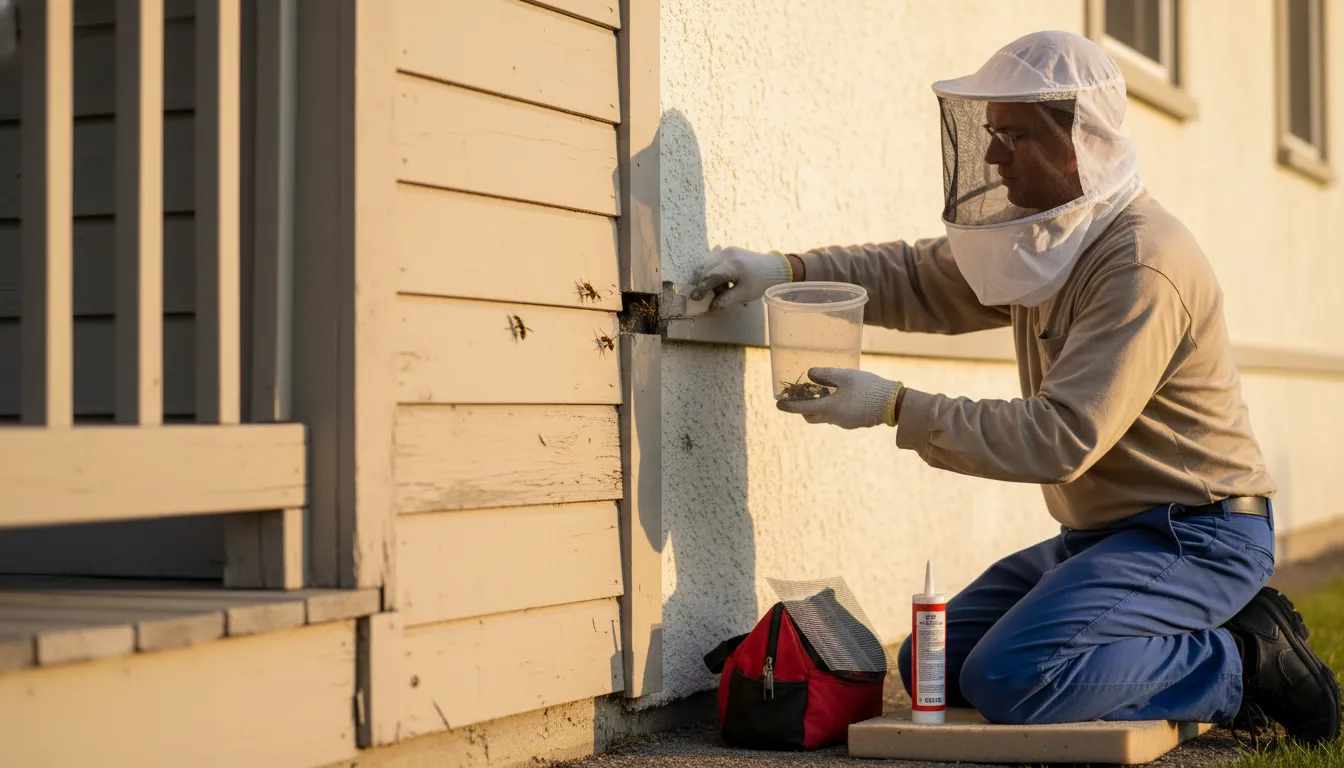
Finding a buzzing nest of stinging insects on your Tampa property can be unsettling. Whether it's a swarm of honey bees in your soffit or a paper wasp nest under your deck, understanding your removal options is key to a safe and effective solution. This guide covers everything you need to know about bee and wasp control in the Tampa Bay area, from identifying common species and their nesting habits to choosing between humane relocation and professional extermination. You can use this information to find and compare local specialists who can assess your specific situation.
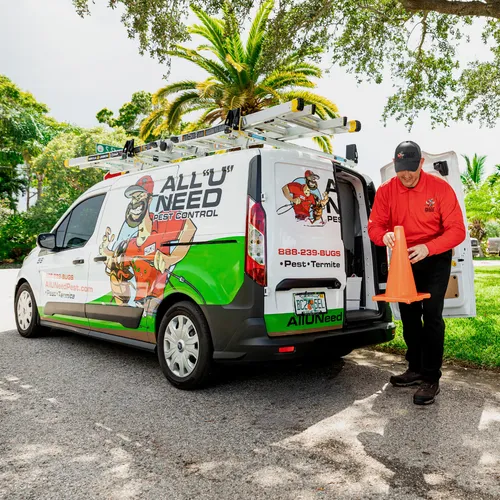
All U Need Pest Control
5908 Land O' Lakes Blvd, Land O' Lakes, FL 34638
All U Need Pest Control has been providing customized, family- and pet-friendly pest control solutions since 2003. Based in Tampa, FL, the company offers services including rodent control, termite inspections, bee and wasp removal, and commercial pest management. They use the Sentricon® System with Always Active™ technology for termite elimination and provide targeted rodent tracking and treatment to protect homes and businesses. Their service area extends across Southwest Florida to Tampa Bay and beyond, including parts of Florida and Texas.
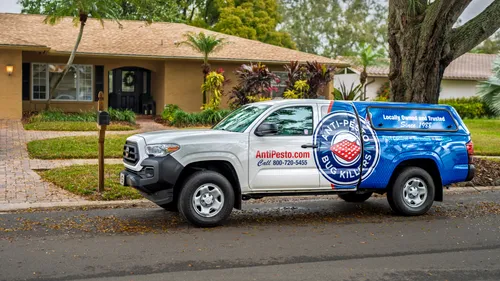
Anti-Pesto Bug Killers Inc
6619 S 78th St Suite 116, Riverview, FL 33578
Anti-Pesto Bug Killers Inc is a family-operated pest control company serving Tampa, FL, and the surrounding Hillsborough County areas including Riverview, Brandon, and Plant City. Established in 1988, they provide comprehensive pest management services targeting over 25 common pests such as ants, cockroaches, rodents, termites, mosquitoes, and wasps. Their termite control includes baiting, liquid treatments, and both tenting and no-tent options for drywood termites. Anti-Pesto also offers ongoing mosquito control and rodent exclusion services with attic cleaning and re-insulation options. They provide same-day service for calls before noon on weekdays.

Phoenix Pest Management and Wildlife Control
705 Live Oak St Ste G, Tarpon Springs, FL 34689
Phoenix Pest Management and Wildlife Control provides pest and wildlife removal services in Tampa, FL. They handle a variety of pests including cockroaches, ants, rodents, bees, and wasps, as well as wildlife such as rats, squirrels, and raccoons. The company also offers restoration services to repair damage caused by animals and protect properties from future invasions. Owner Steve Barker has about 20 years of experience and started the business in 2012, serving the Greater Tampa Bay area with eco-friendly pest control products and permanent exclusion materials.
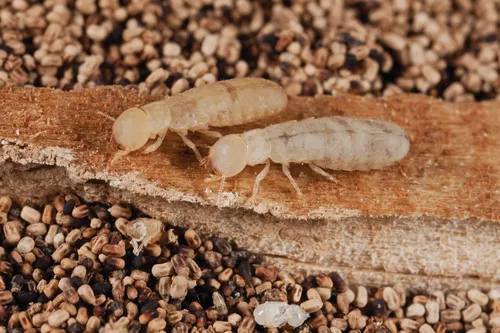
FL Termite & Pest Experts
4964 Tower Rd Unit B, Land O' Lakes, FL 34638
FL Termite & Pest Experts is a family-owned pest control company based in Tampa, FL, offering residential and commercial integrated pest management solutions. With over 30 years of industry experience, they provide services including termite treatment, rodent control, mosquito control, and bed bug extermination through their sister company, FL Bed Bug Experts. They serve Pasco, Hillsborough, and Pinellas counties, specializing in drywood termite tentless fumigation, subterranean termite bait station installation, and rodent-proofing among other pest control methods. The company is QualityPro and GreenPro certified, reflecting their commitment to professional standards and environmentally responsible pest management.
HomeTeam Pest Defense
310 1st St NE, Ruskin, FL 33570
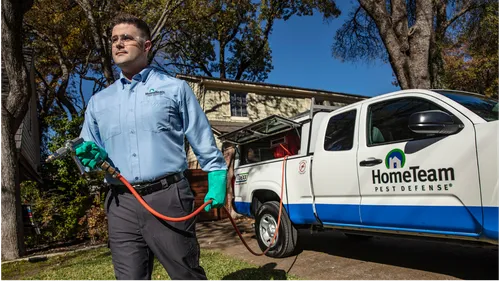
HomeTeam Pest Defense provides pest control services in St Petersburg, FL, specializing in managing ants, roaches, rodents, termites, mosquitoes, bed bugs, and more. Their comprehensive approach includes exterior inspections, cobweb and wasp nest removal, conventional treatments, and the use of the Taexx® pest control system when available. They also offer termite control with soil treatments, baiting systems, and borate wood treatments for new construction. The company serves multiple nearby communities and focuses on protecting homes from a wide range of pests common in Florida's environment. Their technicians are trained and background-checked to ensure dependable service.
Common Stinging Insects in Tampa
Tampa's subtropical climate is ideal for a variety of stinging insects, each with distinct behaviors and nesting preferences. Knowing which insect you're dealing with is the first step toward proper management.
- Honey Bees: Often protected and beneficial pollinators, honey bees typically swarm in spring to establish new colonies. They build wax combs inside cavities like hollow trees, wall voids, or attics. A professional beekeeper should be contacted for live removal and relocation.
- Paper Wasps: Identified by their umbrella-shaped, open-comb nests often found under eaves, porch ceilings, and railings. They are less aggressive than some species but will defend their nest.
- Yellow Jackets: Highly aggressive, especially in late summer and fall. They often build large, enclosed paper nests underground in old rodent burrows or within wall cavities, making them particularly dangerous 1.
- Mud Daubers: Solitary and less aggressive, these wasps build distinctive mud tubes on sheltered walls. While they are excellent spider controllers, their nests can be a nuisance.
- Bald-Faced Hornets: Actually a type of yellow jacket, these insects build large, gray, football-shaped nests high in trees or on structures. They are extremely defensive of their nest.
Where to Look for Nests Around Your Home
Bees and wasps seek sheltered, protected areas to build their nests, and your home offers many ideal spots 2. Regular inspection of these common areas can help you catch an infestation early.
Above Ground and Sheltered Areas:
- Eaves, Awnings, and Overhangs: These provide shelter from rain and are prime real estate for paper wasp nests.
- Attics, Sheds, and Garages: Open windows, vents, or gaps offer access to perfect, undisturbed nesting sites for bees and wasps.
- Behind Shutters or Siding: The narrow gap provides a protected space for building nests.
- Porch Railings, Deck Joists, and Play Sets: Any sheltered wooden structure is attractive.
- Trees and Shrubs: Branches and dense foliage can conceal aerial nests from hornets and some bees.
Within Structures (Often Requiring Professional Intervention):
- Wall Voids: Bees and yellow jackets can enter through tiny cracks near rooflines or siding, building extensive hives inside walls.
- Chimneys and Vents: Uncapped chimneys are a favorite entry point for swarming bees.
- Outdoor Equipment: Grills, electrical boxes, and children's playhouses can harbor nests.
Underground: Yellow jackets frequently take over abandoned rodent burrows or dig nests in loose soil in garden beds, along foundations, or in landscaped areas. These can be hard to spot until you disturb them, triggering a fierce defensive response 3 4.
The Tampa Stinging Insect Season: A Year-Round Concern
Unlike colder states, Florida's warm climate means stinging insects are active almost all year, with behavior shifting by season 5.
- Spring (March-May): This is the primary swarming season for bees as established colonies split to form new ones 6 7. Queen wasps and hornets emerge to start building new nests. Early spring is an ideal time for preventive inspections before colonies grow large.
- Summer (June-August): Colony activity peaks. Nests reach their maximum size, and insects are constantly foraging. The population is high, and defensive behavior increases if the nest is threatened.
- Fall (September-November): This is often the most problematic time for human encounters. Wasps and yellow jackets become more aggressive during their "fall frenzy," as natural food sources dwindle and they are drawn to sugary human foods at outdoor gatherings 8 9. Nests are at their largest and most defensive.
- Winter (December-February): Activity slows but doesn't stop. On warm, mild days, you may still see foraging activity. This is also a good time to have professionals safely remove old, inactive nests to prevent re-colonization in spring.
Professional Removal Methods: Relocation vs. Extermination
When you discover a nest, you generally have two professional pathways: live removal or extermination. The right choice depends on the insect species, nest location, and your preferences.
Live Bee Removal & Relocation This humane and eco-friendly service is performed by registered beekeepers. They safely collect the entire honey bee colony, including the queen, workers, brood, and honeycomb, and relocate them to an apiary. This is often the preferred or legally encouraged method for honey bees, which are vital pollinators 10. It is best for exposed swarms, hives in accessible cavities, or homeowners who prioritize an environmentally conscious solution.
Extermination & Pest Control Licensed pest control professionals handle this method, which is typically necessary for aggressive species like wasps, hornets, and yellow jackets, or for bees in inaccessible locations where relocation is impossible. They use EPA-registered insecticides in the form of sprays, dusts, or foams to eliminate the colony. A key part of their service is often finding and sealing entry points to prevent recurrence.
Find the perfect wasp & hornet removal companies for your needs
Get personalized recommendations and expert advice
Understanding Removal Costs in Tampa
The cost for professional bee and wasp control in Tampa varies significantly based on the species, nest size, location, and accessibility. While DIY options exist, they carry high risks of stings, incomplete removal, and potential property damage. Professional service ensures safety and thoroughness.
- Small, Accessible Nests: A small paper wasp nest under an eave or a visible, small ground nest might cost between $100 and $300 to treat 11.
- Medium or Moderate-Access Nests: For larger nests, those under decks, or in low attic areas, prices commonly range from $300 to $700.
- Large, Difficult, or Hazardous Nests: Removal of a large hive inside a wall void, deep in an attic, or a dangerous yellow jacket nest underground can cost $700 to $1,300 or more 12. These jobs may require cutting into drywall, specialized equipment, and subsequent repair work, which adds to the cost.
Average cost ranges for specific pests in the region include:
- Beehive Removal: $130 - $420
- Wasp Extermination: $250 - $590
- Yellow Jacket Removal: $725+ (due to their aggressive nature and hard-to-access ground nests) 13 14 15
Many reputable Tampa-area companies like Florida Bee Removal and BeeMan Stan Bee Removal offer free or low-cost inspections and quotes, allowing you to understand the scope and cost before committing 16 17 18.
Why Professional Help is Recommended
Attempting to remove a stinging insect nest yourself is dangerous. Disturbing a nest can provoke a mass attack, leading to multiple painful stings and, for those allergic, a life-threatening situation. Professionals have the proper protective gear, identification knowledge, and application equipment to handle the job safely and effectively. They also ensure the colony is fully eliminated or relocated, preventing a recurring problem. For bees inside structures, they can properly remove honeycomb to avoid attracting new swarms or causing secondary damage from melting wax and fermenting honey 19.
Preventing Future Infestations
After removal, take steps to make your property less inviting:
- Seal Entry Points: Caulk cracks in siding, around rooflines, and where utilities enter your home. Install fine mesh screens over vents and chimney caps.
- Manage Attractants: Keep trash cans tightly sealed, clean up fallen fruit, and avoid leaving sugary drinks or food uncovered outdoors.
- Reduce Nesting Sites: Fill in abandoned rodent burrows in your yard. Keep sheds and garages organized and closed.
- Regular Inspections: Periodically check the common nesting spots listed earlier, especially in early spring and summer.
Frequently asked questions
Sources
Footnotes
-
How to Get Rid of Paper & Mud Wasp Nests Above & Underground | Orkin - https://www.orkin.com/pests/stinging-pests/wasps/wasp-nests ↩
-
Signs of a Wasp Nest Near Your Home in Central Florida - https://www.rowlandpest.com/blog/signs-of-wasp-nest-near-house/ ↩
-
Where Do Wasps Build Nests? - ProHealth Pest Control - https://www.prohealthpestcontrol.com/where-do-wasps-build-nest/ ↩
-
High Legh Wasp Nest Removal £59.50 - https://youngspestcontrol.co.uk/areas-we-cover/cheshire/high-legh/wasp-nest-removal/ ↩
-
Florida Wasps & Yellowjackets: Home Prevention - https://www.flapest.com/florida-wasps-and-yellowjackets-home-prevention/ ↩
-
Florida Bee Season: Swarm Time & Monthly Activity Guide - https://www.ecobeeremoval.com/blog/florida-bee-season-swarm-activity-guide ↩
-
Florida Bee Swarm Season | Timing & Prevention Tips - https://www.ecobeeremoval.com/blog/when-do-bees-swarm-in-florida ↩
-
How Weather and Seasons Affect Stinging Insect Activity - https://www.askawayblog.com/2025/10/how-weather-and-seasons-affect-stinging.html ↩
-
Why Bees, Wasps, and Hornets Are So Active in August and ... - https://www.actionpestcontrol.com/2024/08/21/why-bees-wasps-and-hornets-are-so-active-in-august-and-september/ ↩
-
Honey Bee Removal or Eradication in Florida - https://www.fdacs.gov/Consumer-Resources/Consumer-Rights-and-Responsibilities/Pest-Control/Honey-Bee-Removal-or-Eradication-in-Florida ↩
-
Bee and Wasp Removal: Top 2025 Effective Solutions - https://bigginsexterminating.com/bee-and-wasp-removal/ ↩
-
How Much Does Pest Control Cost in Tampa, FL? - Angie's List - https://www.angi.com/articles/how-much-does-pest-control-service-cost/fl/tampa ↩
-
How Much Does Wasp Nest Removal Cost in 2026? - https://lawnlove.com/blog/wasp-nest-removal-cost/ ↩
-
How Much Does Wasp Nest Removal Cost? [2026 Data] - Angie's List - https://www.angi.com/articles/how-much-does-wasp-removal-cost.htm ↩
-
Bees/Wasps/Yellow Jackets - Tampa Pest Control Services - https://emergencypestpatrol.com/services-prices/beewasp/ ↩
-
BeeMan Stan Bee Removal - https://www.google.com/viewer/place?mid=/g/11c2pt0zbc ↩
-
Florida Bee Removal, Inc - https://www.google.com/viewer/place?mid=/g/11nwv7nsy6 ↩
-
Orlando's Trusted Bee Removal Professionals | Bee Serious LLC - https://beeseriousfl.com/bee-removal/ ↩
-
Bee Removal | Tampa Bay, FL - https://www.friendlypestsolutions.com/wasps-hornets-bees ↩