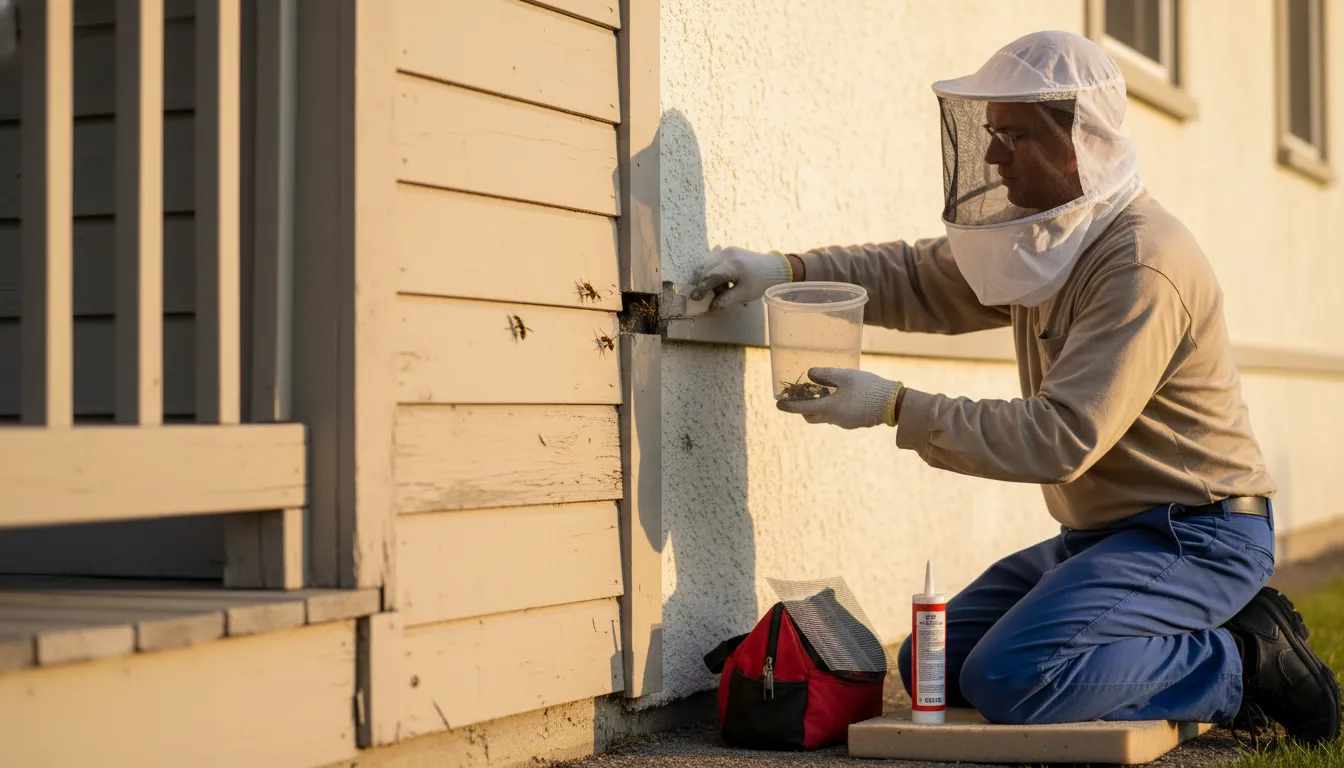
Find the Best Wasp & Hornet Removal Companies for Your Business
No obligation • Fast responses • Nationwide coverage

Why you can trust Pest Crews
Pest Crews is a leading U.S. resource for finding and evaluating residential and commercial pest control services. Our team researches providers, reviews treatment approaches, and organizes unbiased information to help you make informed decisions. Companies cannot pay to change our editorial content or influence how they appear.
Search providers near you
Top Wasp & Hornet Removal Companies in Lakeland, Florida Ranked
A bee or wasp infestation on your property is more than a nuisance; it's a potential safety hazard for your family, pets, and visitors. Professional bee and wasp removal in Lakeland involves safely addressing these stinging insects, with a crucial distinction: honey bees are often candidates for live relocation due to their ecological role, while aggressive wasps and hornets are typically exterminated. This guide will help you understand the process, recognize signs of an infestation, and connect with local experts who can assess your situation and provide a safe, effective solution.
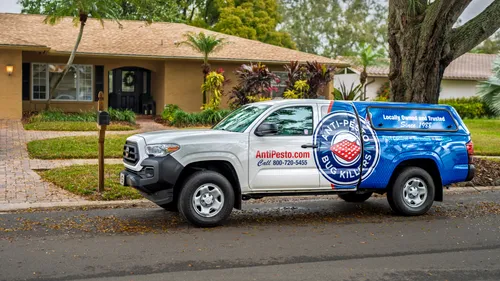
Anti-Pesto Bug Killers Inc
6619 S 78th St Suite 116, Riverview, FL 33578
Anti-Pesto Bug Killers Inc is a family-operated pest control company serving Tampa, FL, and the surrounding Hillsborough County areas including Riverview, Brandon, and Plant City. Established in 1988, they provide comprehensive pest management services targeting over 25 common pests such as ants, cockroaches, rodents, termites, mosquitoes, and wasps. Their termite control includes baiting, liquid treatments, and both tenting and no-tent options for drywood termites. Anti-Pesto also offers ongoing mosquito control and rodent exclusion services with attic cleaning and re-insulation options. They provide same-day service for calls before noon on weekdays.
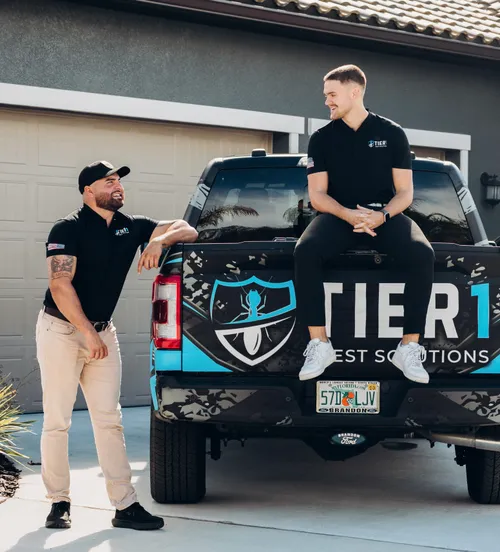
Tier 1 Pest Solutions
3902 Corporex Park Dr Suite 450, Tampa, FL 33619
Tier 1 Pest Solutions is a pest control company based in Tampa, FL, providing residential and commercial services. They offer comprehensive pest management including ant, rodent, termite, mosquito, and bee/wasp control, treating both interiors and exteriors. Their certified technicians use eco-friendly and family-safe products to deliver tailored solutions that address specific pest issues effectively. With over three years of experience and more than 10,000 pest problems resolved, Tier 1 Pest Solutions emphasizes safe, thorough, and reliable pest prevention and elimination methods.

Cross Pest Control of Tampa
10784 Florence Ave, Thonotosassa, FL 33592
Cross Pest Control of Tampa is a family-owned and operated pest control company serving Tampa, FL, with over 58 years of experience. They offer a wide range of pest management services including bed bug treatment, cockroach and ant control, rodent control, termite inspections, mosquito control, and bee and wasp removal. Their expertise extends to both residential and commercial properties, providing personalized and eco-friendly solutions tailored to Tampa's unique climate. With deep community roots, they focus on protecting homes and businesses from various pests without requiring contracts.
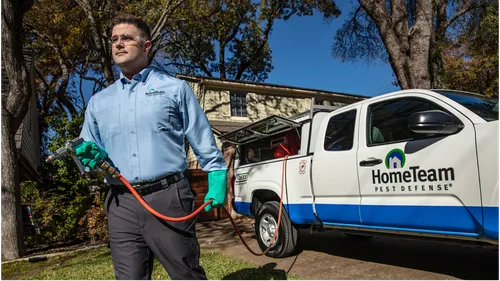
HomeTeam Pest Defense
2720 S Falkenburg Rd, Riverview, FL 33578
HomeTeam Pest Defense is a pest control company serving Tampa, FL, and nearby areas including Riverview, South Brandon, and Bloomingdale. They offer comprehensive pest management for ants, roaches, rodents, termites, bees, wasps, and other common pests. Their services include inspections, perimeter treatments, and specialized termite control options such as soil treatments, baiting systems, and borate wood treatments. The company also supports homes with the Taexx built-in pest control system, allowing treatments without requiring homeowner presence after the initial service. HomeTeam Pest Defense emphasizes effective, convenient pest prevention and problem-solving tailored to Florida's pest challenges.

Terminix Commercial
4312 N 56th St, Tampa, FL 33610
Terminix Commercial provides comprehensive pest control services in Tampa, FL, addressing common local pests such as termites, bed bugs, rodents, mosquitoes, and bees. The company offers customized pest management plans including regular inspections and treatments designed to protect both residential and commercial properties. One notable capability is their termite control system, which includes annual inspections and a protection guarantee covering termite damage. Terminix Commercial is supported by a nationwide network and staffed by local technicians familiar with Tampa's pest challenges. They also offer 24-hour service availability to meet urgent pest control needs. The company serves a wide range of communities throughout the Tampa area and surrounding cities.
Understanding the Stinging Insects in Your Yard
Florida's warm climate supports a wide variety of stinging insects, each with unique behaviors and nesting preferences. Knowing what you're dealing with is the first step toward a proper resolution.
Honey Bees: These vital pollinators are generally not aggressive unless their hive is threatened. A large, buzzing swarm clustered on a tree branch is often a temporary resting spot as they search for a new permanent home. Established colonies, however, build intricate wax combs inside structural voids. Professional bee removal specialists in Lakeland prioritize live bee extraction and honey bee relocation to local apiaries whenever possible, preserving the colony 1.
Wasps, Yellow Jackets, and Hornets: This group is notably more aggressive. They can sting multiple times and often defend their nests fiercely. Unlike honey bees, they do not produce honey and are not protected. Wasp extermination is the standard approach for these pests. Common species in Central Florida include paper wasps (with open-comb, umbrella-shaped nests), yellow jackets (often nesting in the ground), and baldfaced hornets (building large, enclosed paper nests in trees) 2.
Where to Look for Nests and Hives
Bees and wasps seek sheltered, quiet, and protected spots to build their homes. In the residential landscape of Lakeland, common nesting sites include 3 4 5:
- Structural Voids: Inside walls, attics, chimneys, soffits, eaves, and behind siding or rooflines are prime real estate. You may hear buzzing within walls or see a consistent stream of insects entering a tiny crack.
- Outdoor Structures: Check under porch ceilings, decks, sheds, garages, and behind shutters or light fixtures.
- In the Ground: Yellow jackets frequently repurpose old rodent burrows or dig holes in garden beds and lawns. Bumblebees may also nest in thick grass or compost piles.
- Trees and Shrubbery: Hollow trees are a natural favorite for honeybee colonies. Hornets and paper wasps attach their nests to tree branches, dense foliage, or the undersides of roof overhangs.
Regularly inspecting these areas, especially in spring when queens are founding new colonies, can help you catch a problem early 6.
The Professional Removal Process: What to Expect
Engaging a licensed pest control operator ensures the job is done safely and thoroughly. The process typically follows these steps:
- Inspection and Assessment: A technician will identify the insect species, locate the nest or hive, and assess the size and accessibility of the infestation. This step determines whether live removal or extermination is appropriate.
- Treatment Plan:
- For Honey Bees: Specialists may use specialized vacuums and tools to carefully extract the bees and comb from a wall cavity or attic. The colony is then transferred to a bee box for transport to a beekeeper 7.
- For Wasps and Hornets: Licensed professionals apply targeted insecticides, often in the evening when the colony is most dormant, to eradicate the nest.
- Removal and Cleanup: The nest or hive structure is physically removed. For honey bee hives, this is critical because leftover honey and wax can attract other pests, cause stains, and promote mold if left inside a wall.
- Exclusion and Repair: The final, crucial step is sealing the original entry point and any other potential access areas to prevent a recurrence. For interior hives, this may involve minor carpentry repairs to close openings in siding, roof lines, or soffits 8.
Find the perfect wasp & hornet removal companies for your needs
Get personalized recommendations and expert advice
Seasonal Activity in Central Florida
While stinging insect activity is a year-round concern in Florida, it peaks with the weather 9 10.
- Spring (March-May): Queen wasps emerge from overwintering to start building new, small nests. Honey bee colonies often swarm during this period as they split to form new colonies, leading to those noticeable clusters on tree branches or fences.
- Summer (June-August): This is peak activity. Nests and hives grow rapidly, with populations reaching their maximum size. Foraging activity is constant, and infestations become most apparent.
- Fall & Winter (September-February): Activity may slow, but Florida's mild winters mean established nests can remain active longer than in northern states. Wasp colonies eventually die off except for fertilized queens, but honey bee hives will remain active on warm days.
Understanding the Costs of Removal
The cost for stinging insect control in Lakeland varies significantly based on the job's complexity 11 12.
- Basic Swarm Removal: An accessible, exposed swarm that has not yet built a hive can sometimes be removed by a local beekeeper for little to no cost, or may range from $75 to $200 for professional service.
- Standard Nest/Hive Removal: The most common residential job for a ground nest or an easily accessible aerial nest typically falls between $150 and $500.
- Complex Infestation Removal: Removing an established hive from inside a wall, attic, or chimney is labor-intensive. It requires cutting into the structure, careful extraction, and subsequent repairs. These jobs can range from $500 to over $2,000.
- Wasp Extermination: A one-time treatment for a wasp, hornet, or yellow jacket nest generally costs between $300 and $700.
Always request a free, on-site inspection and a detailed written estimate that outlines the treatment method, cleanup, and any necessary repairs 13 14.
Why DIY Removal is Not Advised
Attempting to handle a bee or wasp problem yourself is highly risky. Disturbing a nest can trigger a mass attack, especially from yellow jackets or hornets. Without proper protective gear and equipment, you risk multiple painful stings and a severe allergic reaction. Furthermore, improper pesticide application can scatter a colony, making the problem worse, and failing to fully remove attractants like honeycomb can lead to secondary pest issues. Professional wasp nest removal and bee hive extraction ensure the problem is resolved safely and completely.
Choosing a Service Provider in Lakeland
When selecting a company for bee and wasp control, look for:
- Proper Licensing: Ensure they are licensed by the Florida Department of Agriculture and Consumer Services (FDACS).
- Insurance: Verify they carry liability insurance.
- Experience with Relocation: If you suspect honey bees, ask specifically about their live bee removal and relocation practices and partnerships with local beekeepers.
- Detailed Plan: They should provide a clear explanation of their process, including cleanup and exclusion work.
- Warranty: Ask if they offer any guarantee on their work to prevent a quick recurrence.
Frequently asked questions
Sources
Footnotes
-
Lakeland - Florida Bee Removal - https://floridabeeremoval.com/service-areas/lakeland/ ↩
-
Types Of Wasps In Greater Jacksonville & NE Florida - https://www.lindseypest.com/pest-guide/item/wasps ↩
-
Signs of a Wasp Nest Near Your Home in Central Florida - https://www.rowlandpest.com/blog/signs-of-wasp-nest-near-house/ ↩
-
Bee and Wasp Nest Removal in Central FL - Heron Home & Outdoor - https://www.myheronhome.com/pest/bees-wasps-exterminators/nest-removal/ ↩
-
14 common places you will find beehives - https://budgetbrotherstermite.com/14-common-places-you-will-find-beehives/ ↩
-
How to Identify a Hidden Wasps' Nest - Florida Pest Control - https://www.flapest.com/finding-a-wasp-nest/ ↩
-
Blogging Archives - Danijela Martinovic Bee Removal Near Me - https://www.danijelamartinovic.com/category/blogging/ ↩
-
Wasp Removal - Lakeland, FL | Father & Son Pest Control - https://www.bloomcypress.com/wasp-removal ↩
-
Bee Removal, Lakeland, FL - https://beemanstanfl.com/bee-removal-lakeland/ ↩
-
Complete Guide to Wasps in Maryland: Types, Nests & Control - https://bettertermite.com/wasps-in-maryland/ ↩
-
How Much Does Bee Removal Cost in 2025? - HomeAdvisor - https://www.homeadvisor.com/cost/environmental-safety/bee-removal/ ↩
-
How Much Does Bee Removal Cost? (2026) - HomeGuide - https://homeguide.com/costs/bee-removal-cost ↩
-
Bee Removal Lakeland, FL - Centurian Wildlife Control - http://www.centurianwildlife.com/lakeland-bee-removal.html ↩
-
How Much Does Pest Control Cost in Lakeland, Florida? - https://www.rowlandpest.com/blog/how-much-does-pest-control-cost-in-lakeland-florida/ ↩