Find the Best Wasp & Hornet Removal Companies for Your Business
No obligation • Fast responses • Nationwide coverage

Why you can trust Pest Crews
Pest Crews is a leading U.S. resource for finding and evaluating residential and commercial pest control services. Our team researches providers, reviews treatment approaches, and organizes unbiased information to help you make informed decisions. Companies cannot pay to change our editorial content or influence how they appear.
Search providers near you
Top Wasp & Hornet Removal Companies in St Cloud, Florida Ranked
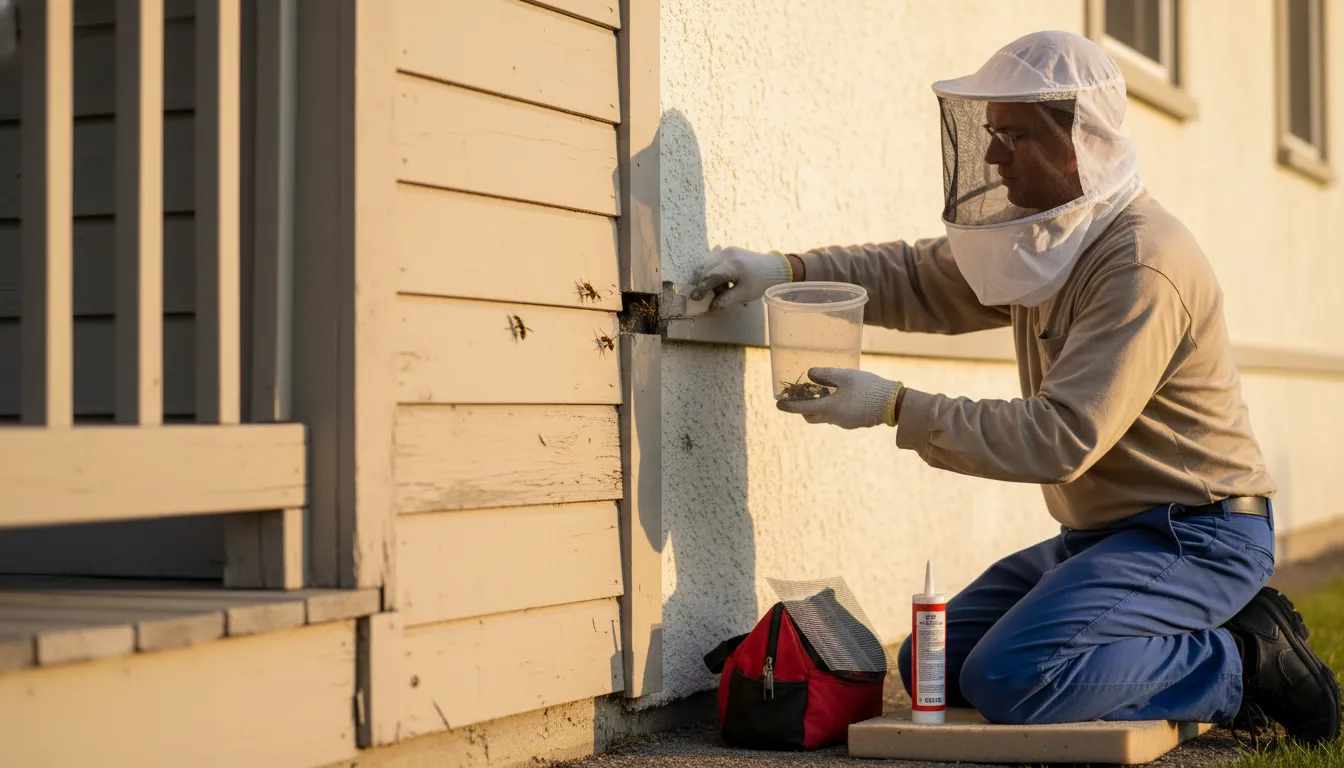
Encountering a buzzing nest on your property can be unsettling and potentially dangerous. Professional bee and wasp removal is a specialized service that safely resolves these stinging insect problems, protecting your family, pets, and property. In Florida, specific state laws and seasonal activity make expert intervention particularly important. This guide explains the process, regulations, and what to expect when you need to find a qualified local specialist to handle these pests.
Panther Pest Control
865 Balch Ave Suite B, Winter Park, FL 32789
Panther Pest Control is a locally owned pest control company based in Winter Park, serving Orlando, FL, and the Central Florida region. They offer comprehensive pest management services for homes and businesses, addressing issues with bed bugs, cockroaches, ants, rodents, mosquitoes, bees, wasps, and other common pests. Panther Pest Control provides integrated pest solutions tailored to the needs of their clients, focusing on creating safe and comfortable environments. With over 270 satisfied customers, they have established a presence in the area as a reliable pest control provider.
Ehrlich Pest Control
965 Sunshine Ln, Altamonte Springs, FL 32714
Ehrlich Pest Control offers residential and commercial pest control services in Orlando, FL. Their certified technicians handle a wide range of pests including bed bugs, cockroaches, ants, rodents, mosquitoes, bees, and wasps. They provide eco-friendly and sustainable treatments designed to protect homes and businesses while complying with local regulations. Ehrlich Pest Control emphasizes year-round protection with their PestFree365+ service, which covers 39 common pests and includes regularly scheduled visits and unlimited service calls at no extra charge.
Mr Roland Pest Control, LLC
1830 Island Walk Dr, Orlando, FL 32824
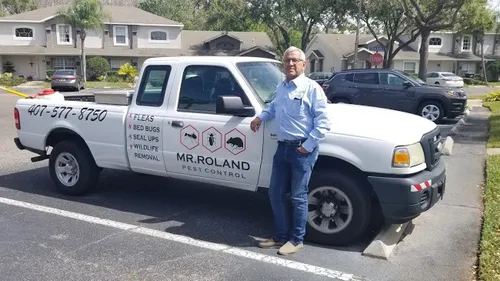
Mr Roland Pest Control, LLC is a family-owned pest control company based in Orlando, FL, serving residential and commercial properties in the area and surrounding Central Florida. With over six years of experience, they provide licensed and certified pest control services including rodent removal, bed bug treatment, mosquito reduction, termite services, and wildlife relocation. Their approach includes not only extermination but also decontamination of affected areas to ensure thorough pest management.
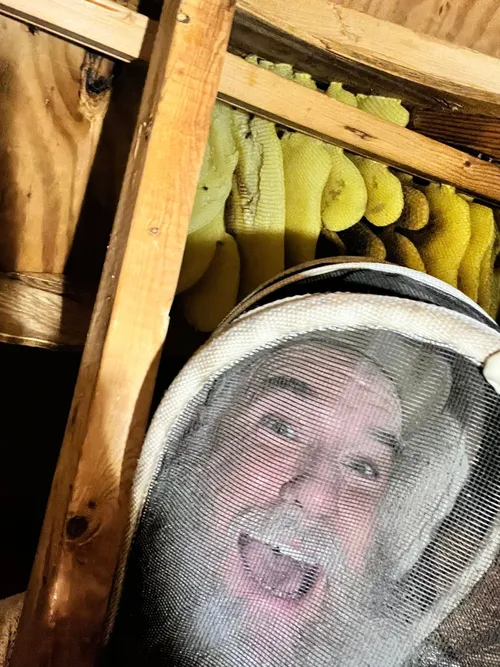
The Other Bee Guy Bee Removal & Apiary
1203 Berwyn Rd, Orlando, FL 32806
The Other Bee Guy Bee Removal & Apiary is a bee removal and relocation service based in Orlando, FL. Owner James Caperton offers humane bee removal, focusing on rehoming bees rather than extermination. Serving the greater Orlando area, the business specializes in safe bee relocation to support local ecosystems. With over 25 years of experience in counseling and beekeeping, James combines his expertise to provide thoughtful and transparent service. The company is fully licensed, insured, and registered with the Florida Department of Agriculture, ensuring professional and environmentally responsible bee removal.
Rowland Pest Management, Inc.
2609 Wells Ave, Casselberry, FL 32730
Rowland Pest Management, Inc. is a family-owned pest control company serving Orlando, FL, and surrounding Central Florida communities. They provide pest control services for homes and small businesses, including treatment for ants, cockroaches, bed bugs, rodents, termites, mosquitoes, and wasps. Their approach includes thorough pest inspections and eco-friendly, pet- and family-safe products. The company offers same-day and Saturday appointments to address infestations quickly. Since 2015, Rowland Pest Management has specialized in targeted termite treatments with ongoing monitoring and monthly mosquito control to reduce disease-carrying insects.
Understanding Florida's Stinging Insects
Florida is home to a diverse array of stinging insects, each requiring a different approach. Correctly identifying the species is the first step toward a safe and effective solution.
- Honey Bees: These vital pollinators are typically non-aggressive unless their hive is threatened. They are recognizable by their golden-brown and black striped, fuzzy bodies. Florida has specific regulations protecting honey bees, often requiring live removal by a registered beekeeper.
- Bumble Bees: Larger and furrier than honey bees, bumble bees are also important pollinators. They often nest in the ground or in abandoned rodent burrows and are generally docile.
- Paper Wasps: Identified by their long legs and narrow waists, paper wasps build distinctive, open-celled, umbrella-shaped nests often under eaves, deck railings, or in shrubs. They can be defensive of their nest.
- Yellow Jackets: These aggressive wasps have bright yellow and black markings and can nest in the ground, in wall voids, or in aerial locations. They are attracted to human food and can sting repeatedly.
- Hornets: Including the non-native European hornet and the more common bald-faced hornet, these insects build large, enclosed paper nests, often in trees or on structures. They are highly protective of their colony.
Florida's Laws and Best Practices for Removal
Florida has clear guidelines, especially concerning its important honey bee population. Understanding these rules helps ensure the job is done legally and ethically.
- Honey Bee Protection: The Florida Department of Agriculture and Consumer Services (FDACS) strongly encourages the live removal and relocation of honey bee colonies. It is generally illegal to exterminate honey bees without a permit, though licensed Pest Control Operators (PCOs) are permitted to eradicate them if they pose an immediate safety threat 1.
- Role of Registered Beekeepers: For live honey bee removal, the handler must be registered with FDACS. These professionals safely remove the bees, comb, and honey to relocate the entire colony to an apiary, preserving the pollinators.
- Treatment of Wasps and Other Bees: There are no specific state laws requiring the preservation of wasps, hornets, or other bee species like carpenter bees. Licensed PCOs can exterminate these pests, though some may offer relocation for certain species when feasible.
The Professional Removal Process
A qualified professional follows a systematic approach to ensure the problem is completely resolved.
- Inspection and Identification: The specialist will first conduct a thorough inspection to locate all nests, identify the species involved, and assess the size and accessibility of the colony. This determines the safest and most effective treatment method 2.
- Customized Quote and Plan: Based on the inspection, you will receive a detailed quote. The plan will specify whether live relocation or extermination is recommended, the methods to be used, and any necessary repairs or exclusion work.
- Removal or Treatment:
- Live Bee Relocation: A registered beekeeper will use specialized equipment like vacuums and bee boxes to carefully collect the colony and comb for transport to a new hive 3.
- Extermination: For wasps, hornets, or bees in unsafe locations, a PCO will apply targeted insecticides, often at night when the colony is less active. They will then physically remove the nest to prevent future issues 4.
- Clean-up and Bee-Proofing: After removal, the area should be cleaned of honeycomb and pheromones to avoid attracting new swarms. The final, critical step is "bee-proofing" or exclusion-sealing entry points in walls, eaves, and rooflines to prevent future colonies from establishing 5 6.
Find the perfect wasp & hornet removal companies for your needs
Get personalized recommendations and expert advice
Seasonal Activity in Florida
Florida's warm climate means stinging insects are active year-round, but there are distinct peaks.
- Peak Season (March - August): This is the primary swarm season and the time of highest activity for nest building 7. You are more likely to encounter scout bees looking for new homes in spring, and established colonies grow rapidly through the summer, leading to a higher volume of removal calls.
- Fall and Winter: While activity slows, established hives, especially those within structures, remain active. Wasps and hornets can also become more aggressive in the fall as food sources diminish.
What Influences the Cost of Removal?
The price for professional bee and wasp control in Florida varies based on several key factors. Obtaining multiple quotes is recommended.
- Type of Insect: Live honey bee relocation typically involves more specialized labor and equipment than wasp extermination.
- Nest Size and Location: A small, easily accessible paper wasp nest under a eave will cost less than a large honey bee colony deep inside a wall or chimney. Aerial nests are often simpler to address than ground nests or those within structural voids.
- Removal Method: Relocation services may have different pricing structures than extermination services.
- Accessibility and Repairs: If the specialist needs to remove siding, soffits, or other building materials to access the nest, this will add to the cost. The necessary bee-proofing work will also be factored in.
As a general guide, live honey bee relocation for an established colony can range from approximately $200 to $500 or more 8 9. Wasp and hornet extermination costs vary widely but usually include an inspection fee plus the removal service, and some companies offer warranties for their work 10 11.
Risks of DIY Removal
Attempting to handle a stinging insect infestation without training and proper protective equipment is risky.
- Multiple Stings and Allergic Reactions: Disturbing a nest can trigger a mass attack. For individuals allergic to venom, a single sting can cause a life-threatening anaphylactic reaction.
- Incomplete Removal: DIY sprays often kill only the visible, foraging insects, leaving the queen and brood alive to rebuild the colony. Improper handling can also scatter a bee colony, making the problem worse.
- Property Damage: Attempting to open a wall to reach a hive can cause significant structural damage. For honey bees, leaving honey and comb inside a wall will lead to melting honey, stains, and attract other pests like ants and rodents.
- Legal Issues: Improper use of pesticides or the illegal extermination of protected honey bees can result in fines.
Choosing the Right Service Provider
Selecting a qualified professional is crucial for a safe, effective, and legal resolution.
- Verify Licenses and Registrations: For honey bees, ensure the provider is a beekeeper registered with FDACS 12. For all other stinging insect removal, the company should hold a valid Florida Pest Control Operator license.
- Ask About Methods and Guarantees: Inquire whether they offer live relocation for bees and what their extermination process entails. Ask if their service includes a warranty or follow-up visit.
- Request a Detailed Inspection and Quote: A reputable professional will always inspect the property before providing a written quote that outlines the specific work to be done.
- Check for Insurance: Ensure the company carries liability insurance to protect you and your property in case of accidental damage during the removal process.
Frequently asked questions
Sources
Footnotes
-
Nesting Bees and What You Should Do - Gardening Solutions - https://gardeningsolutions.ifas.ufl.edu/design/gardening-with-wildlife/nesting-bees/ ↩
-
Wasp & Bee Removal | Orlando | ABC Home & Commercial - https://www.abchomeandcommercial.com/orlando/pest-control/bee-removal ↩
-
Best Management Practices for Live Bee Removals in Florida - http://www.floridafarmbureau.org/wp-content/uploads/2019/06/Best-Management-Practices-for-Live-Bee-Removals.pdf ↩
-
Bees & Wasps - Pest Cemetery - https://tampapestcemetery.com/residential/bees-wasps.html ↩
-
Honey Bee Removal or Eradication in Florida - https://www.fdacs.gov/Consumer-Resources/Health-and-Safety/Honey-Bee-Removal-or-Eradication-in-Florida ↩
-
Lakeland - Florida Bee Removal - https://floridabeeremoval.com/service-areas/lakeland/ ↩
-
Florida Bee Season: Swarm Time & Monthly Activity Guide - https://www.ecobeeremoval.com/blog/florida-bee-season-swarm-activity-guide ↩
-
What Do Bee Keepers Charge for Bee Removal in 2025? - Pest Extinct - https://pestextinct.com/what-do-bee-keepers-charge-for-bee-removal-in-2025/ ↩
-
How Much Does Bee Removal Cost? | Bee Serious Florida ... - https://beeseriousfl.com/faqs/ ↩
-
Bee, Wasp & Hornet Removal Service | Florida Pest Control - https://www.flapest.com/bees-wasps-exterminators/ ↩
-
Stinging Insect Control & Removal Services for Wasps & Hornets - https://www.terminix.com/stinging-pest-control/ ↩
-
Honey Bee Removal or Eradication in Florida - https://www.fdacs.gov/Consumer-Resources/Consumer-Rights-and-Responsibilities/Pest-Control/Honey-Bee-Removal-or-Eradication-in-Florida ↩