Find the Best Wasp & Hornet Removal Companies for Your Business
No obligation • Fast responses • Nationwide coverage

Why you can trust Pest Crews
Pest Crews is a leading U.S. resource for finding and evaluating residential and commercial pest control services. Our team researches providers, reviews treatment approaches, and organizes unbiased information to help you make informed decisions. Companies cannot pay to change our editorial content or influence how they appear.
Search providers near you
Best Wasp & Hornet Removal Companies in Texas Ranked
A bee or wasp nest on your Texas property can quickly turn a peaceful backyard into a hazardous zone. Professional bee and wasp removal is a specialized service that safely addresses these stinging insects, protecting your family, pets, and property. This is especially critical in Texas, where aggressive species like Africanized honey bees are common and structural infestations require expert handling. The following guide will help you understand the process, know when to call a professional, and find qualified local specialists to resolve your stinging insect problem safely and effectively.

X Out Pest Services
8611 Honiley St, San Antonio, TX 78254
X Out Pest Services is a pest control company serving San Antonio, TX, specializing in the elimination and prevention of a wide range of pests including bed bugs, cockroaches, ants, rodents, termites, mosquitoes, bees, wasps, and wildlife. They offer customized treatments that target nesting and feeding areas both inside and outside the home, maintaining an exterior pest barrier to provide year-round protection. Established in 2006, the company combines experienced technicians with advanced pest control technology to deliver effective pest management solutions. Their services include termite inspections and mosquito control, with a focus on safety for children, pets, and the environment.
ClearDefense Pest Control
8906 Wall St Suite 407, Austin, TX 78754
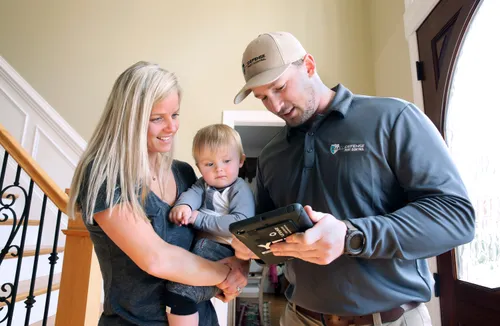
ClearDefense Pest Control provides environmentally responsible pest control services in Austin, TX. They specialize in managing cockroaches, ants, rodents, bees, wasps, and other pests using targeted treatments based on pest behavior and lifecycle. Their micro-crystallized formula offers ongoing effectiveness with less frequent applications, reducing exposure to people and pets. ClearDefense maintains pest barriers around homes year-round to address seasonal pest activity and includes services like web and nest removal as part of their approach. They serve multiple communities around Austin and operate daily with extended hours.

Integrity Pest and Termite
9929 Montana Ave, El Paso, TX 79925
Integrity Pest and Termite is a licensed pest control company serving El Paso, TX, and surrounding areas including Alamogordo and Las Cruces, NM. They provide pest control services for residential and commercial properties, addressing issues like bed bugs, cockroaches, ants, rodents, termites, mosquitoes, bees, and wasps. The company offers personalized treatments using bait, liquid, and granular products tailored to each infestation. Integrity Pest and Termite is available 24/7 for emergency services and aims to maintain pest-free environments with ongoing maintenance plans.
Redstone Pest Control
300 W Princeton Dr Ste 4-378, Princeton, TX 75407
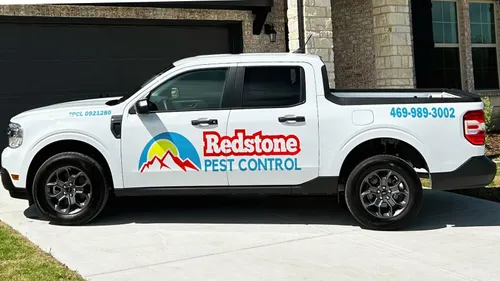
Redstone Pest Control is a family-owned pest control company serving Garland, TX. They offer comprehensive pest management services including cockroach, ant, rodent, termite, bee, and wasp control. Their approach includes thorough inspections, identifying nesting areas, and customized treatment plans that focus on both chemical and non-chemical methods. Redstone Pest Control emphasizes perimeter sprays, yard treatments, and granule applications to create effective barriers against pests. They provide regular maintenance treatments and a satisfaction guarantee to ensure ongoing pest protection. The company serves Garland and surrounding areas with a commitment to treating each home as their own.
Mr. Bee Removal
Arlington, TX
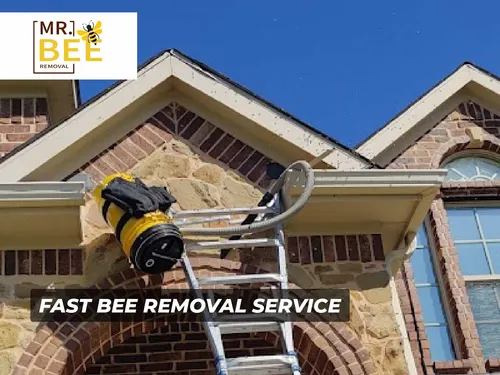
Mr. Bee Removal is a pest control company based in Arlington, TX, specializing in bee and wasp removal. They focus on safe and eco-friendly bee control methods, avoiding harmful chemicals to protect both the environment and your family. Their services include removing bees, nests, and honeycombs, as well as sealing affected areas to prevent future infestations. Mr. Bee Removal uses the latest techniques and equipment to ensure effective and humane removal while providing advice on preventing future bee problems.
Understanding Texas's Stinging Insect Challenge
Texas's warm climate and diverse ecosystems provide an ideal habitat for a wide variety of bees and wasps. From the beneficial honey bee to aggressive hornets and yellowjackets, each species presents unique challenges for homeowners. The key to effective management is accurate identification and understanding the legal and safety protocols specific to the Lone Star State.
Honey bees are crucial pollinators, and their preservation is a priority. However, when they establish a colony inside a wall, attic, or chimney, they can cause significant structural damage from honey and wax, and pose a stinging risk. In contrast, wasps and hornets, such as paper wasps, yellowjackets, and bald-faced hornets, are primarily predatory and can be highly defensive of their nests, often requiring a different removal approach 1.
The Critical Importance of Professional Removal
Attempting to handle a bee or wasp infestation without proper training and equipment is dangerous. Professionals are trained to identify species, assess risks, and apply the most effective and appropriate treatment method.
- Safety First: Professionals wear specialized protective gear to prevent painful and potentially life-threatening stings, especially important when dealing with Africanized honey bee colonies 2.
- Proper Identification: Misidentifying a swarm can lead to the unnecessary extermination of vital pollinators or the dangerous underestimation of an aggressive wasp nest.
- Complete Eradication & Prevention: Experts don't just eliminate the visible insects; they locate and remove the entire nest, treat the area to prevent return, and identify entry points to seal for long-term prevention.
- Legal Compliance: In Texas, performing structural removals often requires specific licensing from the Texas Department of Agriculture, ensuring the work is done to code and safely.
Bee Removal vs. Wasp Extermination: Knowing the Difference
The strategy for dealing with these insects differs significantly based on their biology and ecological role.
Live Bee Removal and Relocation
For honey bee colonies, live removal is the preferred and often most complex method. This process involves a trained beekeeper or specialist carefully extracting the bees, queen, brood (young), and wax comb from within a structure like a wall void. The colony is then relocated to an apiary where it can continue its pollinating work. This method is encouraged for honey bees due to their environmental importance and is particularly necessary to safely handle potentially Africanized colonies. The complexity of removing comb and residual honey (which can attract other pests and cause damage) makes this a job for experienced professionals.
Wasp and Hornet Extermination
For wasps, hornets, and yellowjackets, extermination is the standard procedure. These insects do not produce harvestable honey and are often more aggressively defensive. A pest control professional will apply targeted insecticides to eliminate the colony and then physically remove the nest. This is typically a more straightforward process than live bee removal, but still requires caution due to the risk of swarming attacks.
When is DIY an Option?
DIY intervention is only recommended for very small, early-season paper wasp nests (about the size of a golf ball) that are in an open, easily accessible location, like under a porch eave. This should only be attempted at night when the insects are dormant, while wearing full protective clothing. For any nest inside a structure, in the ground, or larger than a fist, professional help is essential. If you are unsure, it is always safer to consult a pro.
Find the perfect wasp & hornet removal companies for your needs
Get personalized recommendations and expert advice
Seasonal Activity in Texas
Understanding the seasonal behavior of bees and wasps can help with early detection and more manageable solutions.
- Spring to Early Summer: This is the peak season for new colony establishment. Queens emerge to start new nests. This is the ideal time for inspection and early intervention when nests are small and populations are low.
- Late Summer to Fall: Colonies reach their maximum size and population. Food sources may become scarce, making insects more aggressive. This is when most nuisance issues and dangerous encounters occur, and removals can be more complex due to the size of the colony 3.
What to Expect: The Professional Removal Process
A reputable service will follow a comprehensive process to ensure the problem is fully resolved.
- Inspection and Identification: The technician will perform a thorough inspection to locate all nesting sites, identify the species involved, and assess the extent of the infestation 4.
- Treatment Plan Proposal: Based on the inspection, they will recommend a course of action-live relocation for bees or extermination for wasps-and provide a detailed quote.
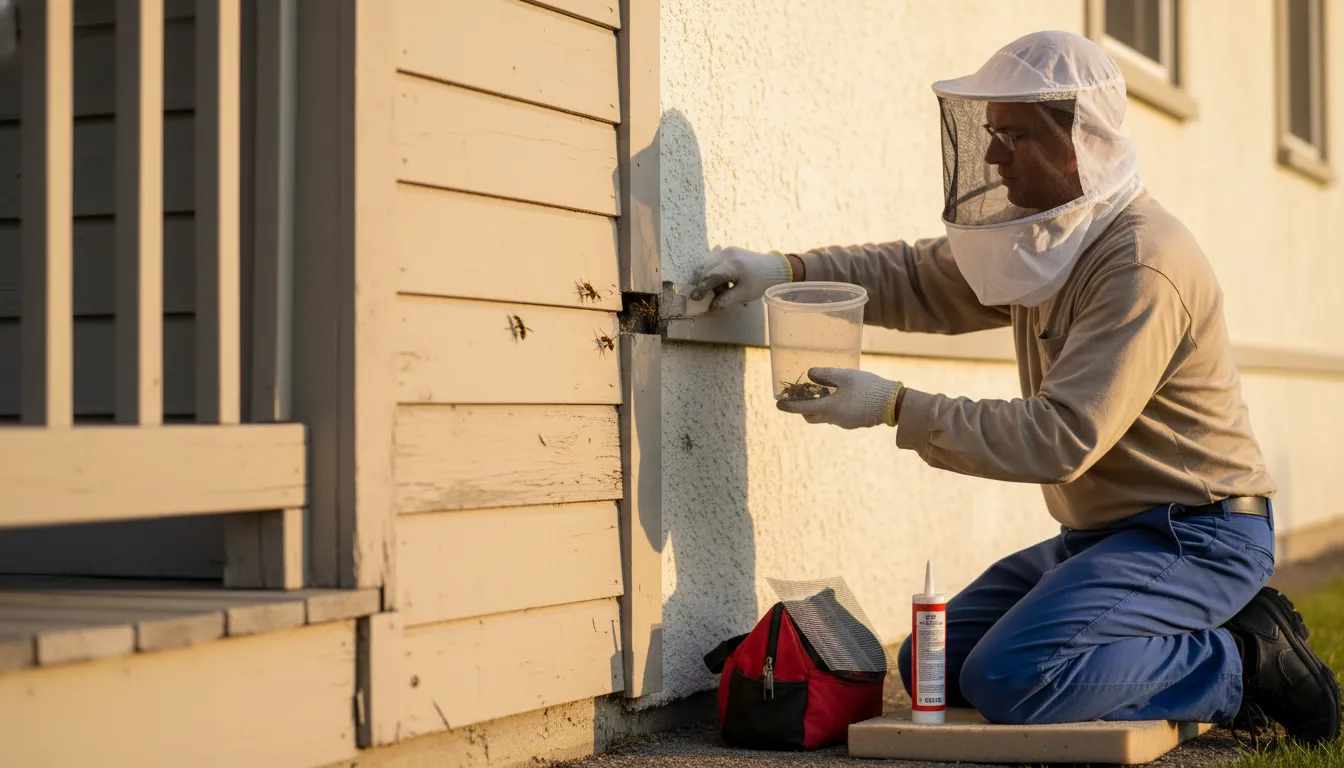
- Safe Removal/Extermination: Using appropriate protective gear and methods, the professional will execute the removal plan. For structural bees, this may involve carefully opening a wall to extract the comb. For wasps, it involves applying insecticide and removing the nest.
- Clean-up and Exclusion: After the insects are gone, the area is cleaned. For bee removals, this is a critical step to remove honey and wax that can attract other pests or cause rot. The technician will also seal entry points to prevent re-infestation.
- Follow-up and Prevention Advice: A good service will offer guidance on making your property less attractive to future colonies, such as sealing cracks, managing vegetation, and covering food sources outdoors 5.
Cost Factors for Removal Services in Texas
The cost for professional bee or wasp removal in Texas varies widely based on several key factors 6.
- Species: Wasp and hornet extermination generally costs less than complex live bee removal from a structure.
- Nest Location and Accessibility: A nest under an eave is far less expensive to treat than one inside a wall, attic, or chimney, which requires demolition and repair.
- Size of the Colony: Larger, more established colonies require more time and material to address.
- Type of Service: Simple extermination has a lower price point. Live bee relocation, which is labor-intensive and requires specialized skill, is typically more expensive.
While prices can range from $100 to over $1,300, the average cost for professional wasp extermination often falls around $375 7. For structural bee removal, costs frequently start in the several hundred dollar range and can exceed $1,000 depending on complexity 8 9. Always get a detailed, written estimate before work begins.
Finding Qualified Professionals in Texas
When searching for a removal service, ensure they are properly qualified for your specific problem.
- For Honey Bee Swarms or Colonies: Look for a licensed beekeeper registered with the Texas Apiary Inspection Service (TAIS) 10. Many local beekeeping associations maintain removal lists.
- For Wasps, Hornets, or Structural Bee Infestations: Hire a licensed pest control operator (PCO) certified by the Texas Department of Agriculture. They have the licensing for applying pesticides and handling structural modifications 11.
- Ask Key Questions: Inquire about their experience with your specific insect issue, their safety protocols, their method (relocation vs. extermination), what the quote includes (especially repairs and clean-up), and their warranty or follow-up policy.
Proactive Prevention Tips
Prevention is the most effective form of pest control.
- Seal Entry Points: Conduct seasonal inspections of your home's exterior. Seal cracks in siding, around windows, rooflines, and utility penetrations with caulk or steel wool 12.
- Manage Your Landscape: Keep tree branches trimmed back from the house. Regularly inspect sheds, playsets, and deck undersides for early nest construction.
- Remove Attractants: Keep trash cans tightly sealed and clean up fallen fruit from trees. Avoid leaving sugary drinks or food uncovered outdoors.
- Perform Regular Inspections: Especially in spring, check common nesting sites like eaves, soffits, attic vents, and ground holes around your property 13.
Frequently asked questions
Sources
Footnotes
-
Wasps, Hornets, Bees - Texas Bugs - https://texasbugs.com/pest-control-service/wasps-hornets-bees-exterminator/ ↩
-
How to Safely Remove and Relocate Bees - https://www.orkin.com/pests/stinging-pests/bees/bee-relocation ↩
-
Austin Bee & Wasp Control Services - A-Tex Pest Management - https://www.atexpest.com/residential-pest-control/bees-wasps/ ↩
-
Safe, Humane Bee Control Across Texas - Noco Pest Solutions - https://nocopest.com/services/bee-control/ ↩
-
Bee & Wasp Control in Cedar Park - Green Pest Guys - https://www.greenpestguys.com/bee-wasp-control/ ↩
-
Bee and Wasp Removal: Top 2025 Effective Solutions - https://bigginsexterminating.com/bee-and-wasp-removal/ ↩
-
How Much Does a Wasp Exterminator Cost? (2026) - This Old House - https://www.thisoldhouse.com/pest-control/wasp-exterminator-cost ↩
-
Removal FAQs - Trinity Valley Beekeepers Association - https://tvbees.org/pages/removal-faqs ↩
-
Bee Control in Austin, TX - A to Z Pest Control - https://www.atozpests.com/pest-control/bees/ ↩
-
Bee Removal - Texas Apiary Inspection Service (TAIS) - https://txbeeinspection.tamu.edu/bee-removal/ ↩
-
Regulations - Texas Apiary Inspection Service (TAIS) - https://txbeeinspection.tamu.edu/regulations/ ↩
-
How to Wasp-Proof Your Home Before They Build a Nest in ... - https://www.absolutepestmgmt.com/blog/wasp-nest-prevention-pflugerville/ ↩
-
Wasps and Preventative Treatment - Keith's Bee Service - https://austinlivebeeremoval.com/2024/07/wasps-and-preventative-treatment/ ↩