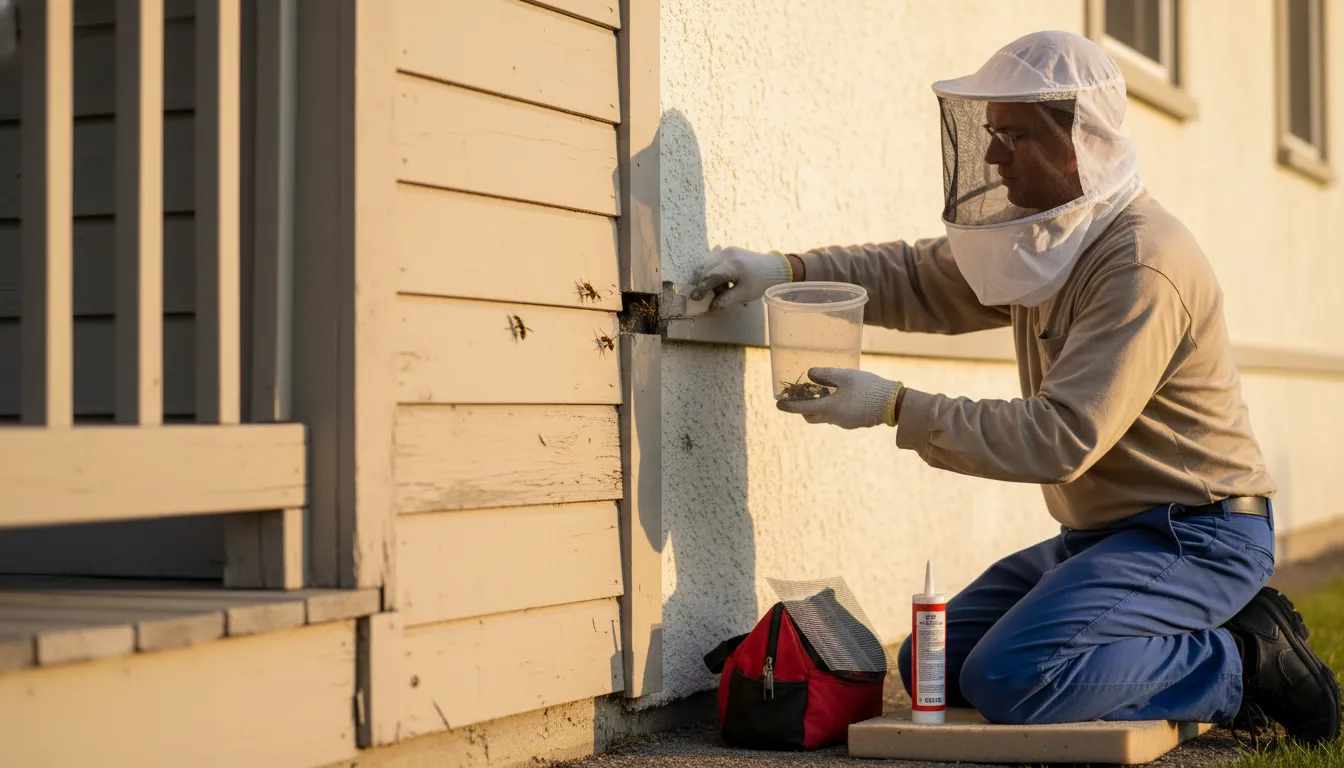
Find the Best Wasp & Hornet Removal Companies for Your Business
No obligation • Fast responses • Nationwide coverage

Why you can trust Pest Crews
Pest Crews is a leading U.S. resource for finding and evaluating residential and commercial pest control services. Our team researches providers, reviews treatment approaches, and organizes unbiased information to help you make informed decisions. Companies cannot pay to change our editorial content or influence how they appear.
Search providers near you
Top Wasp & Hornet Removal Companies in Dallas, Texas Ranked
Discovering a buzzing nest on your property can be alarming. In Dallas, managing stinging insects like bees, wasps, hornets, and yellow jackets requires a careful approach that balances safety, environmental responsibility, and effective pest control. This guide explains the critical differences between species, outlines professional removal methods, and provides practical advice for Dallas homeowners to protect their families and properties. You can use this information to understand your options and connect with qualified local experts for safe and effective solutions.
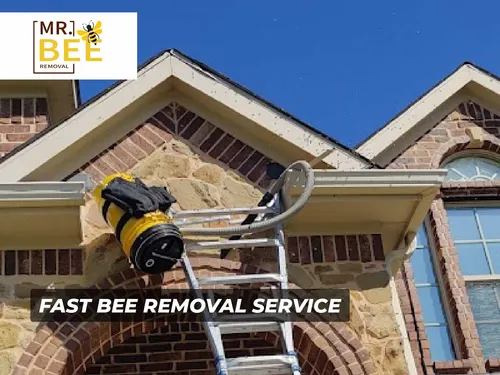
Mr. Bee Removal
Arlington, TX
Mr. Bee Removal is a pest control company based in Arlington, TX, specializing in bee and wasp removal. They focus on safe and eco-friendly bee control methods, avoiding harmful chemicals to protect both the environment and your family. Their services include removing bees, nests, and honeycombs, as well as sealing affected areas to prevent future infestations. Mr. Bee Removal uses the latest techniques and equipment to ensure effective and humane removal while providing advice on preventing future bee problems.
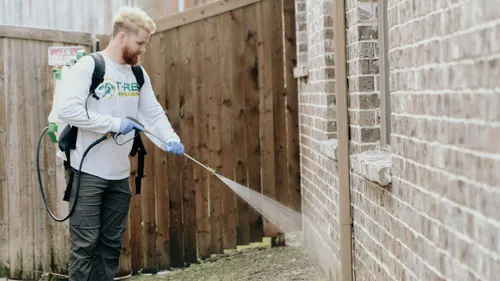
T-Rex Pest Control
1074 Sewell Dr, Fate, TX 75189
T-Rex Pest Control provides comprehensive pest management services in Dallas, TX, specializing in controlling cockroaches, ants, rodents, mosquitoes, bees, and wasps for both residential and commercial properties. They use integrated pest management principles to deliver lasting results while prioritizing safety for families and pets. The company holds current certifications and licenses, ensuring treatments meet high industry standards. T-Rex Pest Control serves the Dallas area with a focus on effective pest elimination and ongoing protection, offering follow-up visits at no extra charge if pests return between scheduled treatments.

Buzz Kill Pest Control
8200 Northeast Pkwy #116, North Richland Hills, TX 76182
Buzz Kill Pest Control is a locally owned company based in Dallas, TX, specializing in residential and commercial pest control services. They provide comprehensive solutions for a variety of pests including ants, termites, bed bugs, roaches, spiders, rodents, mosquitoes, and wasps. Their termite services include pre-construction soil treatments and in-ground baiting systems to protect new and existing buildings. With over 30 years of experience serving the Dallas-Fort Worth metroplex, Buzz Kill offers tailored integrated pest management plans using low-impact chemicals to ensure safety for families, pets, and workers.
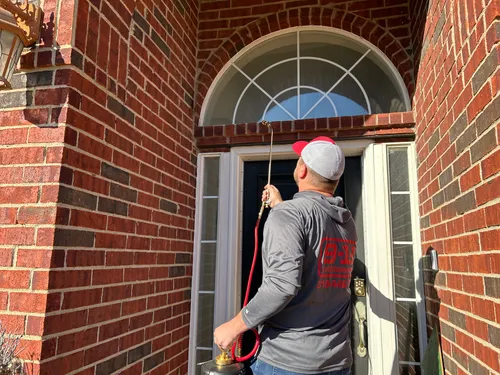
911 Pest Control Services
Arlington, TX
911 Pest Control Services provides pest management solutions for homes and businesses in Arlington, TX. They cover the Dallas-Fort Worth metroplex, including Dallas and Tarrant Counties, offering treatments for wasps, spiders, flies, cockroaches, earwigs, ants, termites, and other common pests. Their licensed technicians use proven methods to address infestations and provide preventative care with same-day service available.

Campbell Pest Control
Garland, TX
Campbell Pest Control is a family-owned pest control company serving Garland, TX, and surrounding North Texas communities. With over 70 years of experience, they offer a wide range of pest management services including termite control, rodent removal, insect management, and advanced mosquito misting systems. Their approach focuses on creating protective barriers to prevent pest invasions, tailored to both residential and commercial properties. The company has a long history dating back to 1950 and emphasizes personalized service without requiring long-term contracts.
Understanding Your Stinging Insect Problem
The first step in addressing any infestation is proper identification. Not all flying, stinging insects are created equal, and the approach for one can be harmful or illegal for another.
Honey Bees: These are vital pollinators and are generally not aggressive unless their hive is threatened. They have a fuzzy, golden-brown appearance and often build wax comb hives in cavities. In Texas, honey bees are often protected, and live bee removal by a beekeeper is the preferred and most ecological method.
Paper Wasps: Recognizable by their long legs and narrow waists, paper wasps build open, umbrella-shaped nests from chewed wood fibers, often under eaves, porch ceilings, or inside grills. They can be defensive of their nest but are less aggressive than some other species.
Yellow Jackets: These wasps are aggressive, especially in late summer and fall. They have bright yellow and black banding and build paper nests that can be found in the ground (in old rodent burrows), in wall voids, or in shrubs. Their ground nests are particularly hazardous for lawn mowing or playing children.
Hornets: Including the European hornet and bald-faced hornet, these are larger and can be highly aggressive. They build large, enclosed paper nests, often high in trees or on structures.
Carpenter Bees: These look similar to bumblebees but have a shiny, black abdomen. Males are territorial but cannot sting. The real damage comes from females who bore perfectly round holes into untreated wood (like decks, eaves, and fences) to create nesting galleries, causing potential structural damage over time.
Why Professional Removal is Essential in Dallas
Attempting DIY wasp or bee extermination is strongly discouraged for established nests 1. The risks are significant:
- Severe Stings: Disturbing a nest can trigger a mass, aggressive swarm. For individuals allergic to venom, this can cause a life-threatening reaction.
- Incomplete Removal: Simply spraying the entrance may kill visible insects but leave the queen and brood deep inside, allowing the colony to rebound or forcing it deeper into your home's structure.
- Property Damage: Improper removal of a honey bee hive from a wall can lead to honey and wax melting, causing stains, attracting other pests, and promoting rot.
- Ecological Harm: Indiscriminate killing of honey bees harms local pollination networks. Professionals know when and how to perform a humane bee rescue 2.
Professional pest control experts and beekeepers have the training, protective gear, and appropriate tools (like bee vacuums, specialized insecticides, and protective suits) to handle the job safely and effectively.
Common Nest Locations Around Dallas Homes
Bees and wasps seek sheltered, protected areas to build their colonies 3. Being aware of these common hotspots can help you spot a problem early.
Exterior Structures:
- Under the eaves, soffits, and porch ceilings.
- Inside sheds, garages, playhouses, or unused grills.
- Behind shutters, in outdoor light fixtures, or under deck railings.
- Attached to trees, dense shrubs, or bushes.
Ground Nests: Yellow jackets frequently exploit existing cavities, building nests in abandoned rodent burrows, under concrete slabs, in compost piles, or in the hollows of landscape timbers 4.
Interior/Structural Spaces: These are the most concerning locations, often requiring more complex removal.
- Attics and Wall Voids: Insects enter through tiny cracks in siding, gaps around utility lines, or unscreened vents 5 6.
- Chimneys and Vents: Uncapped chimneys or bathroom/kitchen exhaust vents offer perfect sheltered spaces.
- Crawl Spaces and Under Patios.
Find the perfect wasp & hornet removal companies for your needs
Get personalized recommendations and expert advice
Seasonal Activity of Bees and Wasps in North Texas
The Dallas climate supports a long active season for stinging insects, with behavior shifting throughout the year 7.
Spring (March-May): This is a critical period for prevention. Overwintered queen wasps emerge and begin scouting for nest sites, building small "starter" nests about the size of a golf ball 8. Activity is low, making it the ideal time to inspect your property and seal potential entry points. Early intervention on a small nest is far simpler.
Summer (June-August): Peak activity season. Colonies expand rapidly with hundreds or thousands of workers. Nests grow large, and foraging activity is constant. Wasps and bees are highly visible, and the risk of disturbance is greatest during these hot months 9.
Fall (September-November): Colonies reach their maximum size. As natural food sources like insects dwindle, wasps become more aggressive and are intensely attracted to human food, sugary drinks, and fallen fruit 10. They may also start seeking warm, sheltered places to overwinter, sometimes accidentally entering homes.
Winter (December-February): Most worker wasps and drones die. Fertilized queens hibernate in protected spots like under tree bark, inside logs, or within the siding of your home 11. Visible activity is minimal, but the cycle is poised to begin again in spring.
Professional Removal Methods: Live Removal vs. Extermination
The chosen method depends entirely on the species, location, and risk level.
Live Bee Removal (Relocation): This is the standard for honey bees. Specialized beekeepers or companies (e.g., Little Giant Beekeepers, Honey Bee Rescue) use techniques to safely capture the colony 12 13 14. They may cut out exposed comb or use a bee vacuum to collect insects from a wall void. The queen, workers, and brood are then relocated to an apiary where they can continue their vital pollination work. This method avoids pesticides and is environmentally responsible.
Extermination: For aggressive wasp species like yellow jackets or hornets, or when a honey bee hive is in an inaccessible location where live removal is impossible (posing a risk of structural damage or future infestation), extermination may be necessary 15 16. Licensed pest control professionals apply targeted insecticides to eliminate the colony. A crucial follow-up step is the physical removal of the nest to prevent pheromones from attracting new insects and to avoid secondary pest problems from old comb.
Integrated Approach: Sometimes a combination is used. A pest control expert might exterminate a dangerous wasp nest, while a beekeeper is called for a swarm of honey bees on a tree branch.
What to Expect: Service Process and Cost Considerations
If you contact a professional, here's a general outline of the process:
- Inspection & Estimate: Most reputable companies offer free inspections. They will identify the insect, locate the nest(s), assess the size and accessibility, and provide a detailed quote.
- Treatment Plan: They will recommend a course of action-live removal or extermination-and explain the steps involved, including any necessary repairs.
- Treatment Execution: This is performed by trained technicians with proper safety equipment, often during cooler times of the day when insects are less active.
- Nest Removal & Clean-up: The nest is removed. For interior hives, this may involve cutting into drywall, removing comb and honey, and sanitizing the area to deter future pests.
- Exclusion/Repairs: To prevent recurrence, sealing entry points and making necessary repairs is essential. Some companies offer this service, or you may need a contractor.
Cost Factors in Dallas: Costs vary based on location, species, nest size, and accessibility 17. Most companies provide free estimates.
- Small, Accessible Nest: A visible paper wasp nest under an eave or a small, exposed swarm may cost between $75 and $200.
- Standard Hive Removal: For a typical removal requiring basic access (e.g., from a soffit or tree), prices often range from $150 to $500.
- Complex Infestation: Removal of a large hive inside a wall, chimney, or attic that requires cutting open the structure, followed by cleanup and repairs, can range from $600 to over $2,00018.
Prevention Tips for Dallas Homeowners
An ounce of prevention is worth a pound of cure, especially with stinging pests.
- Seal Entry Points: In early spring, carefully inspect your home's exterior. Seal cracks and gaps in siding, around windows/doors, and where utility lines enter with caulk or steel wool. Install fine mesh screens over vents, chimneys, and crawl space openings.
- Manage Attractants: Keep trash cans tightly sealed. Clean up fallen fruit promptly. Avoid leaving sugary drinks or food uncovered outdoors. Use tight-fitting lids on compost bins.
- Reduce Nesting Sites: Regularly inspect under eaves, decks, and porches. Fill in abandoned rodent burrows in the yard. Keep shrubs trimmed and avoid letting ivy or dense vegetation grow against the house.
- Early Intervention: If you see a single queen starting a nest in spring, it can often be safely knocked down at night with a long pole before the colony establishes.
Frequently asked questions
Sources
Footnotes
-
Bee Safe Bee Removal - https://www.google.com/viewer/place?mid=/g/11b6pthlnn ↩
-
Removal FAQs - Trinity Valley Beekeepers Association - https://tvbees.org/pages/removal-faqs ↩
-
5 Common Places You Find Wasp Nests | Dustin Pest Control - https://dustinpestcontrol.com/5-common-places-you-find-wasp-nests/ ↩
-
How to Get Rid of Paper & Mud Wasp Nests Above & Underground | Orkin - https://www.orkin.com/pests/stinging-pests/wasps/wasp-nests ↩
-
How to Get Wasps Out of Your Dallas House - https://alamopest.com/blog/wasps-out-of-dallas-home ↩
-
Are Wasps a Common Problem in Dallas, TX? - https://vinxpestcontrol.com/are-wasps-a-common-problem-in-dallas-tx/ ↩
-
Understanding Seasonal Pest Patterns in Texas - https://killum.com/understanding-seasonal-pest-patterns-in-texas/ ↩
-
When Do Wasps Swarm In North Texas? - Adams Exterminating - https://www.adamspest.com/when-do-wasps-swarm-in-north-texas/ ↩
-
The Buzz About Stinging Insects In Dallas - All-Safe Pest & Termite - https://www.all-safe-pest.com/the-buzz-about-stinging-insects-in-dallas/ ↩
-
Heightened Hornet and Wasp Activity in Late Summer - https://www.havenpestsolutions.com/heightened-hornet-and-wasp-activity-in-late-summer/ ↩
-
The Complete Guide to Wasp Control and Prevention in East Texas - https://thebugsend.com/2025/06/24/the-complete-guide-to-wasp-control-and-prevention-in-east-texas/ ↩
-
Efficient Live Bee Hive Removal in Dallas, Texas - https://www.littlegiantbeekeepers.com/bee-services/live-bee-hive-removal/ ↩
-
Live Bee Removal Services in North Texas | Honeybee Removal - https://thebeerescue.com/bee-removal ↩
-
Honey Bee Rescue - https://www.google.com/viewer/place?mid=/g/11f734r868 ↩
-
Bees & Wasps Control | Pest Management of Texas, Inc. - https://www.pestcontroldallastx.com/pest-library/bees-wasps/ ↩
-
Wasp Nest Removal In Dallas, Texas - Grandeur Pest Solutions - https://grandeur4sure.com/wasp-nest-removal/ ↩
-
FirstChoice Bee Removal Dallas - https://beesrgone.com/bee-removal-dallas/ ↩
-
How Much Does Bee Removal Cost? [2026 Data] | Angi - https://www.angi.com/articles/how-much-does-bee-removal-cost.htm ↩