Find the Best Commercial Pest Control Companies for Your Business
No obligation • Fast responses • Nationwide coverage
Why you can trust Pest Crews
Pest Crews is a leading U.S. resource for finding and evaluating residential and commercial pest control services. Our team researches providers, reviews treatment approaches, and organizes unbiased information to help you make informed decisions. Companies cannot pay to change our editorial content or influence how they appear.
Search providers near you
Top Commercial Pest Control Companies in Clovis, California Ranked
For any business in Clovis, from bustling restaurants to sprawling warehouses, a proactive pest management plan is not a luxury-it's a necessity. Commercial pest control is a specialized service designed to protect your property, inventory, and reputation from the costly damage and health risks associated with infestations. This guide explains the science-based strategies used by local professionals to create custom pest management solutions, helping you understand what to look for when seeking a provider for your business.
Valora Pest Control
1626 7th St #112, Sanger, CA 93657
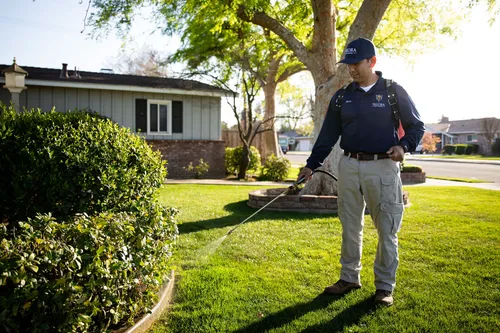
Valora Pest Control is a locally owned pest control company based in Fresno, CA, offering services to Fresno and Madera Counties. They provide comprehensive pest management solutions including bed bug treatment, cockroach and ant control, rodent management, termite inspections, mosquito control, bee and wasp removal, and wildlife removal for both residential and commercial properties. Valora Pest Control uses family- and pet-friendly products and offers year-round protection with flexible service schedules tailored to customer needs. Their technicians are certified and trained to deliver safe and effective treatments. The company emphasizes transparency with detailed service documentation and pricing. They also provide 24/7 protection, ensuring pest control coverage every day of the year.
Valley Integrated Pest Control
3116 N Carriage Ave, Fresno, CA 93727
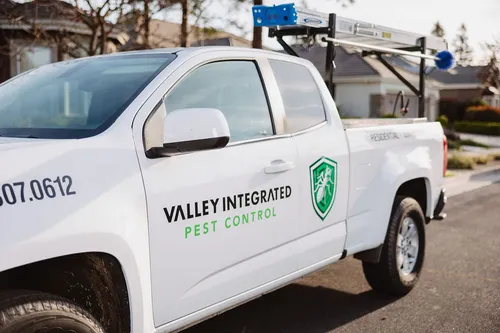
Valley Integrated Pest Control offers comprehensive pest management services in Fresno, CA, and the surrounding Central Valley. They handle both residential and commercial pest control, addressing issues with rodents, insects, and other common pests. The company uses a variety of pest management techniques tailored to effectively control and eliminate infestations.
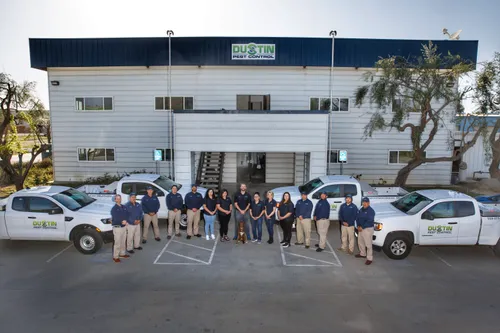
Dustin Pest Control
5458 W Mission Ave #101, Fresno, CA 93722
Dustin Pest Control is a pest control company serving Fresno, CA, and the surrounding Central Valley area. They offer a wide range of services including bed bug treatment, cockroach and ant control, rodent management, termite inspections, mosquito control, bee and wasp removal, bird and wildlife control, and commercial pest solutions. The company is experienced in creating customized pest protection plans tailored to each client's needs and uses eco-friendly methods for termite and other pest treatments. Established in 1973, Dustin Pest Control has decades of experience addressing pest problems and offers ongoing preventive measures to keep homes and businesses pest-free.
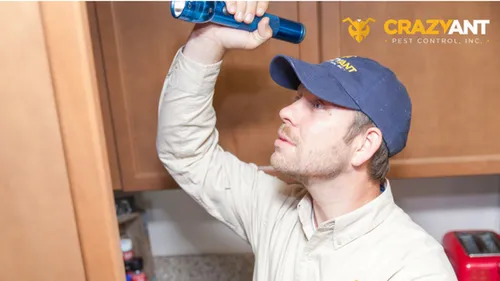
Crazy Ant Pest Control
4746 W Jennifer Ave STE 108, Fresno, CA 93722
Crazy Ant Pest Control is a family-owned pest control company serving Fresno, CA, and the surrounding Central Valley areas including Clovis, Kerman, and Sanger. They provide residential and commercial pest control services with a focus on eco-friendly products and customized treatment plans. Their expertise includes mosquito control using both ecological and traditional methods to reduce local mosquito populations. The company emphasizes staff training and certification, ensuring technicians meet state licensing requirements and ongoing education. Crazy Ant Pest Control offers flexible service plans without long-term contracts and guarantees their work with a risk-free promise.
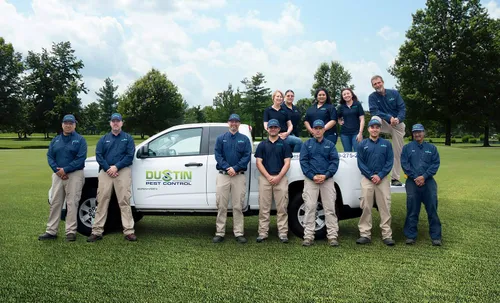
Dustin Pest Control
755 N Peach Ave F15, Clovis, CA 93611
Dustin Pest Control is a pest control company serving Fresno, CA, and the Central Valley region. They offer a wide range of pest management services including bed bug treatment, cockroach and ant control, rodent removal, termite inspections, mosquito control, bee and wasp removal, bird and wildlife control, and commercial pest services. With expertise in customized pest protection plans and eco-friendly termite solutions, Dustin Pest Control has been serving the area since 1973. Their services include regular inspections and preventive treatments to help maintain pest-free homes and businesses.
What is Commercial Pest Control?
Unlike standard residential pest management, commercial pest control is a comprehensive, ongoing program tailored to the unique needs and risks of a business environment. It involves a strategic partnership with a pest management professional who understands the regulatory landscape and operational demands of various industries. The core objective is prevention, using a blend of inspection, monitoring, and targeted treatment to create an environment that is inhospitable to pests, thereby protecting your assets and ensuring compliance with health and safety codes.
For businesses in Clovis, this means addressing common local pests like ants, rodents, and cockroaches with methods that are effective yet minimally disruptive to daily operations. A robust commercial pest management program is your first line of defense against infestations that can lead to product loss, structural damage, and even business closure.
The Integrated Pest Management (IPM) Approach
The gold standard for modern commercial pest management is Integrated Pest Management (IPM). This is a sustainable, science-based approach that focuses on long-term prevention through a combination of techniques. IPM prioritizes understanding the life cycle of pests and their interaction with the environment over the routine application of pesticides 1.
An IPM program for a Clovis business involves several key steps:
- Inspection and Monitoring: The foundation of IPM is a thorough, detailed assessment of your property, both interior and exterior, to identify current pest activity, potential entry points, and conditions that attract pests, such as moisture or food debris.
- Prevention: Before any treatment occurs, the focus is on making the environment less conducive to pests. This can include sealing cracks, improving sanitation protocols, and managing waste.
- Identification: Accurate pest identification is crucial, as it dictates the most effective and least-risk control methods.
- Control: When action is needed, IPM methods are chosen from a hierarchy. This starts with cultural and physical controls (like traps and exclusion) and uses targeted chemical treatments only as a last resort and in a way that minimizes risk.
This strategic, multi-faceted pest management approach is particularly vital for industries like food service, healthcare, and hospitality, where regulatory compliance is non-negotiable 2.
The Critical First Step: Thorough Inspection & Risk Assessment
Every effective commercial pest management plan begins with a comprehensive inspection. A qualified technician will conduct a meticulous walk-through of your facility to diagnose the specific risks your business faces.
This assessment typically includes:
- Exterior Evaluation: Checking the building envelope for gaps, cracks, unsealed utility penetrations, and faulty door sweeps. They will also assess landscaping, drainage, lighting, and dumpster areas that can attract pests.
- Interior Investigation: Inspecting high-risk zones such as kitchens, storage rooms, employee break areas, loading docks, and utility closets. In restaurants, special attention is paid to areas under prep stations and behind equipment.
- Risk Evaluation: The technician will consider your specific business type. A warehouse may be at high risk for rodent activity from pallets and stored goods, while a medical office might be more concerned with ants or occasional invaders.
This diagnostic phase is essential for creating a truly customized pest control plan that addresses your property's unique vulnerabilities.
Core Methods in a Commercial Pest Management Plan
Professional pest management companies in Clovis employ a toolbox of methods, often used in combination under the IPM framework. These can be categorized into four main types:
- Cultural & Sanitation Controls: This involves altering the environment to remove what pests need to survive. For a business, this means implementing strict sanitation practices, proper food storage, prompt waste removal, and reducing clutter that provides harborage.
- Physical & Mechanical Controls: These methods directly block or remove pests without chemicals. Examples include installing rodent exclusion devices, sealing entry points with copper mesh or sealant, using air curtains on doors, and deploying a variety of traps and glue boards for monitoring and capture 3.
- Biological Controls: While less common in standard commercial settings, this involves using natural predators or parasites to manage pest populations. It's a highly specialized component of some IPM programs 4 5.
- Chemical Controls: When necessary, commercial-grade pesticides are used. Under IPM, these are applied in a targeted, judicious manner-such as in cracks and crevices or within bait stations-rather than as broad, blanket sprays. The goal is to maximize effectiveness while minimizing exposure and environmental impact 6.
Find the perfect commercial pest control companies for your needs
Get personalized recommendations and expert advice
The Importance of Ongoing Monitoring & Documentation
A one-time treatment is rarely sufficient for a commercial property. Ongoing monitoring is a critical component of a professional pest management program. Technicians will place and regularly check monitoring devices like insect light traps, glue boards, and rodent stations.
This serves two vital purposes:
- Early Detection: Monitoring provides an early warning system, allowing for intervention before a small pest issue becomes a full-blown infestation.
- Compliance Documentation: Detailed service reports and monitoring logs are invaluable during health department or third-party audits. They provide documented proof of your proactive pest management efforts, which is often required for compliance with regulations from agencies like OSHA or local health departments 7.
Understanding Costs for Commercial Pest Management in Clovis
Investing in professional commercial pest control is an operational cost that protects a much larger investment: your business. Pricing is not one-size-fits-all and is influenced by several key factors:
- Property Size & Complexity: A large warehouse with multiple buildings will cost more to service than a small retail shop.
- Business Type & Risk Level: Facilities that handle food (restaurants, grocery stores, processing plants) or serve vulnerable populations (hospitals, nursing homes) typically require more frequent service and stringent protocols, impacting cost 8.
- Pest Pressure & History: An active infestation requiring eradication will involve more labor and materials than a preventative maintenance plan.
- Service Frequency: Plans can range from monthly and quarterly to semi-annual visits, depending on need.
Given these variables, monthly costs for commercial pest management services in Clovis can range significantly, from under $100 for basic preventative maintenance at a low-risk site to over $2,000 for comprehensive, frequent service at a high-risk facility 9 10. The most accurate way to determine cost is to request an on-site inspection and a customized proposal from a licensed provider.
Frequently asked questions
Sources
Footnotes
-
Integrated Pest Management (IPM) Principles | US EPA - https://www.epa.gov/safepestcontrol/integrated-pest-management-ipm-principles ↩
-
Year-Round Pest-Away Service - Clark Pest Control - https://www.clarkpest.com/pest-control/year-round-pest-away ↩
-
Effective Pest Control Methods: Best Practices & Strategies - FieldRoutes - https://www.fieldroutes.com/blog/pest-control-methods ↩
-
Integrated Pest Management (IPM): A Sustainable Approach to Pest ... - https://hgic.clemson.edu/factsheet/iintegrated-pest-management-ipm-a-sustainable-approach-to-pest-management/ ↩
-
Non-Chemical & Integrated Pest Management - https://ndep.nv.gov/uploads/water-bmp-docs/Non_Chemical_Pest_Management_.pdf ↩
-
Unit 1: Principles of Pest Control - CTAHR.hawaii.edu - https://cms.ctahr.hawaii.edu/epp/Education/Study-Guide-Packets/APC-Core/APC-Unit1 ↩
-
What is Commercial Pest Control? - https://calpropestcontrol.com/blog/what-is-commercial-pest-control-a-complete-guide-for-business-owners/ ↩
-
The Ultimate Guide to Commercial Pest Control in Northern ... - https://shelbyspestcontrolpro.com/the-ultimate-guide-to-commercial-pest-control-in-northern-california/ ↩
-
Commercial Pest Control in Clovis, CA - Top-Rated Exterminator - https://antsrodentsclovis.com/commercial-pest-control/ ↩
-
Commercial Pest Control: Types, Cost, & Best Companies - https://connorspestpros.com/commercial-pest-control-types-cost-best-companies/ ↩