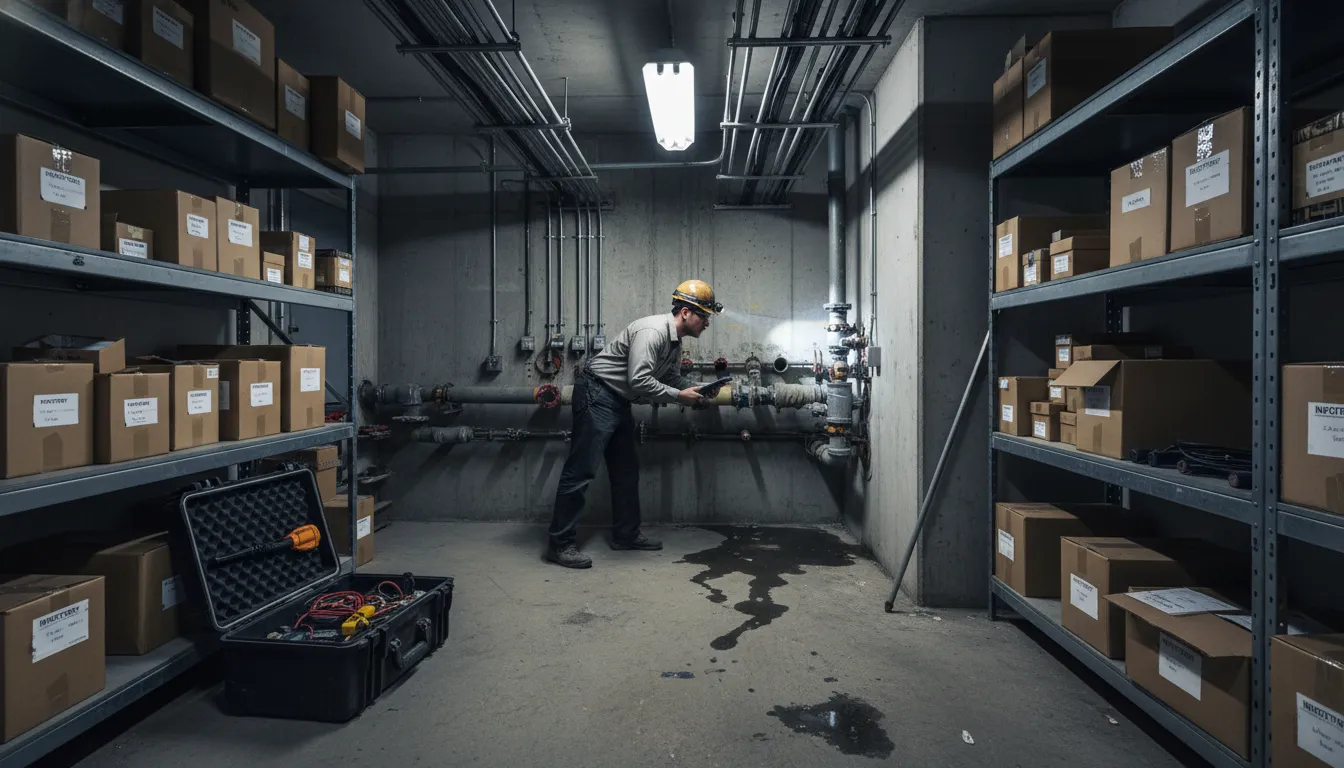
Find the Best Commercial Pest Control Companies for Your Business
No obligation • Fast responses • Nationwide coverage

Why you can trust Pest Crews
Pest Crews is a leading U.S. resource for finding and evaluating residential and commercial pest control services. Our team researches providers, reviews treatment approaches, and organizes unbiased information to help you make informed decisions. Companies cannot pay to change our editorial content or influence how they appear.
Search providers near you
Top Commercial Pest Control Companies in San Diego, California Ranked
For businesses in San Diego, a proactive pest management strategy is a critical component of operational integrity, brand protection, and regulatory compliance. Commercial pest control services go beyond simple extermination, offering structured, ongoing programs designed to prevent infestations before they start. This resource helps you understand the specialized services available for local businesses, from restaurants and warehouses to office complexes and healthcare facilities, so you can effectively evaluate and connect with professional providers who understand the unique challenges of the San Diego region.
Thrasher Pest Control
8957 Complex Dr, San Diego, CA 92123
Thrasher Pest Control is a family-owned pest control company based in San Diego, CA. They provide pest management services for both residential and commercial properties, focusing on eliminating pests that can cause health concerns or discomfort. The company emphasizes personalized service for each customer in the San Diego area.
HomeShield Pest Control
9434 Chesapeake Dr #1208, San Diego, CA 92123
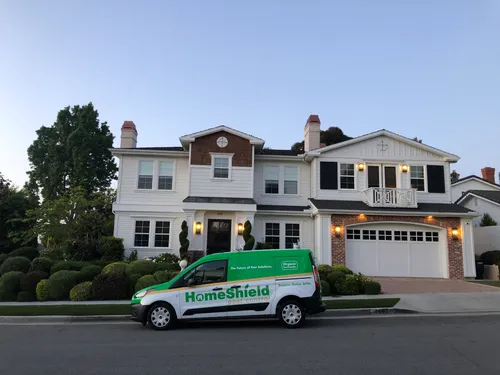
HomeShield Pest Control is a locally owned company based in San Diego, CA, offering eco-friendly pest control services for homes and businesses. They specialize in managing a variety of pests including bed bugs, cockroaches, ants, rodents, termites, and mosquitoes. The company uses green pesticide solutions from EcoSMART, focusing on child and pet safety while addressing local pest challenges. HomeShield provides commercial and residential pest control with a 100% service guarantee and unlimited maintenance calls between scheduled visits. They serve multiple regions including Sacramento, the Bay Area, Orange County, Los Angeles, the Inland Empire, and South Florida.
Pest Patrol, Inc.
9920 Scripps Lake Dr Suite 107, San Diego, CA 92131
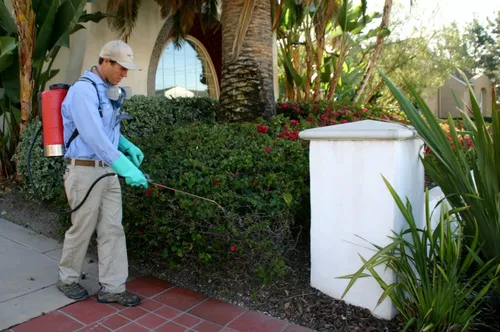
Pest Patrol, Inc. is a family-owned pest control company serving San Diego, CA, since 1982. They provide a wide range of pest management services including rodent control, termite inspections, bee and wasp removal, and commercial pest control. Their technicians specialize in attic restoration and decontamination, offering detailed inspections with photo documentation for transparency. Pest Patrol covers all of San Diego County and supports real estate escrow clearances as part of their termite inspection services.

Bull's Eye Pest Control
11403 W Bernardo Ct #207, San Diego, CA 92127
Bull's Eye Pest Control is a pest control company serving San Diego, CA, and the surrounding Southern California areas. They provide both residential and commercial pest control services, addressing common regional pest issues with targeted solutions. Established in 2002, the company brings nearly 20 years of experience to pest management, focusing on eliminating pests and protecting properties. Their services include home and commercial pest control, supported by a pest library for customer education.
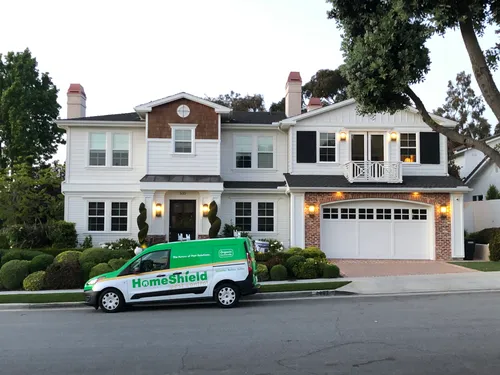
HomeShield Pest Control - Carlsbad
San Diego, CA
HomeShield Pest Control - Carlsbad offers eco-friendly pest control services in San Diego, CA. They specialize in home and commercial pest management, including rodent control, termite inspections, bed bug treatments, and mosquito control. The company uses green pesticide solutions from EcoSMART, focusing on child and pet safety. HomeShield serves a broad area across California and South Florida, providing local expertise on pest pressures. They emphasize a professional and ethical approach to pest control with a 100% service satisfaction guarantee.
What is Commercial Pest Management?
Commercial pest management is a systematic approach to preventing and controlling pests in business environments. Unlike one-time residential treatments, these services are built on ongoing partnerships, focusing on long-term prevention and minimal disruption to daily operations. In San Diego, this is especially important due to the region's mild climate, which can allow pest populations to thrive year-round. A robust commercial program protects your assets, ensures the safety of your products and customers, and helps you meet strict health code standards enforced by local and state agencies.
Key components of a professional service include:
- Regular Scheduled Inspections: Consistent monitoring to catch issues early.
- Customized Action Plans: Strategies tailored to your specific industry, facility layout, and pest pressures.
- Detailed Documentation: Service reports and activity logs that are essential for health inspections and audits.
- Integrated Pest Management (IPM): A preferred methodology that prioritizes non-chemical solutions.
The Core Process: From Inspection to Ongoing Care
Professional commercial pest control in San Diego follows a meticulous, multi-stage process to ensure thoroughness and effectiveness.
Step 1: Comprehensive Site Assessment & Pest Identification
The foundation of any effective program is a detailed inspection. A certified technician will conduct a walk-through of your entire property, both interior and exterior 1. They will look for:
- Active Pest Activity: Signs of cockroaches, rodents, ants, or stored product pests.
- Conducive Conditions: Identifying factors that attract pests, such as moisture issues, food debris, clutter, and structural gaps.
- Entry Points: Documenting cracks in foundations, gaps around utility lines, faulty door sweeps, and other potential accessways.
Accurate pest identification is crucial, as the treatment for a German cockroach differs vastly from that for a Pharaoh ant or a roof rat. This assessment results in a detailed report, often with photos and diagrams, outlining the specific risks to your facility.
Step 2: Developing a Customized Integrated Pest Management (IPM) Plan
Based on the inspection findings, the provider will design a customized IPM plan. This plan is a blueprint for your pest management program and emphasizes prevention and targeted intervention. A true IPM strategy employs a hierarchy of control methods:
- Cultural and Sanitation Controls: This is the first line of defense. Recommendations may include improving waste management, sealing food in airtight containers, fixing leaky faucets, and trimming vegetation away from buildings.
- Physical and Mechanical Controls: These methods block or trap pests without pesticides. Examples include installing door sweeps, sealing cracks with copper mesh or sealant, placing rodent bait stations in secure exterior locations, and using fly lights or traps2.
- Chemical Controls: When necessary, pesticides are used as a targeted last resort. In an IPM program, chemicals are applied strategically-such as in cracks and crevices or bait formulations-rather than as broad, indiscriminate sprays, minimizing exposure and environmental impact3.
Step 3: Implementation & Targeted Treatment
With the plan in place, the technician will execute the initial service. This may involve a combination of actions from the IPM hierarchy. For a restaurant, this could mean sealing gaps behind kitchen equipment, applying gel bait in strategic areas for cockroaches, and setting up exterior rodent monitoring stations. For a warehouse, it might focus on wildlife exclusion, bird deterrents, and perimeter insecticide barriers. The goal is to address the immediate issues while establishing the physical and mechanical controls that will provide long-term protection 4.
Step 4: Ongoing Monitoring, Maintenance, and Reporting
Commercial pest control is an ongoing commitment. Most businesses opt for monthly or bi-monthly service visits. During these visits, the technician will:
- Monitor bait stations, traps, and other devices.
- Inspect for any new signs of pest activity or entry points.
- Apply any necessary spot treatments.
- Provide a detailed service report documenting findings and actions taken.
This continuous feedback loop allows the plan to be adjusted seasonally or as business operations change, ensuring the program remains effective and responsive.
Find the perfect commercial pest control companies for your needs
Get personalized recommendations and expert advice
Common Pest Challenges for San Diego Businesses
San Diego's diverse business landscape faces a variety of persistent pests. Understanding these common threats can help you communicate more effectively with a service provider.
- Rodents (Rats & Mice): These pests are a major concern for food contamination and property damage. They can chew through wiring, insulation, and packaging. Effective control requires ongoing exterior baiting and rigorous exclusion work to seal entry points.
- Cockroaches (German & American): Particularly problematic in food service and hospitality, cockroaches are a severe health code violation. IPM programs for roaches heavily emphasize sanitation, habitat reduction, and the use of baiting systems.
- Flying Insects (Flies & Mosquitoes): Flies can disrupt customer experiences and contaminate surfaces. Mosquitoes, aside from being a nuisance, pose a public health concern. Management includes air curtains, fly traps, and eliminating standing water sources5.
- Stored Product Pests: Warehouses, grocery stores, and food processing plants must guard against insects like Indian meal moths and cigarette beetles that infest dry goods. This requires vigilant inspection of incoming shipments and proper stock rotation.
- Birds and Wildlife: Pigeons, seagulls, and occasional raccoons or opossums can damage property with their droppings and nesting materials. Professional services offer humane exclusion techniques like netting, spikes, and one-way doors to deter these animals.
Understanding Service Frequency and Cost Structure
The scope and cost of a commercial pest management program are not one-size-fits-all. They are determined by several key factors specific to your business.
What Influences Service Frequency?
- Industry Type: A restaurant or healthcare facility will typically require more frequent service (e.g., monthly) than a retail store or office building due to higher risk and regulatory scrutiny.
- Pest Pressure: Historical issues or location (e.g., near open fields or waterways) may necessitate more visits.
- Seasonality: Insect activity often increases in warmer months, potentially requiring adjusted service schedules.
What Determines the Cost? Pricing is custom-quoted based on a thorough inspection, but general ranges can provide a framework6 7 8:
- Small Businesses (e.g., retail shops, small offices): Basic monthly or bi-monthly insect and rodent control programs often start in the range of $100 to $300+ per month.
- Medium Businesses (e.g., restaurants, larger offices, multi-tenant buildings): More comprehensive programs with regular visits and specialized monitoring may range from $250 to $700+ per month.
- Large Facilities & Specialty Treatments: For large warehouses, manufacturing plants, or one-time intensive treatments for termites or bed bugs, initial costs can be several hundred to several thousand dollars. The ongoing maintenance program would be quoted separately.
The final investment is influenced by your facility's square footage, the complexity of the pest problem, the level of documentation required, and the specific protocols needed for your industry (e.g., FDA, AIB, or health department standards).
Choosing the Right Provider for Your San Diego Business
Selecting a commercial pest management partner is a significant decision. Look for providers who demonstrate:
- Proper Licensing & Insurance: Ensure they are licensed by the California Structural Pest Control Board and carry adequate liability insurance.
- IPM Expertise: Prioritize companies that advocate for and practice Integrated Pest Management principles9 10.
- Industry Experience: Ask for references or case studies from businesses similar to yours.
- Transparent Communication & Reporting: They should provide clear, detailed service reports after every visit.
- Emergency Response Capability: Understand their protocol for handling urgent pest issues between scheduled visits.
Frequently asked questions
Sources
Footnotes
-
Household Pest Control - Oklahoma State University Extension - https://extension.okstate.edu/fact-sheets/household-pest-control.html ↩
-
Pest control - Wikipedia - https://en.wikipedia.org/wiki/Pest_control ↩
-
9211 Integrated Pest Management Policy - Wilkes County Schools - https://www.wilkescountyschools.org/apps/pages/index.jsp?uREC_ID=1030055&type=d&pREC_ID=1333780 ↩
-
What is the Process of Pest Control Spraying? - https://atomicpestcontrol.com/blog/what-is-the-process-of-pest-control-spraying ↩
-
The ultimate guide to commercial pest management by Rentokil - https://www.rentokil.com/au/blog/rentokil-commercial-pest-control/commercial-pest-management ↩
-
Commercial Pest Control In San Diego | Reliable & Professional - https://harborpest.com/commercial-pest-control-services ↩
-
Commercial Pest Control San Diego - https://license-to-kill.com/commercial-pest-control-san-diego/ ↩
-
THE BEST 10 Commercial Pest Control in San Diego, CA - Yelp - https://m.yelp.com/search?find_desc=Commercial+Pest+Control&find_loc=San+Diego%2C+CA ↩
-
Integrated Pest Management (IPM): A Sustainable Approach to Pest ... - https://hgic.clemson.edu/factsheet/iintegrated-pest-management-ipm-a-sustainable-approach-to-pest-management/ ↩
-
3 Principles of Integrated Pest Management (IPM) | Aberdeen, NC - https://www.naturesselect.com/blog/3-principles-of-integrated-pest-management-ipm/ ↩