
Find the Best Commercial Pest Control Companies for Your Business
No obligation • Fast responses • Nationwide coverage

Why you can trust Pest Crews
Pest Crews is a leading U.S. resource for finding and evaluating residential and commercial pest control services. Our team researches providers, reviews treatment approaches, and organizes unbiased information to help you make informed decisions. Companies cannot pay to change our editorial content or influence how they appear.
Search providers near you
Top Commercial Pest Control Companies in Los Angeles, California Ranked
Protecting your Los Angeles business from pests is about more than just a quick spray. It's a critical investment in your property's integrity, your customers' safety, and your brand's reputation. A proactive commercial pest management program is essential for compliance with stringent Los Angeles County health codes and for preventing the costly damage and operational disruptions pests can cause. This guide will help you understand the specialized services available for businesses in LA, from the initial inspection to ongoing monitoring, so you can make an informed decision for your facility.
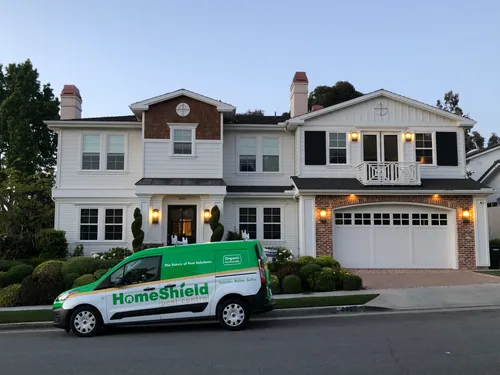
HomeShield Pest Control
6108 Venice Blvd., Los Angeles, CA 90034
HomeShield Pest Control offers eco-friendly pest control services in Los Angeles, CA. They specialize in residential and commercial pest management, including bed bug treatment, rodent control, termite inspections, and mosquito control. The company uses green pesticide solutions from EcoSMART, focusing on child and pet safety. HomeShield serves a broad area including Sacramento, the Bay Area, Orange County, San Diego, the Inland Empire, and South Florida. They emphasize a professional and ethical approach to pest control and provide a 100% service satisfaction guarantee with unlimited maintenance calls.
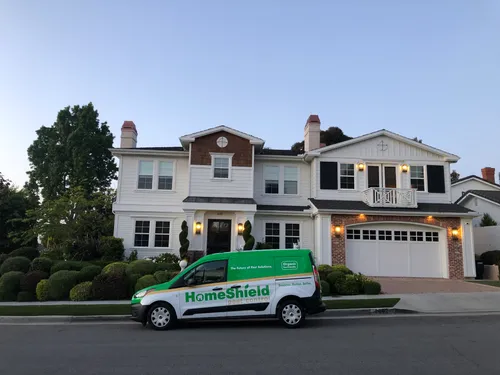
HomeShield Pest Control
701 E Ball Rd, Anaheim, CA 92805
HomeShield Pest Control offers eco-friendly pest control services in Irvine, CA, specializing in treatments for bed bugs, cockroaches, ants, rodents, termites, and mosquitoes. They provide both residential and commercial pest management using green pesticide solutions from EcoSMART. HomeShield is locally owned and focuses on safe, child- and pet-friendly pest control methods. Their service areas include multiple regions across California and South Florida. The company emphasizes a professional and ethical approach to pest control, backed by a 100% service satisfaction guarantee and unlimited maintenance visits between scheduled services.
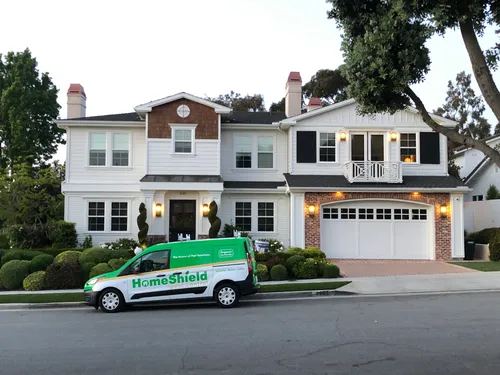
HomeShield Pest Control
2340 E Artesia Blvd, Long Beach, CA 90805
HomeShield Pest Control offers eco-friendly pest control services in Los Angeles, CA, specializing in residential and commercial pest management. Their services include bed bug treatment, rodent control, termite inspections, and mosquito control, using green products from EcoSMART. The company emphasizes safe, child- and pet-friendly solutions and provides a 100% service satisfaction guarantee with unlimited maintenance calls. HomeShield serves a broad area including Sacramento, the Bay Area, Orange County, San Diego, the Inland Empire, and South Florida.
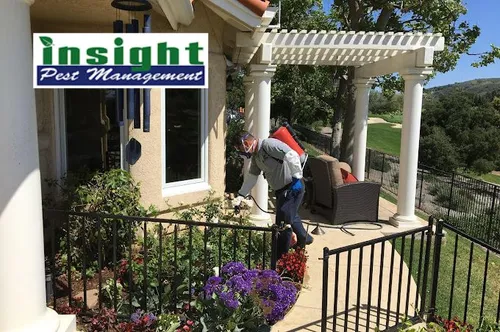
Insight Pest Management
3537 Old Conejo Rd #118, Newbury Park, CA 91320
Insight Pest Management offers pest control and termite inspection services in Los Angeles, CA. They provide personalized pest management plans for residential and commercial properties, addressing issues with termites, cockroaches, ants, rodents, and spiders. Their approach includes thorough inspections using advanced tools like moisture meters, telescoping cameras, and UV lights to detect pests and entry points. With 25 years of experience, the company emphasizes tailored solutions and ongoing prevention to protect properties from pest damage. They also offer same-day service for urgent pest problems.
Orchard Inc.
Los Angeles, CA
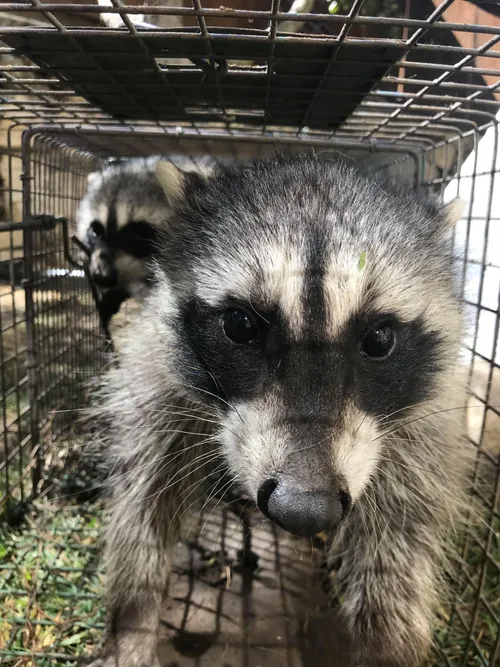
Orchard Inc. is a pest control company based in Los Angeles, CA, specializing in rodent, bird, and wildlife removal services for both residential and commercial properties. They use humane methods and combine modern techniques with proven approaches to manage infestations while respecting natural ecosystems. Orchard Inc. also offers wildlife fencing as a preventative measure to keep animals off properties. The company serves Los Angeles County and Orange County, handling a wide range of pest control needs with a focus on bird and rodent solutions.
Why Commercial Pest Management is Critical in Los Angeles
The dense urban environment, warm climate, and diverse business landscape of Los Angeles create a perfect storm for pest activity. Rodents, cockroaches, ants, and flies are not just a nuisance; they pose serious risks. An infestation can lead to health department violations, product contamination, structural damage, and a loss of customer trust. For restaurants, warehouses, hotels, office buildings, and retail spaces, a professional pest control service is a non-negotiable line of defense. These programs are designed to meet the specific regulatory demands of LA County, ensuring your business operates smoothly and safely.
The Los Angeles Commercial Pest Control Process: A Step-by-Step Overview
Leading providers in the region follow a structured, multi-phase approach centered on Integrated Pest Management (IPM) principles. This isn't a one-size-fits-all service but a customized strategy built for your unique business.
1. Comprehensive Initial Assessment & Inspection
Every effective program begins with a thorough site inspection by a trained technician. This critical first step involves:
- Identifying the pest type (e.g., German cockroaches, roof rats, Pharaoh ants) and assessing the level of infestation.
- Locating nesting sites, breeding grounds, and active harborages.
- Inspecting the exterior and interior for cracks, holes, utility penetrations, and other potential entry points.
- Reviewing sanitation practices, waste management, and identifying available food and water sources that attract pests.
This detailed inspection forms the blueprint for your entire customized pest management plan.
2. Development of a Customized IPM Plan
Based on the inspection findings, your provider will develop a tailored Integrated Pest Management strategy. IPM emphasizes prevention and uses the least risky methods first, combining multiple tactics for long-term control. A strong LA-focused plan will prioritize:
- Compliance with local health codes and providing the documentation required for audits.
- Minimizing operational disruption through flexible scheduling for treatments.
- Incorporating eco-friendly or low-impact options where effective, which is increasingly important for businesses with green initiatives.
3. Targeted Treatment & Implementation
Treatment is never just a blanket application of chemicals. Technicians employ a combination of methods tailored to the specific pest and environment:
- Sanitation & Exclusion (Cultural & Physical Controls): This is the foundation. It involves sealing cracks and gaps, improving waste management, reducing clutter, and eliminating standing water to remove the food, water, and shelter pests seek 1.
- Mechanical Controls: Installing rodent bait stations, insect monitoring traps, fly lights, and physical barriers to capture pests and monitor activity levels 2.
- Chemical Controls: When necessary, using targeted, EPA-registered pesticides. The focus is on precise application-such as gels for cockroaches or tamper-resistant bait for rodents-rather than widespread spraying, to maximize effectiveness and safety 3.
4. Ongoing Monitoring, Reporting & Prevention
Pest management is an ongoing process, not a one-time event. The best services include:
- Regular service visits on a scheduled basis (e.g., monthly, quarterly) to inspect, refresh bait stations, and address new issues.
- Detailed service reports that document findings, actions taken, and recommendations, which are vital for your compliance records.
- Staff education for your employees on how to spot signs of pests and maintain preventive practices like proper food storage and prompt spill cleanup 4.
Find the perfect commercial pest control companies for your needs
Get personalized recommendations and expert advice
Understanding Service Options & Scheduling for LA Businesses
Flexibility is key for commercial operations. Reputable pest management companies in Los Angeles offer service plans designed to fit different business needs and budgets.
- Monthly Services: Ideal for high-risk environments like restaurants, food processing facilities, and hospitals where constant vigilance is required.
- Quarterly Services: A common choice for many office buildings, retail stores, and warehouses, providing robust seasonal protection.
- One-Time or As-Needed Services: For addressing a specific, isolated issue or for businesses with very low risk profiles. During your consultation, discuss your operating hours to plan services during off-peak times, minimizing any impact on your customers or workflow.
What to Know About Commercial Pest Control Pricing in Los Angeles
Costs for business pest management in LA are typically above the national average, reflecting the region's higher operating costs and complex pest pressures. You should expect a custom quote, as pricing depends on several factors:
- Size and Type of Business: A small retail shop will differ from a large multi-building warehouse complex.
- Pest Pressure and History: The type of pest (e.g., termites vs. ants) and the severity of the issue.
- Service Frequency and Scope: A monthly IPM plan with detailed reporting will be priced differently than a quarterly basic service. While specific prices require a consultation, understanding that you are investing in a customized, compliant program-not just a commodity service-is crucial for evaluating value 5 6.
Key Considerations When Choosing a Provider in Los Angeles
Selecting the right partner is essential. Look for a company that demonstrates:
- Local Expertise & Licensing: Proper licensing for California and specific experience with LA County health department requirements.
- IPM Philosophy: A clear commitment to prevention and using a hierarchy of methods, not just chemical reliance.
- Documentation & Communication: A proven system for providing clear, detailed service reports and being responsive to your concerns.
- Commercial Specialization: Ensure they have a dedicated commercial division familiar with the unique challenges of businesses, from hotels to manufacturing plants 7.
Frequently asked questions
Sources
Footnotes
-
Pest Control For Property Management in The Coachella Valley - https://arrestapestservices.com/pest-control/property-management/ ↩
-
10 Pest Control Tools Every Technician & Company Needs [2025] - https://www.fieldroutes.com/blog/best-pest-control-equipment ↩
-
Do's and Don'ts of Pest Control | US EPA - https://www.epa.gov/safepestcontrol/dos-and-donts-pest-control ↩
-
Top 5 Methods of Pest Control | Fieldwork - https://fieldworkhq.com/2025/11/18/5-methods-of-pest-control/ ↩
-
Commercial Pest Control in Los Angeles County, CA - https://www.thepestgroup.com/commercial-pest-control-in-los-angeles-county-ca/ ↩
-
Best Pest Control Companies In Los Angeles, CA - Forbes - https://www.forbes.com/home-improvement/pest-control/local-exterminators/pest-control-companies-los-angeles-ca/ ↩
-
Eco-Friendly Commercial Pest Control in Los Angeles - https://www.pestinnovations.com/services/commercial-pest-control ↩