Find the Best Commercial Pest Control Companies for Your Business
No obligation • Fast responses • Nationwide coverage

Why you can trust Pest Crews
Pest Crews is a leading U.S. resource for finding and evaluating residential and commercial pest control services. Our team researches providers, reviews treatment approaches, and organizes unbiased information to help you make informed decisions. Companies cannot pay to change our editorial content or influence how they appear.
Search providers near you
Top Commercial Pest Control Companies in Ontario, California Ranked
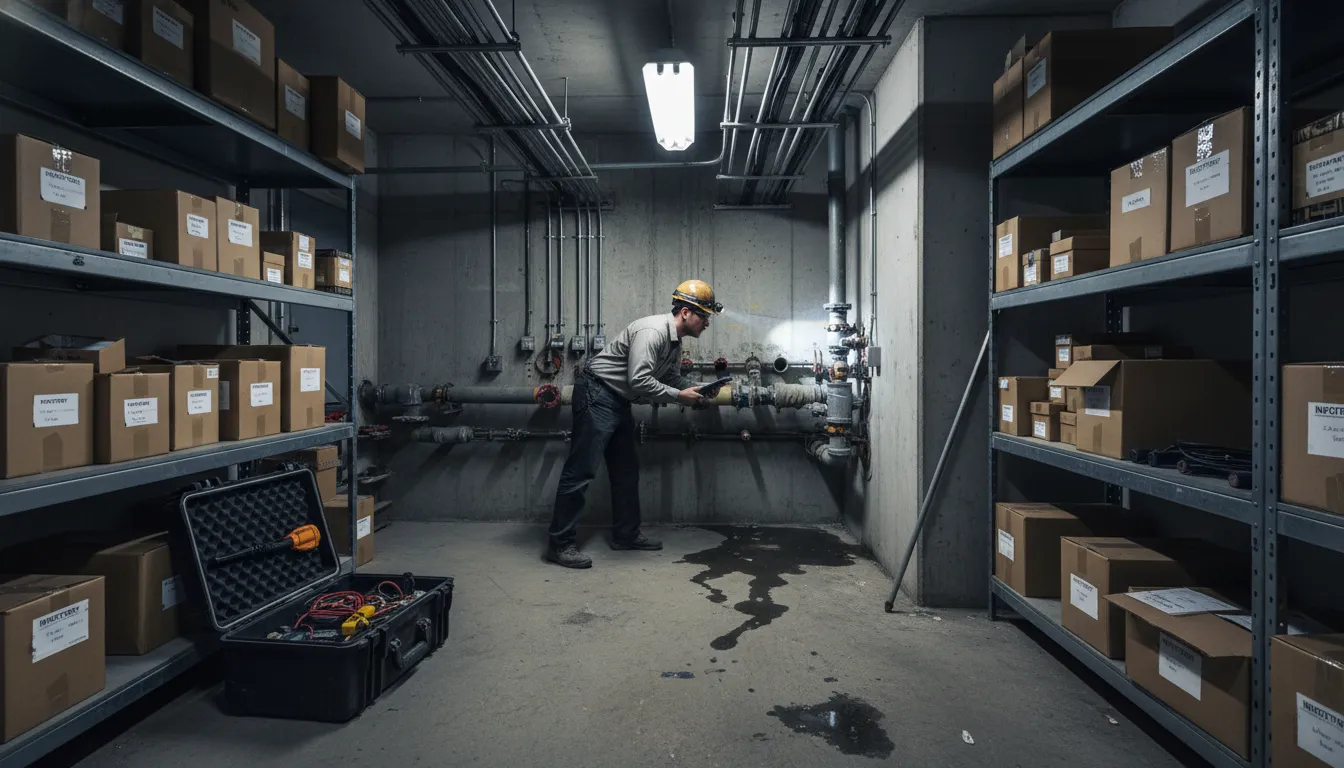
For businesses in Ontario, a proactive pest management strategy is a critical component of operational integrity, safety, and reputation. Commercial pest control is a specialized service designed to protect restaurants, warehouses, offices, retail spaces, and industrial facilities from infestations that can disrupt business, cause health violations, and damage property. This guide explains the modern, integrated approach used by local professionals, helping you understand the process, services, and considerations for finding a provider that can tailor a solution to your specific commercial needs.
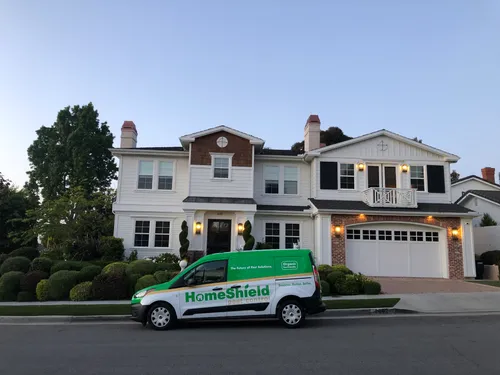
HomeShield Pest Control
701 E Ball Rd, Anaheim, CA 92805
HomeShield Pest Control offers eco-friendly pest control services in Irvine, CA, specializing in treatments for bed bugs, cockroaches, ants, rodents, termites, and mosquitoes. They provide both residential and commercial pest management using green pesticide solutions from EcoSMART. HomeShield is locally owned and focuses on safe, child- and pet-friendly pest control methods. Their service areas include multiple regions across California and South Florida. The company emphasizes a professional and ethical approach to pest control, backed by a 100% service satisfaction guarantee and unlimited maintenance visits between scheduled services.
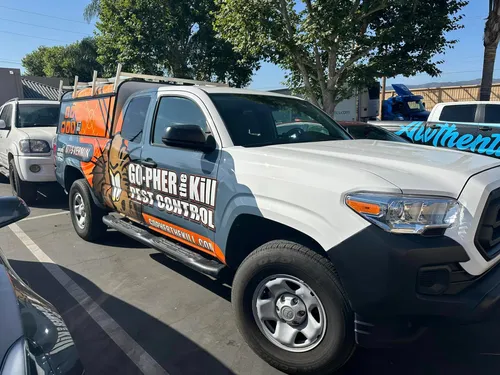
Go-Pher The Kill Pest Control Riverside
9880 Indiana Ave STE 23, Riverside, CA 92503
Go-Pher The Kill Pest Control Riverside offers pest and wildlife removal services in Riverside, CA. The company specializes in gopher control but also handles ants, roaches, spiders, rodents, and other pests for residential, commercial, and agricultural properties. They provide thorough pest inspections and ongoing protection to keep properties pest-free. Known for their expertise in gopher trapping and removal, Go-Pher The Kill has been serving the Riverside area for over seven years. Their licensed and insured team is committed to customer satisfaction with a guarantee to re-treat or refund if problems persist.
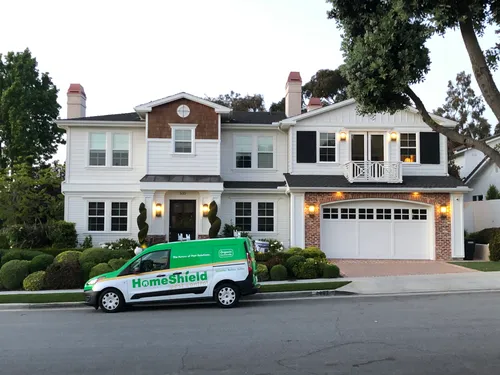
HomeShield Pest Control
850 E Parkridge Ave STE 113, Corona, CA 92879
HomeShield Pest Control offers eco-friendly pest control services in Irvine, CA, focusing on child and pet-safe solutions. They provide a range of services including home and commercial pest control, rodent and termite control, bed bug treatment, and mosquito control. HomeShield uses green pesticide products from EcoSMART, known for their 100% green insecticides. The company serves multiple regions including Orange County and the Inland Empire. They emphasize a professional and ethical approach to pest management and back their work with a 100% satisfaction guarantee and unlimited maintenance calls between scheduled services.
Orchard Inc.
Los Angeles, CA
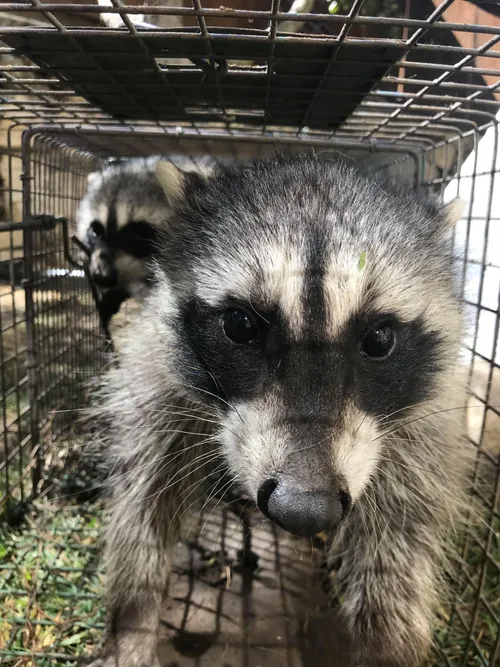
Orchard Inc. is a pest control company based in Los Angeles, CA, specializing in rodent, bird, and wildlife removal services for both residential and commercial properties. They use humane methods and combine modern techniques with proven approaches to manage infestations while respecting natural ecosystems. Orchard Inc. also offers wildlife fencing as a preventative measure to keep animals off properties. The company serves Los Angeles County and Orange County, handling a wide range of pest control needs with a focus on bird and rodent solutions.
Pro Tech Pest Elimination Inc.
9587 Arrow Route suite f, Rancho Cucamonga, CA 91730
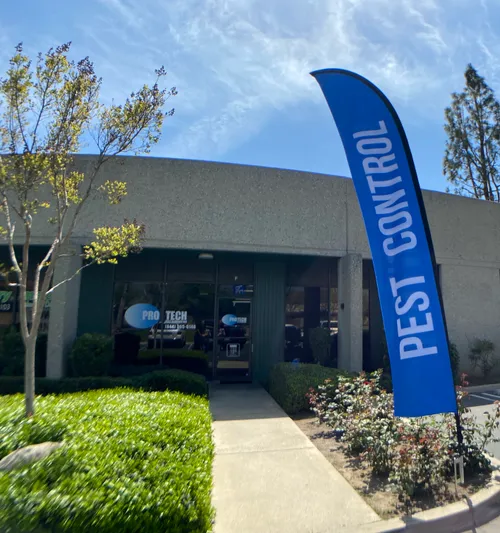
Pro Tech Pest Elimination Inc. is a pest control company serving San Bernardino, CA. They offer pest control services for both residential and commercial properties, focusing on safe and environmentally responsible solutions. Their approach aims to protect homes and businesses while maintaining customer peace of mind.
What is Integrated Pest Management (IPM)?
Modern commercial pest management in Ontario is built on the foundation of Integrated Pest Management (IPM). This is a sustainable, science-based approach that prioritizes long-term prevention and uses a combination of techniques to manage pest problems with the least possible hazard to people, property, and the environment. Unlike reactive spraying, IPM is a cyclical process of inspection, identification, treatment, and monitoring. It starts with a thorough understanding of why pests are present before deciding how to address them, aiming to eliminate the root causes of infestations.
The Core Principles of a Commercial IPM Program
A successful commercial IPM program follows a structured sequence:
- Inspection and Pest Identification: The first step is a detailed site assessment. A technician will identify the specific pest species (e.g., German cockroaches, roof rats, Pharaoh ants), locate entry points, and note "conducive conditions" like moisture issues, food debris, or structural gaps that attract pests 1.
- Prevention and Action Thresholds: IPM focuses first on making the environment less inviting. This involves recommending sanitation improvements, waste management changes, and physical exclusion work. Action thresholds are established-determining the level of pest activity that requires intervention to prevent unacceptable damage or health risks 2.
- Control Methods: When action is needed, control methods are chosen from a hierarchy, starting with the least risky:
- Cultural & Mechanical Controls: Improving sanitation, storing food in sealed containers, using traps and monitors, and sealing cracks and holes (exclusion) 3.
- Monitoring and Documentation: Ongoing success relies on regular follow-up inspections. Technicians monitor bait stations, traps, and activity levels, keeping detailed logs of all observations and actions taken. This allows for strategy adjustments and provides a clear record for health inspections or facility audits 6.
Common Commercial Pest Control Services in Ontario
Local providers offer a range of specialized services to address the diverse pest pressures faced by Ontario businesses. These services are often bundled into a customized IPM plan.
General Pest Management
This is the core service for ongoing protection against common invaders like ants, cockroaches, spiders, silverfish, and occasional invaders. For restaurants, food processing plants, and warehouses, this service is non-negotiable for health code compliance and product safety. A general service plan typically includes regular inspections, monitoring devices, and targeted treatments as needed.
Rodent Control and Exclusion
Rodents (mice and rats) pose significant threats to property (gnawing wires, insulation) and health (contaminating surfaces). Commercial rodent control emphasizes exclusion-sealing the exterior of a building to block entry points-combined with strategic interior trapping and baiting programs placed in tamper-resistant stations for safety.
Termite and Wood-Destroying Insect Control
Protecting your physical asset is paramount. Termite inspections and treatments are critical for any commercial property, especially those with wood components. Services include soil treatments, baiting systems, and wood treatments designed to eliminate colonies and prevent costly structural damage.
Specialty and Nuisance Wildlife Services
Some pests require unique expertise. This category includes the humane removal and exclusion of birds from warehouses or loading docks, beehive and wasp nest relocation, and protocols for challenging pests like bed bugs in hotels or office settings.
Find the perfect commercial pest control companies for your needs
Get personalized recommendations and expert advice
The Commercial Service Process: What to Expect
Understanding the typical workflow can help you partner more effectively with your chosen pest management professional.
- Initial Consultation and Quote: A representative will visit your facility to discuss your concerns, conduct a preliminary inspection, and assess the scope of work. They will explain their IPM philosophy and provide a detailed proposal outlining recommended services, frequency, and cost.
- Comprehensive Initial Service: If you proceed, the first service visit is the most intensive. It involves the detailed inspection and identification phase, implementation of initial control measures (like placing bait stations, sealing entry points), and providing a report with immediate recommendations for sanitation or maintenance 7.
- Ongoing Maintenance Visits: Based on your plan (e.g., monthly, bi-monthly, quarterly), a technician will perform scheduled inspections. They will service monitoring devices, assess activity, apply any necessary targeted treatments, and update the service log. This consistent presence is key to prevention.
- Communication and Reporting: A reputable provider will maintain open lines of communication, alerting you to any increased activity and providing formal documentation of all services rendered, which is invaluable for management records and health inspections.
Understanding Costs for Commercial Pest Management
Pricing for commercial pest management in Ontario is not one-size-fits-all; it is highly customized. Several factors influence the cost, making it essential to get site-specific quotes 8.
- Type and Size of Business: A large restaurant or food warehouse with complex sanitation challenges will have different requirements and costs than a small office building.
- Level of Pest Pressure: The extent of an existing infestation or the historical pest pressure in the area and building will affect the initial service intensity and ongoing plan needs.
- Service Frequency: More frequent visits (monthly vs. quarterly) will increase the overall cost but provide a higher level of vigilance and prevention.
- Scope of Services: A plan that includes general pests, rodent exclusion, and fly control will cost more than a basic ant and cockroach service.
Costs are typically structured as a one-time fee for the initial deep-clean and setup service, followed by recurring fees for the ongoing maintenance plan. These recurring fees can range significantly based on the factors above, often falling within a monthly or per-visit range that reflects the tailored nature of the program 9.
Choosing a Provider in Ontario: Key Questions to Ask
Selecting the right pest management partner is a business decision. Here are vital questions to pose during the consultation:
- What is your experience with businesses in my specific industry? (e.g., food service, healthcare, manufacturing).
- Can you detail your IPM approach and explain how you minimize pesticide use?
- What does your service documentation/reporting look like? Can it help with health inspections?
- Are your technicians licensed, bonded, and insured for commercial work in California?
- What are your response protocols for emergency service calls between scheduled visits?
- Can you provide references from other commercial clients in Ontario?
Frequently asked questions
Sources
Footnotes
-
Important Components of a Successful Pest Management Program | USU - https://extension.usu.edu/planthealth/research/sucessful-pest-managment-program ↩
-
Integrated Pest Management (IPM): A Sustainable Approach to Pest ... - https://hgic.clemson.edu/factsheet/iintegrated-pest-management-ipm-a-sustainable-approach-to-pest-management/ ↩
-
Comprehensive Guide to Commercial Pest Services - - https://callbama.com/comprehensive-guide-to-commercial-pest-services/ ↩
-
9211 Integrated Pest Management Policy - Wilkes County Schools - https://www.wilkescountyschools.org/apps/pages/index.jsp?uREC_ID=1030055&type=d&pREC_ID=1333780 ↩
-
Unit 1: Principles of Pest Control - CTAHR.hawaii.edu - https://cms.ctahr.hawaii.edu/epp/Education/Study-Guide-Packets/APC-Core/APC-Unit1 ↩
-
3 Principles of Integrated Pest Management (IPM) | Aberdeen, NC - https://www.naturesselect.com/blog/3-principles-of-integrated-pest-management-ipm/ ↩
-
Commercial Pest Control in Ontario, CA - Top-Rated ... - https://antsrodentsontario.com/commercial-pest-control/ ↩
-
Ontario Pest Control - #1 in Pest Solutions ($57 Plans) - https://www.precisionpest.org/pest-control/ontario-ca ↩
-
Vaughan Pest Control ON L6A 3B8 - Pest Line - https://pestline.ca/pest-control-vaughan/ ↩