Find the Best Commercial Pest Control Companies for Your Business
No obligation • Fast responses • Nationwide coverage

Why you can trust Pest Crews
Pest Crews is a leading U.S. resource for finding and evaluating residential and commercial pest control services. Our team researches providers, reviews treatment approaches, and organizes unbiased information to help you make informed decisions. Companies cannot pay to change our editorial content or influence how they appear.
Search providers near you
Top Commercial Pest Control Companies in Redwood City, California Ranked
For any business in Redwood City, maintaining a pest-free environment is a critical component of operations, reputation, and regulatory compliance. Commercial pest management is a specialized service designed to protect businesses from the health risks, property damage, and liability associated with pests. This guide explains the core components of professional pest control for businesses, from inspection to ongoing maintenance, and how to find local experts who can tailor a plan to your specific commercial needs.
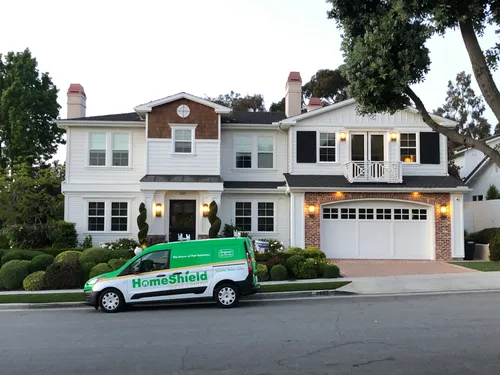
HomeShield Pest Control
999 Sutter St #202, San Francisco, CA 94109
HomeShield Pest Control offers eco-friendly pest control services in San Jose, CA, specializing in residential and commercial pest management. Their services include treatment for bed bugs, cockroaches, ants, rodents, termites, and mosquitoes, using green products from EcoSMART. HomeShield is locally owned and focuses on safe, child- and pet-friendly solutions. They serve a broad area including the Bay Area and Southern California. The company emphasizes a professional and ethical approach to pest control and provides a 100% service satisfaction guarantee with unlimited maintenance calls between scheduled visits.
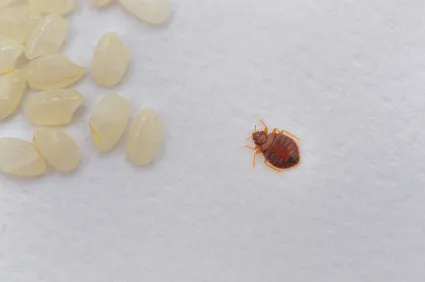
Bed Bug Exterminator San Francisco
2263 Market St, San Francisco, CA 94114
Bed Bug Exterminator San Francisco provides comprehensive pest control services in San Jose, CA. They specialize in bed bug treatment using eco-friendly heat treatment, steam, and cryonite methods tailored to each infestation. Their services also include control of ants, cockroaches, rodents, termites, mosquitoes, bees, wasps, and other pests. The company is licensed and insured, following local regulations for structural pest control. They offer free inspections and detailed treatment plans to ensure effective pest management across residential and commercial properties. Serving a wide area around San Jose, they emphasize safety and customized solutions.

Advanced Integrated Pest Management
1605 Remuda Ln, San Jose, CA 95131
Advanced Integrated Pest Management provides pest control services in San Jose, CA, specializing in managing insects, rodents, and other pests for homes and businesses. They serve neighborhoods throughout Santa Clara County, including Blossom Valley, Berryessa, Robertsville, and Fruitdale. Their services include cockroach, ant, spider, mosquito, and rodent control, with a focus on proactive prevention to reduce infestations. Advanced IPM emphasizes tailored pest management solutions and offers resources like a pest library and advice for year-round pest control.
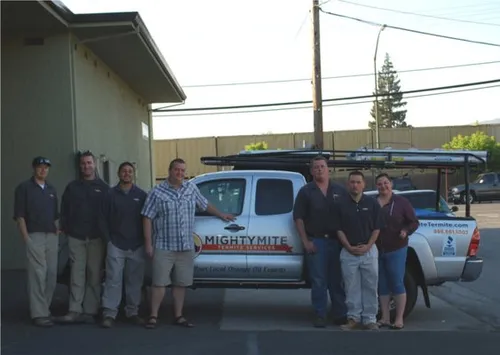
MightyMite Termite Services
215 E Hacienda Ave, Campbell, CA 95008
MightyMite Termite Services provides termite and pest control for residential and commercial properties in San Jose, CA. They use state-of-the-art, low-toxicity treatment methods to eliminate termites without tenting, allowing customers to remain in their homes during treatment. The company offers thorough inspections and effective treatments backed by unmatched warranties and an industry-best no call-back rate. With a combined 80 years of experience, MightyMite Termite Services is licensed and bonded, serving the Bay Area and Monterey Counties.
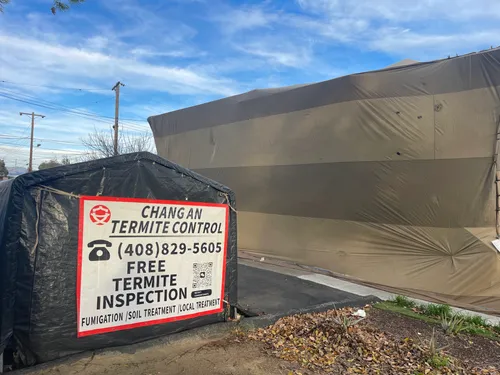
Chang An Termite Control 长安白蚁防治
Fremont, CA
Chang An Termite Control 长安白蚁防治 is a termite control company serving Fremont, CA, specializing in residential and commercial termite inspections and treatments. Their licensed and state-certified staff use the latest technology and tools to provide termite control, soil treatment, local treatment, and fumigation services. The company was founded by industry experts with a proven track record, focusing on protecting properties from termite damage through thorough inspections and effective fumigation.
What is Commercial Pest Management?
Unlike residential services, commercial pest control is a systematic, ongoing partnership focused on prevention, documentation, and minimal operational disruption. It involves creating a customized Integrated Pest Management (IPM) plan that addresses the unique vulnerabilities of a business property, whether it's a restaurant, warehouse, office, or retail store. The goal is to proactively manage pest pressures through a combination of methods, ensuring a safe and compliant environment for employees, customers, and inventory.
The Commercial Pest Control Process: A Step-by-Step Overview
A professional commercial pest management program is methodical and transparent. It typically follows these key stages:
1. Initial Inspection and Risk Assessment
The foundation of any effective program is a thorough inspection. A certified technician will conduct a detailed walk-through of your property's interior and exterior. They will identify potential entry points, assess sanitation practices, look for moisture issues, and search for signs of current pest activity. This assessment, which includes areas like loading docks, dumpster pads, roof spaces, and drains, helps determine the specific risks your business faces.
2. Development of a Custom Integrated Pest Management (IPM) Plan
Based on the inspection findings, the provider will develop a written IPM plan. This plan is your roadmap for pest management and outlines the specific strategies to be employed. A true IPM plan prioritizes non-chemical methods first and uses pesticides as a targeted last resort, focusing on long-term prevention 1.
3. Implementation of Treatment Strategies
Treatment is carried out according to the IPM plan and typically combines multiple approaches:
- Sanitation and Cultural Controls: This involves recommendations to eliminate pest attractants, such as improving trash management, fixing leaks, and storing food in sealed containers. The business owner plays a key role in this step.
- Mechanical and Physical Controls: These are actions that physically block or remove pests, like sealing cracks and crevices, installing door sweeps, using traps for rodents, and applying bird exclusion devices.
- Chemical Controls: When necessary, pesticides are used in a targeted, judicious manner. This includes placing insect bait stations in strategic locations, applying crack-and-crevice treatments, or using perimeter barrier sprays. The emphasis is on precision and safety.
4. Ongoing Monitoring, Documentation, and Follow-Up
A one-time treatment is rarely sufficient for a business. Ongoing service includes regular visits (monthly, quarterly, etc.) where the technician monitors activity, refreshes bait stations, and documents all findings and actions in a service log. This documentation is crucial for health inspections and verifying compliance. The plan is continuously adjusted based on monitoring results 2.
Find the perfect commercial pest control companies for your needs
Get personalized recommendations and expert advice
Common Commercial Pests in Redwood City and Targeted Strategies
Different pests require different tactics. Here's how professionals address common commercial pest problems:
- Insects (Ants, Cockroaches, Flies): These pests are often attracted to food and moisture. Treatment focuses on sanitation, sealing entry points, and using insect bait gels or stations that target the colony. In food service areas, treatments are carefully placed in drains and under equipment to avoid contamination.
- Rodents (Mice and Rats): Rodents can cause significant damage and spread disease. A commercial plan employs a strategic combination of tamper-resistant bait stations and mechanical traps placed along walls and in hidden areas. The most critical step is exclusion-sealing every possible entry hole, even those as small as a dime 3.
- Specialized Pests: Some infestations require expert solutions.
- Termites: For subterranean termites, a commercial plan may involve installing in-ground baiting systems or applying liquid termiticides to create a chemical barrier around the foundation 4.
- Birds: Bird control for commercial properties uses humane deterrents like spikes, netting, or repellent gels to prevent roosting and nesting, which can damage structures and create sanitation issues 5.
Understanding Service Frequency and Pricing
The cost and schedule for commercial pest management are not one-size-fits-all. They are determined by several key factors related to your business.
Primary Factors Influencing Cost:
- Business Type & Risk Level: A restaurant or food processing plant is considered high-risk due to health codes and will require more intensive, frequent service than a corporate office.
- Property Size & Complexity: The square footage and number of buildings directly impact the scope of work.
- Type and Severity of Pest: A current infestation, especially of a pest like termites, will cost more to resolve than a preventative maintenance plan.
- Service Frequency: More frequent visits generally mean a higher annual cost but provide greater protection.
Typical Service Schedules:
- Monthly Service: Standard for high-risk businesses like restaurants, hotels, and healthcare facilities. Ongoing monitoring is essential for compliance. Monthly plans can range from $200 to over $1,000+ per month depending on the factors above 6 7 8.
- Quarterly Service: Common for lower-risk environments like office buildings, retail stores, and some warehouses. This schedule is often more cost-effective per visit and is increased to monthly during peak pest seasons if needed.
- One-Time or Per-Visit Service: Often used for initial corrective treatments for a severe infestation or for a single specific issue. General per-visit costs can start around $100-$200+, but specialized treatments (e.g., for termites) will be significantly higher 9 10.
Tailoring Pest Management to Your Business Type
The best pest management strategy aligns with your daily operations.
- Restaurants & Food Service: Requires the most rigorous program. Monthly service is non-negotiable, with a strong focus on sanitation support, drain line treatments, and managing grease and waste. Documentation for health inspectors is a key deliverable.
- Warehouses & Logistics Centers: These facilities face pests from loading docks and shipments. Service often combines monthly exterior monitoring with interior baiting programs for rodents and insects. Attention is paid to pallet storage and perimeter sealing.
- Office Buildings & Retail Spaces: Quarterly service is typically sufficient, focusing on perimeter defense, common areas, and break rooms. The goal is to be discreet and minimize any disruption to employees or customers.
Finding a Commercial Pest Control Provider in Redwood City
When seeking a pest management partner for your business, look for licensed, insured companies with specific experience in commercial IPM. They should offer free, detailed inspections and provide a clear, written plan and service agreement. Local providers familiar with Redwood City's specific pest pressures and business environment, such as those found through local business directories, can be valuable partners in protecting your investment 11.
Frequently asked questions
Sources
Footnotes
-
What are the 3 Methods of Pest Control? | Virtual College - https://www.virtual-college.co.uk/resources/3-methods-of-pest-control ↩
-
Top 5 Methods of Pest Control | Fieldwork - https://fieldworkhq.com/2025/11/18/5-methods-of-pest-control ↩
-
The Ultimate Guide to Commercial Pest Control in Northern ... - https://shelbyspestcontrolpro.com/the-ultimate-guide-to-commercial-pest-control-in-northern-california/ ↩
-
The ultimate guide to different types of pest control services | GorillaDesk - https://gorilladesk.com/learn/types-of-pest-control-services/ ↩
-
Pest Problem Resolution - https://pestcontrolconsultant.com/pest-problem-resolution/ ↩
-
Commercial Pest Control for Businesses - LockLichim - https://goteamtrust.com/blog/pest-control/commercial-pest-control ↩
-
Eco-Friendly Commercial Pest Control in Los Angeles - https://www.pestinnovations.com/services/commercial-pest-control ↩
-
What is Commercial Pest Control? - https://calpropestcontrol.com/blog/what-is-commercial-pest-control-a-complete-guide-for-business-owners/ ↩
-
The ultimate guide to pest control pricing - Method CRM - https://www.method.me/pricing-guides/pest-control-prices-list/ ↩
-
Comprehensive Guide to Commercial Pest Services - - https://callbama.com/comprehensive-guide-to-commercial-pest-services/ ↩
-
TOP 10 BEST Pest Control in Redwood City, CA - Yelp - https://m.yelp.com/search?find_desc=Pest+Control&find_loc=Redwood+City%2C+CA ↩