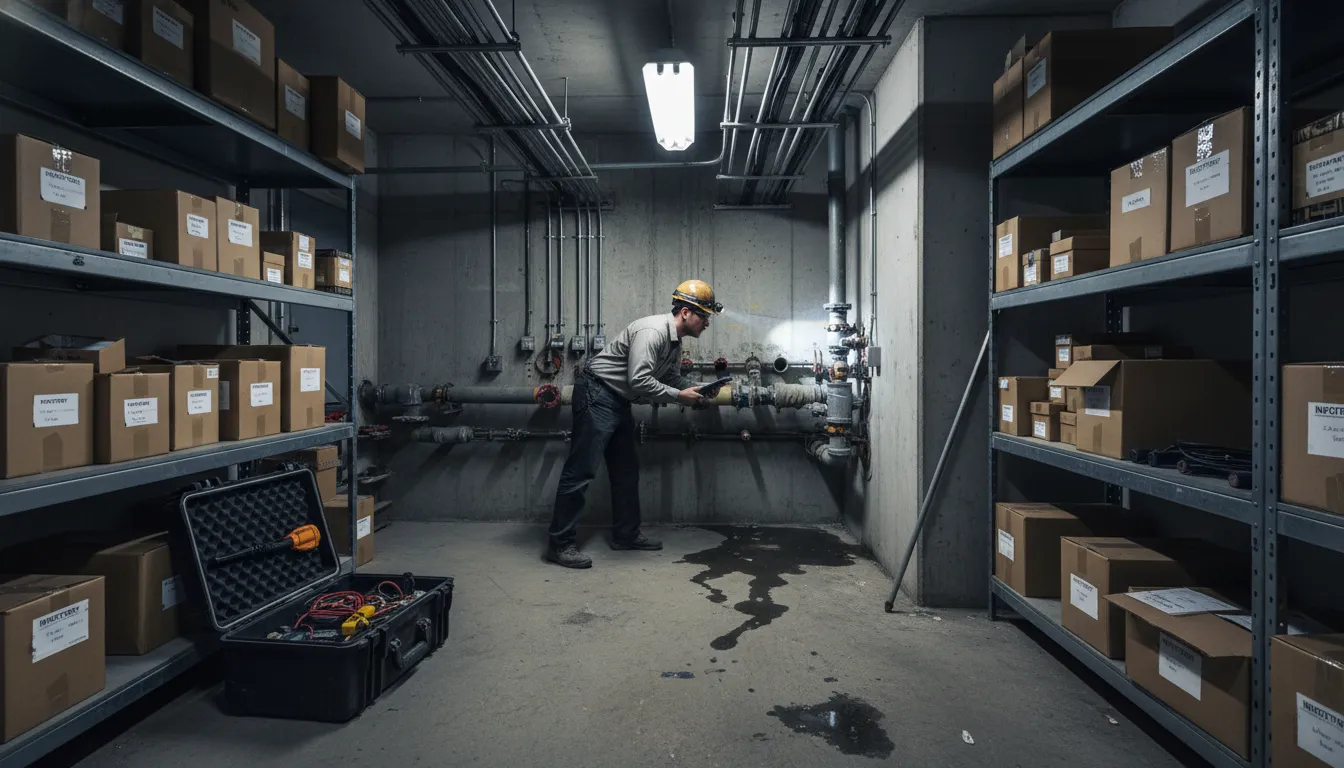
Find the Best Commercial Pest Control Companies for Your Business
No obligation • Fast responses • Nationwide coverage
Why you can trust Pest Crews
Pest Crews is a leading U.S. resource for finding and evaluating residential and commercial pest control services. Our team researches providers, reviews treatment approaches, and organizes unbiased information to help you make informed decisions. Companies cannot pay to change our editorial content or influence how they appear.
Search providers near you
Top Commercial Pest Control Companies in Santa Clara, California Ranked
For businesses in Santa Clara, maintaining a pest-free environment is a critical component of operations, reputation, and regulatory compliance. Commercial pest control is a specialized service focused on protecting restaurants, offices, warehouses, and retail spaces from infestations that can disrupt business, damage property, and pose health risks. This guide explains the modern, integrated approach to pest management, helping you understand the process and identify qualified local professionals who can create a customized protection plan for your specific needs.

Advanced Integrated Pest Management
1605 Remuda Ln, San Jose, CA 95131
Advanced Integrated Pest Management provides pest control services in San Jose, CA, specializing in managing insects, rodents, and other pests for homes and businesses. They serve neighborhoods throughout Santa Clara County, including Blossom Valley, Berryessa, Robertsville, and Fruitdale. Their services include cockroach, ant, spider, mosquito, and rodent control, with a focus on proactive prevention to reduce infestations. Advanced IPM emphasizes tailored pest management solutions and offers resources like a pest library and advice for year-round pest control.
MightyMite Termite Services
215 E Hacienda Ave, Campbell, CA 95008
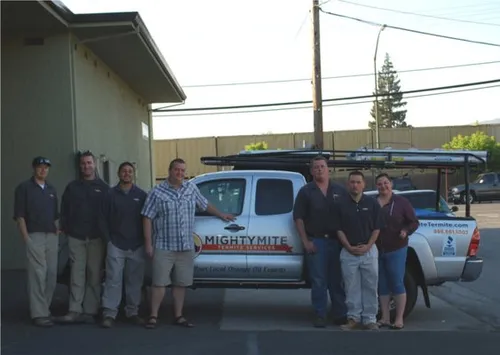
MightyMite Termite Services provides termite and pest control for residential and commercial properties in San Jose, CA. They use state-of-the-art, low-toxicity treatment methods to eliminate termites without tenting, allowing customers to remain in their homes during treatment. The company offers thorough inspections and effective treatments backed by unmatched warranties and an industry-best no call-back rate. With a combined 80 years of experience, MightyMite Termite Services is licensed and bonded, serving the Bay Area and Monterey Counties.
Chang An Termite Control 长安白蚁防治
Fremont, CA
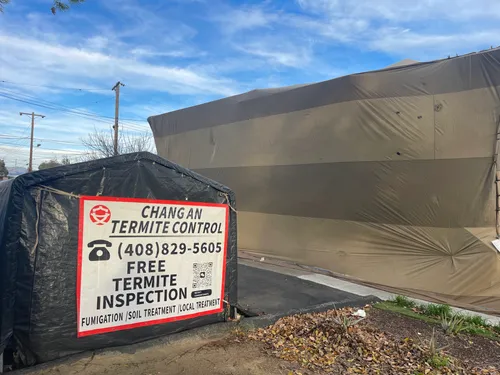
Chang An Termite Control 长安白蚁防治 is a termite control company serving Fremont, CA, specializing in residential and commercial termite inspections and treatments. Their licensed and state-certified staff use the latest technology and tools to provide termite control, soil treatment, local treatment, and fumigation services. The company was founded by industry experts with a proven track record, focusing on protecting properties from termite damage through thorough inspections and effective fumigation.

Critter Control of San Jose
San Jose, CA
Critter Control of San Jose provides pest and wildlife removal services in San Jose, CA. Since 1983, the company has focused on humane and environmentally responsible methods for handling nuisance animals. They serve both residential and commercial clients, using integrated and ecologically sound techniques to address issues involving rodents, cockroaches, and other wildlife. The company is independently operated by Bay Area Trapping, Inc., and offers solutions to prevent recurring animal problems.

Got Gophers
San Jose, CA
Got Gophers is a pest control company serving San Jose, CA, and the broader Bay Area. They specialize in removing rodents and wildlife such as gophers, ground squirrels, raccoons, rats, skunks, moles, and voles from residential and commercial properties. Their services include critter removal, cleanup, repair, and exclusion work like fencing and netting to prevent future infestations. The company is fully licensed and bonded, with a team that has over 75 years of combined experience in pest control. Got Gophers offers tailored plans for various property types, including agricultural and industrial sites, and provides follow-up visits to address new pest activity.
What is Commercial Pest Management?
Commercial pest management, often called business pest control, is a professional service designed to prevent, monitor, and eliminate pests in non-residential settings. Unlike one-time residential treatments, commercial pest management involves ongoing, scheduled service tailored to the unique risks and regulations of a business. In Santa Clara, this is especially important due to the dense urban environment, diverse business types (from tech campuses to food service), and California's specific environmental and health regulations. The goal is to provide a comprehensive shield, ensuring your business remains safe, sanitary, and compliant with health codes.
The Core Principles: Integrated Pest Management (IPM)
The industry standard for effective commercial pest control is Integrated Pest Management (IPM). IPM is a sustainable, science-based approach that prioritizes long-term prevention over reactive spraying. It focuses on solving the root cause of pest problems rather than just treating the symptoms. A professional IPM program for your Santa Clara business typically follows a structured cycle:
- Inspection and Monitoring: A licensed technician conducts a thorough inspection to identify pests, assess infestation levels, and pinpoint conditions that attract them.
- Prevention: This is the cornerstone of IPM. Actions are taken to make the environment less inviting to pests, such as sealing entry points (exclusion), improving sanitation, and managing waste.
- Identification: Accurate pest identification is crucial for determining the most effective, targeted control methods.
- Control: When action is needed, methods are chosen in a hierarchy, starting with the least risky. This means using traps or barriers (mechanical controls) before considering the careful application of EPA-approved pesticides as a last resort 1.
- Evaluation and Documentation: The program's effectiveness is regularly reviewed, and all inspections, actions, and monitoring results are documented for your records and compliance needs.
The Commercial Service Process: From Assessment to Ongoing Care
Initial Risk Assessment and Custom Plan Development
The first step with a professional provider is a detailed evaluation of your property. This goes beyond looking for bugs. A technician will perform a risk assessment to identify potential entry points, sources of food and water, and harborage sites. They will also conduct an environmental evaluation, checking for moisture issues, clutter, and sanitation practices that could contribute to pest problems. For a restaurant, this might focus on kitchen and storage areas; for a warehouse, it might center on loading docks and perimeter walls. Based on this assessment, the provider will develop a customized plan that outlines the specific services, treatment methods, and service frequency required for your business.
Key Service Components for Santa Clara Businesses
Local commercial pest control services address the pests most common to the Silicon Valley area. Key service components include:
- Rodent Proofing and Control: Rodents like mice and rats are a major concern. Services include interior and exterior trapping, baiting (in tamper-resistant stations), and extensive exclusion work to seal gaps in foundations, around pipes, and in eaves.
- Insect Control: This covers a wide range of pests including ants (especially Argentine ants), cockroaches, spiders, and stored product pests. Treatments emphasize targeted applications and insect growth regulators that disrupt breeding cycles.
- Termite Inspections and Control: Given the risk in California, many commercial plans include termite inspections. If found, treatments may involve soil treatments, baits, or wood treatments, depending on the construction of the building.
- Sanitation and Exclusion Recommendations: A vital part of the service is providing a detailed report with recommendations for your staff, such as improving waste management, storing food in sealed containers, and maintaining landscaping to reduce pest harborage.
Ongoing Maintenance and Monitoring
A one-time treatment is rarely sufficient for a commercial property. Ongoing maintenance involves regular service visits (e.g., monthly, quarterly) where a technician will inspect monitoring devices, refresh bait stations, check exclusion points, and look for any new signs of activity. This proactive approach ensures small issues are caught early before they become full-blown infestations. Consistent documentation during these visits also provides a valuable paper trail for health inspectors or corporate audits.
Find the perfect commercial pest control companies for your needs
Get personalized recommendations and expert advice
What to Look for in a Santa Clara Commercial Pest Control Provider
Choosing the right partner is essential. Here are key factors to consider:
- Proper Licensing: Always verify that the company is licensed by the California Department of Consumer Affairs' Structural Pest Control Board. This ensures they have met the state's requirements for training and insurance.
- Experience with Local Pests and Regulations: A provider familiar with Santa Clara and the broader Bay Area will understand local pest pressures, seasonal trends, and specific county or city health code requirements 2.
- IPM Philosophy: Seek out companies that explicitly promote IPM strategies. They should emphasize inspection, prevention, and non-chemical methods first 3 4.
- Customization and Communication: The provider should be willing to create a plan specific to your business, not offer a one-size-fits-all package. Clear communication and detailed service reports are also hallmarks of a professional service.
Understanding Service Options and Investment
Commercial pest management is an investment in your business's safety and integrity. Pricing varies widely based on several factors: the size and type of your facility (a small office vs. a large food processing plant), the specific pests being targeted, the complexity of the infestation, and the agreed-upon service frequency 5 6. Most reputable Santa Clara providers, such as those listed in local directories, offer free, detailed quotes 7. This quote should break down the initial service cost and the recurring fee for the maintenance plan, giving you a clear picture of the annual investment. The focus should be on the value of protection and risk mitigation, not just the lowest price 6.
The Critical Role of Prevention: A Partnership with Your Provider
Effective commercial pest management is a partnership. While the pest control company provides expertise and service, business owners and staff play a crucial role in prevention. Key "Do's and Don'ts" include 8:
- DO promptly clean up spills and crumbs, especially in break rooms and kitchens.
- DO store food, including pet food, in sealed containers.
- DO manage waste by using tightly sealed dumpsters and having them emptied regularly.
- DO report any signs of pest activity (droppings, gnaw marks, insects) to your service provider immediately.
- DON'T ignore small cracks or gaps around doors, windows, and utility lines. Seal them promptly.
- DON'T allow standing water to accumulate, as it attracts pests.
- DON'T attempt to use over-the-counter pesticides in a commercial setting, as this can disrupt professional treatments and violate safety protocols.
By combining professional service with diligent in-house practices, Santa Clara businesses can achieve and maintain a consistently pest-free environment.
Frequently asked questions
Sources
Footnotes
-
Top 5 Methods of Pest Control | Fieldwork - https://fieldworkhq.com/2025/11/18/5-methods-of-pest-control/ ↩
-
Commercial Pest Control in Santa Clara, California - https://coastaltermite.com/commercial-pest-control/ ↩
-
3 Principles of Integrated Pest Management (IPM) | Aberdeen, NC - https://www.naturesselect.com/blog/3-principles-of-integrated-pest-management-ipm/ ↩
-
Effective Pest Control Methods: Best Practices & Strategies - FieldRoutes - https://www.fieldroutes.com/blog/pest-control-methods ↩
-
Commercial Pest Control Services in Santa Clara That Keep ... - https://www.fastpestsolutions.com/pest-control-services/commercial-pest-control-services ↩
-
The Complete Guide to Choosing Professional Pest Control - https://thrasherpestcontrol.com/the-complete-guide-to-choosing-professional-pest-control-why-experience-and-expertise-matter-more-than-price/ ↩ ↩2
-
THE BEST 10 Pest Control Companies in Santa Clara, CA - Yelp - https://m.yelp.com/search?find_desc=Pest+Control+Companies&find_loc=Santa+Clara%2C+CA ↩
-
Do's and Don'ts of Pest Control | US EPA - https://www.epa.gov/safepestcontrol/dos-and-donts-pest-control ↩