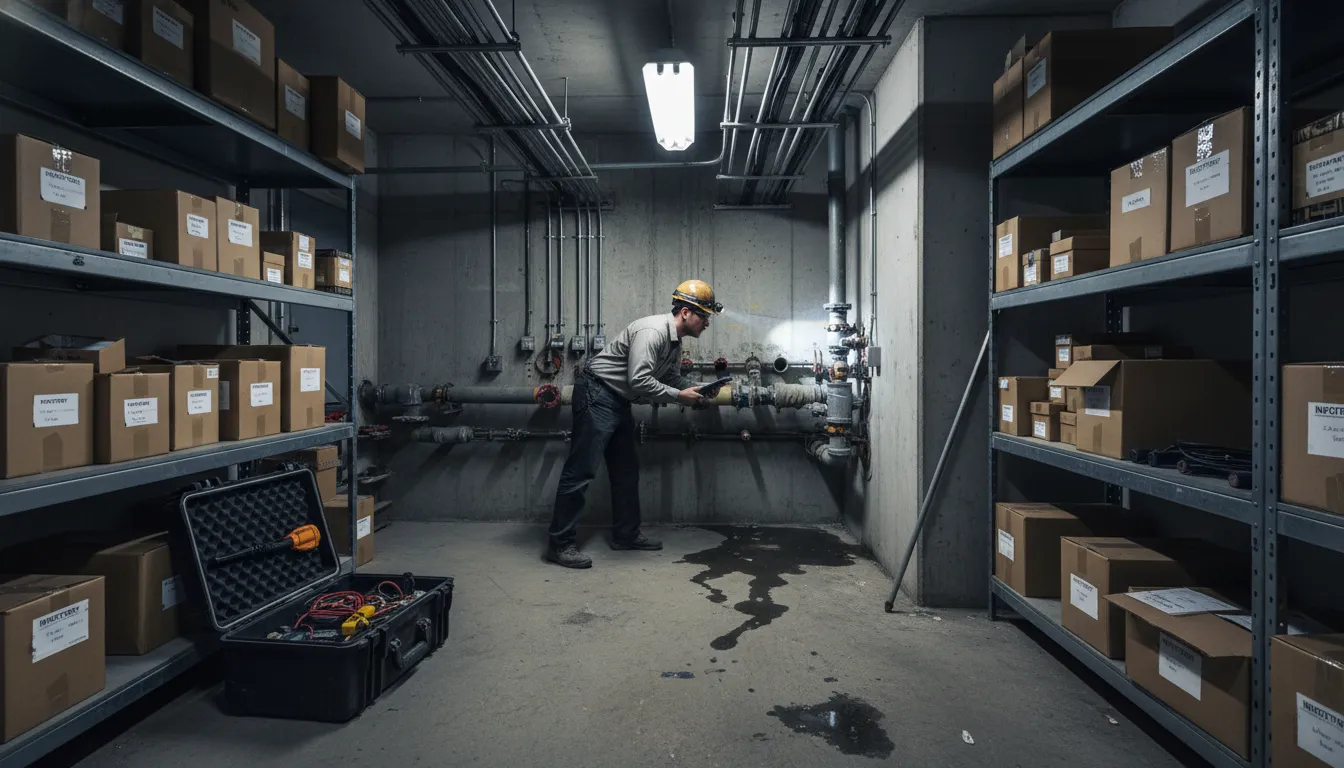
Find the Best Commercial Pest Control Companies for Your Business
No obligation • Fast responses • Nationwide coverage
Why you can trust Pest Crews
Pest Crews is a leading U.S. resource for finding and evaluating residential and commercial pest control services. Our team researches providers, reviews treatment approaches, and organizes unbiased information to help you make informed decisions. Companies cannot pay to change our editorial content or influence how they appear.
Search providers near you
Top Commercial Pest Control Companies in Thousand Oaks, California Ranked
For businesses in Thousand Oaks, maintaining a pest-free environment is a critical component of operations, reputation, and regulatory compliance. Commercial pest management is a specialized service designed to protect restaurants, offices, warehouses, retail spaces, and industrial facilities from infestations that can disrupt business, contaminate products, and pose health risks. This resource connects you with local professionals who understand the unique challenges of Ventura County businesses, offering tailored solutions that go beyond simple spray treatments to create sustainable, long-term protection for your property and peace of mind.
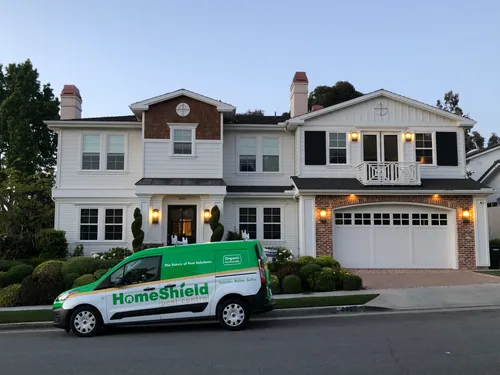
HomeShield Pest Control
6108 Venice Blvd., Los Angeles, CA 90034
HomeShield Pest Control offers eco-friendly pest control services in Los Angeles, CA. They specialize in residential and commercial pest management, including bed bug treatment, rodent control, termite inspections, and mosquito control. The company uses green pesticide solutions from EcoSMART, focusing on child and pet safety. HomeShield serves a broad area including Sacramento, the Bay Area, Orange County, San Diego, the Inland Empire, and South Florida. They emphasize a professional and ethical approach to pest control and provide a 100% service satisfaction guarantee with unlimited maintenance calls.
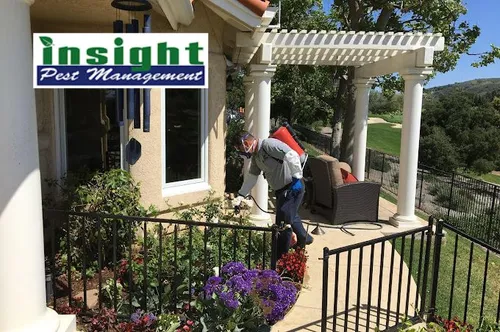
Insight Pest Management
3537 Old Conejo Rd #118, Newbury Park, CA 91320
Insight Pest Management offers pest control and termite inspection services in Los Angeles, CA. They provide personalized pest management plans for residential and commercial properties, addressing issues with termites, cockroaches, ants, rodents, and spiders. Their approach includes thorough inspections using advanced tools like moisture meters, telescoping cameras, and UV lights to detect pests and entry points. With 25 years of experience, the company emphasizes tailored solutions and ongoing prevention to protect properties from pest damage. They also offer same-day service for urgent pest problems.
CVA Exterminators, Inc.
28150 Ave Crocker Suite 211, Santa Clarita, CA 91355
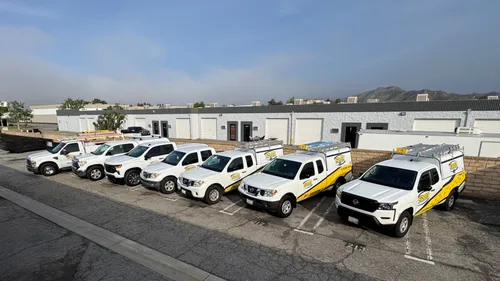
CVA Exterminators, Inc. provides pest control services in Santa Clarita, CA, specializing in residential and commercial pest management. With over 25 years of experience since 1998, they handle a variety of pests including ants, termites, cockroaches, rodents, and spiders. The company offers thorough inspections and custom treatment plans tailored to the unique needs of each property, emphasizing eco-friendly methods that prioritize safety for children, pets, and the environment. Their service area includes Santa Clarita and surrounding communities such as Valencia, Newhall, Saugus, Canyon Country, and Agua Dulce.
O'Connor Pest Control
5757 Olivas Park Dr # A, Ventura, CA 93003
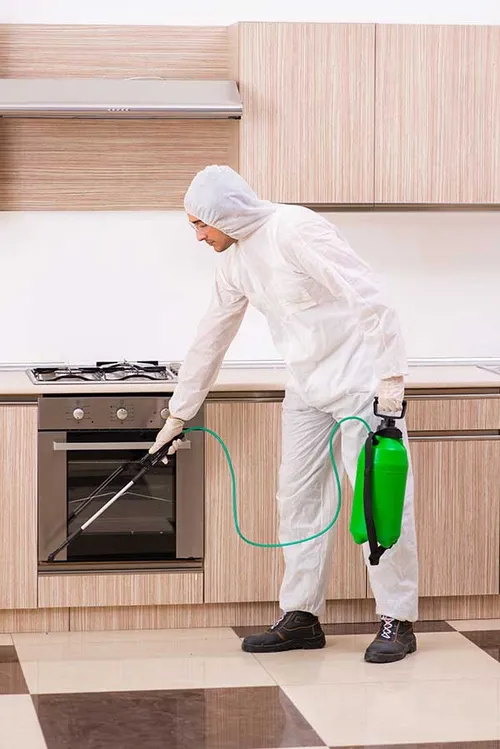
O'Connor Pest Control is a pest control and termite inspection company serving Oxnard, CA, and surrounding areas in Ventura and Santa Barbara counties. They provide residential and commercial pest control services, including termite inspections for real estate transactions and property management. With over 68 years of experience since 1952, their licensed and insured exterminators use modern techniques and products to address pest issues effectively.

Zircon Pest Solutions
10822 Chandler Blvd, North Hollywood, CA 91601
Zircon Pest Solutions is a full-service pest control company based in Los Angeles, CA, specializing in commercial properties including multi-family apartments, HOAs, restaurants, hospitality, and healthcare facilities. They offer a wide range of pest control services such as bed bug treatment with K9 detection, termite control, rodent exclusion, mosquito control, and bird pigeon population management. Zircon Pest Solutions is known for its expertise in handling various pest issues across Southern California and has built a strong reputation through years of service. Their team provides knowledgeable and professional pest management tailored to commercial needs.
Understanding Integrated Pest Management (IPM) for Businesses
Modern commercial pest control in Thousand Oaks is built on the foundation of Integrated Pest Management (IPM). This is a strategic, multi-faceted approach that prioritizes long-term prevention and uses a combination of techniques for effective pest suppression. Rather than relying solely on reactive chemical treatments, IPM involves a detailed understanding of pest biology, the local ecosystem, and the specific vulnerabilities of a commercial property. The goal is to manage pest populations at acceptable levels with the least possible hazard to people, property, and the environment 1.
An effective IPM program for a Thousand Oaks business typically involves several core steps: inspection and monitoring to identify pests and conditions that attract them, setting action thresholds to determine when intervention is needed, implementing a combination of control methods, and evaluating the results to adjust the strategy. This scientific approach ensures that pest management is proactive, data-driven, and customized, making it the industry standard for responsible and effective commercial pest elimination.
The Critical First Step: Comprehensive Commercial Inspection
Every successful pest management program begins with a thorough inspection. For commercial properties, this is far more involved than a standard residential check. A qualified technician will conduct a detailed walk-through of both the interior and exterior of your facility, looking for signs of current activity, potential entry points, and conditions conducive to pests.
Key elements of a commercial inspection include:
- Identifying Pest Type and Level: Determining the specific species (e.g., rodents, ants, stored product pests, flying insects) and assessing the scope of the infestation.
- Locating Entry Points: Inspecting foundations, walls, rooflines, utility penetrations, doors, and windows for gaps, cracks, or other vulnerabilities.
- Assessing Conducive Conditions: Evaluating sanitation practices, moisture issues (leaks, condensation), food storage, waste management, and structural clutter that can harbor pests.
- Risk Assessment & Consultation: Discussing your business's specific needs, regulatory requirements (especially for food-related industries), and expectations to define the scope of service.
This initial assessment forms the blueprint for your entire customized pest management plan, ensuring the solution directly addresses the unique factors at your site.
Core Treatment Methods for Commercial Facilities
Based on the inspection findings, a professional service will deploy a tailored mix of treatment strategies. The most effective commercial pest control plans use a layered defense, combining several methods for robust protection.
Sanitation and Cultural Controls
This is often the first line of defense. Technicians will advise on and may assist with eliminating the food, water, and shelter that attract pests. This includes recommendations for immediate spill cleanup, deep cleaning of hard-to-reach areas like behind equipment, proper waste disposal, and reducing clutter.
Exclusion and Proofing
Physically blocking pests from entering is a cornerstone of long-term prevention. This involves sealing cracks and crevices in walls and foundations, installing door sweeps, repairing screens, and using other barriers to deny entry. For birds, this may involve installing netting, spikes, or wire systems.
Physical and Mechanical Controls
These methods directly remove or trap pests without chemicals. They include a wide range of tools such as snap traps and multi-catch traps for rodents, insect light traps (ILTs) for flying insects in food-handling areas, air curtains for doorways, and heat treatments for bed bugs or certain stored product pests 2.
Chemical Control
When necessary, pesticides are used strategically and as a targeted component of the overall plan. This minimizes usage and exposure. Methods include placing tamper-resistant bait stations in secure locations, applying spot treatments to specific harborages, and using aerosols or desiccants in void spaces. All applications follow strict safety protocols and label instructions.
Find the perfect commercial pest control companies for your needs
Get personalized recommendations and expert advice
Specialized Services for Thousand Oaks Industries
Different business types face distinct pest challenges. Local providers offer expertise tailored to specific sectors:
- Food Service & Processing: This high-stakes industry requires programs focused on stored product pests (like beetles and moths), flying insects, and rodents. Services include detailed inspections for contamination risks, consulting on food safety compliance (aligning with AIB or FDA standards), and staff training on pest prevention protocols 3.
- Healthcare & Hospitality: Discretion and non-disruptive methods are paramount. Services often emphasize bed bug detection (including canine inspection teams), discreet rodent control, and managing ants or cockroaches with a focus on patient and guest safety.
- Warehousing & Logistics: Large facilities need protection from rodents that can damage goods and wiring, as well as birds that can roost in high bays. Services may include perimeter baiting, bird exclusion, and fumigation services for railcars or shipping containers.
- Office & Retail: Maintaining a professional appearance is key. Services focus on preventative perimeter treatments, managing occasional invaders like ants or spiders, and discreet monitoring to ensure a pest-free environment for employees and customers.
The Importance of Ongoing Monitoring and Maintenance
Pest pressure is constant, making ongoing service the backbone of effective commercial pest management. A one-time treatment is rarely sufficient for a business. Scheduled follow-up visits-whether weekly, bi-weekly, monthly, or quarterly-are essential for monitoring activity, refreshing bait stations, and catching new issues early.
A quality service provider acts as a partner, offering detailed service reports after each visit that document findings, actions taken, and recommendations. They may also provide customized training for your staff on how to identify early warning signs and maintain sanitation standards that support the professional pest management program 4 5. This continuous cycle of inspection, action, and evaluation ensures your investment provides lasting protection and helps you meet quality assurance goals.
Understanding Investment and Service Agreements
Pricing for commercial pest control in Thousand Oaks is highly customized and varies based on several key factors 6. There is no one-size-fits-all fee. Providers typically consider the square footage and layout of your facility, the type of business and associated risk level, the specific pests being targeted, the frequency of service required, and the complexity of the treatment methods involved.
Many businesses opt for a service agreement that includes regular scheduled visits for inspection, monitoring, and preventative treatments for a base monthly or quarterly fee. This often provides the best value and consistent protection. Intensive one-time treatments, such as fumigation for drywood termites, heat remediation for bed bugs, or large-scale exclusion projects, are usually quoted separately and involve additional costs 7 8 9. It's important to discuss all potential costs and the scope of service during the initial consultation to ensure the plan meets both your pest management needs and your budget.
Frequently asked questions
Sources
Footnotes
-
What Is Integrated Pest Management (IPM)? / UC Statewide IPM Program ... - https://ipm.ucanr.edu/what-is-ipm/ ↩
-
Pest control - Wikipedia - https://en.wikipedia.org/wiki/Pest_control ↩
-
Integrated Pest Management (IPM) Principles | US EPA - https://www.epa.gov/safepestcontrol/integrated-pest-management-ipm-principles ↩
-
Commercial Pest Control in Los Angeles County, CA - https://www.thepestgroup.com/commercial-pest-control-in-los-angeles-county-ca/ ↩
-
The Best Response to Defeat Stored Product Pest Activity in Food Facilities - https://www.qualityassurancemag.com/article/best-response-to-stored-product-pests-in-food-facilities/ ↩
-
Get $100 Off Your First Commercial Pest Control Service - https://www.pci-pest-control.com/service/commercial-pest-control/ ↩
-
Commercial Pest Control | Thousand Oaks - Pacific Exterminator - https://pacificexterminators.com/commercial-pest-control/ ↩
-
Commercial Pest Control in Thousand Oaks, CA - Top-Rated ... - https://antsrodentsthousandoaks.com/commercial-pest-control/ ↩
-
How Much Does Restaurant Pest Control Cost? - https://www.youtube.com/watch?v=89TGQNjqHMA ↩