
Find the Best Commercial Pest Control Companies for Your Business
No obligation • Fast responses • Nationwide coverage

Why you can trust Pest Crews
Pest Crews is a leading U.S. resource for finding and evaluating residential and commercial pest control services. Our team researches providers, reviews treatment approaches, and organizes unbiased information to help you make informed decisions. Companies cannot pay to change our editorial content or influence how they appear.
Search providers near you
Top Commercial Pest Control Companies in Ventura, California Ranked
For businesses in Ventura, maintaining a pest-free environment is a non-negotiable aspect of operations. Commercial pest management is a specialized service designed to protect your property, inventory, reputation, and compliance with health regulations from the threats posed by rodents, insects, and wildlife. This guide explains the modern, proactive approach used by local experts, helping you understand what to look for in a service plan to ensure your business remains protected year-round.
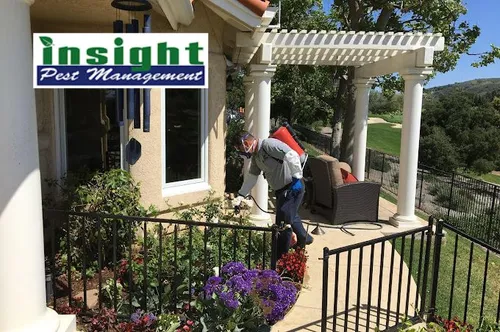
Insight Pest Management
3537 Old Conejo Rd #118, Newbury Park, CA 91320
Insight Pest Management offers pest control and termite inspection services in Los Angeles, CA. They provide personalized pest management plans for residential and commercial properties, addressing issues with termites, cockroaches, ants, rodents, and spiders. Their approach includes thorough inspections using advanced tools like moisture meters, telescoping cameras, and UV lights to detect pests and entry points. With 25 years of experience, the company emphasizes tailored solutions and ongoing prevention to protect properties from pest damage. They also offer same-day service for urgent pest problems.
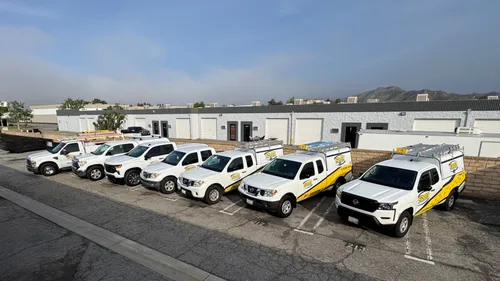
CVA Exterminators, Inc.
28150 Ave Crocker Suite 211, Santa Clarita, CA 91355
CVA Exterminators, Inc. provides pest control services in Santa Clarita, CA, specializing in residential and commercial pest management. With over 25 years of experience since 1998, they handle a variety of pests including ants, termites, cockroaches, rodents, and spiders. The company offers thorough inspections and custom treatment plans tailored to the unique needs of each property, emphasizing eco-friendly methods that prioritize safety for children, pets, and the environment. Their service area includes Santa Clarita and surrounding communities such as Valencia, Newhall, Saugus, Canyon Country, and Agua Dulce.
O'Connor Pest Control
5757 Olivas Park Dr # A, Ventura, CA 93003
O'Connor Pest Control is a pest control and termite inspection company serving Oxnard, CA, and surrounding areas in Ventura and Santa Barbara counties. They provide residential and commercial pest control services, including termite inspections for real estate transactions and property management. With over 68 years of experience since 1952, their licensed and insured exterminators use modern techniques and products to address pest issues effectively.
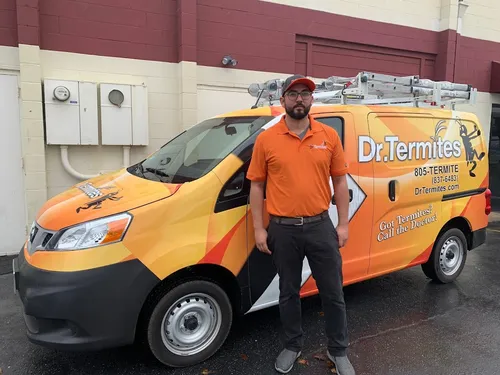
Dr Termites
3639 E Harbor Blvd # 106, Ventura, CA 93001
Dr Termites provides termite inspection, prevention, and treatment services in Oxnard, CA, and surrounding Ventura and Los Angeles Counties. Established in 2016, the company specializes in protecting residential and commercial properties from termite damage using eco-friendly orange oil treatments that allow clients to remain in their homes during service. Their licensed and insured team offers comprehensive WDI/WDO inspections, including detection of carpenter ants and beetles, and supports real estate transactions with escrow-specific termite solutions. Dr Termites combines advanced technology with over a decade of experience to deliver targeted termite control while addressing environmental factors to prevent future infestations.
Cal Termite & Pest Control
2175 Goodyear Ave # 124, Ventura, CA 93003
Cal Termite & Pest Control is a licensed pest control company serving Oxnard, CA, and the surrounding Ventura, Santa Barbara, and Los Angeles counties. They provide residential and commercial pest control services including bed bug treatments, mosquito control, rodent management, ant control, termite treatments, and general pest extermination. The company uses Integrated Pest Management (IPM) methods to protect homes, businesses, yards, and pets during treatments. Cal Termite & Pest Control operates with a licensed general contractor on staff and offers termite inspections suitable for real estate transactions. Their team focuses on customized pest control solutions to effectively eliminate pests and prevent future infestations.
Understanding the Modern Approach: Integrated Pest Management (IPM)
Gone are the days of relying solely on routine chemical sprays. Today's effective commercial pest control in Ventura is built on a philosophy called Integrated Pest Management (IPM). This is a sustainable, science-based strategy that focuses on long-term prevention of pests through a combination of techniques. The core principle is to manage pest populations at acceptable levels using the most environmentally sensitive methods first, with targeted chemical controls used only as a last resort. For a business, this means creating an ongoing partnership with a pest management professional to build a system of defense, rather than just calling for emergency extermination.
Why IPM is Critical for Ventura Businesses
The IPM model is particularly well-suited for the commercial landscape. It prioritizes the safety of your employees and customers by minimizing pesticide use1. It's also more cost-effective over time, as it aims to solve the root causes of infestations, preventing costly repeat problems2. Furthermore, a documented IPM program is often a key component of health department inspections and can be essential for businesses in the food service, hospitality, healthcare, and warehousing sectors.
The IPM Process: A Step-by-Step Blueprint for Your Business
Local providers structure their commercial pest management services around a clear, multi-stage IPM process. Understanding this workflow can help you evaluate potential service partners.
1. The Comprehensive Inspection and Assessment
Every effective program begins with a meticulous inspection. A certified technician will conduct a thorough survey of your property, both interior and exterior. The goal is threefold:
- Identify Pests and Hotspots: The technician will look for signs of current pest activity, identify the specific species, and locate entry points, nesting areas, and food or water sources attracting them.
- Set Action Thresholds: This is a pivotal IPM concept. The technician will help determine the pest population level at which action must be taken. For many businesses, especially those handling food, the threshold is very low-aiming for prevention rather than reaction3.
- Environmental Assessment: The inspection evaluates conditions that facilitate pests, such as sanitation practices, moisture issues, structural gaps, and clutter4.
2. Customized Treatment and Prevention Strategies
Based on the inspection findings, your provider will develop a plan tailored to your specific business type-whether it's a restaurant, office, retail store, or warehouse-and the pests of concern. True IPM employs a hierarchy of control methods:
- Cultural and Sanitation Controls: This involves collaborating with you on practices to make your environment less inviting to pests. Recommendations may include improving waste management, enforcing proper food storage, and reducing clutter5.
- Mechanical and Physical Controls: These are tangible barriers and devices to block or capture pests. Services include sealing cracks and crevices, installing door sweeps and screens, and placing tamper-resistant bait stations and monitoring traps 6.
- Biological Controls: Though less common in standard commercial settings, this can involve using natural predators or pathogens.
- Chemical Controls: When necessary, pesticides are used judiciously. The focus is on targeted, spot treatments with products that are effective yet have low toxicity and minimal impact on non-target organisms and the indoor environment.
3. Ongoing Monitoring and Documentation
A preventative plan is defined by what happens between service visits. Your provider will install monitoring devices (like glue boards, insect traps, and bait stations) in strategic locations to silently track pest activity. During regular follow-up visits, the technician will check these devices, document findings, and adjust the strategy as needed. This continuous feedback loop is what transforms a one-time treatment into a true management program.
Find the perfect commercial pest control companies for your needs
Get personalized recommendations and expert advice
Key Service Options for Ventura Companies
Local commercial pest control firms typically structure their offerings to fit different business needs and budgets. Common service tiers include:
- Customized IPM Plans: The gold standard. A fully tailored program that includes initial inspection, implementation of controls, ongoing monitoring, detailed reporting, and preventative recommendations. This is designed as a long-term partnership.
- Preventative Maintenance Packages: Often offered on a monthly, bi-monthly, or quarterly schedule, these packages provide regular inspections, monitoring, and maintenance treatments to keep pests out before they become a problem.
- Emergency or One-Time Corrective Services: Available for acute infestations that require immediate resolution. However, providers will almost always recommend transitioning to a preventative plan afterward to avoid recurrence7.
What Influences the Cost of Commercial Pest Management?
Pricing for business pest control in Ventura is not one-size-fits-all. Several key factors determine the investment:
- Size and Type of Facility: Square footage and the complexity of the layout (e.g., a multi-building campus vs. a single retail space) are primary factors.
- Industry and Risk Level: A restaurant or food processing plant inherently carries a higher risk and regulatory scrutiny than a standard office, impacting the program's depth.
- Type of Pests: Managing common ants requires a different protocol than eradicating rodents or birds, which affects labor and material costs.
- Service Frequency: A monthly service plan will have a different pricing model than a quarterly maintenance schedule.
- Severity of Infestation: An established infestation requires more intensive labor and materials to correct than a preventative program.
Most reputable providers offer a free, detailed initial inspection and quote8. It's wise to view a preventative IPM plan not as an expense, but as a cost-effective investment in business continuity, asset protection, and reputation management9.
Choosing a Provider: What to Look For
When selecting a partner for your commercial pest management needs, consider these points:
- Licensing and Certification: Ensure the company is fully licensed by the state of California and that its technicians carry appropriate certifications.
- IPM Expertise: Ask specifically about their IPM philosophy and how they implement its principles. Do they emphasize inspection and monitoring?
- Experience with Your Industry: Choose a provider familiar with the specific challenges and regulations of your business sector.
- Clear Communication and Reporting: They should provide clear service reports, documentation of monitoring results, and actionable recommendations for your staff.
- Safety Protocols: Inquire about the products they use and their policies for applying treatments with minimal disruption to your operations.
Key Takeaway: Effective commercial pest control in Ventura is a strategic, ongoing process. By partnering with a provider who employs a thorough Integrated Pest Management approach-centered on inspection, prevention, monitoring, and targeted action-you create a sustainable defense that protects your business's most valuable assets10 11.
Frequently asked questions
Sources
Footnotes
-
Do's and Don'ts of Pest Control | US EPA - https://www.epa.gov/safepestcontrol/dos-and-donts-pest-control ↩
-
Preventative vs. Reactive Pest Control: What's the Difference? - https://www.antipesto.com/articles/whats-the-difference-between-preventative-and-reactive-pest-control ↩
-
Setting Action Thresholds - School Integrated Pest Management - https://schoolipm.tamu.edu/forms/pest-management-plans/setting-action-thresholds/ ↩
-
Integrated Pest Management (IPM) Principles | US EPA - https://www.epa.gov/safepestcontrol/integrated-pest-management-ipm-principles ↩
-
Preventive Pest Control vs. Pest Treatment: Know the Difference - https://pestauthority.com/blog/preventative-pest-control-vs-pest-treatment/ ↩
-
Integrated Pest Management (IPM): A Sustainable Approach to Pest ... - https://hgic.clemson.edu/factsheet/iintegrated-pest-management-ipm-a-sustainable-approach-to-pest-management/ ↩
-
Commercial Pest Control In Ventura County, CA - https://www.venturapest.com/commercial-pest-control/ ↩
-
Pest Control in Ventura, CA - https://www.escalerapest.com/about-us/areas-we-serve/ventura/ ↩
-
Commercial Pest Control in Ventura, CA | Customized Solutions - https://www.calpest.com/commercial-pest-control/ ↩
-
What Is Integrated Pest Management (IPM)? / UC Statewide IPM Program ... - https://ipm.ucanr.edu/what-is-ipm/ ↩
-
Integrated Pest Management - https://www.invasivespeciesinfo.gov/subject/integrated-pest-management ↩