Find the Best Commercial Pest Control Companies for Your Business
No obligation • Fast responses • Nationwide coverage

Why you can trust Pest Crews
Pest Crews is a leading U.S. resource for finding and evaluating residential and commercial pest control services. Our team researches providers, reviews treatment approaches, and organizes unbiased information to help you make informed decisions. Companies cannot pay to change our editorial content or influence how they appear.
Search providers near you
Top Commercial Pest Control Companies in Burlington, North Carolina Ranked
For any business in Burlington, from a bustling restaurant to a quiet office park, an uninvited pest problem is more than a nuisance-it's a threat to your reputation, operations, and bottom line. Commercial pest management is a specialized service designed to protect your property, inventory, and customers from insects, rodents, and wildlife using strategic, ongoing plans. This resource explains the professional services available locally, detailing the methods, typical service options, and what you can expect from a commercial pest management program, helping you make an informed decision to safeguard your business.
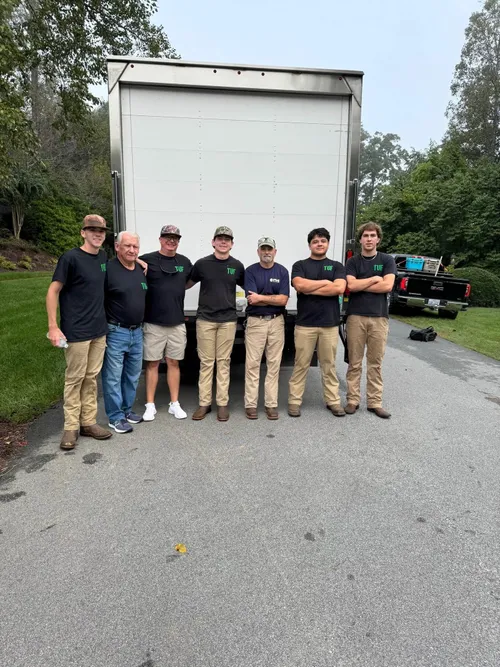
Pest Management Systems, Inc.
424 Prescott St, Greensboro, NC 27401
Pest Management Systems, Inc. provides pest control and extermination services in Winston Salem, NC. They handle a range of pest issues including rodent control and termite inspections, serving both residential and commercial properties. Their services aim to protect homes and workplaces from pest-related damage and health risks.

Kind Pest Control
205 W Main St #212, Carrboro, NC 27510
Kind Pest Control provides environmentally responsible pest control services in Durham, NC, and the surrounding Triangle area. They handle a variety of pests including ants, cockroaches, rodents, spiders, stinging insects, and termites using EPA-registered products that are safe for pets and children. The company offers both residential and commercial pest control with a focus on eco-friendly solutions. Kind Pest Control also supports reforestation by planting a tree for every service provided. They back their work with a 100% satisfaction guarantee and a 2-year price lock guarantee.

Four Seasons Pest Control
2411 S Scales St #2, Reidsville, NC 27320
Four Seasons Pest Control is a family-owned pest control company serving Winston Salem, NC, and surrounding areas since 1998. They offer customized treatments for common pests such as ants, cockroaches, rodents, termites, mosquitoes, and bed bugs. Their services include thorough termite inspections and commercial pest control tailored to various industries. The company emphasizes long-term prevention and uses methods mindful of homes, families, and pets.
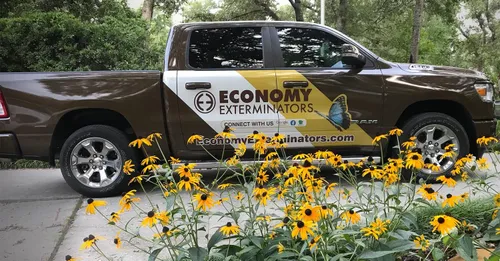
Economy Exterminators
1829 E Franklin St Building 200, Unit D, Chapel Hill, NC 27514
Economy Exterminators is a pest control company serving Durham, NC, and the surrounding Triangle area. They offer a range of pest management services including bed bug treatment, cockroach and ant control, rodent control, termite inspections, and mosquito control for both residential and commercial properties. Known for customizing pest control plans based on the unique needs of each home or business, Economy Exterminators has been serving the Raleigh-Durham region since 1976. They emphasize environmentally conscious treatments that are safe for families and pets.
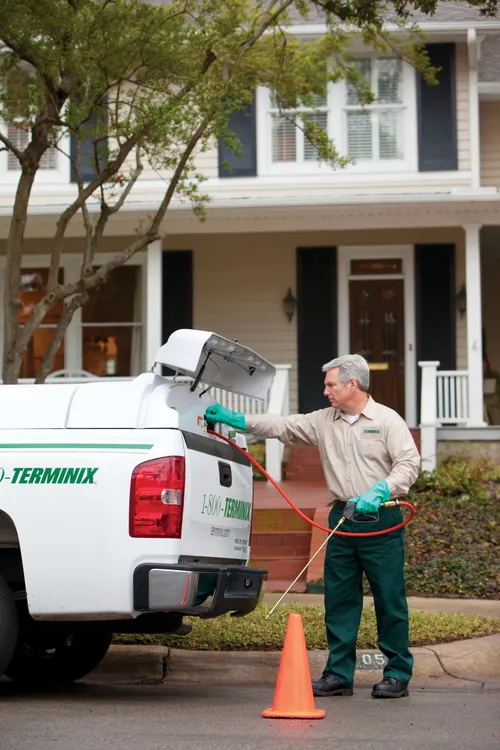
Terminix
150 Golden Dr #100, Durham, NC 27705
Terminix provides pest, termite, wildlife, and moisture control services in Durham, NC. They offer residential and commercial pest control with options for quarterly, bi-monthly, and monthly treatments. Terminix specializes in moisture control to prevent wood-decaying fungus and reduce insect infestations, serving Eastern North Carolina to Tidewater, VA. The company is known for its knowledgeable technicians and consistent service.
Why Professional Pest Management is Critical for Burlington Businesses
Pests pose unique risks in a commercial setting. A single sighting of a rodent or cockroach can damage customer trust, lead to negative online reviews, and even trigger health code violations that can shut down operations. For warehouses, pests can destroy inventory, while for offices, they can create an unpleasant work environment. In Burlington's diverse commercial landscape, which includes manufacturing, healthcare, and food service, a one-size-fits-all approach doesn't work. Professional commercial exterminators provide targeted solutions that address the specific vulnerabilities of your business type, focusing on prevention to avoid costly infestations and protect your brand's integrity.
Core Components of a Commercial Pest Control Program
A reputable provider doesn't just spray and leave. They implement a structured program, often based on Integrated Pest Management (IPM) principles, which prioritizes long-term prevention through a combination of techniques 1. Here's what a comprehensive program typically includes:
- Thorough Inspection & Pest Identification: The first step is always a detailed inspection. A technician will identify the specific pest (e.g., termites, flies, rodents), locate entry points like cracks and gaps, and assess conditions that attract them, such as food sources or standing water 2 3. Accurate identification is crucial for effective, targeted treatment.
- Customized Treatment Plan: Based on the inspection, the provider will create a plan tailored to your business. This plan outlines the specific methods to be used, the frequency of service, and any immediate corrective actions you need to take, like improving sanitation or sealing entry points.
- Ongoing Monitoring & Maintenance: Pest prevention is an ongoing process. Scheduled follow-up visits-whether monthly, bi-monthly, or quarterly-allow technicians to monitor for activity, refresh bait stations, and adjust the plan as needed. Many companies provide detailed service reports and offer guaranteed follow-up visits if pests reappear between scheduled services.
- Documentation & Compliance Support: For businesses in regulated industries like food service or healthcare, proper documentation of pest management activities is essential. Professional services provide the records you need for health inspections and audits.
Common Treatment Methods Used by Professionals
Commercial pest controllers employ a toolbox of strategies, often starting with the least invasive options. The IPM approach layers these methods for maximum effect with minimal environmental impact 4.
- Cultural & Physical Controls: These are foundational changes to the environment to make it less hospitable to pests. This includes advising on sanitation improvements, waste management, removing debris, and sealing structural entry points. Physical controls also involve installing mechanical barriers, fly light traps, and rodent bait stations 5 6.
- Chemical Controls: When necessary, pesticides are used judiciously and strategically. Instead of broad spraying, technicians may apply targeted baits, gels, or sprays in specific, hard-to-reach areas where pests travel or nest. The goal is to minimize chemical use while effectively managing the population 7.
- Biological Controls: While less common in general commercial settings, this method involves using natural predators or pathogens to control pest populations. It's a highly specialized component of some IPM programs.
Service Options for Burlington Businesses
Local providers offer a range of services to meet different needs. Understanding these options can help you communicate your requirements more effectively.
- General Commercial Pest Control: This covers common invaders like ants, cockroaches, spiders, and occasional rodents. It's the baseline service for many offices, retail stores, and warehouses, focusing on creating a protective barrier and monitoring for activity.
- Specialized Pest Extermination: Certain pests require expert knowledge. This includes termite control involving soil treatments or baiting systems, fly management programs critical for restaurants and food processing plants, and bird control solutions to prevent damage and droppings on properties.
- Eco-Friendly & Green Pest Management: For businesses concerned about environmental impact or those with sensitive occupants (like childcare centers or healthcare facilities), many providers offer greener solutions. These methods use products and strategies designed to be safer for people, pets, and the environment while still being effective.
- Customized Commercial Plans: The best plans are tailored. A treatment for a downtown Burlington restaurant will look very different from one for a manufacturing facility on the outskirts of town. Providers consider your business type, square footage, and specific risk factors to build a suitable plan.
Find the perfect commercial pest control companies for your needs
Get personalized recommendations and expert advice
Understanding Pricing for Commercial Services
Pricing for commercial pest management is not a flat fee; it's customized based on a detailed assessment of your property and risk level 8. While exact quotes require an inspection, here are the common factors that influence cost:
- Property Size & Complexity: The square footage of your building and grounds is a primary factor. Larger facilities or those with multiple buildings cost more to service. Complexity, such as a facility with extensive storage or food production areas, also affects price.
- Type of Pest & Infestation Level: A preventative plan for common insects is typically less expensive than eradicating an active termite colony or a severe rodent infestation. Higher-risk pests often require more materials and labor.
- Business Type: Industries with strict health codes, like restaurants or food warehouses, often require more frequent service and meticulous documentation, which can influence the plan's cost.
- Service Frequency: Plans can range from one-time treatments for a specific problem to ongoing monthly, quarterly, or annual contracts. More frequent visits provide greater protection but come at a higher annual cost.
In Burlington, initial commercial services often range from $150 to $400 or more, covering the intensive inspection and first treatment. Ongoing maintenance visits typically range from $75 to $200+ per service, depending on the factors listed above 9 10 11 12.
Choosing a Provider in Burlington, NC
When selecting a commercial pest management partner, look for a company with proven experience serving businesses like yours. Ask about their use of IPM strategies, request details on their inspection process and service guarantees, and ensure they are fully licensed and insured. Local providers familiar with Burlington's common pest pressures and business environment, from the downtown district to industrial parks, can offer the most relevant and effective solutions.
Frequently asked questions
Sources
Footnotes
-
Integrated Pest Management (IPM) Principles | US EPA - https://www.epa.gov/safepestcontrol/integrated-pest-management-ipm-principles ↩
-
Important Components of a Successful Pest Management Program | USU - https://extension.usu.edu/planthealth/research/sucessful-pest-managment-program ↩
-
Household Pest Control - Oklahoma State University Extension - https://extension.okstate.edu/fact-sheets/household-pest-control.html ↩
-
Integrated Pest Management (IPM): A Sustainable Approach to Pest ... - https://hgic.clemson.edu/factsheet/iintegrated-pest-management-ipm-a-sustainable-approach-to-pest-management/ ↩
-
Effective Pest Control Methods: Best Practices & Strategies - FieldRoutes - https://www.fieldroutes.com/blog/pest-control-methods ↩
-
What Do Pest Control Services Include? - https://www.mccallservice.com/blog/what-do-pest-control-services-include/ ↩
-
Unit 1: Principles of Pest Control - CTAHR.hawaii.edu - https://cms.ctahr.hawaii.edu/epp/Education/Study-Guide-Packets/APC-Core/APC-Unit1 ↩
-
How To Establish Pest Control Prices: A Guide For Businesses - https://www.fieldroutes.com/blog/how-to-establish-pest-control-prices-a-guide-for-businesses ↩
-
Commercial Termite Control in Burlington, NC - #1 Pest ... - https://burlingtontermites.com/commercial/ ↩
-
Pest Control | Burlington, NC - Terminix Triad - https://www.terminix-triad.com/service-areas/pest-control-burlington-nc/ ↩
-
Best Pest Control in Burlington, NC | Pest MGT Systems - https://pestmgt.com/pest-control-in-burlington-nc/ ↩
-
Business Pest Control | Commercial Pest Exterminators - https://www.prestox.com/services/your-business ↩