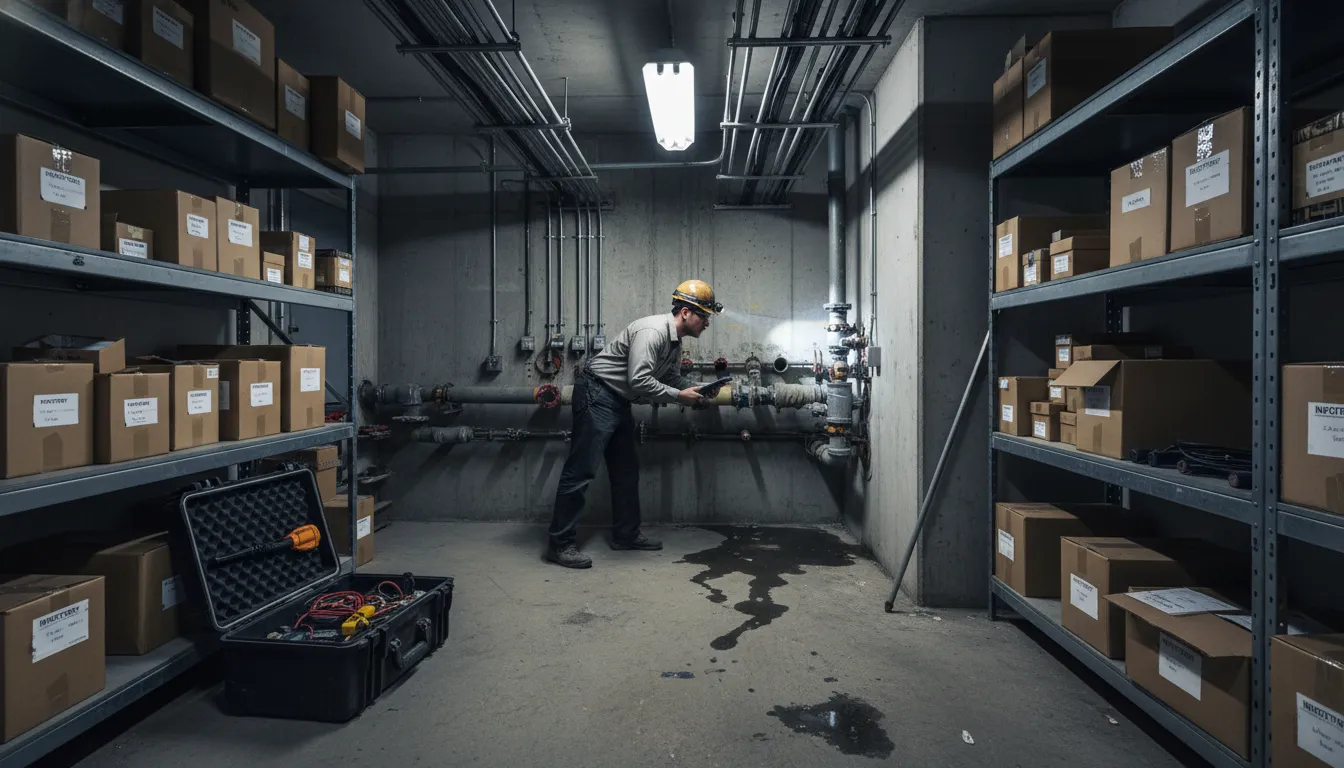
Find the Best Commercial Pest Control Companies for Your Business
No obligation • Fast responses • Nationwide coverage

Why you can trust Pest Crews
Pest Crews is a leading U.S. resource for finding and evaluating residential and commercial pest control services. Our team researches providers, reviews treatment approaches, and organizes unbiased information to help you make informed decisions. Companies cannot pay to change our editorial content or influence how they appear.
Search providers near you
Top Commercial Pest Control Companies in Wake Forest, North Carolina Ranked
For any business in Wake Forest, from bustling restaurants to quiet office parks, maintaining a pest-free environment is non-negotiable. Commercial pest management is a specialized service designed to protect your property, inventory, reputation, and compliance with health codes. This guide explains what professional pest management for businesses entails, why a proactive approach is critical, and how you can identify the right local service provider for your specific needs.

Kind Pest Control
6516 Old Wake Forest Rd, Raleigh, NC 27616
Kind Pest Control offers environmentally responsible pest control services in Raleigh, NC, and surrounding communities. They handle a variety of pests including cockroaches, ants, rodents, termites, and stinging insects for both residential and commercial properties. Their approach emphasizes eco-friendly methods that are safe for pets and children, using EPA-registered products. Kind Pest Control serves the broader Triangle area, including Durham, Cary, and Wake Forest. They provide a 100% satisfaction guarantee with re-treatment if pests return between visits and offer a two-year price lock guarantee. The company also supports environmental sustainability by planting a tree for every service provided.
Kil Mor Pest Management
1516 Camden Ave, Durham, NC 27704
Kil Mor Pest Management is a pest control company serving Raleigh, NC, with over 40 years of experience. They provide environmentally responsible pest management solutions for both homes and businesses, focusing on preventing infestations and protecting health from pests that cause allergens, disease, and economic damage.

Kind Pest Control
10421 Ligon Mill Rd, Wake Forest, NC 27587
Kind Pest Control is a pest control company based in Raleigh, NC, offering environmentally responsible services for homes and businesses. They provide treatments for a variety of pests including cockroaches, ants, rodents, termites, and stinging insects, using EPA-registered products that are safe for pets and children. Kind Pest Control serves the greater Triangle area, including Raleigh and nearby communities. Their services include both residential and commercial pest control with a focus on eco-friendly methods. The company also supports reforestation by planting a tree for every service provided. They offer a 100% satisfaction guarantee with free re-treatment if pests return between scheduled visits and a 2-year price lock guarantee.

Kind Pest Control
1155 Kildaire Farm Rd Suite 212, Cary, NC 27511
Kind Pest Control is a pest control company serving Raleigh, NC, and the surrounding Triangle area, including Durham, Cary, and Apex. They provide environmentally responsible pest management for residential and commercial properties, handling pests such as cockroaches, ants, rodents, termites, and stinging insects. Their services focus on eco-friendly methods that are safe for pets and children, using EPA-registered products. Kind Pest Control offers a 100% satisfaction guarantee with free re-service if pests return between scheduled visits. They also support environmental efforts by planting a tree for every service provided.
Economy Exterminators
700 Exposition Pl Ste 101, Raleigh, NC 27615
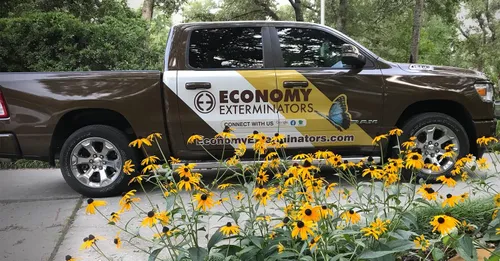
Economy Exterminators is a pest control company serving Raleigh, NC, and the surrounding Triangle area. They offer a range of pest management services including bed bug treatment, cockroach and ant control, rodent control, termite inspections, and mosquito control. Known for customizing pest control plans based on the unique needs of each home or business, they emphasize environmentally conscious and family- and pet-friendly treatments. Established in 1976, Economy Exterminators has decades of experience and holds an A+ rating with the Better Business Bureau.
Why Commercial Pest Management is Essential in Wake Forest
Pests are more than a nuisance in a commercial setting; they are a direct threat to your operations. Rodents can chew through wiring, creating fire hazards. Cockroaches and flies can contaminate food supplies and surfaces, leading to health code violations and damaged customer trust. Termites and carpenter ants can cause silent, structural damage that is costly to repair. In Wake Forest's climate, which supports a variety of pests year-round, a reactive "wait-and-see" approach is a significant business risk. Proactive pest management is an investment in your facility's integrity and your brand's reputation.
Core Principles: Integrated Pest Management (IPM)
Modern commercial pest control in Wake Forest is built on the foundation of Integrated Pest Management (IPM). IPM is a sustainable, science-based approach that focuses on long-term prevention and uses a combination of techniques. The goal is not merely to eliminate pests you see today, but to manage the ecosystem of your property to prevent infestations tomorrow. This method prioritizes human safety and minimizes environmental impact by using chemical treatments as a targeted last resort, not a first response.
The Four-Step IPM Process
- Inspection and Identification: The process always begins with a thorough inspection. A trained technician will identify the specific pest species (e.g., German cockroaches vs. odorous house ants, Norway rats vs. house mice), assess the level of infestation, and locate activity hotspots.
- Prevention: This is the cornerstone of IPM. The technician will identify and help you address conditions that attract and sustain pests. This includes finding entry points like cracks and gaps, identifying sources of food and water, and noting harborage areas like clutter or overgrown landscaping 1.
- Intervention: When action is needed, the most targeted, least-risk methods are employed first. This hierarchy includes sanitation improvements, physical exclusion (sealing entry points), mechanical controls (traps, bait stations), and biological controls. Chemical pesticides are used selectively and precisely only when necessary.
- Monitoring and Documentation: Effective management requires ongoing vigilance. This can involve regular technician visits to check traps and bait stations, as well as advanced digital monitoring systems that provide 24/7 surveillance and instant alerts of pest activity.
Common Commercial Pest Control Services in Wake Forest
Local providers offer tailored programs to address the most common threats to Triangle-area businesses.
- General Pest Control: This foundational service targets common invaders like ants, spiders, flies, cockroaches, and silverfish. A program typically includes exterior perimeter treatments, interior monitoring, and exclusion advice to keep these pests from becoming a problem inside.
- Rodent Control & Exclusion: Mice and rats seek shelter and food in commercial properties, especially as temperatures drop. Service includes a detailed inspection to locate entry points and nesting areas, followed by the strategic placement of tamper-resistant bait stations and traps. The most critical step is exclusion-sealing the gaps and holes rodents use to enter.
- Termite Protection: Given the prevalence of subterranean termites in North Carolina, a termite management plan is vital. Options include liquid soil treatments, baiting systems installed around the property perimeter, and wood treatments. Many businesses opt for annual inspection and maintenance contracts.
- Mosquito & Flea Management: For businesses with outdoor patios, dining areas, or landscaping, seasonal mosquito and flea treatments can greatly enhance customer and employee comfort. These are usually targeted misting applications to resting areas and breeding sites.
- Commercial IPM Programs: This is the most comprehensive service option. It combines all the above elements into a customized, ongoing partnership. The provider acts as a consultant, continuously monitoring your property, providing detailed reports, and implementing a multi-faceted strategy focused on prevention and minimal chemical use 2.
Find the perfect commercial pest control companies for your needs
Get personalized recommendations and expert advice
What to Expect During a Commercial Service Visit
Understanding the process can help you prepare and get the most value from your service.
Initial Inspection and Assessment: The first visit is diagnostic. The technician will walk through your facility, inside and out, speaking with you about any past issues or concerns. They will look for signs of pests, identify conducive conditions, and map out the property to create a customized action plan3 4.
Treatment Implementation: Based on the IPM plan, the technician will implement solutions. This could involve sealing cracks with copper mesh or sealant, installing rodent bait stations in secure utility areas, applying targeted gel baits for ants in hidden locations, or setting up insect monitoring traps. All work is performed with minimal disruption to your daily operations5 6.
Ongoing Monitoring & Communication: For service plan clients, follow-up visits are scheduled (monthly, quarterly, etc.). The technician will check all monitoring devices, assess any new activity, and provide you with a service report. Open communication about any sightings between visits is key to rapid response and effective long-term control.
Understanding Commercial Pest Control Pricing
Pricing for commercial services in Wake Forest is not one-size-fits-all. It is value-based, reflecting the complexity of the job and the focus on prevention. Key factors include:
- Business Size & Type: A small retail shop will differ from a large warehouse or a full-service restaurant, which has the highest scrutiny due to food safety.
- Pest History & Risk Level: An existing infestation requires more intensive initial work than a preventative plan for a new building.
- Service Frequency & Scope: A basic quarterly general pest service will cost less than a comprehensive monthly IPM program that includes 24/7 digital monitoring7 8.
Most providers offer service contracts that outline the scope of work, frequency, and cost, providing predictable budgeting and prioritized service. The emphasis is on the long-term value of preventing infestations, avoiding costly damage, and protecting your public image, rather than the short-term cost of a one-time spray9 10.
Selecting a Local Wake Forest Provider
Choosing the right partner is crucial. Look for a company with specific experience in commercial pest management, not just residential. They should be licensed, insured, and able to clearly explain their adherence to IPM principles. Ask for references from similar local businesses and inquire about their technician training and the technology they use, such as digital reporting or monitoring systems. Local expertise, like that offered by providers serving the Triangle area, means understanding the seasonal pest pressures unique to Wake Forest 11 12.
Frequently asked questions
Sources
Footnotes
-
Household Pest Control - Oklahoma State University Extension - https://extension.okstate.edu/fact-sheets/household-pest-control.html ↩
-
Unit 1: Principles of Pest Control - CTAHR.hawaii.edu - https://cms.ctahr.hawaii.edu/epp/Education/Study-Guide-Packets/APC-Core/APC-Unit1 ↩
-
Integrated Pest Management (IPM) Principles | US EPA - https://www.epa.gov/safepestcontrol/integrated-pest-management-ipm-principles ↩
-
Integrated Pest Management (IPM): Methods And Their Uses - https://eos.com/blog/integrated-pest-management/ ↩
-
What Is Integrated Pest Management (IPM)? / UC Statewide IPM Program ... - https://ipm.ucanr.edu/what-is-ipm/ ↩
-
Training Tip: Pest Prevention - State Food Safety - https://www.statefoodsafety.com/Resources/Resources/training-tip-pest-prevention ↩
-
Pest Control Services Market Size & Share Report 2025-2033 - https://www.globalgrowthinsights.com/market-reports/pest-control-services-market-111754 ↩
-
Commercial Pest Control in Charleston, SC - https://www.corepests.com/commercial-pest-control/ ↩
-
Wake Forest Pest Control Company | Wake Pest, Inc. | Local ... - https://www.wakepest.com/ ↩
-
Commercial Pest control - Anticimex Carolinas - https://www.axcarolinas.com/commercial-pest-control/ ↩
-
Wake Forest, NC Pest Control | Pest & Termite Consultants - https://www.pestandtermiteconsultants.com/areas-we-serve/wake-forest ↩
-
Wake Forest, NC Pest Control - https://www.pestandtermiteconsultants.com/areas-we-serve/wake-forest ↩