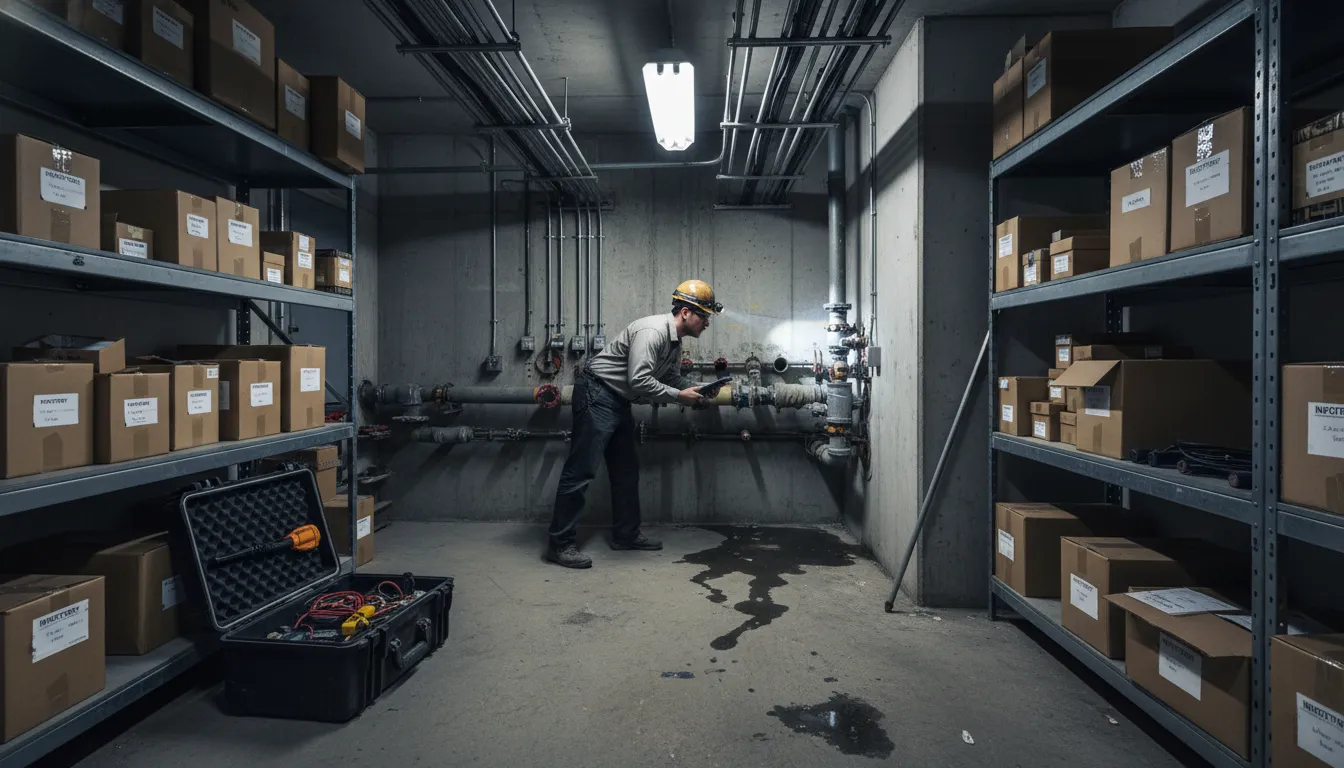
Find the Best Commercial Pest Control Companies for Your Business
No obligation • Fast responses • Nationwide coverage

Why you can trust Pest Crews
Pest Crews is a leading U.S. resource for finding and evaluating residential and commercial pest control services. Our team researches providers, reviews treatment approaches, and organizes unbiased information to help you make informed decisions. Companies cannot pay to change our editorial content or influence how they appear.
Search providers near you
Top Commercial Pest Control Companies in Pasadena, Texas Ranked
For any business in Pasadena, from bustling restaurants to large warehouses, a proactive pest management strategy is a critical component of operations. Commercial pest control goes beyond simple extermination; it's a specialized service designed to protect your property, inventory, reputation, and compliance with health regulations. This resource helps you understand the local approach to business pest management, detailing the processes, methods, and ongoing strategies that Pasadena professionals use to create a safe, pest-free environment for your customers and employees.

Holder's Pest Solutions
10560 Bissonnet St, Houston, TX 77099
Holder's Pest Solutions has been providing pest control services in Houston, TX, and the greater Houston-Galveston area since 1947. They offer residential and commercial pest management, addressing common pests such as bed bugs, termites, ants, cockroaches, rodents, and spiders. Their services include routine inspections, treatments, and follow-up visits tailored to the specific pest challenges faced by homes and businesses. Holder's Pest Solutions is known for its local expertise and uses an electronic data reporting system to maintain consistent communication with clients.

Hunter Pest Control
Houston, TX
Hunter Pest Control is a family-owned pest control company serving Houston, TX. They offer services for residential and commercial properties, including cockroach control, termite inspections, and general pest management. The company specializes in wood-destroying insect treatments and termite inspections, with all service technicians certified at the highest level in Texas. Hunter Pest Control has been in business since 1988, providing professional pest control solutions tailored to local conditions.
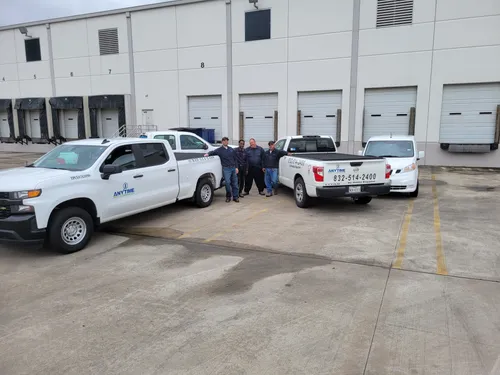
Anytime Pest Elimination League City
2600 South Shore Blvd Suite 300-7103, League City, TX 77573
Anytime Pest Elimination League City is a pest control company serving Houston, TX, offering services for a wide range of pests including bed bugs, cockroaches, ants, rodents, termites, mosquitoes, bees, wasps, birds, and wildlife. They provide both residential and commercial pest control solutions using advanced techniques tailored to local pest challenges. With over 30 years of experience, the company has a strong understanding of pest behavior in the Houston area. Anytime Pest Elimination also offers 24/7 availability with a round-the-clock answering service to assist customers at any time.
Stephen Terry Services
7407 Spencer Hwy Suite 110, Pasadena, TX 77505
Stephen Terry Services is a pest control company based in Houston, TX, offering a range of services for residential and commercial properties. Their quarterly pest control program targets common local insects with initial comprehensive treatment followed by exterior services every three months. The company also provides critter control with live trapping and relocation, rodent proofing inspections and repairs, bee removal, mosquito yard sprays, and termite treatments using Termidor products. They handle one-time treatments for fleas, German roaches, and raspberry crazy ants as well.
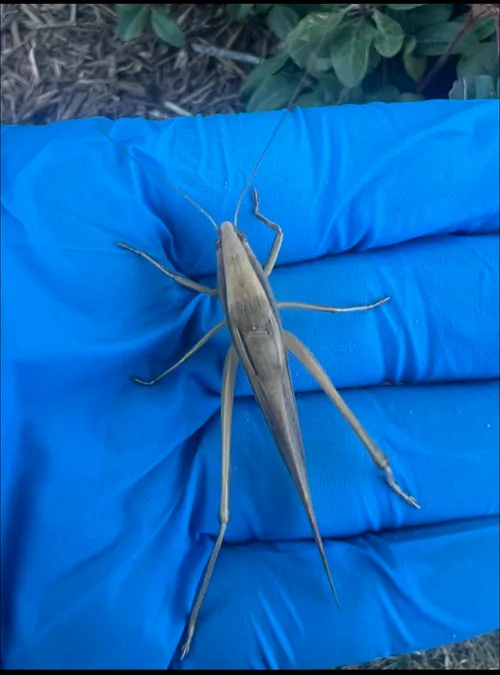
Bulls-Eye Pest & Termite Control, Inc.
14905 Southwest Fwy #219, Sugar Land, TX 77478
Bulls-Eye Pest & Termite Control, Inc. is a family owned and operated pest control company serving Houston, TX, and the Greater Houston area. With over 20 years of experience, they provide residential and commercial pest control services including termite inspection and extermination, mosquito control, rodent control, and green pest control options. Their termite control services address Houston's unique climate challenges with effective prevention and treatment solutions. Bulls-Eye offers customized plans for businesses of all sizes and uses environmentally friendly methods that meet EPA standards.
What is Integrated Pest Management (IPM)?
At the core of modern commercial pest management in Pasadena is Integrated Pest Management (IPM). This is a sustainable, science-based approach that prioritizes long-term prevention over reactive chemical sprays. An IPM program focuses on understanding the life cycle of pests and their interaction with the environment to manage them with the most effective, least-risk methods. This holistic strategy reduces reliance on pesticides, which is better for the safety of your staff and customers, the local environment, and often, your long-term budget. For a business, this means your pest management plan is a customized program, not a one-time service.
The Commercial Pest Control Process in Pasadena
Working with a local Pasadena provider typically follows a structured process to ensure thoroughness and effectiveness.
1. Initial Inspection and Assessment The process begins with a detailed inspection of your commercial property. A certified technician will examine both the interior and exterior, identifying active pest issues, potential entry points, nesting areas, and conditions that attract pests, such as food sources, moisture, and shelter 1. This assessment is crucial for developing a plan that addresses your specific vulnerabilities.
2. Development of a Customized IPM Plan Based on the inspection findings, your provider will create a tailored Integrated Pest Management plan. This document outlines the specific pests targeted, the combination of methods to be used, a proposed treatment schedule, and the associated cost estimates 2. A good plan serves as a roadmap for both the service provider and your business, setting clear expectations.
3. Implementation of Targeted Treatments With the plan approved, technicians implement the chosen strategies. This phase emphasizes non-chemical controls first, such as sanitation improvements and physical exclusion, before moving to targeted treatments like baiting or precise pesticide applications only where necessary. The goal is to solve the root cause of the infestation, not just the visible symptoms.
Find the perfect commercial pest control companies for your needs
Get personalized recommendations and expert advice
Core Methods Used in Commercial Pest Management
Pasadena pest control companies employ a multi-faceted toolkit. Here are the primary methods integrated into a commercial IPM program:
-
Sanitation and Habitat Modification: This is the first line of defense. Technicians will advise on eliminating food and water sources, proper waste management, and reducing clutter that provides shelter for pests 3. For a restaurant or food processing facility, this step is paramount.
-
Exclusion (Physical Pest Control): Sealing the building envelope is a permanent solution to many pest problems. This involves using materials like copper mesh, steel wool, caulk, and door sweeps to seal cracks, gaps around pipes, vents, and other entry points that rodents, insects, and other pests use to get inside.
-
Trapping and Monitoring: Instead of blanket spraying, technicians place monitoring devices and traps (e.g., glue boards, insect monitors) in strategic locations. These tools provide early detection of pest activity, allowing for interventions before a small problem becomes a major infestation 4. They also help measure the effectiveness of the overall program.
-
Targeted Chemical Controls: When necessary, pesticides are used judiciously. The IPM approach favors baits, gels, and growth regulators that have minimal impact on non-target organisms and the environment. These are applied in specific, hidden locations rather than broad, area-wide sprays 5 6.
-
Biological and Mechanical Controls: For certain pests, methods like larvicides for mosquito control in water features or using high-efficiency vacuum systems for bird droppings may be part of the plan 7.
The Importance of Ongoing Service and Monitoring
A single treatment is rarely sufficient for a commercial setting due to constant human traffic, delivery of goods, and the attractive nature of business operations. Ongoing service is the key to lasting protection.
Regular Maintenance Visits Most businesses opt for monthly, quarterly, or bi-monthly service plans. During these scheduled visits, a technician will inspect monitoring devices, check for new activity, assess the integrity of exclusion work, and perform any necessary preventative treatments. This consistent attention prevents minor issues from escalating.
Documentation and Communication A professional service provides detailed service reports after each visit, noting findings, actions taken, and recommendations for your staff. This documentation is essential for health inspections and audits. Furthermore, they should educate your team on simple practices that support the pest management program, such as proper stock rotation and spill cleanup 8.
Emergency Response Despite the best prevention, emergencies happen. Reliable local providers offer responsive emergency services to address acute pest problems quickly, minimizing business disruption and potential reputational damage.
Common Pest Targets for Pasadena Businesses
The local climate and urban environment make certain pests particularly problematic for commercial properties:
- Cockroaches: A major health code violation, especially in food service. They thrive in warm, moist areas near food and water.
- Rodents (Rats & Mice): They can cause structural damage by gnawing wires and insulation, contaminate products, and spread disease.
- Ants: Including odorous house ants and pavement ants, which can invade in large numbers, contaminating food and becoming a nuisance to customers.
- Termites: A silent threat that can cause catastrophic structural damage to wood-framed buildings. Specialized commercial termite control is often a separate, critical service.
- Flies and Mosquitoes: For businesses with outdoor seating or loading docks, flying insects can drive away customers and pose health risks.
Understanding Service Plans and Pricing
Commercial pest management is not a one-size-fits-all service, and pricing reflects that complexity. Costs in Pasadena vary based on several key factors:
- Type of Business: A full-service restaurant has vastly different risks and requirements than a small office or a large warehouse.
- Square Footage: The size of the property directly impacts inspection and treatment time.
- Level of Pest Pressure: The severity and type of active infestation influence the initial treatment protocol.
- Service Frequency: A monthly plan will have a different annual cost than a quarterly plan.
- Scope of Services: A plan that includes bird control, mosquito abatement, or termite monitoring will be priced differently than a standard insect and rodent program.
Due to these variables, local providers almost always require an on-site inspection to provide an accurate, custom quote 9 10 11. When evaluating quotes, look beyond the price to the value offered: the depth of the inspection, the detail of the proposed IPM plan, the qualifications of the technicians, and the responsiveness of the company.
Frequently asked questions
Sources
Footnotes
-
Household Pest Control - Oklahoma State University Extension - https://extension.okstate.edu/fact-sheets/household-pest-control.html ↩
-
Pest Control | Pasadena, TX - https://www.abchomeandcommercial.com/houston/pest-control/pasadena-tx-pest-control ↩
-
Do's and Don'ts of Pest Control | US EPA - https://www.epa.gov/safepestcontrol/dos-and-donts-of-pest-control ↩
-
What are the 3 Methods of Pest Control? | Virtual College - https://www.virtual-college.co.uk/resources/3-methods-of-pest-control ↩
-
Integrated Pest Management (IPM): A Sustainable Approach to Pest ... - https://hgic.clemson.edu/factsheet/iintegrated-pest-management-ipm-a-sustainable-approach-to-pest-management/ ↩
-
Pest Control in Pasadena, TX - Anytime Pest Elimination - https://www.anytimepestelimination.com/locations/pest-control-pasadena ↩
-
Top 5 Methods of Pest Control | Fieldwork - https://fieldworkhq.com/2025/11/18/5-methods-of-pest-control ↩
-
9211 Integrated Pest Management Policy - Wilkes County Schools - https://www.wilkescountyschools.org/apps/pages/index.jsp?uREC_ID=1030055&type=d&pREC_ID=1333780 ↩
-
Commercial Termite Control in Pasadena, TX - #1 Pest ... - https://pasadenatermitepro.com/commercial/ ↩
-
How To Establish Pest Control Prices: A Guide For Businesses - https://www.fieldroutes.com/blog/how-to-establish-pest-control-prices-a-guide-for-businesses ↩
-
Pest Control in Pasadena - https://www.lloydpest.com/service-areas/pest-control-in-pasadena-ca ↩