Find the Best Commercial Pest Control Companies for Your Business
No obligation • Fast responses • Nationwide coverage

Why you can trust Pest Crews
Pest Crews is a leading U.S. resource for finding and evaluating residential and commercial pest control services. Our team researches providers, reviews treatment approaches, and organizes unbiased information to help you make informed decisions. Companies cannot pay to change our editorial content or influence how they appear.
Search providers near you
Top Commercial Pest Control Companies in The Colony, Texas Ranked
For any business in The Colony, from bustling restaurants to large office complexes, maintaining a pest-free environment is non-negotiable. Commercial pest management is a specialized service designed to protect your property, inventory, reputation, and compliance with health regulations through proactive, tailored strategies. This guide explains the core components of professional commercial pest control, helping you understand the process, available services, and how to identify the right local expertise for your business's specific needs.
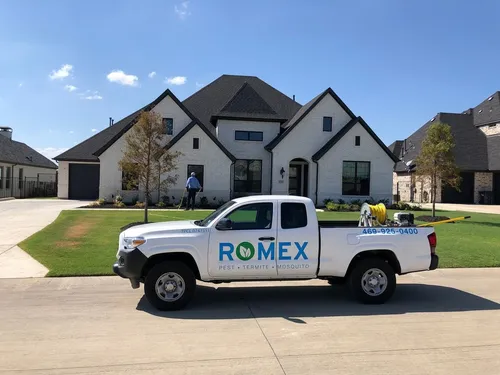
Romex Pest & Termite Control
1606 109th St Suite A, Grand Prairie, TX 75050
Romex Pest & Termite Control provides eco-friendly pest control services in Dallas, TX, serving both homes and businesses. Their offerings include treatment for bed bugs, rodents, termites, mosquitoes, and other common pests, using non-toxic methods that prioritize the safety of families and pets. The company employs advanced detection and treatment tools combined with integrated pest management strategies tailored to local needs. Romex Pest & Termite Control is licensed and insured across Texas and neighboring states, emphasizing environmentally responsible solutions.
Bryan & Bryan Inspections
825 Watters Creek Blvd Bldg M Ste 250, Allen, TX 75013
Bryan & Bryan Inspections is a pest control and termite inspection company serving Plano, TX, and surrounding areas. Established in 1994, the company provides comprehensive home and commercial inspection services, including pest and termite evaluations. Their inspectors use thermal imaging and offer detailed, easy-to-read reports with full-color images, delivered within 24 hours. Bryan & Bryan Inspections also provides termite protection plans as part of their service offerings.
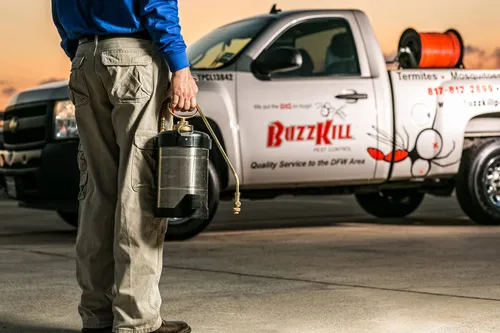
Buzz Kill Pest Control
8200 Northeast Pkwy #116, North Richland Hills, TX 76182
Buzz Kill Pest Control is a locally owned company based in Dallas, TX, specializing in residential and commercial pest control services. They provide comprehensive solutions for a variety of pests including ants, termites, bed bugs, roaches, spiders, rodents, mosquitoes, and wasps. Their termite services include pre-construction soil treatments and in-ground baiting systems to protect new and existing buildings. With over 30 years of experience serving the Dallas-Fort Worth metroplex, Buzz Kill offers tailored integrated pest management plans using low-impact chemicals to ensure safety for families, pets, and workers.
All-Safe Pest & Termite
2301 Ohio Dr #221, Plano, TX 75093
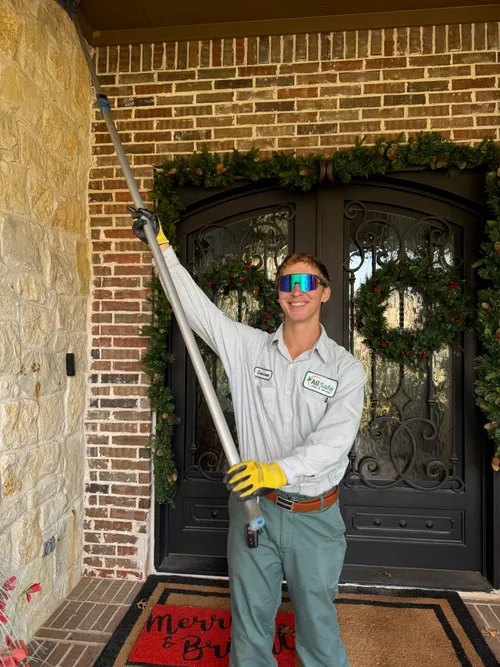
All-Safe Pest & Termite is a locally owned and family-operated pest control company serving Dallas, TX, and surrounding Texas areas. With over 30 years of experience, they provide a wide range of services including residential and commercial pest control, termite inspections, mosquito control, and rodent extermination. The company emphasizes eco-friendly and green pest control options and offers long-term solutions to prevent future infestations. Their team is known for quick response times and a customer-focused approach.
911 Pest Control Services
Arlington, TX
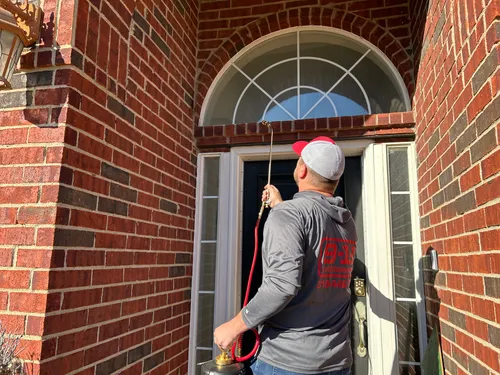
911 Pest Control Services provides pest management solutions for homes and businesses in Arlington, TX. They cover the Dallas-Fort Worth metroplex, including Dallas and Tarrant Counties, offering treatments for wasps, spiders, flies, cockroaches, earwigs, ants, termites, and other common pests. Their licensed technicians use proven methods to address infestations and provide preventative care with same-day service available.
What is Commercial Pest Management?
Commercial pest control, often referred to as business or industrial pest management, is far more than a one-time spray. It's a systematic, ongoing partnership between a business and a licensed pest management professional. The goal is to implement a customized Integrated Pest Management (IPM) plan that focuses on long-term prevention and uses a combination of techniques with minimal reliance on chemicals. This is critical in The Colony, where local pests can threaten food safety, damage property, and disrupt daily operations. A robust program is an investment in your business's continuity and public image.
Common Commercial Pest Threats in The Colony
Different pests pose unique risks, and a quality service will offer targeted solutions. Common commercial pest issues in the area include:
- General Pests: Cockroaches, ants, spiders, and flies are frequent invaders that can contaminate surfaces and products, especially in food-handling environments.
- Rodents: Mice and rats are not only a health hazard through droppings and urine but can also cause significant structural damage by gnawing on wires, insulation, and wood.
- Termites: As a persistent threat in Texas, termites can cause catastrophic, often hidden, structural damage to buildings. Regular inspections and preventative treatments are essential for property protection.
- Mosquitoes & Fleas: For businesses with outdoor patios, dining areas, or landscaping, mosquito and flea control is vital for customer and employee comfort and safety.
- Wildlife: Birds, raccoons, squirrels, and other wildlife can nest in attics or vents, creating noise, damage, and biohazard risks that require humane removal and exclusion techniques.
The Commercial Service Process: Inspection to Action
A professional commercial pest control program follows a meticulous, multi-step process to ensure effectiveness and accountability.
Step 1: The Comprehensive Inspection
Every effective plan begins with a thorough inspection. A certified technician will conduct a detailed walkthrough of your facility, both interior and exterior. They will:
- Identify the specific pest species and assess the level of activity.
- Locate potential entry points such as gaps around doors, utility penetrations, and cracks in foundations.
- Pinpoint conditions that attract pests, including food sources, water leaks, and harborage areas like clutter.
- Evaluate sanitation practices and structural vulnerabilities.
Step 2: Developing a Custom IPM Plan
Based on the inspection findings, your provider will design an Integrated Pest Management plan tailored to your business. This plan prioritizes prevention and uses a tiered approach:
- Cultural & Sanitation Controls: Recommendations may include employee training on proper food storage, improving waste management routines, and reducing clutter that provides shelter for pests.
- Physical & Mechanical Controls: This involves sealing entry points, installing door sweeps, using traps and monitoring stations, and modifying the habitat to make it less inviting.
- Chemical Controls: When necessary, pesticides are used as a targeted last resort. The emphasis is on using the least-risk materials-like baits and gels-applied precisely to minimize exposure to people and non-target organisms 1.
Step 3: Treatment & Ongoing Monitoring
Initial treatment addresses any active infestation. The cornerstone of commercial pest management, however, is the ongoing service. Regular monitoring visits-whether monthly, bi-monthly, or quarterly-allow technicians to proactively check bait stations, traps, and previously treated areas. These visits include detailed reporting, so you are always informed about pest activity on your property and the steps being taken to manage it. This proactive approach is what differentiates a true management program from reactive extermination.
Find the perfect commercial pest control companies for your needs
Get personalized recommendations and expert advice
Understanding Service Options and Investment
Commercial pest control is not a one-size-fits-all service. Reputable providers in The Colony offer a range of service plans to match different business models and risk levels.
- General Pest Management Plans: These are the most common, covering ants, roaches, spiders, and occasional invaders. They typically involve regular inspections and treatments.
- Rodent Control Programs: These focus on exclusion (sealing entry points) and ongoing monitoring with tamper-resistant bait stations and traps.
- Termite Protection Plans: These often include annual inspections and may offer repair guarantees for damage that occurs after the start of the plan.
- Mosquito & Flea Reduction Services: Seasonal treatments for outdoor areas to reduce biting insect populations.
- Wildlife Removal & Exclusion: One-time or as-needed services to humanely remove animals and permanently seal them out of the structure.
The cost for commercial pest management in The Colony varies significantly based on several key factors: the size and type of your facility, the specific pests targeted, the severity of any infestation, and the frequency of service required 2 3 4. Initial one-time services for a specific problem, like rodent trapping or a cockroach treatment, can range from $200 to over $500. Ongoing quarterly or monthly service plans often start with an initial setup cost (e.g., $200-$300+) followed by recurring visits that may range from $40 to $100+ per month, depending on the scope of the plan 2 5 4. It's important to view this as a necessary operational expense that safeguards your larger business investments.
Choosing a Provider in The Colony
Selecting the right commercial pest management partner is crucial. Look for a company with:
- Proper state licensing and certified technicians, which is mandatory for applying pesticides in Texas 6.
- Proven experience with businesses similar to yours (e.g., restaurants, warehouses, healthcare).
- A clear commitment to IPM principles and safety 7 8.
- Transparent communication, detailed service reports, and a responsive customer service team.
- Adequate insurance and the ability to provide references.
A trusted provider acts as an extension of your team, ensuring your business remains a clean, safe, and compliant environment for everyone.
Frequently asked questions
Sources
Footnotes
-
Effective Pest Control Methods: Best Practices & Strategies - FieldRoutes - https://www.fieldroutes.com/blog/pest-control-methods ↩
-
Same-Day Pest Control The Colony, TX - https://www.pci-pest-control.com/service-areas/pest-control-the-colony-texas/ ↩ ↩2
-
Commercial Pest Management - Colony Pest Management, Inc. - https://colonypestmanagement.com/commercialpestmanagment/ ↩
-
Pest Control Costs Explained: Types and Benefits - https://www.systempest.com/index.php?route=bnews/article&news_id=59 ↩ ↩2
-
Pest Control | The Colony, TX - https://www.abchomeandcommercial.com/dallas/pest-control/the-colony-tx-pest-control ↩
-
How to Obtain a License - https://schoolipm.tamu.edu/pesticide-applicator-information/how-to-obtain-a-license/ ↩
-
Integrated Pest Management (IPM) Principles | US EPA - https://www.epa.gov/safepestcontrol/integrated-pest-management-ipm-principles ↩
-
Integrated Pest Management (IPM): A Sustainable Approach to Pest ... - https://hgic.clemson.edu/factsheet/iintegrated-pest-management-ipm-a-sustainable-approach-to-pest-management/ ↩