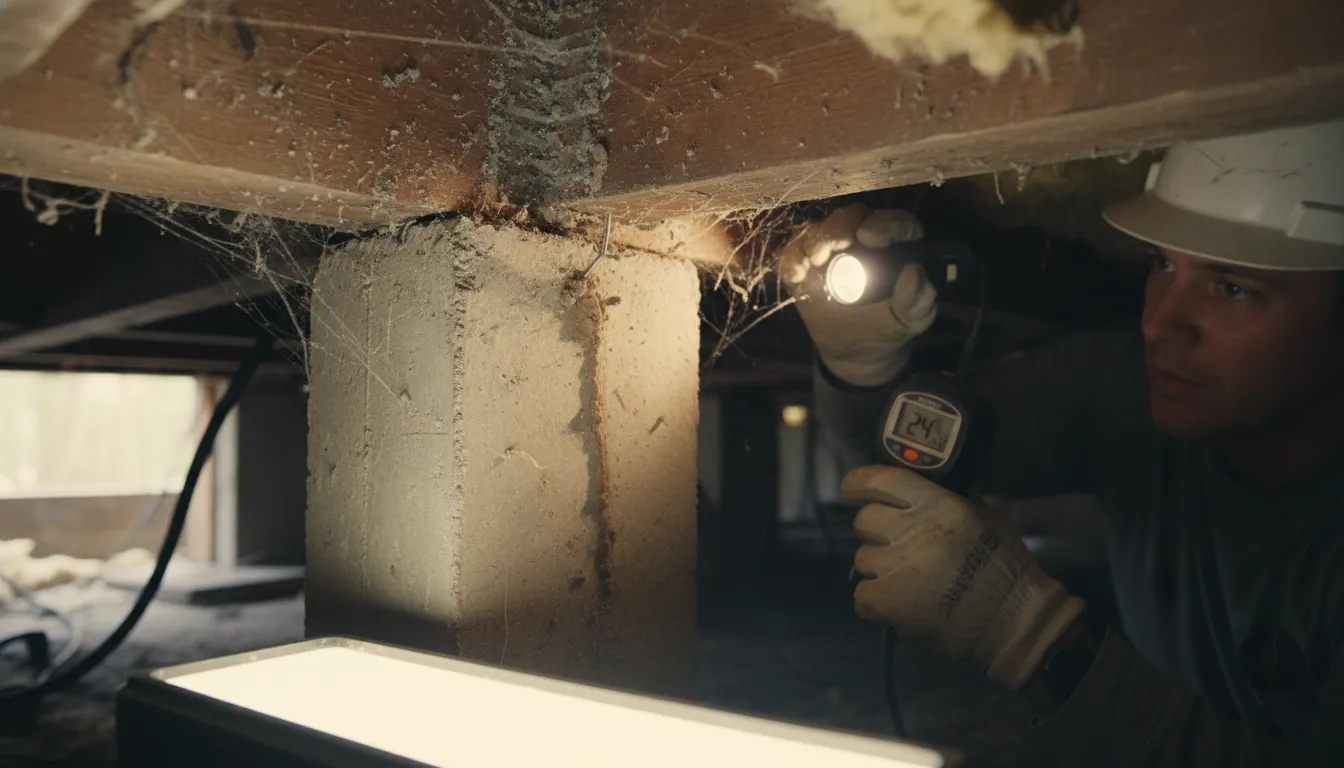
Find the Best Termite Inspection Companies for Your Business
No obligation • Fast responses • Nationwide coverage

Why you can trust Pest Crews
Pest Crews is a leading U.S. resource for finding and evaluating residential and commercial pest control services. Our team researches providers, reviews treatment approaches, and organizes unbiased information to help you make informed decisions. Companies cannot pay to change our editorial content or influence how they appear.
Search providers near you
Top Termite Inspection Companies in Carmel, Indiana Ranked
A professional termite inspection is a critical evaluation of your property to detect the presence of wood-destroying organisms, primarily subterranean termites, which are common in the Carmel area. This service matters because termites can cause extensive, costly structural damage that is often hidden from plain sight. By understanding what a thorough termite check involves and knowing how to find qualified local inspectors, you can protect your most significant investment-your home.
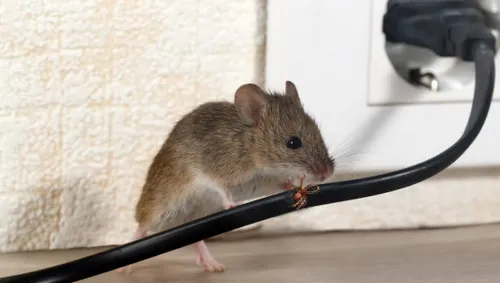
Anderson Termite & Pest Solutions..Locally owned in Greenwood.. pest, termite, rodent contol
3115 Meridian Meadows Rd, Greenwood, IN 46142
Anderson Termite & Pest Solutions is a locally owned pest control company based near Indianapolis, IN, offering services for homes and businesses. They provide treatment and extermination for a variety of pests including termites, bed bugs, ants, spiders, fleas, roaches, rodents, bees, and wasps. Their technicians develop termite control plans to eliminate termite activity and address infestations in often overlooked areas like crawlspaces. The company also handles rodent control by distinguishing between mice and rats to effectively manage infestations.
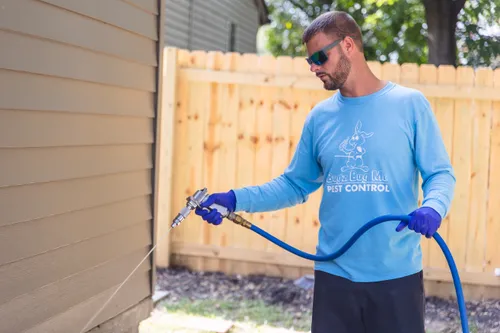
Bugz Bug Me Pest Control
Indianapolis, IN
Bugz Bug Me Pest Control provides eco-friendly pest control services in Indianapolis, IN, serving both homes and businesses. They specialize in treating a variety of pests including bed bugs, termites, ants, mosquitoes, rodents, cockroaches, and fleas using safe, non-toxic methods that are designed to protect children, pets, and the environment. The company is recognized for its commitment to sustainable pest management and has been named a top pest control company by local advisory boards and Forbes in 2025. Bugz Bug Me offers customized treatment plans and serves over 20 communities across Indiana.
Elite Pest Solutions..Locally Owned..Rodent, Pest, & Termite Services
Indianapolis, IN
Elite Pest Solutions is a locally owned pest control company based in Indianapolis, IN, serving central Indiana and surrounding areas. They provide a range of services including termite inspections, rodent and insect exclusion, bed bug treatment, and removal of bees and wasps. Their capabilities include termite treatments using bait stations or chemical methods, as well as general pest extermination for homes and businesses. The company offers inspections for property transactions and pest control maintenance without requiring contracts.

Aardvark Home Inspectors Inc.
9000 Keystone Crossing #850, Indianapolis, IN 46240
Aardvark Home Inspectors Inc. is a family-owned home inspection company serving Indianapolis, IN, and surrounding areas including Pendleton, Grand Rapids, and Fort Wayne. With over 25 years of experience, they provide detailed home inspections along with termite inspections, radon testing, mold testing, and other specialized services. Their termite inspections help identify potential infestations that could cause significant damage. Aardvark offers warranty protection with every inspection and employs licensed inspectors who are members of InterNACHI, ensuring professional and thorough evaluations.
AllCheck Inspections
4519 N Franklin Rd Suite A, Indianapolis, IN 46226
AllCheck Inspections is a home and termite inspection company based in Indianapolis, IN. They provide a range of inspection services including termite inspection, radon testing, mold testing, water testing, and indoor air quality testing. Serving Indianapolis and surrounding Central Indiana communities such as Carmel, Fishers, and Noblesville, AllCheck Inspections offers thorough and clear inspection reports to help buyers and sellers make informed decisions. Their team is known for detailed home inspections and timely delivery of reports, supporting clients through the home buying or selling process.
Why Termite Inspections Are Essential in Carmel
Termites are a silent threat to homes in Hamilton County. The most prevalent type in our region is the subterranean termite, which lives in the soil and builds mud tubes to access the wood in your home's structure 1. These pests are responsible for billions of dollars in property damage nationwide each year, and because they work from the inside out, infestations can go unnoticed for years. A professional termite evaluation is the only reliable way to identify active infestations, assess damage, and spot conditions that make your home vulnerable. For homeowners, it's a key part of preventative maintenance. For those buying or selling a home, it's often a required step in the real estate transaction to secure a clear Wood Destroying Insect (WDI) report.
What a Professional Inspector Looks For
During a comprehensive termite assessment, a certified inspector conducts a meticulous search for specific signs of activity and conditions that attract termites. The goal is to leave no stone unturned-or, more accurately, no baseboard unprobed.
Key Evidence of Termites:
- Mud Tubes: These pencil-sized tunnels made of soil and saliva are the highways subterranean termites use to travel from their colony in the ground to the wood in your home. Inspectors look for them on foundation walls, in crawl spaces, and along piers.
- Frass: This is a technical term for termite droppings. Drywood termites (less common here) leave behind small, pellet-like frass. Subterranean termites use their droppings to build their tubes, so frass may be less visible.
- Swarmers and Wings: Reproductive termites, or swarmers, emerge to start new colonies. Finding these winged insects or piles of their discarded wings inside your home, especially near windowsills, is a strong indicator of an established colony nearby.
- Wood Damage: Termites eat wood along the grain, leaving behind a honeycomb pattern. Inspectors will probe exposed wood with a tool. Wood that sounds hollow when tapped or feels soft and crumbly is a major red flag.
Conducive Conditions Inspectors Identify: An expert doesn't just look for active bugs; they diagnose why your property might be at risk. Common issues in Carmel homes include:
- Wood-to-Soil Contact: Any part of your home's wooden structure (siding, door frames, deck posts) touching the soil provides a direct bridge for termites.
- Excessive Moisture: Leaky pipes, poor drainage, clogged gutters, and damp crawl spaces create the humid environment termites need to thrive.
- Cracks in the Foundation: Even hairline cracks can serve as entry points for determined termites.
- Landscaping and Debris: Mulch piled against the foundation, firewood stored next to the house, and old tree stumps in the yard can all harbor termite colonies 2.
The Step-by-Step Inspection Process
A thorough termite inspection in Carmel is a systematic process, both inside and out. Here's what you can expect when a professional arrives.
1. Exterior Inspection The inspector starts outside, walking the entire perimeter of your home. They will examine the foundation for mud tubes and cracks, check where soil meets wood, inspect decks and porches, and look at landscaping features like mulch beds and tree stumps. The goal is to identify any external pathways or food sources leading to your home.
2. Interior Inspection Next, the inspector moves inside to check common trouble spots. This includes:
- Basements and Crawl Spaces: These are prime areas due to their proximity to soil and potential for moisture. Every joist, sill plate, and support post will be examined 3.
- Attics: While less common for subterranean termites, attics are checked for proper ventilation and signs of other wood-destroying pests.
- Living Areas: Inspectors will check along baseboards, inside cabinets (especially in kitchens and bathrooms), around window and door frames, and anywhere else wood is present. They look for blistering paint, tiny holes in drywall, or any signs of moisture damage 4.
3. Tools of the Trade To see what the naked eye might miss, inspectors use specialized equipment:
- Moisture Meter: Since termites are drawn to moisture, this tool helps identify damp wood behind walls or under floors, which is a likely hotspot for activity 5.
- Probing Tools: A simple screwdriver or ice pick is used to gently probe wood that appears suspect. If it sinks in easily, it may be damaged from within.
- Flashlights and Mirrors: Essential for illuminating dark corners, crawl spaces, and attic eaves.
- Advanced Tools: Some inspectors may use infrared cameras to detect temperature differences behind walls that can indicate moisture or pest activity 6.
Find the perfect termite inspection companies for your needs
Get personalized recommendations and expert advice
Understanding Inspection Reports and Costs
After the visual examination is complete, the inspector will compile their findings into a detailed report. This document is your roadmap for any necessary action.
The Inspection Report A professional report should clearly document all findings, including:
- Evidence Found: A list and description of any live termites, mud tubes, damage, or swarmers observed.
- Conducive Conditions: A summary of issues like wood-to-soil contact, moisture problems, or cracks that need to be addressed to prevent future infestation.
- Diagram of the Property: Most reports include a sketched diagram noting where evidence or conditions were found.
- Recommendations: This is the most critical part. It will outline if treatment is immediately necessary and what type (e.g., liquid termiticide barrier, baiting system). It will also list repairs and modifications needed to make your home less inviting to termites 7 8.
Termite Inspection Costs in Carmel The price for a termite inspection in Carmel is not one-size-fits-all. Several factors influence the final cost:
- Size and Design of the Home: Larger homes and those with complex layouts, multiple stories, or extensive crawl spaces simply take more time to inspect thoroughly.
- Purpose of the Inspection: A basic annual check-up may be less expensive than a formal WDI inspection required for a real estate transaction, which carries more liability and requires specific documentation 9.
- Accessibility: A home with a fully encapsulated, easy-to-access crawl space is quicker to inspect than one with a cramped, dirt-floor crawl space.
Given these factors, homeowners in Carmel can expect to pay a range for a professional termite inspection. Basic inspections might start around $100, but a comprehensive, real estate-focused inspection and report for a typical single-family home more commonly ranges from $150 to $400 or more 10 11 12. It's important to view this not as a simple fee but as an investment in the long-term health and value of your property.
Choosing the Right Inspector for Your Home
Not all inspections are created equal. When looking for a termite inspection professional in Carmel, consider these key points:
- Licensing and Certification: Ensure the inspector is licensed by the state of Indiana and holds certifications from reputable industry organizations. This guarantees they have the required training.
- Experience and Reputation: Look for a company with a solid local reputation and years of experience specifically with termites in the Midwest climate.
- Detailed Reporting: Ask about the format of their report. It should be clear, comprehensive, and include photos of any findings.
- Insurance: The inspector should carry liability insurance to protect you in the rare event of an error.
Frequently asked questions
Sources
Footnotes
-
Ultimate Guide to Termite Treatment - https://www.fullscopepestcontrol.com/ultimate-guide-to-termite-treatment/ ↩
-
Termite Inspections: Cost and What to Expect | Real Estate - https://realestate.usnews.com/real-estate/articles/termite-inspections-cost-and-what-to-expect ↩
-
A Guide to Termite Inspections and How They Save Your Home - https://azinspect.com/a-guide-to-termite-inspections-and-how-they-save-your-home/ ↩
-
What Happens During a Termite Inspection - Terminix - https://www.terminix.com/termite-control/inspection/ ↩
-
What to Expect When We Perform a Termite Inspection in Your Home - https://cititurf.com/blog/what-to-expect-when-we-perform-a-termite-inspection-in-your-home/ ↩
-
Full Guide to Professional Termite Inspections for Home Inspectors - https://www.homegauge.com/learning/home-inspectors-termites/ ↩
-
What to Expect from a Professional Termite Inspection ... - https://pinellastermite.com/professional-termite-inspection-and-treatment-what-to-expect/ ↩
-
Termite inspection: How it works - Western Exterminator - https://www.westernexterminator.com/termite-control/termite-inspection ↩
-
Termite Letters | Why They Are Important When Buying or Selling Your Home - US Pest Protection - https://uspest.com/blog/termite-letters-why-they-are-important-when-buying-or-selling-your-home/ ↩
-
How Much Does a Termite Inspection Cost? - https://patriotinspect.com/how-much-does-a-termite-inspection-cost/ ↩
-
How Much Is a Termite Inspection? Complete Cost Overview - https://www.homelight.com/blog/how-much-is-a-termite-inspection/ ↩
-
Termite Inspections for Homebuyers: Requirements & Costs - https://www.freedommortgage.com/learning-center/articles/termite-inspection-home-purchase ↩