Find the Best Termite Inspection Companies for Your Business
No obligation • Fast responses • Nationwide coverage

Why you can trust Pest Crews
Pest Crews is a leading U.S. resource for finding and evaluating residential and commercial pest control services. Our team researches providers, reviews treatment approaches, and organizes unbiased information to help you make informed decisions. Companies cannot pay to change our editorial content or influence how they appear.
Search providers near you
Top Termite Inspection Companies in Indianapolis, Indiana Ranked
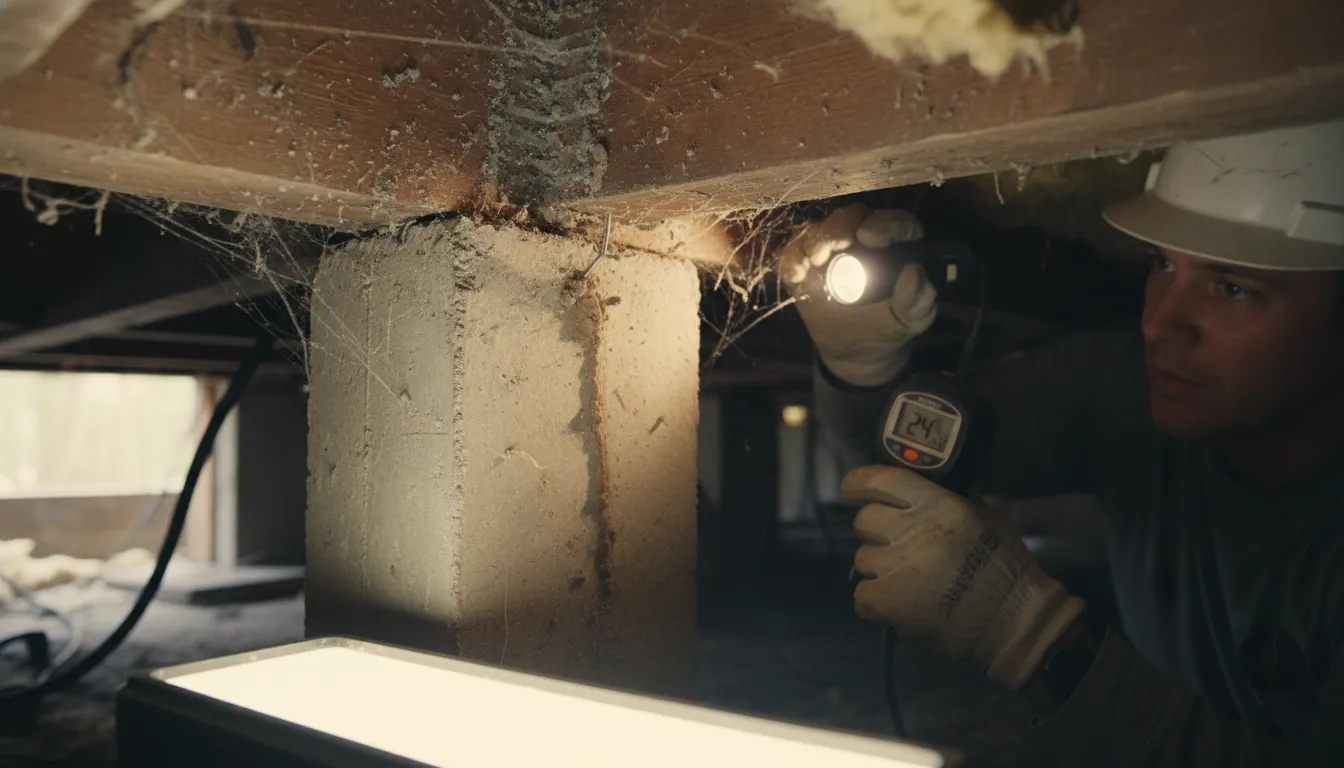
A termite inspection is a critical evaluation of your property to detect the presence or risk of wood-destroying insects, primarily subterranean termites. In Indianapolis, this service is vital for protecting your home's structural integrity and value, as termites can cause extensive, hidden damage. This guide will help you understand what a local termite assessment entails, what inspectors look for, and how to find qualified professionals in the area to safeguard your investment.
Anderson Termite & Pest Solutions..Locally owned in Greenwood.. pest, termite, rodent contol
3115 Meridian Meadows Rd, Greenwood, IN 46142
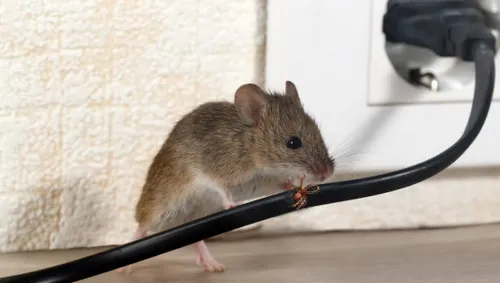
Anderson Termite & Pest Solutions is a locally owned pest control company based near Indianapolis, IN, offering services for homes and businesses. They provide treatment and extermination for a variety of pests including termites, bed bugs, ants, spiders, fleas, roaches, rodents, bees, and wasps. Their technicians develop termite control plans to eliminate termite activity and address infestations in often overlooked areas like crawlspaces. The company also handles rodent control by distinguishing between mice and rats to effectively manage infestations.
Bugz Bug Me Pest Control
Indianapolis, IN
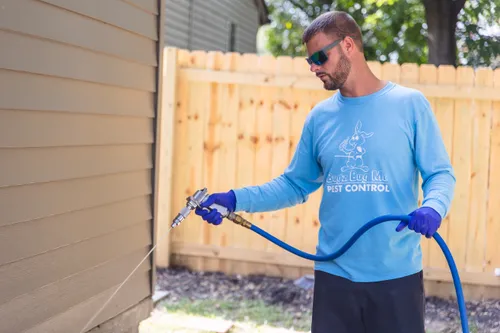
Bugz Bug Me Pest Control provides eco-friendly pest control services in Indianapolis, IN, serving both homes and businesses. They specialize in treating a variety of pests including bed bugs, termites, ants, mosquitoes, rodents, cockroaches, and fleas using safe, non-toxic methods that are designed to protect children, pets, and the environment. The company is recognized for its commitment to sustainable pest management and has been named a top pest control company by local advisory boards and Forbes in 2025. Bugz Bug Me offers customized treatment plans and serves over 20 communities across Indiana.
Elite Pest Solutions..Locally Owned..Rodent, Pest, & Termite Services
Indianapolis, IN
Elite Pest Solutions is a locally owned pest control company based in Indianapolis, IN, serving central Indiana and surrounding areas. They provide a range of services including termite inspections, rodent and insect exclusion, bed bug treatment, and removal of bees and wasps. Their capabilities include termite treatments using bait stations or chemical methods, as well as general pest extermination for homes and businesses. The company offers inspections for property transactions and pest control maintenance without requiring contracts.

Aardvark Home Inspectors Inc.
9000 Keystone Crossing #850, Indianapolis, IN 46240
Aardvark Home Inspectors Inc. is a family-owned home inspection company serving Indianapolis, IN, and surrounding areas including Pendleton, Grand Rapids, and Fort Wayne. With over 25 years of experience, they provide detailed home inspections along with termite inspections, radon testing, mold testing, and other specialized services. Their termite inspections help identify potential infestations that could cause significant damage. Aardvark offers warranty protection with every inspection and employs licensed inspectors who are members of InterNACHI, ensuring professional and thorough evaluations.
AllCheck Inspections
4519 N Franklin Rd Suite A, Indianapolis, IN 46226
AllCheck Inspections is a home and termite inspection company based in Indianapolis, IN. They provide a range of inspection services including termite inspection, radon testing, mold testing, water testing, and indoor air quality testing. Serving Indianapolis and surrounding Central Indiana communities such as Carmel, Fishers, and Noblesville, AllCheck Inspections offers thorough and clear inspection reports to help buyers and sellers make informed decisions. Their team is known for detailed home inspections and timely delivery of reports, supporting clients through the home buying or selling process.
Why Termite Inspections Are Essential in Indianapolis
The climate and soil conditions in Central Indiana create an inviting environment for subterranean termites, the most common species in the region. These pests are drawn to moisture and can silently compromise the wooden structural components of your home for years before visible signs appear. A professional termite evaluation is not just for real estate transactions; it's a proactive measure for any homeowner. Regular checks can identify conducive conditions-like excess moisture or wood-to-soil contact-before an infestation takes hold, potentially saving you thousands in repair costs 1.
What a Professional Inspector Examines
A thorough termite check in Indianapolis is a meticulous process, both inside and out. Inspectors are trained to identify not only active infestations but also the conditions that attract termites. They follow a systematic approach to ensure no vulnerable area is overlooked.
Interior Inspection Points
Inside your home, the inspector will focus on areas where moisture tends to accumulate and where structural wood is accessible.
- Basements and Crawl Spaces: These are prime targets due to their proximity to soil and potential for higher humidity. Inspectors will examine foundation walls, floor joists, support posts, and sill plates.
- Utility Rooms and Plumbing Areas: Spaces around water heaters, under sinks, and near washing machines are checked for leaks and moisture that attract termites.
- Windows, Doors, and Baseboards: Inspectors look for subtle signs like tiny exit holes, blistering paint, or hollow-sounding wood when tapped.
- Attics: While less common for subterranean termites, attics are inspected for proper ventilation and to rule out other wood-boring pests.
Exterior Inspection Points
The exterior inspection is crucial for identifying how termites might gain access to your home.
- Foundation Perimeter: The inspector will look for the tell-tale mud tubes-pencil-sized tunnels termites build to travel between their soil nest and food source 2.
- Wood-to-Soil Contact: This includes deck posts, stair stringers, fence lines touching the house, and even landscape mulch piled too high against siding.
- Ventilation and Drainage: Crawl space vents, gutters, and downspouts are evaluated to ensure they direct water away from the foundation, as poor drainage creates ideal termite conditions.
Key Signs of Termite Activity Inspectors Look For
During a termite inspection, professionals are detectives searching for specific evidence. Knowing these signs yourself can help you monitor your home between professional visits.
- Mud Tubes: The most definitive sign of subterranean termites. These fragile, brown tunnels are often found on foundation walls, in crawl spaces, or along pipes.
- Damaged Wood: Wood that sounds hollow when tapped or is easily pierced by a screwdriver may be infested. Termites eat wood from the inside out, often leaving a thin veneer of wood or paint intact.
- Frass: Drywood termites (less common in Indianapolis) produce pellet-like droppings. Subterranean termites use their droppings to construct mud tubes, so frass is less commonly seen.
- Discarded Wings: During swarming season (often spring), reproductive termites shed their wings after finding a mate. Piles of small, equal-sized wings near windowsills or light sources are a key indicator 3.
- Visible Termites: Worker termites are creamy-white, soft-bodied insects. It's important to distinguish them from ants, which have pinched waists and elbowed antennae. Termite swarmers have straight antennae and two pairs of equal-length wings 4.
Tools and Technology Used in Modern Inspections
Today's pest management professionals use more than just a flashlight and a keen eye. Advanced tools help them detect hidden activity that would otherwise go unnoticed.
- Moisture Meters: These devices measure the moisture content in wood and building materials. Since termites are attracted to moisture, a high reading can pinpoint a potential hotspot for infestation or damage 5 6.
- Infrared Thermal Cameras: Thermal imaging can reveal temperature differences behind walls. Active termite colonies generate heat, and damaged, moisture-laden wood often has a different temperature than dry, solid wood, making it visible on camera 7.
- Acoustic Detection Devices: Sophisticated listening devices can pick up on the faint sounds of termites chewing and moving within wood 8.
- Borescopes: Small, flexible cameras can be inserted into wall voids, under floors, or into other inaccessible areas to provide visual confirmation of activity or damage.
Find the perfect termite inspection companies for your needs
Get personalized recommendations and expert advice
Understanding Inspection Reports and Costs
In Indianapolis, the scope and cost of a termite inspection can vary based on your needs, primarily whether it's a routine check or a formal report for a real estate transaction.
Types of Inspections
- Standard Visual Inspection: Often offered for free or at a low cost by pest control companies as a preliminary service. It involves a visual check for signs of activity and conducive conditions.
- Official WDI Report: A Wood-Destroying Insect inspection report is a formal document often required by mortgage lenders during a home sale. It follows a standardized format and details any evidence of active or previous infestation from termites, carpenter ants, and other wood-destroyers. This report can cost between $100 and $200 on average, though prices can be higher for very large properties 9 10 11.
Factors Influencing Cost
Several elements affect the price of a termite inspection in Indianapolis:
- Property Size and Age: Larger homes and older homes with multiple additions or complex foundations take longer to inspect thoroughly.
- Type of Report: A formal WDI report for real estate carries more liability and documentation, hence the higher cost compared to a basic check.
- Accessibility: Homes with cluttered crawl spaces, finished basements, or extensive landscaping may require more time and effort.
What Happens If Termites Are Found?
If the inspection reveals an active infestation, the inspector will discuss treatment options and associated costs. Treatment costs are separate from inspection fees and can vary widely based on the method and extent of the problem. Local estimates suggest one-time localized treatments can range from $200 to $900, while whole-structure fumigation (tenting) for severe drywood termite issues may cost $1,200 to $2,500 or more 12 13. The inspector should provide a detailed plan outlining the recommended treatment strategy.
The Role of Inspections in Home Buying and Selling
In Indiana, a termite inspection is not universally mandated by law, but it is frequently required by lenders or requested by savvy buyers. A clear WDI report can make your home more attractive to potential buyers and smooth the closing process. For buyers, investing in a termite check is a non-negotiable part of due diligence-it can reveal hidden issues that affect the home's value and give you leverage in negotiations or the opportunity to request treatment before finalizing the purchase.
Frequently asked questions
Sources
Footnotes
-
Smithereen How Do You Know If You Have Termites in Indianapolis? - https://www.smithereen.com/blog/how-do-you-know-if-you-have-termites-in-indianapolis/ ↩
-
Termite Treatment in Indianapolis, IN - Kapp's Green Lawn - https://kappslawn.com/location/indianapolis-in-area/termite-treatment-in-indianapolis-in/ ↩
-
Signs of Termites in Your Indianapolis Home 101 From Smithereen - https://www.smithereen.com/blog/signs-of-termites-in-your-indianapolis-home-101-from-smithereen/ ↩
-
Termite Inspection in Indianapolis: Do Termites Fly? - https://www.smithereen.com/blog/termite-inspection-in-indianapolis-do-termites-fly/ ↩
-
Comprehensive Termite Control in Indianapolis - https://www.smithereen.com/blog/comprehensive-termite-control-in-indianapolis/ ↩
-
Termite and WDI Inspection - Indianapolis Home Inspections - https://www.ihinspections.com/termite ↩
-
Indianapolis Termite Inspections - https://npiweb.com/indynorth/services/termite-inspections/ ↩
-
5 Things Exterminators Check During Termite Inspections - https://home.howstuffworks.com/home-improvement/household-hints-tips/insect-control/5-things-exterminators-check-during-termite-inspections.htm ↩
-
What Happens During a Termite Inspection - Terminix - https://www.terminix.com/termite-control/inspection/ ↩
-
Termite Inspections for Homebuyers: Requirements & Costs - https://www.freedommortgage.com/learning-center/articles/termite-inspection-home-purchase ↩
-
How Much Does a Termite Inspection Cost? - https://patriotinspect.com/how-much-does-a-termite-inspection-cost/ ↩
-
Termite Inspection Cost [2026 Data] - Angie's List - https://www.angi.com/articles/how-much-does-termite-inspection-cost.htm ↩
-
How Much Does Termite Treatment Cost in Indianapolis, IN? | Angi - https://www.angi.com/articles/how-much-does-termite-treatment-cost/in/indianapolis ↩