Find the Best Termite Inspection Companies for Your Business
No obligation • Fast responses • Nationwide coverage

Why you can trust Pest Crews
Pest Crews is a leading U.S. resource for finding and evaluating residential and commercial pest control services. Our team researches providers, reviews treatment approaches, and organizes unbiased information to help you make informed decisions. Companies cannot pay to change our editorial content or influence how they appear.
Search providers near you
Top Termite Inspection Companies in Grand Rapids, Michigan Ranked
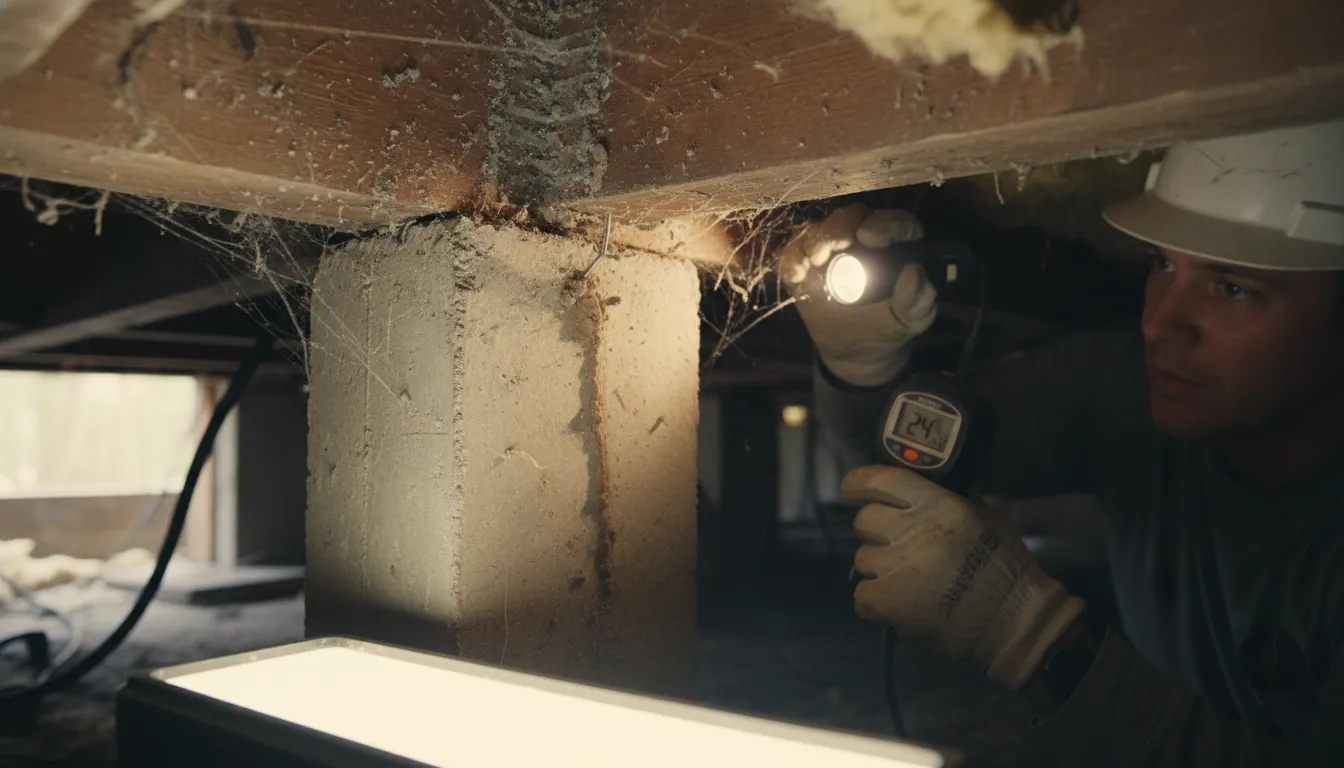
A termite inspection is a specialized assessment of your property to detect the presence or risk of wood-destroying insects. In Grand Rapids, this service is crucial for protecting your home's structural integrity and value from the primary local threat, the Eastern Subterranean termite. This guide will help you understand what a termite check involves, what local inspectors look for, and how you can use this information to find qualified professionals in the Grand Rapids area.
proof. Pest Control
87 54th St SW #5, Grand Rapids, MI 49548
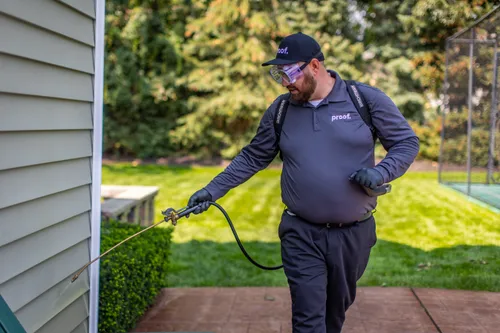
proof. Pest Control is a pest control company based in Grand Rapids, MI, offering services to manage a variety of pests including bed bugs, cockroaches, ants, rodents, termites, mosquitoes, spiders, and ticks. They use botanically-derived products and advanced techniques to treat and prevent infestations. Their termite control includes a four-step process with inspection, customized treatment plans, bait station placement, and annual inspections to protect homes year-round. Rodent control strategies include baiting, trapping, and exclusion to address infestations effectively. The company serves residential clients in the Grand Rapids area.

Hammer Home Inspections
323 Hollister Ave SE, Grand Rapids, MI 49506
Hammer Home Inspections is a termite inspection company based in Grand Rapids, MI, offering a range of home inspection services. The business is led by a Certified Master Inspector® who uses infrared thermal imaging to detect hidden issues such as leaks, electrical defects, and moisture problems. They provide specialized services including VA termite inspections, radon testing, and video sewer scope inspections across Grand Rapids and West Michigan. Hammer Home Inspections is known for its comprehensive approach to home inspections, helping clients identify potential problems before they become costly repairs.
Veteran Inspections & Services
Grand Rapids, MI
Veteran Inspections & Services is a veteran-owned home inspection company based in Grand Rapids, MI. They offer a range of inspection services including termite inspections, mold inspections, radon testing, water and well testing, and manufactured home foundation certifications. With decades of combined experience, they provide comprehensive residential inspection solutions to home buyers in the area.

Pest Pros of Michigan
3113 Hillcroft Ave SW Suite A4, Grand Rapids, MI 49548
Pest Pros of Michigan is a locally owned pest control company serving Grand Rapids, MI. They offer a wide range of pest management services including bed bug treatment, termite inspections, rodent and wildlife removal, and mosquito control. Their approach includes integrated pest management techniques such as trapping, exclusion, sanitation, habitat modification, and ongoing maintenance. The company also provides home clearance letters and commercial pest control services. Pest Pros of Michigan holds multiple Associate Certified Entomologist certifications and has been recognized with the Charles Evans Memorial Award for business excellence in the pest control industry.
EcoShield Pest Solutions
4515 Broadmoor Ave SE, Grand Rapids, MI 49512
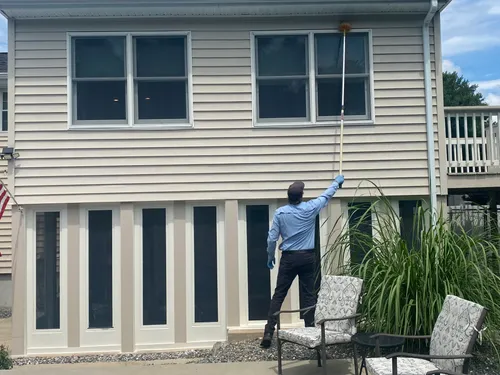
EcoShield Pest Solutions is a pest control company based in Grand Rapids, MI, offering a range of services including bed bug treatment, rodent and wildlife exclusion, termite inspection and prevention, mosquito control, and commercial pest management. They provide environmentally conscious pest control solutions using EPA-regulated materials applied by state-licensed technicians. EcoShield is known for their Home Shield protection plans and specialized services such as attic and crawl space insulation to prevent pest entry. The company emphasizes safe, effective pest management and supports local communities through initiatives like Exterminate Hunger. They serve multiple states but maintain a strong presence in Grand Rapids, MI.
Understanding the Local Termite Threat
The most common termite species in Michigan is the Eastern Subterranean Termite. These insects live in the soil and build distinctive mud tubes to travel between their colony and their food source-the wood in your home. This behavior makes certain areas of your property particularly vulnerable, including basements, crawlspaces, decks, and any wood that contacts the soil. Because termite damage is often hidden within walls or structural timbers, a professional termite inspection is the most reliable way to identify an active infestation or conditions that could lead to one.
What Does a Termite Inspector Look For?
A thorough termite examination involves checking both the exterior and interior of your home for specific signs of activity and conditions that attract termites. Knowing what inspectors focus on can help you as a homeowner spot potential warning signs between professional visits.
Exterior Inspection Points
The inspection begins outside, where inspectors look for entry points and conducive conditions.
- Foundation Cracks: Small cracks in the foundation or mortar can serve as entry points for termites.
- Wood-to-Soil Contact: Any structural wood, such as siding, door frames, or porch supports, that touches the soil provides direct access for termites.
- Vegetation and Mulch: Dense vegetation, mulch, or debris piled against the house foundation retains moisture and can hide termite mud tubes.
- Decks and Porches: Inspectors will check where wooden decks and porches attach to the house, a common hotspot for hidden damage.
- Mud Tubes: The most definitive sign of subterranean termites, these pencil-sized tubes are often found on foundation walls, piers, or in crawlspaces 1 2.
Interior Inspection Points
Inside the home, the inspector will examine areas where termites are likely to feed or where evidence might be visible 3.
- Hollow-Sounding Wood: Tapping on wood surfaces like baseboards, window sills, and door frames. Wood that sounds hollow or papery may be damaged from the inside out.
- Blistered or Peeling Paint: Moisture damage from termite activity can sometimes cause paint to bubble or peel.
- Frass: Drywood termites (less common in Michigan) leave behind pellet-like droppings. Subterranean termites use their droppings in tunnel construction, so frass is less common but still a possible indicator.
- Discarded Wings: Reproductive "swarmers" shed their wings after finding a mate. Piles of tiny, identical wings near windowsills or light sources are a strong sign of termite activity.
- Moisture Issues: Since termites are attracted to moisture, inspectors note areas with water leaks, poor drainage, or condensation, particularly in basements and crawlspaces.
Attics & Crawlspaces
These often-overlooked areas are critical in a termite evaluation. Inspectors will check for proper ventilation, signs of wood damage on rafters and joists, and any moisture accumulation. For a complete inspection, homeowners are usually asked to ensure these spaces are accessible by clearing away stored items.
The Professional Termite Inspection Process
Understanding the steps of a professional termite assessment can set clear expectations and help you prepare your home.
- Exterior Perimeter Check: The inspector will walk the entire perimeter of your home, examining the foundation, siding, and any attached wooden structures. They look for mud tubes, damaged wood, and conditions that could invite termites.
- Interior Room-by-Room Check: The inspector will examine the lowest level of the home thoroughly, including the basement, and check accessible areas on upper floors. They will look for the visual and auditory signs of damage mentioned above 4.
- Attic and Crawlspace Examination: If accessible, these spaces will be inspected for damage, moisture, and proper ventilation.
- Use of Specialized Tools: Beyond a flashlight and probing tool, inspectors may use a moisture meter to detect hidden dampness in walls or wood. In some cases, with the homeowner's permission, a small inspection hole may be drilled into drywall or a trim board to look inside a wall cavity 5.
- Detailed Reporting: After the inspection, you should receive a written report detailing all findings. This report will note any evidence of active or past termite activity, identify conditions conducive to future infestations, and provide recommendations for treatment or corrective actions 6 7.
Find the perfect termite inspection companies for your needs
Get personalized recommendations and expert advice
Termite Inspection Costs in Grand Rapids
The cost for a termite inspection in Grand Rapids can vary based on several factors. According to industry research, typical inspection costs range from $50 to $325 8 9. The final price often depends on:
- Home Size and Complexity: Larger homes or those with multiple crawlspaces, additions, or complex foundations take longer to inspect.
- Location: Local market rates in Grand Rapids will apply.
- Type of Inspection: A standalone termite inspection may have one price, while an inspection bundled with a general home inspection or a WDIR (Wood Destroying Insect Report) for real estate transactions may be priced differently.
Some companies may offer a "free" inspection, which is often a visual survey used for sales purposes. A formal, detailed inspection report that can be used for legal or real estate documentation typically incurs a fee 10. It's always best to clarify what is included in the quoted price when contacting local providers.
The Importance of Regular Inspections
For Grand Rapids homeowners, scheduling regular termite inspections is a key part of preventative home maintenance. The Eastern Subterranean Termite is a persistent threat, and damage can progress significantly before becoming visible in living areas 11 12. Early detection through a professional inspection is far less costly than major structural repairs. Experts often recommend an annual inspection, or at minimum, an inspection every few years, especially if your home has known risk factors like a history of moisture problems, wood siding near the ground, or an older foundation.
Preparing for Your Inspection
To ensure your termite inspection is as thorough and efficient as possible, you can take a few simple steps:
- Clear Access: Move stored items, boxes, and furniture away from basement walls, crawlspace entrances, and attic access points.
- Trim Vegetation: Cut back shrubs, vines, or tree branches that are touching the house.
- Move Mulch: Rake back mulch so there is a gap of several inches between the mulch and your home's foundation.
- Note Concerns: Make a list of any areas you have concerns about, such as soft wood, unexplained moisture, or spots where you've seen insect wings.
Frequently asked questions
Sources
Footnotes
-
Complete Guide to Termite Inspection for Home Purchase - https://bettertermite.com/termite-inspection-for-home-purchase/ ↩
-
Termite inspection: How it works - Western Exterminator - https://www.westernexterminator.com/termite-control/termite-inspection ↩
-
What to Expect from a Professional Termite Inspection & Treatment - https://pinellastermite.com/professional-termite-inspection-and-treatment-what-to-expect/ ↩
-
What You Need to Know About Termite Inspections - AmeriSpec - https://www.amerispec.com/blog/what-you-need-know-about-termite-inspections ↩
-
What Happens During a Termite Inspection (And Why You Can't ... - https://www.drakepest.com/what-happens-during-a-termite-inspection-and-why-you-cant-skip-it/ ↩
-
What is a pest inspection? - MichiganPro ... - https://www.michiganpro.com/what-is-a-pest-inspection/ ↩
-
What Happens During a Termite Inspection - Terminix - https://www.terminix.com/termite-control/inspection/ ↩
-
How Much Is a Termite Inspection? Complete Cost Overview - https://www.homelight.com/blog/how-much-is-a-termite-inspection/ ↩
-
What Does a Termite Inspector Look For? - Orkin - https://www.orkin.com/pests/termites/what-a-termite-inspector-does ↩
-
Termite Inspections for Homebuyers: Requirements & Costs | Freedom Mortgage - https://www.freedommortgage.com/learning-center/articles/termite-inspection-home-purchase ↩
-
Expert Tips for Treating Termites in Grand Rapids - https://www.pestprosmi.com/blog/expert-tips-for-treating-termites-in-grand-rapids/ ↩
-
Termites in Michigan | Complete Homeowner Guide - https://www.pestprosmi.com/blog/the-complete-guide-to-termites-in-michigan/ ↩