Find the Best Termite Inspection Companies for Your Business
No obligation • Fast responses • Nationwide coverage

Why you can trust Pest Crews
Pest Crews is a leading U.S. resource for finding and evaluating residential and commercial pest control services. Our team researches providers, reviews treatment approaches, and organizes unbiased information to help you make informed decisions. Companies cannot pay to change our editorial content or influence how they appear.
Search providers near you
Top Termite Inspection Companies in Ypsilanti, Michigan Ranked
A termite inspection is a specialized assessment of your property to detect signs of destructive wood-destroying insects. In Ypsilanti, this service is critical because our region is home to Eastern Subterranean Termites, which can cause significant structural damage if left unchecked. This guide explains what a termite check involves, why it's important for local homeowners, and how you can connect with qualified professionals to safeguard your investment.

EcoShield Pest Solutions
31557 Schoolcraft Rd Suite 100, Livonia, MI 48150
EcoShield Pest Solutions provides a range of pest control services in Detroit, MI, including bed bug treatment, cockroach and ant control, rodent and wildlife exclusion, termite inspection and prevention, and mosquito elimination. They offer specialized plans such as the Home Shield for general pest protection and the Exclusion Shield to keep rodents and wildlife out. EcoShield emphasizes environmentally conscious pest control methods and employs state-licensed technicians trained to apply EPA-regulated materials safely. Their services cover both residential and commercial properties with a focus on effective, less pesticide-intensive solutions.
ProAction Pest Control
32540 Schoolcraft Rd Suite 250, Livonia, MI 48150
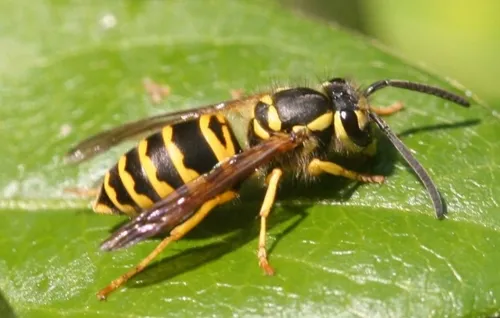
ProAction Pest Control is a locally owned pest control company based near Detroit, MI, serving Wayne, Oakland, Washtenaw, and Livingston counties. They provide residential and commercial pest and wildlife control services, handling a wide range of pests including ants, bed bugs, termites, rodents, bees, wasps, and wildlife such as raccoons and squirrels. Their capabilities include safe and licensed bee and wasp removal, as well as thorough termite inspections and treatments. With over 18 years of experience, ProAction Pest Control offers same-day service with no extra charge and emergency appointments, including evening and weekend availability.
Downriver Pest Control
19245 Sibley Rd, Brownstown Township, MI 48193
Downriver Pest Control provides pest and wildlife management services in Detroit, MI. They offer flexible options including one-time treatments and recurring protection plans for common pests such as ants, spiders, rodents, cockroaches, mosquitoes, and termites. Their services cover both residential and commercial properties, with capabilities including wildlife trapping and bat exclusion. The company serves the Downriver area and surrounding Metro Detroit communities, delivering licensed and insured pest control solutions tailored to customer needs.
Gray Wolf Pest Control
Canada, 6630 St Michaels Dr, Windsor, ON N9J 3G7, Canada
Gray Wolf Pest Control is a local pest control company serving Detroit, MI, and the surrounding Windsor Essex County and Chatham-Kent areas. They provide a range of pest management services including bed bug, cockroach, ant, rodent, termite, mosquito, bee and wasp removal, and wildlife control. Their licensed technicians use integrated pest management techniques and Canadian-regulated products to inspect, treat, and prevent pest infestations in homes and businesses. Gray Wolf specializes in termite treatments and offers various exterior and interior service plans tailored to seasonal pest activity. The company also repairs entry points to prevent future pest problems and guarantees their treatments with free re-treatments if pests persist.
M&H Pest Control Detroit
511 Woodward Ave, Detroit, MI 48226
M&H Pest Control Detroit provides comprehensive pest control services for residential and commercial properties in Detroit, MI. They handle a wide range of pests including bed bugs, ants, cockroaches, rodents, termites, mosquitoes, bees, wasps, and more. Their approach includes thorough inspections and tailored treatment plans using various methods such as eco-friendly heat treatment, chemical treatments, steam, and cryonite. The company is licensed and insured, offering warranty-backed services to ensure pests are effectively eliminated. They serve a broad area around Detroit and emphasize safety, discretion, and convenience in their operations.
Why Termite Inspections Are Essential in Ypsilanti
Michigan's climate and soil conditions are suitable for Eastern Subterranean Termites, the most common and destructive species in the state 1 2. These pests are silent destroyers; they can feed on the wooden components of your home for years before visible signs appear. By then, the damage can be extensive and costly to repair. A professional termite evaluation is your first line of defense, identifying not only active infestations but also the conditions that attract them, such as excess moisture and wood-to-soil contact 1. For homeowners, this is a proactive measure to protect property value. For buyers and sellers, it's often a non-negotiable part of the real estate transaction process.
What Inspectors Look For: The Ypsilanti Checklist
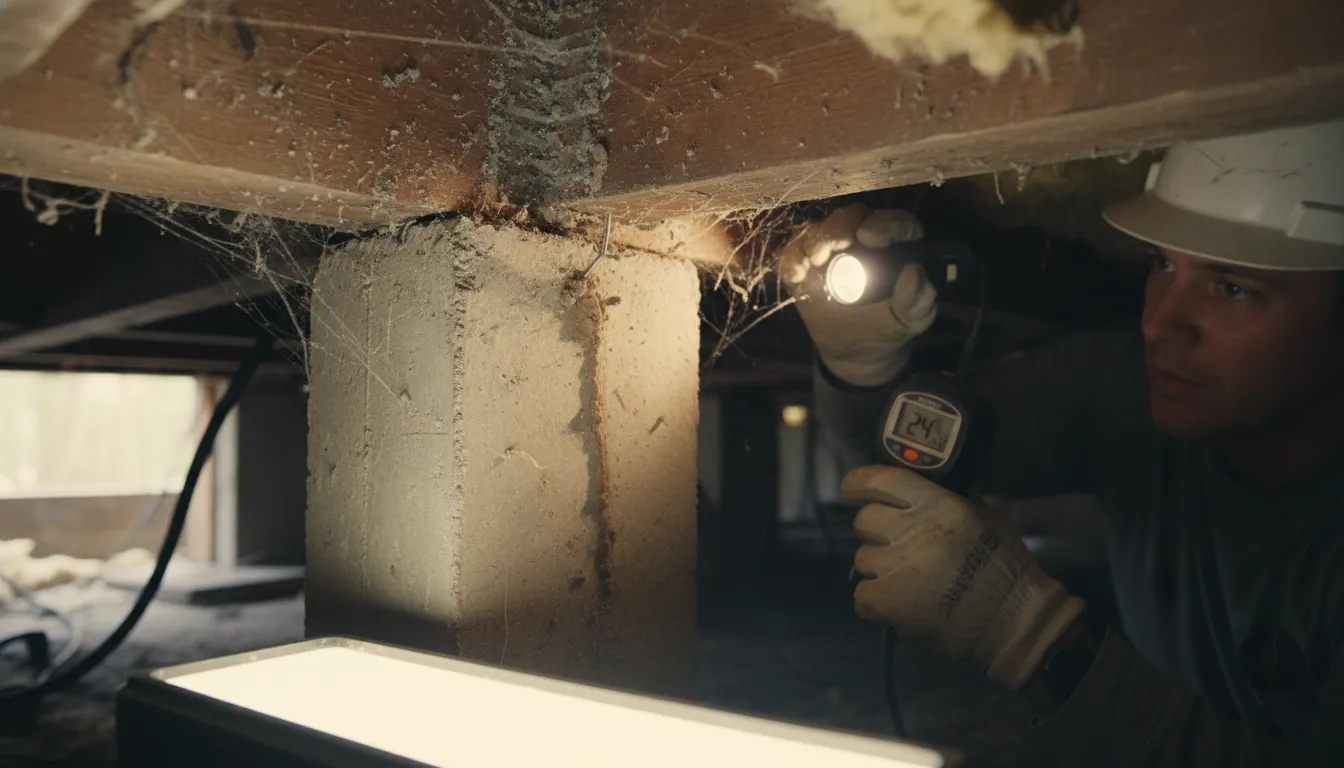
During a termite assessment, a certified inspector conducts a meticulous examination of your property, both inside and out. Their goal is to locate evidence of termites and identify risk factors that could lead to a future infestation.
Key Signs of Termite Activity:
- Mud Tubes: These are pencil-sized, earthy tunnels that termites build to travel between their soil colony and their food source (your wood) while protecting themselves from dry air. Inspectors look for them on foundations, crawl space walls, support piers, and in cracks.
- Damaged Wood: Wood that sounds hollow when tapped, appears blistered or dark, or crumbles easily is a major red flag. Inspectors will probe susceptible wood with a tool to check its integrity.
- Discarded Wings: After a termite swarm, reproductive termites (alates) shed their wings. Piles of small, identical wings near windowsills, doors, or in spider webs are a telltale sign of a recent swarm nearby.
- Frass: While more common with drywood termites (rare in Michigan), inspectors note any wood-colored droppings that could indicate other wood-boring insects.
- Visible Termites: Sometimes, the insects themselves are found in damaged wood or soil.
Conducive Conditions Inspectors Identify: Beyond active signs, a thorough inspection report will detail conditions that invite termites. These include:
- Excess Moisture: This is the primary attractant. Inspectors look for plumbing leaks, poor drainage, clogged gutters, and damp crawl spaces or basements.
- Wood-to-Soil Contact: Any untreated wood touching the soil is a direct highway for termites. This includes fence posts, deck supports, stair stringers, firewood piles stored against the house, and excessive mulch near the foundation.
- Access Points: Cracks in the foundation, gaps around utility lines, and expansion joints are potential entry points that inspectors will note 3.
The Inspection Process: Step-by-Step
Understanding what happens during the inspection can help you prepare your home. A comprehensive termite examination typically follows a systematic approach.
1. Exterior Inspection The inspector starts outside, walking the perimeter of your home. They examine the foundation for mud tubes and cracks, check siding, inspect decks and porches, look at fences and outbuildings, and assess the grading and drainage around the property. Vegetation, like shrubs or vines touching the house, is also noted as it can hide termite activity and retain moisture 4.
2. Interior Inspection Inside, the inspector will access all accessible areas. This includes:
- Basements and Crawlspaces: These are high-priority areas where moisture and wood are often present. Inspectors look at foundation walls, floor joists, support posts, and insulation 5.
- Attics: They check for proper ventilation and look for signs of moisture or damaged wood in the rafters.
- Living Areas: While walls are mostly hidden, inspectors examine baseboards, window and door frames, and areas around plumbing for any signs of swelling, blistering, or damage 6.
3. Use of Specialized Tools Professionals don't rely solely on sight. They use tools to detect hidden problems:
- Moisture Meters: These devices detect elevated moisture levels in wood and building materials, which can indicate a leak and a potential termite hotspot 7.
- Acoustic or Thermal Imaging Cameras: While not always standard, some inspectors use technology to detect changes in temperature or sound behind walls that may suggest termite nests or moisture 8.
- Probes and Flashlights: Essential for tapping wood and illuminating dark spaces in crawlspaces and attics.
4. The Inspection Report After the assessment, you will receive a detailed report. A good report doesn't just say "no termites found." It should document the inspector's findings, including any evidence of active or past termite activity, damage, and a list of all conducive conditions observed (e.g., "woodpile contacting siding at rear of house," "minor leak under kitchen sink"). This report is a valuable roadmap for any corrective actions you need to take to protect your home.
Find the perfect termite inspection companies for your needs
Get personalized recommendations and expert advice
Understanding Termite Inspection Costs in Ypsilanti
The cost for a termite inspection in Ypsilanti is generally reasonable, especially when weighed against the potential cost of repairing structural damage. On average, homeowners can expect to pay between $100 and $150 for a standard inspection of a single-family home 9 10. Several factors can influence this price:
- Home Size and Age: Larger homes or those with complex layouts (multiple crawlspaces, additions) take longer to inspect and may cost more. Older homes often have more risk areas to check.
- Purpose of Inspection: A standard preventative inspection may be priced differently than one required for a real estate transaction, which might need a specific report form (like a NPMA-33 or state-specific form) 11.
- Company Policies: Some local providers offer a free termite inspection if you sign up for a treatment plan or ongoing monitoring service. It's always wise to ask about pricing and what's included when you schedule.
If the inspection reveals an active infestation, the inspector will discuss treatment options and provide an estimate. Treatment costs are separate and can range from several hundred dollars for localized spot treatments to several thousand for whole-structure baiting systems or fumigation (rare for subterranean termites) 12 13.
How Often Should You Get a Termite Inspection?
For Ypsilanti residents, an annual termite inspection is a smart practice. Termites are active year-round, and an annual check ensures early detection. You should also consider an inspection in these situations:
- Before Buying a Home: This is crucial. A termite inspection contingency can save you from purchasing a home with expensive, hidden damage.
- Before Selling a Home: Having a recent clear inspection report can make your home more attractive to buyers and smooth the sale process.
- After Noticing Signs: If you see discarded wings, mud tubes, or suspect damage, schedule an inspection immediately.
- After Significant Weather Events: Heavy rains or flooding can drive termites toward drier wood and create new moisture issues around your foundation.
Eastern Subterranean Termites: Ypsilanti's Primary Threat
The termite species of concern here is the Eastern Subterranean Termite (Reticulitermes flavipes). They live in colonies in the soil and must maintain contact with the ground to access moisture. This is why they construct the characteristic mud tubes. They feed on cellulose, primarily in wood, but also in paper products and certain types of insulation. Understanding their biology explains why inspectors focus so intently on soil contact and moisture sources-eliminating these conditions is a core part of long-term prevention.
DIY Inspection vs. Professional Service
While homeowners can certainly perform a casual visual check for the obvious signs mentioned above, it is no substitute for a professional inspection. Trained inspectors know exactly where to look, what subtle signs to spot, and how to interpret what they find. They have the experience to distinguish between old, inactive damage and a new, active infestation-a critical difference that can affect treatment decisions 14. They also carry the proper tools and insurance. For true peace of mind regarding your largest investment, a professional termite inspection is the recommended course of action.
Frequently asked questions
Sources
Footnotes
-
What is a pest inspection? - MichiganPro Home Inspections - https://www.michiganpro.com/what-is-a-pest-inspection/ ↩ ↩2
-
Termites in Michigan | Complete Homeowner Guide - https://www.pestprosmi.com/blog/the-complete-guide-to-termites-in-michigan/ ↩
-
Termite Inspection Checklist: A Comprehensive Guide for ... - https://www.unitedtermitecontrol.net/termite-inspection-checklist-a-comprehensive-guide-for-homeowners/ ↩
-
What Happens During a Termite Inspection - Terminix - https://www.terminix.com/termite-control/inspection/ ↩
-
5 Things Exterminators Check During Termite Inspections - https://home.howstuffworks.com/home-improvement/household-hints-tips/insect-control/5-things-exterminators-check-during-termite-inspections.htm ↩
-
What Does A Termite Inspector Look For? - AG Pest Control - https://www.agpest.com/what-does-a-termite-inspector-look-for/ ↩
-
Ypsilanti VA Pest Inspection - https://innovativehomeinspection.com/ypsilanti-pest-inspection ↩
-
Termite inspection: How it works - Western Exterminator - https://www.westernexterminator.com/termite-control/termite-inspection ↩
-
How Much Does a Termite Inspection Cost in 2026? - LawnStarter - https://www.lawnstarter.com/blog/cost/termite-inspection-price/ ↩
-
How Much Does a Termite Inspection Cost? - https://patriotinspect.com/how-much-does-a-termite-inspection-cost/ ↩
-
West Wayne County Termite Inspections - https://npiweb.com/detroitwest/services/termite-inspections/ ↩
-
How Much Is a Termite Inspection? Complete Cost Overview - https://www.homelight.com/blog/how-much-is-a-termite-inspection/ ↩
-
How Much Does a Termite Inspection Cost? [2026 Data] - Angie's List - https://www.angi.com/articles/how-much-does-termite-inspection-cost.htm ↩
-
How to Tell Apart Old Vs. New Termite Damage - https://www.solutionsstores.com/how-to-tell-apart-old-vs-new-termite-damage ↩