Find the Best Termite Inspection Companies for Your Business
No obligation • Fast responses • Nationwide coverage

Why you can trust Pest Crews
Pest Crews is a leading U.S. resource for finding and evaluating residential and commercial pest control services. Our team researches providers, reviews treatment approaches, and organizes unbiased information to help you make informed decisions. Companies cannot pay to change our editorial content or influence how they appear.
Search providers near you
Top Termite Inspection Companies in Concord, North Carolina Ranked
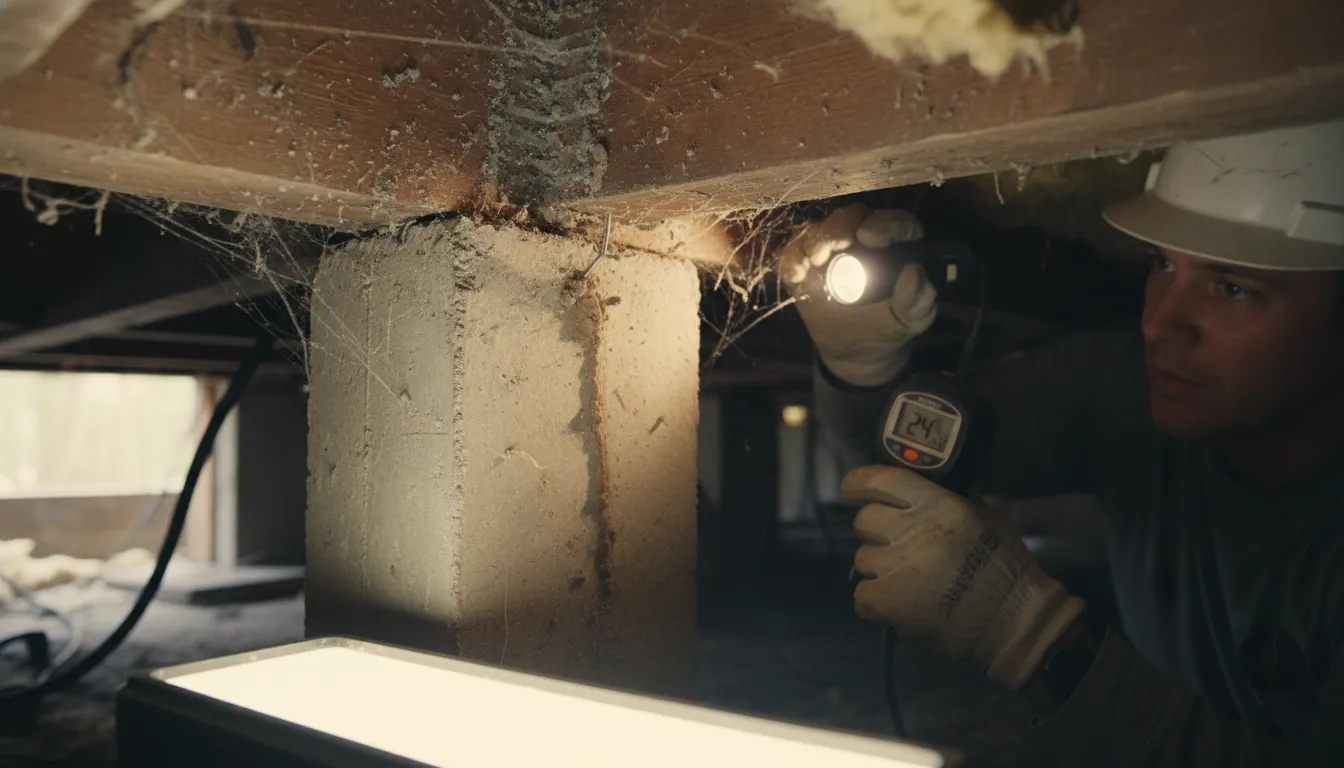
A professional termite inspection is a critical step in protecting your North Carolina home from costly structural damage. In this state, the process is formalized through a required Wood-Destroying Insect Report (WDIR), a document that provides a detailed snapshot of a property's vulnerability to termites and other wood-destroying organisms. This guide explains what a North Carolina termite inspection entails, why it's essential for buyers and sellers, and how to understand the findings to make informed decisions about your property.
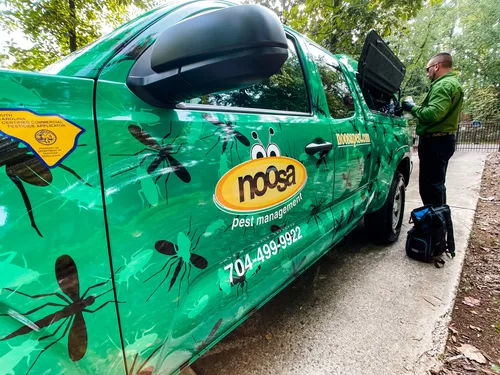
Noosa Pest Management LLC
6916 Rea Croft Dr, Charlotte, NC 28226
Noosa Pest Management LLC is a locally owned pest control company serving Charlotte, NC. They provide a range of residential and commercial pest management services including bed bug treatment, ant and rodent control, termite inspections, mosquito control, bee and wasp removal, bird and wildlife control, and crawl space encapsulation. Their approach emphasizes environmentally friendly and botanical pest control solutions, integrating natural treatments and comprehensive inspections to address pest issues effectively. Noosa Pest Management also offers specialized termite control and uses heat treatment for bed bugs. They participate in the EPA's Pesticide Environmental Stewardship Program and focus on minimizing chemical use. The company is known for its thorough inspections, customized treatment plans, and ongoing maintenance visits. Noosa Pest Management is family-operated and prioritizes eco-conscious methods while covering a wide range of pests common in the Charlotte area.
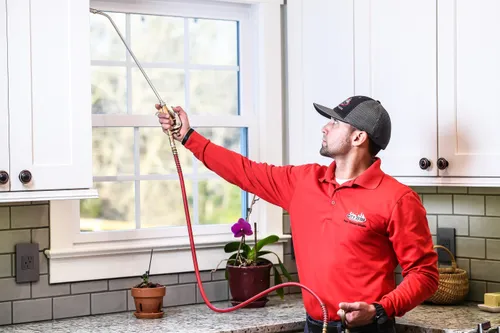
City Wide Exterminating
140 Cabarrus Ave W STE 1, Concord, NC 28025
City Wide Exterminating is a family-owned pest control company serving Charlotte, NC, and surrounding areas. They offer a wide range of pest management services including bed bug treatment, termite inspections, rodent and wildlife removal, mosquito control, and commercial pest control. Founded in 2000, the company emphasizes environmentally responsible and pet-friendly solutions to protect homes and businesses. Their technicians provide tailored pest inspections and treatments, with a focus on long-term prevention. City Wide Exterminating also offers service guarantees and works to accommodate customers' schedules.
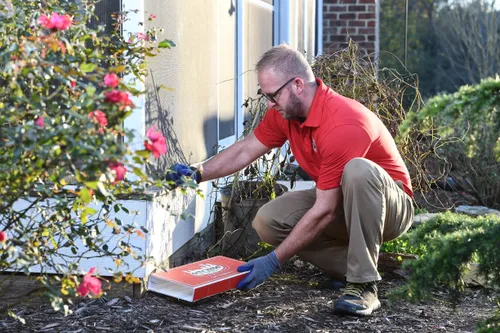
City Wide Exterminating
6025 Blakeney Park Dr #202, Charlotte, NC 28277
City Wide Exterminating is a family-owned pest control company serving Charlotte, NC, and surrounding areas including Concord, Mooresville, and Locust. Established in 2000, they offer comprehensive pest management services for residential and commercial properties. Their services include treatment and removal of bed bugs, ants, cockroaches, rodents, termites, mosquitoes, and wildlife. City Wide Exterminating provides tailored pest inspections and ongoing maintenance plans to help keep properties pest-free. They emphasize environmentally responsible and pet-friendly solutions and offer a service guarantee with additional treatments included on annual plans.
At Ease Pest Solutions, LLC
694 S Main St, Troutman, NC 28166
At Ease Pest Solutions, LLC is a veteran-owned pest control company serving Charlotte, NC. They offer a range of residential and commercial pest control services including bed bug treatment, ant and rodent control, termite inspection and extermination, mosquito control, and bee and wasp removal. Their approach focuses on exterior pest control methods to create a barrier around properties, minimizing the need for interior pesticide use. The company also provides specialized treatments for pests like termites and bed bugs, and offers service plans that cover multiple pest types with satisfaction guarantees.
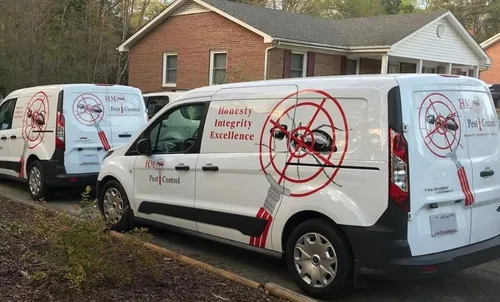
HMO - Residential and Commercial Pest Control Charlotte
1409 East Blvd, Charlotte, NC 28203
HMO - Residential and Commercial Pest Control Charlotte provides pest control services for homes and businesses in Charlotte, NC, and surrounding areas including Gastonia, Monroe, Fort Mill, Lancaster, and Rock Hill. The company specializes in managing pests such as bed bugs, termites, ants, cockroaches, and rodents, offering tailored treatment packages to meet different needs. With licensed expertise and a focus on honesty and integrity, HMO has been serving the community since 2002. They also provide home inspection services and hold multiple professional licenses including NC Licensed General Contractor and Pest Control Operator.
What is a Wood-Destroying Insect Report (WDIR)?
In North Carolina, a termite inspection is officially known as a Wood-Destroying Insect Report (WDIR). This is not a casual check; it is a standardized inspection performed by a licensed pest control professional on the official NPMA-33 form (also called the WDIR-100). Its primary purpose is to document visible evidence of active or past infestations by termites, carpenter ants, wood-boring beetles, and other specified insects, as well as conditions that are conducive to future infestations.
The WDIR is more than just a pest check-it's a legally significant document often required for real estate transactions. Most lenders will require a current WDIR before approving a mortgage to ensure the property securing the loan is not compromised by hidden structural pests. The report is valid for 30 days from the date of inspection, so timing is crucial during the closing process.
Who Performs the Inspection and What Does It Cover?
Only a licensed Structural Pest Control Operator (PCO) in North Carolina is authorized to conduct the inspection and complete the official WDIR form. This ensures the inspector has the proper training and is accountable to state regulations.
The inspection itself is a thorough visual examination of all accessible areas of the property. The licensed PCO will inspect:
- The interior: Attics, crawl spaces, basements, and around door and window frames.
- The exterior: Foundation, siding, and any wood in contact with the soil.
- Attached structures: Decks, porches, garages, and sheds.
- Wood components: Using tools to probe and sound accessible wood for hollow spots indicative of damage 1.
The inspector is looking for:
- Visible Evidence: Live insects, shed wings, termite mud tubes, exit holes from wood-boring beetles, and frass (insect waste).
- Past Activity: Signs of previous infestations that have been treated or are inactive.
- Conducive Conditions: Issues that attract or support wood-destroying insects, such as excessive moisture, cellulose debris (like stacked firewood against the house), and direct wood-to-soil contact.
It is vital to understand the inspection's limitations. It is a non-destructive, visual inspection. Inspectors do not move furniture, pull up carpeting, or open walls. They report only on what is readily visible and accessible at the time of the inspection. The report also specifically excludes wood-decay fungi, wildlife damage, and general structural defects unrelated to insects.
Understanding Your WDIR Report: Findings and Recommendations
The NPMA-33 form is divided into sections that clearly outline the inspector's findings. You will see checkboxes indicating:
- No visible evidence found.
- Visible evidence of active or past infestation is present.
- Conducive conditions were observed.
If evidence or conditions are found, the report must detail the location and type 2. The "Recommendations" section is crucial. Here, the PCO will suggest actions to correct conducive conditions or may recommend a treatment protocol if active infestation is found. It is important to note that the WDIR is an informational report, not a guarantee or warranty against future infestation or damage 3.
State regulations require PCOs to perform inspections diligently and report accurately. Failure to report visible evidence can result in disciplinary action by the North Carolina Department of Agriculture and Consumer Services 4 5.
Find the perfect termite inspection companies for your needs
Get personalized recommendations and expert advice
The Cost of a Termite Inspection in North Carolina
The typical price range for a standard WDIR inspection on a single-family home in North Carolina is between $125 and $250 6 7 8. Several factors can influence the final cost:
- Property Size: Larger homes with more square footage take longer to inspect.
- Number of Structures: Detached garages, sheds, or guest houses add to the inspection scope.
- Bundling Services: Many homeowners bundle the WDIR with a general home inspection, which often comes at a discounted combined rate 9.
In a typical real estate transaction, the home seller is responsible for paying for the WDIR inspection, as it is a common requirement for the buyer's mortgage financing. However, this can be negotiated between parties.
When is a Termite Inspection Required or Recommended?
Real Estate Transactions: This is the most common scenario requiring a WDIR. It is a standard part of the due diligence process to protect both buyer and seller 10. Annual or Routine Checks: Even if you're not selling, scheduling a periodic inspection (every 1-2 years) is a wise preventative measure, especially in termite-prone North Carolina. After Noticing Signs: If you see mud tubes, discarded wings, frass, or damaged wood, an immediate inspection is warranted. Before a Renovation: It's prudent to check for hidden pest issues before investing in major home improvements.
What Happens After the Inspection?
The path forward depends entirely on the report's findings:
- Clear Report: If the report shows "No visible evidence" and no significant conducive conditions, the real estate transaction typically proceeds smoothly. The buyer may still choose to initiate a preventative treatment plan.
- Conducive Conditions Noted: The seller is usually expected to address these items (e.g., removing wood-to-soil contact, fixing moisture issues) before closing, as agreed upon in the contract.
- Active Infestation Found: This situation requires action. The seller will almost always be responsible for arranging and paying for a professional treatment to eliminate the active pests. A re-inspection or a treatment completion document from the pest control company will then be required to satisfy the lender and buyer.
Following any treatment, homeowners are encouraged to consider a service agreement or warranty from the pest control company. These agreements typically offer annual inspections and retreatment guarantees if pests return, providing long-term peace of mind 11.
Choosing a Licensed Inspector in North Carolina
Selecting the right professional is key. Always verify that the company and individual inspector are currently licensed by the North Carolina Department of Agriculture and Consumer Services. Look for established companies with strong reputations, clear explanations of their process, and a willingness to walk you through the WDIR form and their findings in detail. A quality inspector views their role as educational, ensuring you fully understand the condition of your property.
Frequently asked questions
Sources
Footnotes
-
Structural Pest Control Rules - Available Reports - http://reports.oah.state.nc.us/ncac/title%2002%20-%20agriculture%20and%20consumer%20services/chapter%2034%20-%20structural%20pest%20control/chapter%2034%20rules.html ↩
-
North Carolina Official Wood-Destroying Insect Information Report - https://www.ncagr.gov/divisions/structural-pests-and-pesticides/wdir-100-example-form/open ↩
-
Structural Pest Control and Pesticides - Homeowners Guide to Wood Destroying Insect Report | NC Agriculture - https://www.ncagr.gov/divisions/structural-pest-control-and-pesticides/structural/consumer-information/homeowners-guide-wood-destroying-insect-report ↩
-
SPCD ENFORCEMENT POLICY WOOD-DESTROYING INSECT ... - https://www.ncagr.gov/divisions/structural-pests-and-pesticides/wdir-100-enforcement-policy/open ↩
-
02 N.C. Admin. Code 34 .0602 - WOOD-DESTROYING INSECT AND OTHER ORGANISM REPORTS | State Regulations - https://www.law.cornell.edu/regulations/north-carolina/02-N-C-Admin-Code-34-0602 ↩
-
Wood-Destroying Insect Reports: What Home Buyers and Sellers ... - https://neusetermiteandpest.com/blog/wood-destroying-insect-reports-what-home-buyers-and-sellers-need-to-know ↩
-
Termite Inspection WDIR - Advantage NC Home Inspection - https://advantagenc.com/termite-inspection-wdir/ ↩
-
Is Termite Treatment Covered by Insurance in North Carolina? - https://www.bugoutservice.com/termite-exterminators/learning/treatment/how-often-should-my-home-be-treated-for-termites/ ↩
-
Pricing - Advanced Termite & Home Inspections - https://www.enchomeinspector.com/pricing/ ↩
-
A Home Buyer's Guide for Wood Destroying Insect Information ... - https://www.ncagr.gov/divisions/structural-pests-and-pesticides/structural-homebuyers-guide-to-wdir-brochure/open ↩
-
Homeowners Guide to Service Agreements and Warranties - https://www.ncagr.gov/divisions/structural-pest-control-and-pesticides/structural/consumer-information/homeowners-guide-service-agreements-and-warranties ↩