Find the Best Termite Inspection Companies for Your Business
No obligation • Fast responses • Nationwide coverage

Why you can trust Pest Crews
Pest Crews is a leading U.S. resource for finding and evaluating residential and commercial pest control services. Our team researches providers, reviews treatment approaches, and organizes unbiased information to help you make informed decisions. Companies cannot pay to change our editorial content or influence how they appear.
Search providers near you
Top Termite Inspection Companies in Fayetteville, North Carolina Ranked
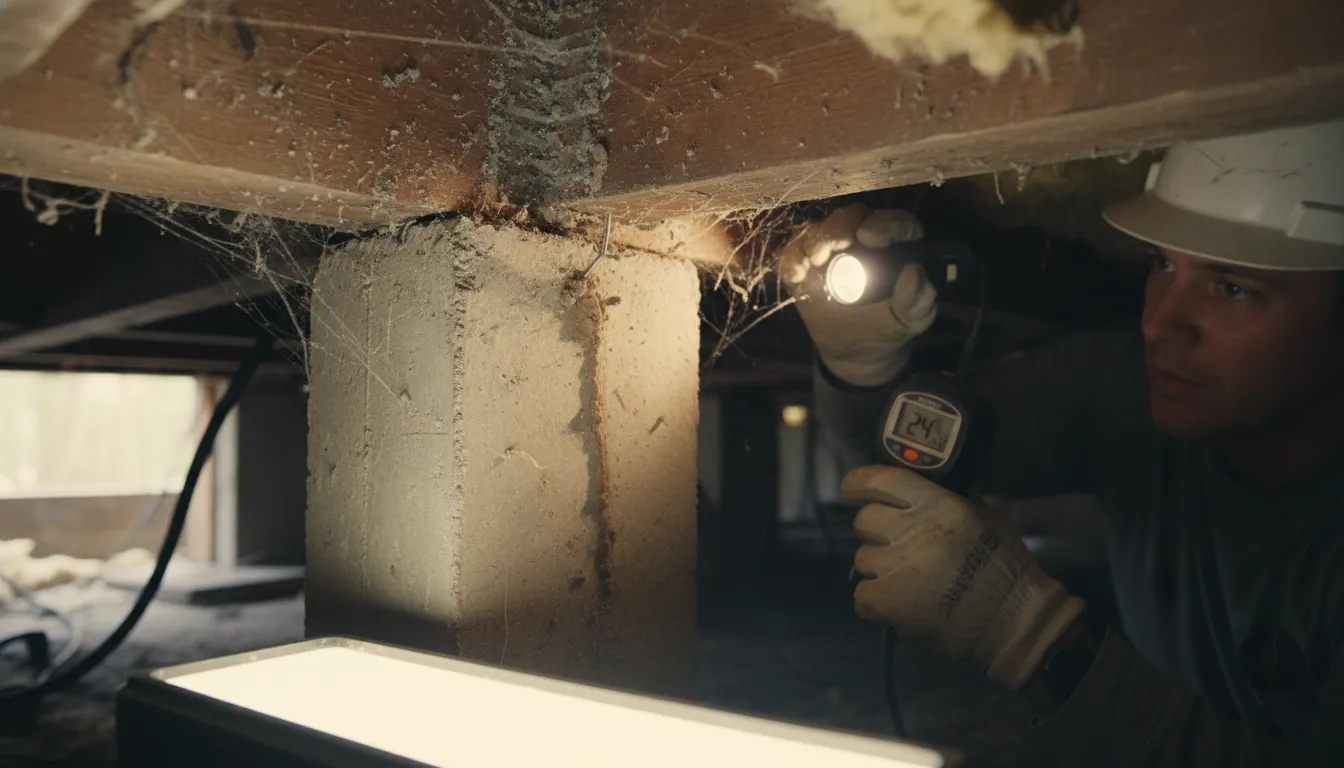
A termite inspection is a specialized evaluation of your property to detect the presence or evidence of wood-destroying insects like termites, carpenter ants, and powderpost beetles. In Fayetteville's warm, humid climate, these pests pose a significant threat to the structural integrity of homes and buildings. This guide explains the local inspection process, what inspectors look for, and how you can use this information to connect with qualified professionals in the Fayetteville area who can protect your investment.
Sure Kill Pest Elimination
5642 Toby Pl Rd, Stedman, NC 28391
Sure Kill Pest Elimination is a pest control company based in Fayetteville, NC, offering services to manage a wide range of pests including ants, bed bugs, fleas, mosquitoes, roaches, rodents, spiders, ticks, wasps, and termites. They provide comprehensive pest and rodent control solutions designed to protect homes and businesses from over 55 different types of pests. One notable capability is their wasp control service, backed by over seven years of experience in safely removing nests. The company emphasizes customer satisfaction with a guarantee to retreat if needed.

Go-Forth Pest Control
1722 Gillespie St, Fayetteville, NC 28306
Go-Forth Pest Control has been serving Fayetteville, NC since 1959, offering a range of pest control services for both residential and commercial properties. Their services include ant and rodent control, termite inspections, mosquito treatments, and bee and wasp removal. They use EPA-approved products and provide tailored pest management plans to address specific needs. With over six decades of experience, Go-Forth Pest Control emphasizes innovation and customer satisfaction. They also offer same-day service to address urgent pest issues promptly.
Pillar To Post Home Inspectors - The Holt Group
2936 Breezewood Ave STE 201, Fayetteville, NC 28303
Pillar To Post Home Inspectors - The Holt Group is a service-disabled veteran-owned company offering home inspection services in Fayetteville, NC. They provide thorough inspections for home buyers, sellers, and real estate professionals, including termite inspections, radon testing, mold testing, and sewer scoping. The company emphasizes clear communication about home conditions and holds certifications such as North Carolina Licensed Inspectors and ASHI membership. They also offer a wide range of additional services related to home buying needs.
Terminix
509 W Russell St, Fayetteville, NC 28301
Terminix offers pest, termite, wildlife, and moisture control services in Fayetteville, NC. They provide solutions for common pests including bed bugs, cockroaches, ants, rodents, and termites, as well as moisture control to prevent wood decay and insect infestations. Terminix serves both residential and commercial clients and is known for implementing moisture control measures in crawl spaces and other environments in Eastern North Carolina. The company also provides regular service options such as quarterly, bi-monthly, and monthly visits.
Venum Pest Solutions
Fayetteville, NC
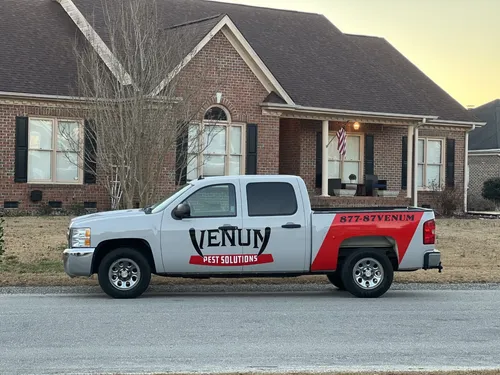
Venum Pest Solutions is a pest and termite control company based in Fayetteville, NC. They provide services for a variety of pests including termites, rodents, roaches, mosquitoes, and ants. In addition to pest control, they offer moisture and insulation services such as crawl space insulation, dehumidifiers, full encapsulations, and fungi treatment. Venum Pest Solutions serves Fayetteville and nearby areas including Hope Mills and Raeford.
Why Termite Inspections Are Critical in Fayetteville
Fayetteville's climate is a primary reason why termite evaluations are not just recommended but essential. The region's consistent warmth and high humidity create an ideal environment for Eastern Subterranean Termites, the most prevalent and destructive species in North Carolina. These insects work silently, often causing extensive damage before homeowners notice any signs. A professional termite inspection is the first line of defense, designed to uncover hidden activity and identify conditions that could lead to a future infestation.
For anyone involved in a real estate transaction, a termite inspection is often a mandatory step. Most mortgage lenders require a current North Carolina Wood-Destroying Insect Report (WDIR) before approving a loan 1. This report provides a formal assessment of the property's condition regarding wood-destroying organisms, giving buyers peace of mind and helping sellers demonstrate transparency about their home's status.
The Fayetteville Termite Inspection Process: A Step-by-Step Look
A thorough termite inspection is a meticulous process conducted by a licensed professional. Understanding what happens can help you prepare your home and know what to expect from the service.
Initial Visual Assessment The inspector begins with a comprehensive walk-around of your property's exterior and interior. They are trained to spot subtle signs that untrained eyes might miss. This includes examining the foundation, siding, window frames, door frames, and any exterior wood structures like decks or fences.
Detailed Investigation of Key Areas The inspector then focuses on areas most vulnerable to termite activity and moisture, which attracts pests. This includes:
- Crawlspaces and Basements: These dark, often damp areas are prime locations for termites to establish colonies and build mud tubes.
- Attics: Inspectors check for damaged wood, frass (termite droppings), and evidence of other pests like carpenter bees.
- Plumbing and Utility Penetrations: Areas around pipes, wires, and expansion joints in the foundation are common entry points.
- Interior Walls and Floors: While mostly non-invasive, inspectors will tap on wood surfaces, listening for the hollow sound that indicates internal damage.
Use of Specialized Tools Modern inspectors use more than just a flashlight and a probing tool. To detect hidden moisture and activity, they may employ:
- Moisture Meters: These devices identify areas of elevated moisture within wood, a key attractant for termites.
- Infrared Cameras: Thermal imaging can reveal temperature differences behind walls, potentially indicating moisture or pest nesting sites.
- Acoustic Detection Devices: Some advanced tools can pick up on the faint sounds of termites chewing within wood 2.
What Inspectors Are Searching For
Knowing the specific evidence of an infestation helps homeowners understand the inspector's focus. Key signs include:
Direct Evidence of Termites
- Mud Tubes: These pencil-sized tunnels made of soil and saliva are the highways Eastern Subterranean Termites use to travel between their soil colony and wood food sources without being exposed to air 3.
- Frass: Drywood termites produce wood-colored droppings, but more commonly in Fayetteville, inspectors look for the mud-like material used in tube construction.
- Damaged Wood: Wood that sounds hollow when tapped, appears blistered or dark, or has maze-like patterns inside is a classic sign 4.
- Swarmers and Discarded Wings: During swarming season, the presence of winged reproductive termites or piles of their discarded wings near windowsills is a strong indicator of a nearby colony.
Signs of Other Wood-Destroying Insects A comprehensive WDIR inspection also covers other pests that compromise structural wood:
- Carpenter Ants: They excavate smooth, clean galleries in wood to nest, often where it is damp.
- Powderpost Beetles: These beetles leave behind very fine, powdery frass and tiny round exit holes in hardwood 5.
- Carpenter Bees: They bore perfectly round holes into wooden eaves, decks, or siding to create nesting galleries 6.
Identification of Conducive Conditions Perhaps just as important as finding active pests is identifying conditions that invite them. Inspectors note issues that must be corrected to prevent future problems 7 8:
- Wood-to-soil contact (e.g., siding, door frames, or porch posts touching the ground).
- Excessive mulch piled against the foundation.
- Poor drainage or leaking gutters that cause soil saturation near the home.
- Firewood or lumber stored directly against the house.
Find the perfect termite inspection companies for your needs
Get personalized recommendations and expert advice
Understanding the Wood-Destroying Insect Report (WDIR)
The final deliverable of a termite inspection in North Carolina is the official WDIR. This is a standardized form that details the inspector's findings 9. It will clearly state whether there is visible evidence of active or previous wood-destroying insect infestation. It also lists any conducive conditions observed. For real estate transactions, a "clear" report (showing no visible evidence) is typically required. If evidence is found, the report will recommend treatment and further evaluation by a licensed pest control professional.
Cost of Termite Inspections in Fayetteville
The price for a professional termite inspection and WDIR in Fayetteville is generally straightforward. Most standard inspections for an average-sized single-family home range from $125 to $25010 11 12. The final cost can vary based on the square footage of the home, the complexity of the structure (e.g., multiple crawlspaces, piers), and whether the inspection is standalone or bundled with other services. It's important to confirm that the quoted price includes the official North Carolina WDIR form, as this is the document needed for real estate transactions.
Preparing for Your Termite Inspection
To ensure the inspection is as thorough and efficient as possible, homeowners can take a few simple steps:
- Clear Access: Ensure the inspector has clear access to the interior of crawlspace hatches, attic entrances, basement corners, and utility closets.
- Move Items: Pull furniture and stored items away from basement and interior walls by at least two feet.
- Trim Landscaping: Trim back shrubs, vines, and tree branches that are touching the house to allow for a clear view of the foundation and siding.
- Relocate Storage: Move firewood, lumber, and cardboard boxes away from the foundation and out of crawlspaces.
Taking these steps helps the inspector complete a more comprehensive evaluation, ultimately providing you with a more accurate assessment of your property's condition.
Frequently asked questions
Sources
Footnotes
-
Termite Inspections for Homebuyers: Requirements & Costs | Freedom Mortgage - https://www.freedommortgage.com/learning-center/articles/termite-inspection-home-purchase ↩
-
Termite Inspection in Cary, NC - https://neusetermiteandpest.com/termite-inspection-in-cary-nc ↩
-
Monitoring and Management of Eastern Subterranean Termites - https://content.ces.ncsu.edu/monitoring-management-of-eastern-subterranean-termites ↩
-
Complete Guide to Termite Inspection for Home Purchase - https://bettertermite.com/termite-inspection-for-home-purchase/ ↩
-
What Happens During a Termite Inspection - Terminix - https://www.terminix.com/termite-control/inspection/ ↩
-
Fayetteville Termite Inspections - https://npiweb.com/fayettevillesouth/services/termite-inspections/ ↩
-
Homeowners Guide to Service Agreements and Warranties - https://www.ncagr.gov/divisions/structural-pest-control-and-pesticides/structural/consumer-information/homeowners-guide-service-agreements-and-warranties ↩
-
Termite Inspections: What to Expect and How to Prepare - https://www.petrispestcontrol.com/termite-control/termite-inspections-what-to-expect/ ↩
-
Wood Destroying Insect Reports - AAA Exterminating - https://aaaexterminatingonline.com/wood-destroying-insect-reports/ ↩
-
Protect Your Property: Termite inspections can detect infestations. - https://www.homeinspectioncarolina.com/termite-inspection/ ↩
-
Termite Inspection WDIR - Advantage NC Home Inspection - https://advantagenc.com/termite-inspection-wdir/ ↩
-
Realtor Termite Inspections in Fayetteville | Maintenance Plans - https://www.canadyspestcontrolservice.com/termite-control/realtor-termite-inspection/ ↩