Find the Best Termite Inspection Companies for Your Business
No obligation • Fast responses • Nationwide coverage

Why you can trust Pest Crews
Pest Crews is a leading U.S. resource for finding and evaluating residential and commercial pest control services. Our team researches providers, reviews treatment approaches, and organizes unbiased information to help you make informed decisions. Companies cannot pay to change our editorial content or influence how they appear.
Search providers near you
Top Termite Inspection Companies in Raleigh, North Carolina Ranked
A termite inspection is a critical evaluation of your property to detect the presence or risk of wood-destroying insects, primarily subterranean termites. In Raleigh's humid climate, these inspections are essential for protecting your home's structural integrity and value from costly, hidden damage. This guide explains what a termite assessment involves, what local specialists look for, and how you can find qualified professionals in the Raleigh area to conduct a thorough examination.

ClearDefense Pest Control
8801 Westgate Park Dr Ste 100, Raleigh, NC 27617
ClearDefense Pest Control is a pest control company based in Raleigh, NC. They offer services targeting household pests including cockroaches, termites, mosquitoes, and spiders. The company provides termite inspections and mosquito control as part of their pest management solutions. ClearDefense Pest Control serves the Raleigh area and surrounding locations, focusing on effective pest elimination and prevention.

Kind Pest Control
6516 Old Wake Forest Rd, Raleigh, NC 27616
Kind Pest Control offers environmentally responsible pest control services in Raleigh, NC, and surrounding communities. They handle a variety of pests including cockroaches, ants, rodents, termites, and stinging insects for both residential and commercial properties. Their approach emphasizes eco-friendly methods that are safe for pets and children, using EPA-registered products. Kind Pest Control serves the broader Triangle area, including Durham, Cary, and Wake Forest. They provide a 100% satisfaction guarantee with re-treatment if pests return between visits and offer a two-year price lock guarantee. The company also supports environmental sustainability by planting a tree for every service provided.

Kind Pest Control
205 W Main St #212, Carrboro, NC 27510
Kind Pest Control provides environmentally responsible pest control services in Durham, NC, and the surrounding Triangle area. They handle a variety of pests including ants, cockroaches, rodents, spiders, stinging insects, and termites using EPA-registered products that are safe for pets and children. The company offers both residential and commercial pest control with a focus on eco-friendly solutions. Kind Pest Control also supports reforestation by planting a tree for every service provided. They back their work with a 100% satisfaction guarantee and a 2-year price lock guarantee.

Kind Pest Control
10421 Ligon Mill Rd, Wake Forest, NC 27587
Kind Pest Control is a pest control company based in Raleigh, NC, offering environmentally responsible services for homes and businesses. They provide treatments for a variety of pests including cockroaches, ants, rodents, termites, and stinging insects, using EPA-registered products that are safe for pets and children. Kind Pest Control serves the greater Triangle area, including Raleigh and nearby communities. Their services include both residential and commercial pest control with a focus on eco-friendly methods. The company also supports reforestation by planting a tree for every service provided. They offer a 100% satisfaction guarantee with free re-treatment if pests return between scheduled visits and a 2-year price lock guarantee.

Kind Pest Control
1155 Kildaire Farm Rd Suite 212, Cary, NC 27511
Kind Pest Control is a pest control company serving Raleigh, NC, and the surrounding Triangle area, including Durham, Cary, and Apex. They provide environmentally responsible pest management for residential and commercial properties, handling pests such as cockroaches, ants, rodents, termites, and stinging insects. Their services focus on eco-friendly methods that are safe for pets and children, using EPA-registered products. Kind Pest Control offers a 100% satisfaction guarantee with free re-service if pests return between scheduled visits. They also support environmental efforts by planting a tree for every service provided.
Why Termite Inspections Are Crucial in Raleigh
Raleigh's warm, humid environment creates the perfect breeding ground for subterranean termites, the most common and destructive type in North Carolina 1. These pests work silently, often causing significant structural damage before homeowners notice any signs. An annual termite check is not just for home buyers; it's a proactive measure for any homeowner. Regular evaluations can identify early signs of activity or conditions that attract termites, potentially saving you thousands of dollars in repairs and treatment costs down the line 1. Given that termite damage is typically not covered by standard homeowners insurance, a professional inspection is your first line of defense.
Common Termite Threats in the Raleigh Area
Understanding the local termite species helps you know what inspectors are targeting.
- Eastern Subterranean Termites: This is the most widespread species in the state. They live in underground colonies and build distinctive mud tubes to travel between their nest and food sources (your home's wood) while protecting themselves from dry air 2.
- Formosan Subterranean Termites: Often called "super termites," this highly aggressive variety is also present in North Carolina. They form larger colonies, consume wood faster, and can even attack non-wood materials like plaster and asphalt 3 4. Their presence makes thorough, expert inspections particularly important.
While drywood termites are less common in Raleigh, inspectors are trained to identify all potential threats. The primary focus of any termite evaluation in this region will be on subterranean species and the conducive conditions that allow them to thrive.
What a Professional Inspector Looks For
A comprehensive termite inspection, or Wood-Destroying Insect Inspection (WDI), involves a meticulous search for both active infestations and conditions that could lead to one. Here are the key signs and risk factors Raleigh inspectors examine 5:
Direct Evidence of Termites:
- Mud Tubes: These pencil-thin, silty tunnels are the hallmark of subterranean termites. Inspectors look for them on foundation walls, in crawl spaces, on piers, and along utility lines.
- Wood Damage: Termites eat wood from the inside out, leaving a maze-like pattern. Inspectors will probe accessible wood with a tool; wood that sounds hollow or crumbles easily is a major red flag.
- Swarmers & Discarded Wings: The appearance of winged reproductive termites (swarmers) or piles of their shed wings, often near windowsills or light sources, indicates a nearby colony.
- Frass: For less common drywood termites, inspectors look for tiny, pellet-like droppings (frass) that resemble sawdust or coffee grounds.
Conducive Conditions (What Attracts Termites): A key part of the inspection is identifying factors that make your property vulnerable 6 7.
- Excessive Moisture: Leaky pipes, poor drainage, clogged gutters, and high humidity in crawl spaces create an ideal environment for termites.
- Wood-to-Soil Contact: Any wood touching the soil is a direct invitation. This includes mulch piled against the foundation, wooden deck posts, firewood storage, and overgrown vegetation.
- Cracks and Openings: Gaps in the foundation, around utility pipes, and in expansion joints provide easy entry points for foraging termites.
The Termite Inspection Process: What to Expect
Knowing what happens during an inspection can help you prepare and understand the value you're receiving.
1. Scheduling and Preparation: You'll schedule an appointment with a licensed pest management professional. To facilitate a thorough inspection, ensure the inspector has clear access to your home's perimeter, attic, crawl space, garage, and basement. Moving stored items away from foundation walls is helpful.
2. The On-Site Examination: The inspector will conduct a detailed visual examination, both inside and out, which typically takes 45 minutes to over an hour for an average-sized home.
- Exterior Inspection: The inspector walks the property's perimeter, examining the foundation, siding, window and door frames, vents, and any attached structures like decks or porches. They look for mud tubes, wood damage, and conducive conditions.
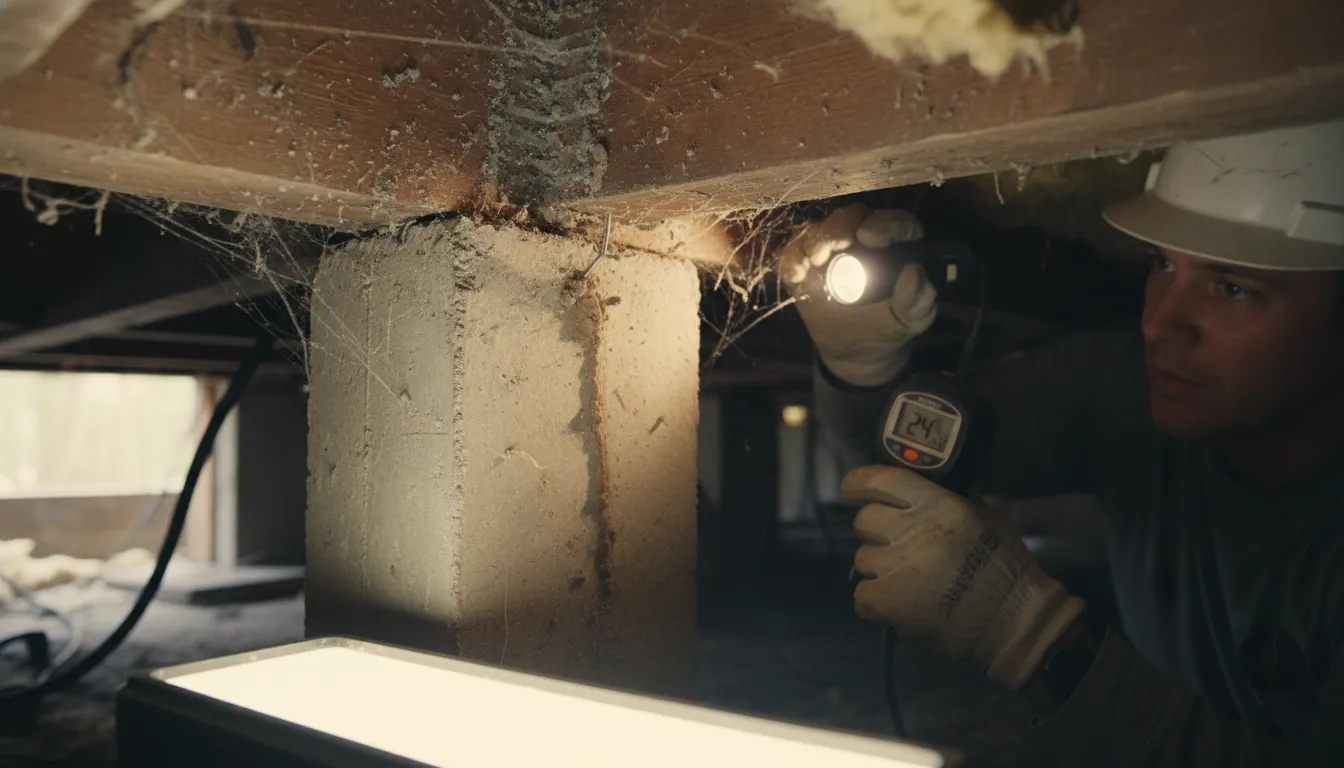
- Interior Inspection: The inspector will check interior rooms, paying special attention to areas prone to moisture like bathrooms and kitchens. They will also access and thoroughly inspect the attic and crawl space, which are critical areas for spotting early signs of activity 8.
3. Tools of the Trade: Beyond a flashlight and probing tool, inspectors often use moisture meters to detect elevated moisture levels in wood and walls-a prime indicator of a potential problem area 9.
4. The Report and Findings: After the inspection, you should receive a detailed Wood-Destroying Insect Report (WDIR). This formal document outlines what was found, including any evidence of active infestation, previous damage, and conducive conditions noted 10. It serves as an official record of the property's status regarding wood-destroying insects.
Find the perfect termite inspection companies for your needs
Get personalized recommendations and expert advice
Understanding Inspection Costs and Treatment Options in Raleigh
The cost for a stand-alone termite inspection and WDIR report in Raleigh typically ranges from $125 to $250 11. Many companies offer a free inspection, but it's important to understand that this is often a preliminary assessment designed to lead to a treatment proposal. A formal WDIR report for real estate transactions or for your own records usually carries a fee.
If an active infestation or high-risk conditions are found, the inspector will discuss treatment options. Treatment costs in Raleigh vary widely based on the method, the size of the home, and the severity of the problem. Localized bait systems or liquid soil treatments can range from $500 to $3,500 or more, while whole-structure fumigation (less common for subterranean termites) costs several thousand dollars 12 13 14. Some companies may offer to waive the inspection fee if you proceed with a treatment plan.
How to Choose a Termite Inspection Service in Raleigh
Selecting the right professional is crucial. Look for a company that:
- Is licensed and insured in North Carolina.
- Has experience with the specific termite threats common to the Raleigh area.
- Provides a clear, detailed WDIR report, not just a verbal summary.
- Explains their findings thoroughly and without high-pressure sales tactics.
- Offers both inspection services and treatment options, giving you a complete picture.
Regular termite evaluations are a small investment compared to the cost of repairing structural damage. By understanding the process and knowing what local experts look for, you can take a proactive role in safeguarding your Raleigh home.
Frequently asked questions
Sources
Footnotes
-
Annual Termite Inspections in Raleigh: How They Help You ... - https://aaaexterminatingonline.com/annual-termite-inspections-in-raleigh-how-they-help-you-avoid-costly-repairs/ ↩ ↩2
-
Common Types of Termites and How To Identify Them - https://www.frontlinepestcontrol.com/blog/common-termites-how-to-identify ↩
-
Structural Pest Control and Pesticides - Structural Pre-Construction Subterranean Termite Control | NC Agriculture - https://www.ncagr.gov/divisions/structural-pest-control-and-pesticides/structural/consumer-information/pre-construction-subterranean-termite-control ↩
-
NC and SC #1 Rated Termite Inspection And Treatment - https://www.ateasepest.com/termites ↩
-
Complete Guide to Termite Inspection for Home Purchase - https://bettertermite.com/termite-inspection-for-home-purchase/ ↩
-
Termite Inspections for Homebuyers: Requirements & Costs - https://www.freedommortgage.com/learning-center/articles/termite-inspection-home-purchase ↩
-
Termite Inspections: What to Expect and How to Prepare - https://www.petrispestcontrol.com/termite-control/termite-inspections-what-to-expect/ ↩
-
Protect Your Property: Termite inspections can detect infestations. - https://www.homeinspectioncarolina.com/termite-inspection/ ↩
-
What Happens During a Termite Inspection - Terminix - https://www.terminix.com/termite-control/inspection/ ↩
-
Homeowners Guide to Service Agreements and Warranties - https://www.ncagr.gov/divisions/structural-pest-control-and-pesticides/structural/consumer-information/homeowners-guide-service-agreements-and-warranties ↩
-
How Much Does a Termite Inspection Cost? - https://patriotinspect.com/how-much-does-a-termite-inspection-cost/ ↩
-
Termite Inspection WDIR - Advantage NC Home Inspection - https://advantagenc.com/termite-inspection-wdir/ ↩
-
How Much Does a Termite Inspection Cost in 2026? - LawnStarter - https://www.lawnstarter.com/blog/cost/termite-inspection-price/ ↩
-
How Much Does a Termite Inspection Cost? [2026 Data] - Angie's List - https://www.angi.com/articles/how-much-does-termite-inspection-cost.htm ↩