Find the Best Termite Inspection Companies for Your Business
No obligation • Fast responses • Nationwide coverage

Why you can trust Pest Crews
Pest Crews is a leading U.S. resource for finding and evaluating residential and commercial pest control services. Our team researches providers, reviews treatment approaches, and organizes unbiased information to help you make informed decisions. Companies cannot pay to change our editorial content or influence how they appear.
Search providers near you
Top Termite Inspection Companies in Gastonia, North Carolina Ranked
A termite inspection is a specialized evaluation of your property to detect the presence or evidence of wood-destroying insects and the conditions that attract them. In Gastonia, this service is critical due to the region's vulnerability to subterranean termites, which can cause extensive and costly structural damage if left unchecked. This guide will help you understand what a termite inspection entails, what local professionals look for, and how to interpret the findings to protect your investment.
Noosa Pest Management LLC
6916 Rea Croft Dr, Charlotte, NC 28226
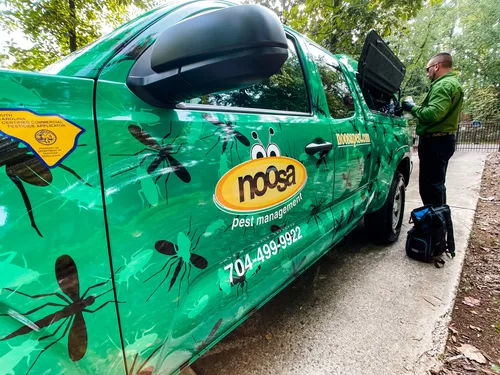
Noosa Pest Management LLC is a locally owned pest control company serving Charlotte, NC. They provide a range of residential and commercial pest management services including bed bug treatment, ant and rodent control, termite inspections, mosquito control, bee and wasp removal, bird and wildlife control, and crawl space encapsulation. Their approach emphasizes environmentally friendly and botanical pest control solutions, integrating natural treatments and comprehensive inspections to address pest issues effectively. Noosa Pest Management also offers specialized termite control and uses heat treatment for bed bugs. They participate in the EPA's Pesticide Environmental Stewardship Program and focus on minimizing chemical use. The company is known for its thorough inspections, customized treatment plans, and ongoing maintenance visits. Noosa Pest Management is family-operated and prioritizes eco-conscious methods while covering a wide range of pests common in the Charlotte area.
City Wide Exterminating
6025 Blakeney Park Dr #202, Charlotte, NC 28277
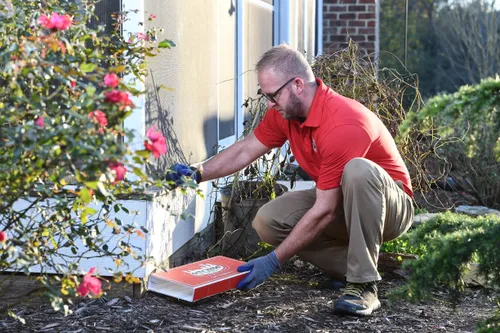
City Wide Exterminating is a family-owned pest control company serving Charlotte, NC, and surrounding areas including Concord, Mooresville, and Locust. Established in 2000, they offer comprehensive pest management services for residential and commercial properties. Their services include treatment and removal of bed bugs, ants, cockroaches, rodents, termites, mosquitoes, and wildlife. City Wide Exterminating provides tailored pest inspections and ongoing maintenance plans to help keep properties pest-free. They emphasize environmentally responsible and pet-friendly solutions and offer a service guarantee with additional treatments included on annual plans.

Go-Forth Pest Control
1974 Carolina Pl Ste 120, Fort Mill, SC 29708
Go-Forth Pest Control is a pest management company based in Charlotte, NC, serving the Fort Mill area and nearby towns. They provide a wide range of pest control services including ant, cockroach, flea, mosquito, rodent, bed bug, termite, bee, wasp, and wildlife removal. The company uses pet- and kid-friendly products and applies the latest pest management technologies to protect homes and businesses. Established in 1959, Go-Forth Pest Control has decades of experience and offers same-day service to address pest issues promptly.
HMO - Residential and Commercial Pest Control Charlotte
1409 East Blvd, Charlotte, NC 28203
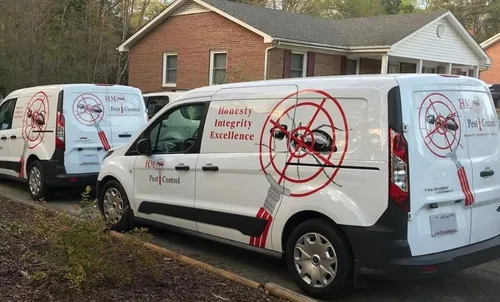
HMO - Residential and Commercial Pest Control Charlotte provides pest control services for homes and businesses in Charlotte, NC, and surrounding areas including Gastonia, Monroe, Fort Mill, Lancaster, and Rock Hill. The company specializes in managing pests such as bed bugs, termites, ants, cockroaches, and rodents, offering tailored treatment packages to meet different needs. With licensed expertise and a focus on honesty and integrity, HMO has been serving the community since 2002. They also provide home inspection services and hold multiple professional licenses including NC Licensed General Contractor and Pest Control Operator.
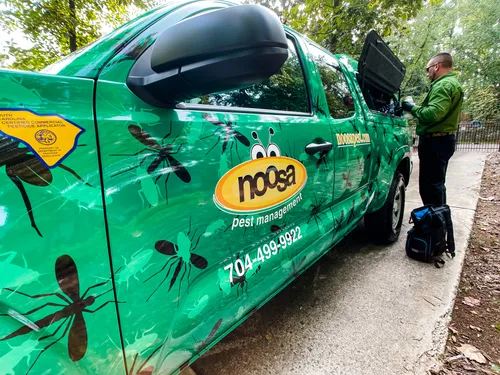
Noosa Pest Management LLC
19720 Jetton Rd First Floor, Suite D, Cornelius, NC 28031
Noosa Pest Management LLC provides comprehensive pest control services in Charlotte, NC, specializing in residential and commercial pest management. Their approach emphasizes integrated pest management (IPM) with a focus on non-chemical and botanical treatments to minimize environmental impact. Services include termite inspections and control, mosquito treatments, bed bug heat treatments, fire ant and general ant control, rodent and cockroach extermination, as well as bee, wasp, bird, and wildlife removal. They also offer crawl space vapor barrier and encapsulation services to reduce termite-friendly conditions. With over a decade of experience in heat treatments for bed bugs, Noosa Pest Management applies expertise and environmentally conscious methods to address pest issues effectively.
Why Termite Inspections Are Essential in Gastonia
The warm, humid climate of North Carolina provides an ideal environment for termites, particularly subterranean species. These pests are responsible for billions of dollars in property damage across the country each year, and Gastonia homes are not immune. A professional termite evaluation, often called a Wood-Destroying Insect (WDI) inspection, is your first line of defense. It goes beyond a casual look around; it's a systematic search for telltale signs of infestation and an assessment of risk factors specific to your property's construction and surroundings. For homeowners, it provides peace of mind. For buyers and sellers, it's often a required step in real estate transactions to ensure the structural integrity of the home is sound.
Common Termite Species in the Gastonia Area
Understanding your adversary is key to prevention. In Gastonia, the primary threat comes from one pervasive type:
Subterranean Termites: This is the most common and destructive termite species in North Carolina. They live in colonies in the soil and build distinctive mud tubes to travel between their nest and food sources (the wood in your home) while protecting themselves from open air. They are attracted to moisture and thrive in areas with damp soil, making proper yard drainage and foundation ventilation critical. They typically enter structures from the ground up, attacking wood that is in contact with soil or that has been softened by moisture.
While less common, drywood termites can also be a concern. They infest dry wood directly and do not require contact with soil, often being introduced through infested furniture or structural wood. Their presence is often indicated by piles of fine, wood-colored droppings called frass.
What Does a Termite Inspector Look For?
A qualified inspector conducts a thorough, methodical examination of both the interior and exterior of your property. Their trained eye focuses on specific evidence and conducive conditions.
Primary Evidence of Infestation:
- Mud Tubes: These are pencil-sized, earthen tunnels that subterranean termites construct on foundation walls, piers, sill plates, or in crawlspaces. Finding active mud tubes is a clear, definitive sign of an ongoing infestation.
- Damaged Wood: Inspectors will probe accessible wood members with a tool. Wood that sounds hollow when tapped, appears crushed, or has a honeycombed interior is suspect. You might also see buckling paint or small pinpoint holes in drywall or wood.
- Frass: These are tiny, six-sided, wood-colored pellets expelled by drywood termites. Piles of frass, often found near kick-out holes in wood, indicate an active drywood termite colony.
- Discarded Wings: After swarming (their reproductive flight), termites shed their wings. Finding small, papery, shredded wings on windowsills, in spider webs, or near door frames is a sign of a nearby colony1.
- Live Insects: While less common during a daytime inspection, seeing the pale, soft-bodied workers or darker swarmers themselves is an obvious indicator.
Conducive Conditions (What Attracts Termites): An inspection report doesn't just note active infestations; it details factors that could lead to one. Inspectors are vigilant for:
- Excessive Moisture: This is the biggest attractant. Inspectors look for leaky pipes, poor gutter drainage, standing water near the foundation, and insufficient ventilation in crawlspaces.
- Wood-to-Soil Contact: Any structural wood, such as door frames, siding, or deck posts, that touches the soil provides a direct highway for termites.
- Mulch and Debris: Mulch piled against the foundation, as well as stored firewood or lumber near the home, creates a moist, wood-rich environment that termites love.
- Cracks in the Foundation: Even hairline cracks can serve as entry points for determined termites.
The Termite Inspection Process: Step-by-Step
Knowing what to expect can make the process smoother. A standard inspection in Gastonia typically follows this pattern2 3 4:
- Visual Examination: The technician will walk the perimeter of your home, examining the foundation, exterior walls, porches, and decks. They will then move indoors to check basements, crawlspaces, attics, garages, and living areas, paying special attention to bathrooms, kitchens, and laundry rooms where moisture is common.
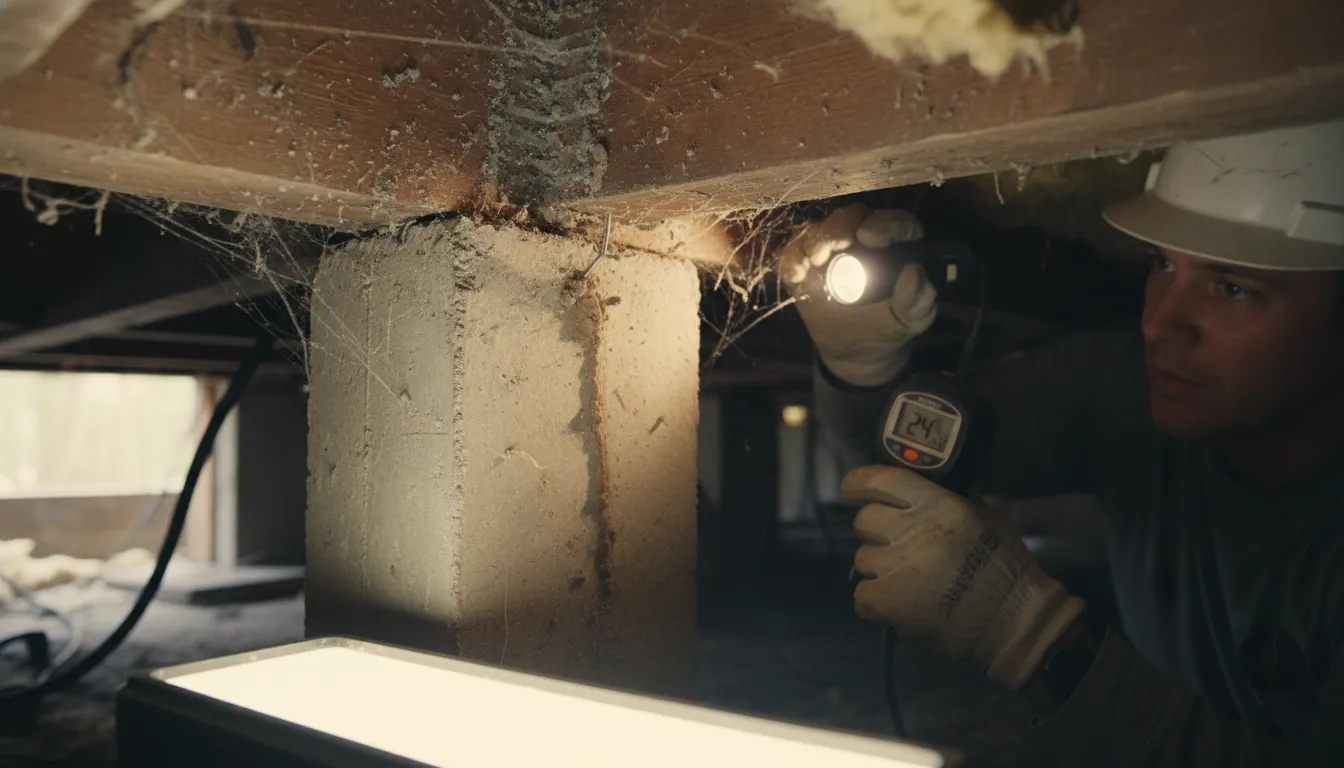
- Probing and Tool Use: Using tools like a flashlight, screwdriver, and moisture meter, the inspector will probe sill plates, floor joists, window frames, and other susceptible wood. A moisture meter can detect hidden dampness within walls that could signal a problem.
- Condition Assessment: The inspector mentally catalogs all conducive conditions, from soil grade to vegetation placement, that could elevate your property's risk.
- Report Generation: After the inspection, you will receive a detailed report, often using a standard WDIR (Wood-Destroying Insect Report) form. This document will clearly state whether evidence of active or previous termite activity was found and will list all observed conducive conditions. It will also include recommendations for treatment (if needed) and corrective actions to reduce future risk.
Find the perfect termite inspection companies for your needs
Get personalized recommendations and expert advice
Understanding Inspection Costs and Treatment Options
In Gastonia, the cost for a standard termite inspection typically ranges from $125 to $2505. This fee generally covers a visual inspection and the official WDIR report, which is frequently required for home sales. The price can vary based on the size of your home, its foundation type (e.g., crawlspace vs. slab), and the accessibility of key areas.
If the inspection reveals an active infestation, treatment costs will be additional and vary significantly:
- Localized or Spot Treatments: For a small, contained area, treatment may cost a few hundred dollars.
- Soil Treatment/Liquid Barrier: A standard treatment for subterranean termites, which involves applying termiticide in trenches around the foundation, can range from several hundred to a few thousand dollars depending on the home's linear footage.
- Baiting Systems: Installing in-ground bait stations around the property is a popular monitoring and control method, with costs involving both installation and ongoing monitoring fees.
- Whole-Structure Fumigation (Tenting): Required for severe drywood termite infestations, this is the most extensive and expensive option, often costing between $1,200 and $8,000 or more depending on home size6 7.
It's important to view the inspection fee not as a cost, but as an investment in early detection, potentially saving you tens of thousands of dollars in future repairs.
Key Areas of Focus in Gastonia Homes
Given the local pest profile, inspectors pay particular attention to certain areas:
- Crawlspaces: This is arguably the most critical area to check. Inspectors look for mud tubes on piers and foundation walls, probe the sill plate and floor joists for damage, and assess ventilation and vapor barrier quality to gauge moisture levels8 9.
- Foundation Exteriors: The entire perimeter is scanned for mud tubes, cracks, and soil grade issues. The interface where siding or brick meets the foundation is closely examined.
- Bathrooms and Kitchens: Plumbing penetrations under sinks, around tubs, and behind toilets are common entry points. Inspectors check for soft wood and moisture in these cabinets and walls.
- Attics: While less common for subterranean termites, attics can harbor drywood termites or indicate moisture problems from roof leaks that can soften wood.
After the Inspection: Your Next Steps
Your inspection report is a roadmap for action.
- If No Activity is Found: Congratulations! Use the report's list of conducive conditions as a to-do list. Address moisture issues, correct drainage, remove wood-to-soil contact, and consider a preventative treatment plan or warranty for long-term protection.
- If Active Infestation is Found: The report will recommend treatment options. It is advisable to obtain quotes from several licensed professionals to compare their proposed methods, warranties, and costs. Ensure any treatment is performed by a licensed pest management company.
- For Real Estate Transactions: The WDIR report will be a key document. If active termites are found, negotiations between buyer and seller will typically determine who is responsible for funding the required treatment before closing.
Regular inspections, often recommended annually, are the best strategy for Gastonia homeowners to catch problems early and maintain their property's value and safety.
Frequently asked questions
Sources
Footnotes
-
Termite Inspections: Cost and What to Expect | Real Estate - https://realestate.usnews.com/real-estate/articles/termite-inspections-cost-and-what-to-expect ↩
-
Homeowners Guide to Service Agreements and Warranties - https://www.ncagr.gov/divisions/structural-pest-control-and-pesticides/structural/consumer-information/homeowners-guide-service-agreements-and-warranties ↩
-
Termite Inspections Gastonia, NC | Protect Your Home - https://www.bannonhomeinspections.com/termite-inspections/gastonia-nc ↩
-
Complete Guide to Termite Inspection for Home Purchase - https://bettertermite.com/termite-inspection-for-home-purchase/ ↩
-
Termite Inspection WDIR - Advantage NC Home Inspection - https://advantagenc.com/termite-inspection-wdir/ ↩
-
How Much Is a Termite Inspection? Complete Cost Overview - https://www.homelight.com/blog/how-much-is-a-termite-inspection/ ↩
-
Termite Inspections for Homebuyers: Requirements & Costs - https://www.freedommortgage.com/learning-center/articles/termite-inspection-home-purchase ↩
-
Termite Exterminator in Gastonia, NC | 100% Guaranteed | TPC - https://www.trianglepest.com/termite-control-gastonia-nc/ ↩
-
Termite Inspections: Identifying And Preventing Costly Damage - https://maxhomeinspections.com/blog/termite-inspection/termite-inspections-costly-damage/ ↩