Find the Best Termite Inspection Companies for Your Business
No obligation • Fast responses • Nationwide coverage

Why you can trust Pest Crews
Pest Crews is a leading U.S. resource for finding and evaluating residential and commercial pest control services. Our team researches providers, reviews treatment approaches, and organizes unbiased information to help you make informed decisions. Companies cannot pay to change our editorial content or influence how they appear.
Search providers near you
Top Termite Inspection Companies in High Point, North Carolina Ranked
A professional termite inspection is a critical evaluation of your property to detect the presence of wood-destroying insects and the conditions that attract them. In High Point, where Eastern Subterranean Termites are prevalent, these assessments are essential for protecting your home's structural integrity from costly, hidden damage. This guide explains the local inspection process, what experts look for, and how you can use this information to connect with qualified professionals in your area for a thorough evaluation.
Pest Management Systems, Inc.
424 Prescott St, Greensboro, NC 27401
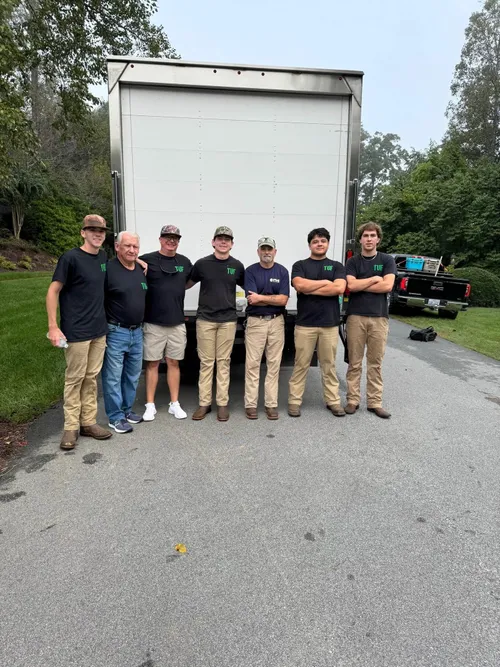
Pest Management Systems, Inc. provides pest control and extermination services in Winston Salem, NC. They handle a range of pest issues including rodent control and termite inspections, serving both residential and commercial properties. Their services aim to protect homes and workplaces from pest-related damage and health risks.
Pest-X Exterminating
4991 Reidsville Rd, Walkertown, NC 27051
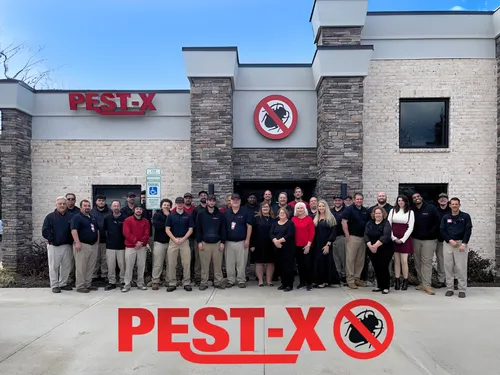
Pest-X Exterminating is a locally owned pest control company serving Winston Salem, NC, and the surrounding Triad area including Greensboro, High Point, and Burlington. They provide pest control services for common nuisances such as ants, cockroaches, rodents, termites, bees, and wasps. With over 35 years of experience, Pest-X Exterminating offers expert termite inspections and effective pest removal solutions. The company emphasizes a strong community connection and offers same-day service when contacted early in the day.

Go-Forth Pest Control
707a Gralin St, Kernersville, NC 27284
Go-Forth Pest Control is a pest management company serving Winston Salem, NC, and the surrounding Piedmont Triad region. They provide a range of pest control services including bed bug treatment, cockroach and ant control, rodent elimination, termite inspections and treatments, mosquito and flying insect control, as well as commercial pest services. With over 55 years of experience since 1959, Go-Forth uses EPA-approved methods tailored to local pest challenges and offers same-day service to address infestations promptly. Their expertise includes termite control to prevent structural damage and comprehensive treatments for various pests common to the area.

Terminix Triad
8216 B & G Ct, Stokesdale, NC 27357
Terminix Triad is a pest control company serving Winston Salem, NC, and nearby areas. They provide pest extermination services for common pests such as cockroaches, ants, rodents, and termites, as well as wildlife removal. Terminix Triad uses targeted, eco-friendly treatments designed to eliminate infestations safely for families and pets. The company has over 14 years of experience in termite protection and general pest control, including the use of bait traps to prevent termite damage.
The Inspection Company
717 Green Valley Rd #200, Greensboro, NC 27408
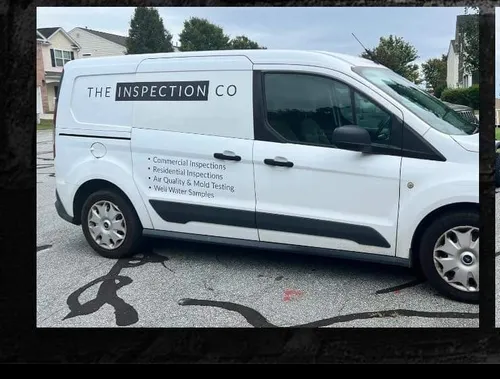
The Inspection Company is a termite inspection and home inspection business based in Greensboro, NC. They provide a wide range of inspection services including residential, commercial, termite, radon, mold, air quality, and well water testing. With over 30 years of experience, they use advanced technology to deliver detailed and reliable reports that help protect property investments and ensure safety. Their termite inspections focus on detecting signs of termite activity throughout the home to prevent structural damage. The company serves clients across North Carolina, South Carolina, and Virginia.
Understanding the Local Threat: Eastern Subterranean Termites
The primary termite species threatening homes in High Point and across North Carolina is the Eastern Subterranean Termite (Reticulitermes flavipes). These insects live in colonies underground and build distinctive mud tubes to travel between their soil nests and wood food sources without being exposed to air. 1 The humid climate and often clay-heavy soils of the Piedmont region create ideal conditions for these pests to thrive. An inspection specifically targets the signs of this species, understanding that most damage occurs out of sight within walls, floor joists, and structural timbers.
What Does a Termite Inspector Look For?
A certified inspector conducts a meticulous search for both active infestation signs and "conducive conditions" that invite termites. The goal is to identify problems before they escalate into major structural repairs.
Key Visible Signs of Activity:
- Mud Tubes: These pencil-sized tunnels made of soil and saliva are the most recognizable sign. Inspectors look for them on foundation walls, piers, sill plates, and in crawlspaces.
- Wood Damage: Termites eat wood along the grain, leaving behind a honeycomb pattern. Inspectors will probe susceptible wood with a tool to check for hollow sounds or easy penetration.
- Swarmers & Discarded Wings: The presence of winged reproductive termites (swarmers) or piles of their discarded wings near windowsills or light sources indicates a mature colony nearby.
- Frass: Drywood termites (less common) produce pellet-like droppings. Subterranean termites use their droppings in tunnel construction, so frass is less common but still a sign. 2
Critical Risk Factors & Conducive Conditions: Inspectors also document issues that elevate your home's risk, as addressing these is a key part of prevention.
- Excessive Moisture: Leaky pipes, poor drainage, clogged gutters, and improper grading that allows water to pool near the foundation.
- Wood-to-Soil Contact: Any structural wood, such as siding, door frames, or deck posts, making direct contact with the soil.
- Mulch Against the Foundation: Deep mulch beds touching siding or foundation wood provide a hidden, moist bridge for termites.
- Cracks in the Foundation: Even hairline cracks can serve as entry points from the subterranean colony.
- Storage in Crawlspaces: Cardboard boxes and wood piles stored in crawlspaces attract termites and hide early signs of activity.
The Step-by-Step Inspection Process in High Point
A comprehensive termite evaluation follows a systematic approach to ensure no vulnerable area is missed. Here's what you can expect during a typical inspection for a High Point home.
1. Exterior Inspection The inspector walks the entire perimeter of your home. They examine the foundation for mud tubes and cracks, check soil grading and drainage, inspect siding and trim for wood-to-soil contact, and look at porches, decks, and exterior wood structures. The vegetation, mulch depth, and downspout outlets are also assessed for their impact on moisture levels. 3
2. Interior Inspection Inside, the inspector examines every accessible room. Special attention is paid to areas near plumbing-kitchens, bathrooms, and laundry rooms-where leaks can create hidden moisture. They will look at baseboards, window and door frames, and soft spots in flooring. Closets, especially where they meet exterior walls, are also checked. 4
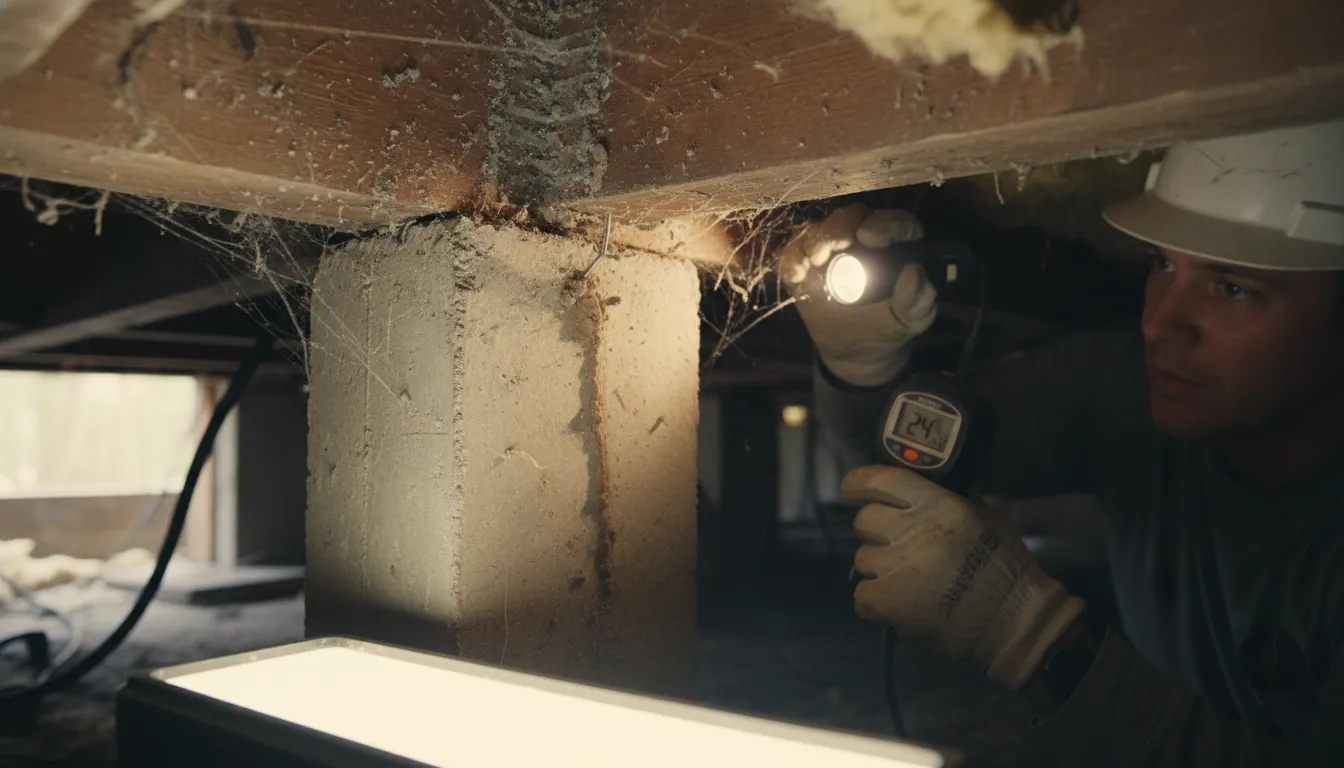
3. Crawlspace and Attic Examination These are arguably the most critical areas. In the crawlspace, the inspector examines the foundation walls, piers, sill plates, and floor joists with a flashlight and probing tool. They look for mud tubes, damaged wood, and measure moisture levels. In the attic, they check the roof sheathing, rafters, and around chimneys for signs of moisture or infestation, as termites can travel up inside walls to reach these areas. 5
4. Reporting & The Wood-Destroying Insect Report (WDIR) Following the inspection, you will receive a detailed Wood-Destroying Insect Report (WDIR). This official document is often required for real estate transactions. 6 A thorough report will include:
- Findings of any visible infestation or damage.
- A list of observed conducive conditions.
- Photographic evidence of key issues.
- Recommendations for treatment (if needed) and preventative measures to correct risk factors.
Find the perfect termite inspection companies for your needs
Get personalized recommendations and expert advice
The Value of a Professional Inspection & Typical Costs
Many homeowners wonder if they can inspect for termites themselves. While being vigilant for the signs mentioned above is wise, a professional inspection offers irreplaceable value. Inspectors have the training, experience, and tools-like moisture meters, thermal imaging cameras, and sounding tools-to detect subtle signs of hidden activity that an untrained eye would miss. 7 8 Early detection through a professional inspection can prevent thousands of dollars in structural repairs, making it a minor investment in your property's long-term health and value. 9 10
In the High Point area, the cost for a standard termite inspection and WDIR for a typical single-family home typically ranges from $125 to $250. 11 12 This price can vary based on the size of the home, the complexity of the foundation (e.g., extensive crawlspace vs. slab), and the specific provider. It's a small price to pay for the peace of mind that comes with knowing the true condition of your largest investment.
Proactive Prevention Tips for High Point Homeowners
Alongside scheduling regular inspections, you can take active steps to make your property less inviting to termites:
- Manage Moisture: Ensure gutters are clean and downspouts direct water at least 5 feet away from the foundation. Fix leaky faucets and pipes promptly. Use dehumidifiers in damp crawlspaces. 13
- Eliminate Wood Contact: Keep mulch, soil, and landscaping materials at least 6 inches away from your home's siding and foundation wood. Use concrete or metal barriers where possible.
- Reduce Access: Seal cracks and crevices in the foundation and around utility lines entering the house. Ensure crawlspace vents are clear and functional to reduce humidity.
- Store Smartly: Keep firewood, lumber, and cardboard boxes elevated off the ground and stored away from your home's exterior walls. 14 15
Frequently asked questions
Sources
Footnotes
-
Monitoring and Management of Eastern Subterranean Termites - https://content.ces.ncsu.edu/monitoring-management-of-eastern-subterranean-termites ↩
-
What Does a Termite Inspector Look For? - Orkin - https://www.orkin.com/pests/termites/what-a-termite-inspector-does ↩
-
What You Need to Know About Termite Inspections - AmeriSpec - https://www.amerispec.com/blog/what-you-need-know-about-termite-inspections ↩
-
What Happens During a Termite Inspection - Terminix - https://www.terminix.com/termite-control/inspection/ ↩
-
Termite Inspections: Prevent Costly Damage to Your Home - https://responsiblepestcontrol.net/blog/termite-inspections/ ↩
-
Why is a Wood Destroying Insect Report (WDIR) Important? - https://wheelerext.com/why-is-a-wood-destroying-insect-report-wdir-important/ ↩
-
Complete Guide to Termite Inspection for Home Purchase - https://bettertermite.com/termite-inspection-for-home-purchase/ ↩
-
Investing in an Expert Termite Home Inspection: It Matters - https://pestmgt.com/blog/investing-in-a-termite-home-inspection/ ↩
-
Protect Your Property: Termite inspections can detect infestations. - https://www.homeinspectioncarolina.com/termite-inspection/ ↩
-
What Happens During a Termite Inspection (And Why You Can't ... - https://www.drakepest.com/what-happens-during-a-termite-inspection-and-why-you-cant-skip-it/ ↩
-
Termite Inspection WDIR - Advantage NC Home Inspection - https://advantagenc.com/termite-inspection-wdir/ ↩
-
How Much Is a Termite Inspection? Complete Cost Overview - https://www.homelight.com/blog/how-much-is-a-termite-inspection/ ↩
-
Tips to Keep Your Home Termite Free in 2024 - https://www.wakepest.com/tips-to-keep-your-home-termite-free/ ↩
-
Termite Inspection in Cary, NC - https://neusetermiteandpest.com/termite-inspection-in-cary-nc ↩
-
Eastern Subterranean Termites: Protect Your Home Effectively - https://www.innovativepest.com/understand-eastern-subterranean-termites/ ↩