Find the Best Termite Inspection Companies for Your Business
No obligation • Fast responses • Nationwide coverage

Why you can trust Pest Crews
Pest Crews is a leading U.S. resource for finding and evaluating residential and commercial pest control services. Our team researches providers, reviews treatment approaches, and organizes unbiased information to help you make informed decisions. Companies cannot pay to change our editorial content or influence how they appear.
Search providers near you
Top Termite Inspection Companies in Huntersville, North Carolina Ranked
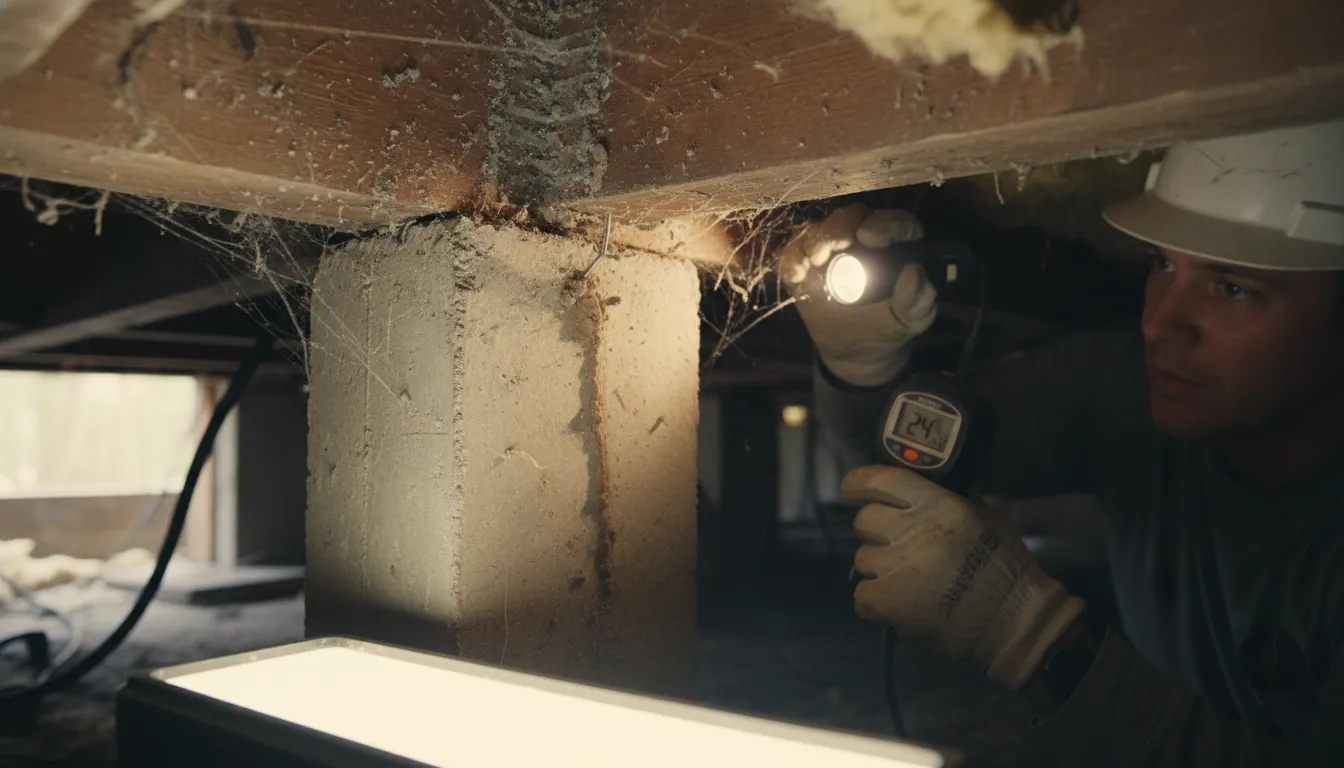
A termite inspection is a specialized evaluation of your property to detect the presence of wood-destroying insects, primarily termites, and the conditions that attract them. For Huntersville homeowners, this service is critical because the Eastern Subterranean Termite-the most common and destructive type in our region-can cause extensive, costly damage that is often hidden from plain sight. Using this guide, you can understand the inspection process, know what local professionals look for, and make an informed decision to protect your investment.
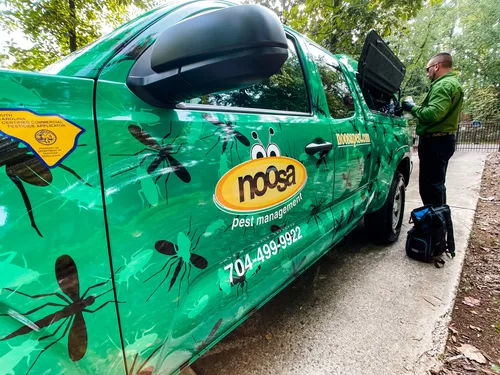
Noosa Pest Management LLC
6916 Rea Croft Dr, Charlotte, NC 28226
Noosa Pest Management LLC is a locally owned pest control company serving Charlotte, NC. They provide a range of residential and commercial pest management services including bed bug treatment, ant and rodent control, termite inspections, mosquito control, bee and wasp removal, bird and wildlife control, and crawl space encapsulation. Their approach emphasizes environmentally friendly and botanical pest control solutions, integrating natural treatments and comprehensive inspections to address pest issues effectively. Noosa Pest Management also offers specialized termite control and uses heat treatment for bed bugs. They participate in the EPA's Pesticide Environmental Stewardship Program and focus on minimizing chemical use. The company is known for its thorough inspections, customized treatment plans, and ongoing maintenance visits. Noosa Pest Management is family-operated and prioritizes eco-conscious methods while covering a wide range of pests common in the Charlotte area.
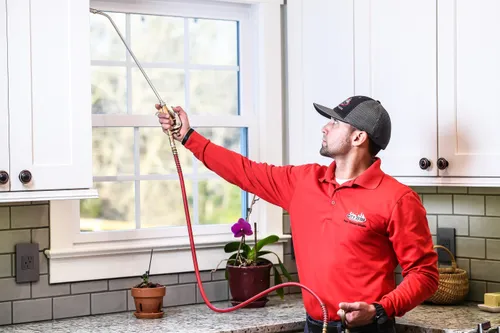
City Wide Exterminating
140 Cabarrus Ave W STE 1, Concord, NC 28025
City Wide Exterminating is a family-owned pest control company serving Charlotte, NC, and surrounding areas. They offer a wide range of pest management services including bed bug treatment, termite inspections, rodent and wildlife removal, mosquito control, and commercial pest control. Founded in 2000, the company emphasizes environmentally responsible and pet-friendly solutions to protect homes and businesses. Their technicians provide tailored pest inspections and treatments, with a focus on long-term prevention. City Wide Exterminating also offers service guarantees and works to accommodate customers' schedules.
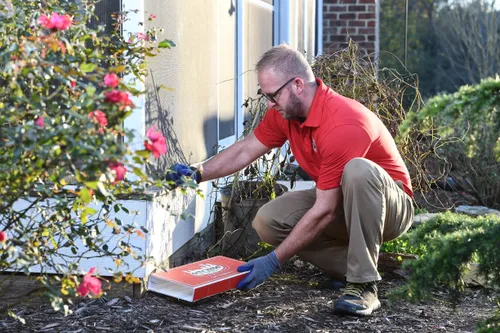
City Wide Exterminating
6025 Blakeney Park Dr #202, Charlotte, NC 28277
City Wide Exterminating is a family-owned pest control company serving Charlotte, NC, and surrounding areas including Concord, Mooresville, and Locust. Established in 2000, they offer comprehensive pest management services for residential and commercial properties. Their services include treatment and removal of bed bugs, ants, cockroaches, rodents, termites, mosquitoes, and wildlife. City Wide Exterminating provides tailored pest inspections and ongoing maintenance plans to help keep properties pest-free. They emphasize environmentally responsible and pet-friendly solutions and offer a service guarantee with additional treatments included on annual plans.

Go-Forth Pest Control
1974 Carolina Pl Ste 120, Fort Mill, SC 29708
Go-Forth Pest Control is a pest management company based in Charlotte, NC, serving the Fort Mill area and nearby towns. They provide a wide range of pest control services including ant, cockroach, flea, mosquito, rodent, bed bug, termite, bee, wasp, and wildlife removal. The company uses pet- and kid-friendly products and applies the latest pest management technologies to protect homes and businesses. Established in 1959, Go-Forth Pest Control has decades of experience and offers same-day service to address pest issues promptly.
At Ease Pest Solutions, LLC
694 S Main St, Troutman, NC 28166
At Ease Pest Solutions, LLC is a veteran-owned pest control company serving Charlotte, NC. They offer a range of residential and commercial pest control services including bed bug treatment, ant and rodent control, termite inspection and extermination, mosquito control, and bee and wasp removal. Their approach focuses on exterior pest control methods to create a barrier around properties, minimizing the need for interior pesticide use. The company also provides specialized treatments for pests like termites and bed bugs, and offers service plans that cover multiple pest types with satisfaction guarantees.
Why Termite Inspections Are Non-Negotiable in Huntersville
The warm, humid climate of the Carolinas provides an ideal environment for termites to thrive. An infestation is not a matter of if but when for many properties. These pests work silently, often for years, eating away at the structural wood in your home's framing, flooring, and support beams. The damage they cause is typically not covered by standard homeowners insurance policies, making prevention and early detection through a professional termite inspection your first and most economical line of defense. Regular checks are the best way to catch an issue before it escalates into a repair bill that can reach tens of thousands of dollars.
What Does a Professional Termite Inspector Look For?
A certified inspector conducts a meticulous search for both active infestations and conditions that could lead to one. This involves examining all accessible areas of your home, inside and out.
Primary Evidence of Termites:
- Mud Tubes: These pencil-sized tunnels made of soil and saliva are the hallmark of Eastern Subterranean Termites. Inspectors look for them on foundation walls, piers, sill plates, and in crawlspaces, as they are the highways termites use to travel from the soil to your wood.
- Wood Damage: Inspectors will probe exposed wood with a tool, listening for a hollow sound and looking for wood that appears crushed, has a honeycomb pattern, or is stained. Damaged wood may also have a papery texture.
- Swarmer Evidence: During mating seasons, you might find discarded wings near windowsills, doors, or in spider webs. The presence of these "swarmers" or their wings is a strong indicator of a nearby colony.
- Frass: While more common with drywood termites, some termites leave behind droppings that resemble fine sawdust or coffee grounds.
Conducive Conditions (What Attracts Termites): A thorough inspection report won't just note active pests; it will identify risks. Key issues include 1:
- Wood-to-Soil Contact: Any structural wood, like deck posts or siding, touching the soil.
- Excess Moisture: From leaky pipes, poor drainage, clogged gutters, or inadequate ventilation in crawlspaces.
- Cellulose Debris: Stacks of firewood, lumber, or even thick mulch against the foundation.
- Cracks in the Foundation: Small openings that provide easy access.
The Termite Inspection Process: Step-by-Step
Knowing what to expect can help you prepare for an inspector's visit. A comprehensive Wood-Destroying Insect Report (WDIR) inspection in Huntersville typically follows a systematic approach.
1. Exterior Inspection: The inspector walks the entire perimeter of your home. They examine the foundation for mud tubes and cracks, check siding, window and door frames, eaves, and look at the grading and drainage. Vegetation, mulch beds, and exterior wood structures like decks and fences are also scrutinized.
2. Interior and Structural Inspection: Inside, the focus is on vulnerable areas. This includes:
- Crawlspaces and Basements: These are critical zones where moisture often accumulates and wood is close to the ground. Inspectors look for mud tubes on piers and joists, check vapor barriers, and assess ventilation.
- Attics: While less common for subterranean termites, attics are inspected for proper ventilation, roof leaks, and signs of other wood-destroying organisms.
- Kitchens, Bathrooms, and Laundry Rooms: Areas around plumbing are checked for leaks and moisture damage.
- Living Areas: Inspectors examine baseboards, window sills, and door frames, especially in corners and less-frequented rooms.
3. Tools of the Trade: Beyond a keen eye and a probing tool, inspectors often use moisture meters to detect elevated moisture levels inside walls and wood-a prime attractant for termites. Flashlights and mirrors help them see into dark, tight spaces.
4. The Inspection Report: After the assessment, you should receive a detailed digital report. The best reports include photos of both findings and conducive conditions, a clear explanation of any evidence, and specific recommendations for treatment or corrective actions2 3. Many local inspectors will also provide a quote for any recommended treatment services.
Find the perfect termite inspection companies for your needs
Get personalized recommendations and expert advice
Understanding Inspection Costs and Treatment Options
In Huntersville, the cost for a standalone termite inspection typically ranges from $125 to $2504. It's important to note that many pest control companies offer a free inspection if you are considering or proceed with a treatment plan with them4. This can be a great way to get an assessment, but it's wise to understand that the inspector may also be a salesperson for their company's services.
If an active infestation or high-risk condition is found, treatment costs vary significantly based on the method and severity:
- Localized or Spot Treatments: For small, accessible infestations, costs may start around $1,000.
- Soil Treatment (Liquid Barrier): A common solution for subterranean termites, creating a chemical barrier around the foundation. Costs can range from $1,500 to $4,000 or more.
- Baiting Systems: Stations are placed around the property to eliminate the colony over time. These systems often have higher initial installation costs and require ongoing monitoring.
- Fumigation (Tenting): Reserved for severe drywood termite infestations (less common here) or whole-structure problems, this can cost $8,000 or more5 6.
Beyond Termites: Other Wood-Destroying Organisms (WDOs)
A proper WDIR inspection doesn't stop at termites. Your inspector is also trained to identify signs of other pests that can compromise your home's structure7 8:
- Carpenter Ants: They excavate wood to create nests but do not eat it. Look for piles of fine sawdust-like frass.
- Powderpost Beetles & Old House Borers: These beetles lay eggs in wood, and their larvae bore through it, leaving tiny exit holes and fine powder.
- Wood-Decaying Fungi: Often a result of chronic moisture problems, fungal rot can weaken wood as severely as insect damage.
Preparing Your Huntersville Home for an Inspection
To ensure a smooth and thorough inspection, you can take a few simple steps:
- Clear Access: Move boxes, stored items, and furniture away from perimeter walls, especially in basements, crawlspaces, and attics. Ensure the inspector can access the crawlspace entry.
- Trim Vegetation: Cut back shrubs, vines, and tree branches that are touching the house.
- Address Minor Issues: If you know of a leaky faucet or have wood debris piled against the foundation, addressing it beforehand can provide a clearer picture.
Frequently asked questions
Sources
Footnotes
-
What Happens During a Termite Inspection - Terminix - https://www.terminix.com/termite-control/inspection/ ↩
-
Protect Your Property: Termite inspections can detect infestations. - https://www.homeinspectioncarolina.com/termite-inspection/ ↩
-
Termite Inspections: Identifying And Preventing Costly Damage - https://maxhomeinspections.com/blog/termite-inspection/termite-inspections-costly-damage/ ↩
-
Termite Inspection WDIR - Advantage NC Home Inspection - https://advantagenc.com/termite-inspection-wdir/ ↩ ↩2
-
How Much Is a Termite Inspection? Complete Cost Overview - https://www.homelight.com/blog/how-much-is-a-termite-inspection/ ↩
-
Termite Inspection Cost [2026 Data] | Angi - https://www.angi.com/articles/how-much-does-termite-inspection-cost.htm ↩
-
Homeowners Guide to Service Agreements and Warranties - https://www.ncagr.gov/divisions/structural-pest-control-and-pesticides/structural/consumer-information/homeowners-guide-service-agreements-and-warranties ↩
-
Termite Inspections: Prevent Costly Damage to Your Home - https://responsiblepestcontrol.net/blog/termite-inspections/ ↩