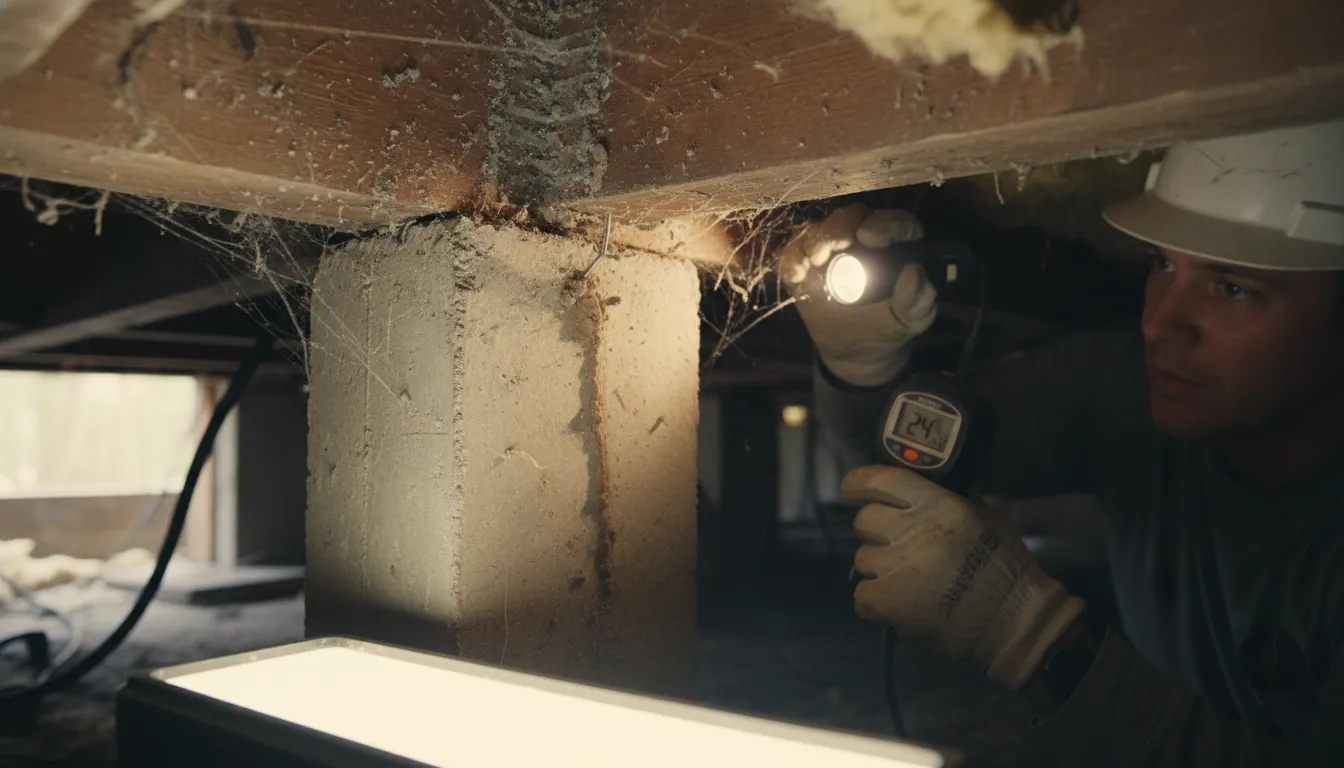
Find the Best Termite Inspection Companies for Your Business
No obligation • Fast responses • Nationwide coverage

Why you can trust Pest Crews
Pest Crews is a leading U.S. resource for finding and evaluating residential and commercial pest control services. Our team researches providers, reviews treatment approaches, and organizes unbiased information to help you make informed decisions. Companies cannot pay to change our editorial content or influence how they appear.
Search providers near you
Top Termite Inspection Companies in Kettering, Ohio Ranked
A termite inspection is a specialized assessment of your property to detect the presence of wood-destroying insects and the conditions that attract them. For Kettering homeowners, this service is critical because termites can cause extensive, costly structural damage that often isn't covered by standard homeowners insurance. This guide will help you understand what a termite evaluation entails, what inspectors look for, and how to find qualified local professionals to protect your investment.
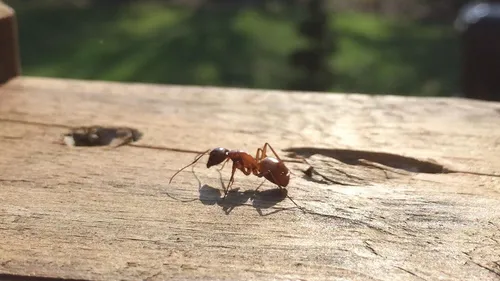
Bug-A-Pest Termite & Pest Control
2575 US-22, Maineville, OH 45039
Bug-A-Pest Termite & Pest Control is a family-owned pest control company based in Cincinnati, OH. They offer termite inspections and pest control services for both residential and commercial properties. The company is licensed and certified through the State of Ohio and provides warranties and guarantees on their work. Their team is equipped to handle termite infestations promptly to protect homes and businesses.

Aptive Pest Control
Cincinnati, OH
Aptive Pest Control provides comprehensive pest management services in Cincinnati, OH, and surrounding areas. They address common pests such as ants, cockroaches, termites, rodents, mosquitoes, bees, and wasps with year-round treatments tailored to the region's seasonal pest challenges. Their services include perimeter treatments and moisture control techniques to prevent infestations and rodent exclusion and baiting during colder months. Aptive Pest Control serves a wide area around Cincinnati, including many neighboring communities, ensuring effective pest control solutions for both urban and suburban environments.

Greenix Pest Control
Cincinnati, OH
Greenix Pest Control offers comprehensive pest management services in Cincinnati, OH, addressing over 50 common household pests including ants, bed bugs, rodents, termites, mosquitoes, and wasps. Their approach includes a detailed 20-point inspection and a multi-step treatment process that targets pests both inside and outside the home, creating protective barriers and addressing problem areas. Greenix emphasizes sustainable and science-based methods tailored to each customer's needs, ensuring year-round protection. They provide specialized plans for pest control, rodent control, mosquito reduction, and termite prevention, with service coverage extending to multiple Cincinnati neighborhoods.
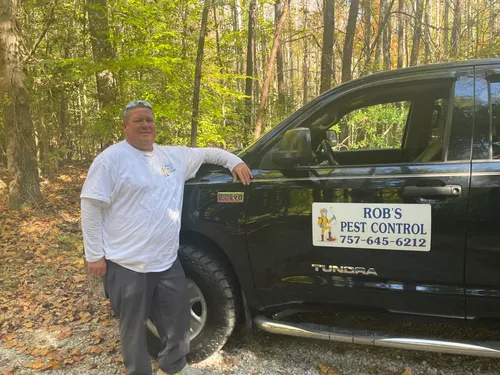
Rob's Pest Control
Newport News, VA
Rob's Pest Control is a locally owned pest control company serving Newport News, VA. They provide a wide range of services including termite control, crawlspace treatments, and removal of ants, rodents, roaches, mosquitoes, bees, and wasps. Their team uses environmentally friendly methods to eliminate pests and address moisture issues that can attract infestations. With over 10 years of experience, Rob's Pest Control focuses on protecting homes and properties in the Hampton Roads area.
Compass Home Inspections
Fort Wayne, IN
Compass Home Inspections is a termite inspection company based in Fort Wayne, IN. They offer a range of home inspection services including termite and wood-destroying pest inspections, radon testing, mold inspection, moisture intrusion inspections, water quality testing, and deck inspections. Their services cater to home buyers, sellers, and owners seeking professional evaluations to protect their investments and ensure safety. Compass Home Inspections provides flexible appointment scheduling to fit clients' needs.
Why Termite Inspections Are Essential in Kettering
Ohio's climate and soil conditions make it a prime habitat for termites, particularly the highly destructive Eastern Subterranean species. These pests work silently, often going unnoticed until significant damage has already occurred. A professional termite inspection is your first and best defense. It provides a clear picture of your home's vulnerability, identifies active infestations, and highlights risk factors that need to be addressed. For anyone buying, selling, or maintaining a home in the Dayton area, this assessment is a non-negotiable part of responsible homeownership.
What a Professional Inspector Looks For
During a termite inspection in Kettering, a certified specialist conducts a thorough visual examination of your property, both inside and out. They are trained to identify subtle signs that the untrained eye would easily miss. The goal is to locate evidence of termite activity and to spot conditions that could lead to a future infestation.
Key Evidence of Termites:
- Mud Tubes: These are pencil-sized tunnels made of soil and saliva that subterranean termites build to travel between their soil colony and the wood in your home. Inspectors look for them on foundation walls, in crawl spaces, and along piers.
- Damaged Wood: Termites consume wood from the inside out, leaving a thin veneer. Inspectors will tap on wood surfaces with a tool like a screwdriver, listening for a hollow sound and probing for soft, compromised wood.
- Frass: This is a sawdust-like excrement produced by drywood termites. Finding small piles of frass, which resembles coarse coffee grounds, near wood trim or in window sills is a telltale sign.
- Discarded Wings: Reproductive termites (swarmers) shed their wings after finding a mate. Piles of small, translucent wings near windows, doors, or light sources are a common indicator of a nearby colony 1.
- Exit Holes: Tiny, pin-sized holes in drywall or wood are where swarmers have emerged from within the structure 2.
Conducive Conditions: Beyond looking for active bugs, a comprehensive inspection identifies factors that attract termites. These include excessive moisture from leaks or poor drainage, earth-to-wood contact (like soil touching siding or porch posts), and dense mulch or landscaping debris piled against the foundation 3. Correcting these issues is a crucial part of long-term prevention.
The Inspection Process: Inside and Out
Knowing what to expect can help you prepare for a termite inspection. The process is detailed but non-invasive.
Exterior Inspection: The inspector will walk the entire perimeter of your home. Key areas of focus include the foundation, soil adjacent to walls, porches, patios, and decks. They will examine window and door frames, utility entry points, and any wood structures like fences or sheds. The goal is to find mud tubes, damaged wood, and any points where soil or moisture is in contact with structural wood.
Interior Inspection: Inside, the inspector will examine baseboards, window and door casings, hardwood floors, and areas where plumbing pipes enter floors or walls. They will look for staining, discoloration, or blistering on walls and ceilings that may indicate moisture-a termite magnet. Attics and crawl spaces are also critically examined, as these dark, often humid areas are highly attractive to pests 4 5.
The inspector uses simple but effective tools: a bright flashlight to see into dark corners, a screwdriver or pick to probe wood for weakness, and a ladder to access higher and lower areas 6.
Common Termite Species in Ohio
Understanding your adversary is key. In Kettering, you are most likely to encounter:
- Eastern Subterranean Termites: This is the most common and damaging species in Ohio. They live in underground colonies and build mud tubes to access food sources above ground. They are responsible for the vast majority of termite damage in the state.
- Drywood Termites: While less common than subterranean termites in Ohio, they are still present. Unlike their subterranean cousins, drywood termites infest dry wood and do not require contact with soil. They are often identified by the frass they push out of their galleries 7.
Find the perfect termite inspection companies for your needs
Get personalized recommendations and expert advice
Understanding Inspection Costs in Kettering
The cost of a termite inspection in Kettering can vary based on the size of your home, its foundation type, and the scope of the service. On average, homeowners can expect to pay between $75 and $150 for a standalone termite inspection 8 9. However, prices in Ohio can range from $100 to $772 depending on the provider and whether the service is bundled with a more comprehensive whole-home inspection 10 11.
Many companies offer a termite inspection as part of a Wood Destroying Insect Organism (WDIO) report, which is frequently required during real estate transactions. It's wise to get quotes from several local providers and clarify exactly what is included-some may offer a free re-inspection after treatment, while others might include a warranty.
When and How Often to Schedule an Inspection
Routine Maintenance: For peace of mind, experts recommend a professional termite inspection at least once a year. Annual checks can catch early signs of activity before they turn into a major, expensive problem.
Before Buying a Home: Never purchase a property in the Dayton area without a termite inspection. The inspection report can be used to negotiate repairs or treatment with the seller.
When Selling a Home: Having a recent, clear termite inspection report can make your home more attractive to buyers and smooth the path to closing.
If You See Signs: If you notice any of the warning signs mentioned earlier-mud tubes, discarded wings, damaged wood-schedule an inspection immediately. Prompt action is crucial.
Preparing for Your Inspection
To ensure the inspector can do a thorough job, you can take a few simple steps:
- Clear clutter from your basement, crawl space, and attic access points.
- Move stored items away from foundation walls in your garage and basement.
- Trim back shrubs and vegetation so there is at least an 18-inch gap between plants and your home's siding.
- Ensure the inspector has clear access to electrical panels, water heaters, and under sinks.
Frequently asked questions
Sources
Footnotes
-
Termite Inspections: What to Expect and How to Prepare - https://www.petrispestcontrol.com/termite-control/termite-inspections-what-to-expect/ ↩
-
Full Guide to Professional Termite Inspections for Home Inspectors - https://www.homegauge.com/learning/home-inspectors-termites/ ↩
-
What Does a Termite Inspector Look For? - Orkin - https://www.orkin.com/pests/termites/what-a-termite-inspector-does ↩
-
Termite Inspection & Wood Destroying Organisms - http://www.cai-ohio.com/termite-inspection.html ↩
-
What to Expect When We Perform a Termite Inspection in Your Home - https://cititurf.com/blog/what-to-expect-when-we-perform-a-termite-inspection-in-your-home/ ↩
-
What Does A Termite Inspector Look For? - AG Pest Control - https://www.agpest.com/what-does-a-termite-inspector-look-for/ ↩
-
Termites in Ohio: Types, Risks, and How to Prevent Them - https://a-z-animals.com/blog/termites-in-ohio-types-risks-and-how-to-prevent-them/ ↩
-
Protecting Your Ohio Home: The Crucial Role of Termite Inspections - https://aardvarkpestpro.com/role-of-termite-inspections/ ↩
-
How Much Is a Termite Inspection? Complete Cost Overview - HomeLight - https://www.homelight.com/blog/how-much-is-a-termite-inspection/ ↩
-
Home Inspection Costs in Ohio for 2025 - Habitation Investigation - https://homeinspectionsinohio.com/home-inspection-costs-in-ohio-for-2025/ ↩
-
Best Termite Inspection - MVP Inspectors - https://mvpinspectors.com/home-inspection-services-dayton/termite-inspection/ ↩