Find the Best Termite Inspection Companies for Your Business
No obligation • Fast responses • Nationwide coverage

Why you can trust Pest Crews
Pest Crews is a leading U.S. resource for finding and evaluating residential and commercial pest control services. Our team researches providers, reviews treatment approaches, and organizes unbiased information to help you make informed decisions. Companies cannot pay to change our editorial content or influence how they appear.
Search providers near you
Top Termite Inspection Companies in Toledo, Ohio Ranked
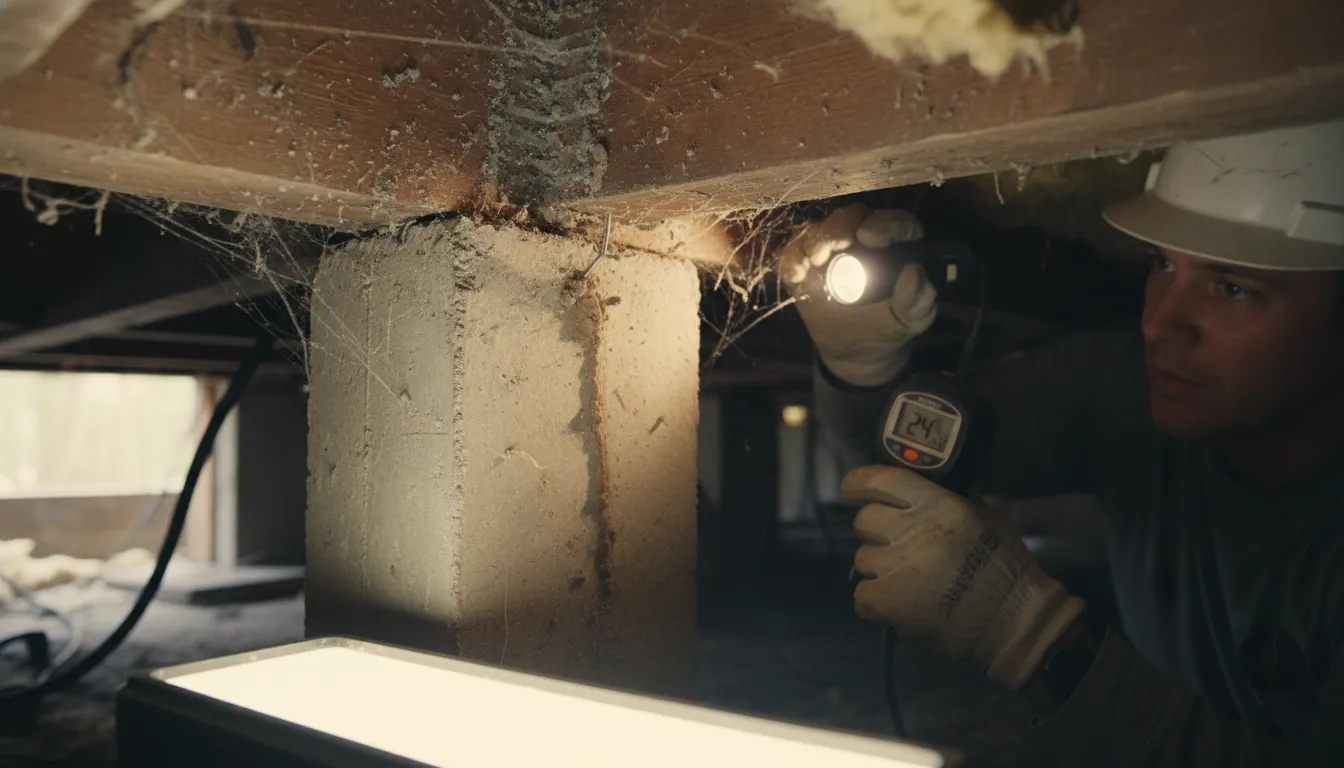
A termite inspection is a critical evaluation of your property to detect the presence or evidence of wood-destroying insects, primarily subterranean termites. In Toledo, these inspections are vital for protecting your home's structural integrity, as termites can cause extensive, hidden damage. This guide will help you understand the local inspection process, what inspectors look for, and how to find qualified professionals to assess your property.
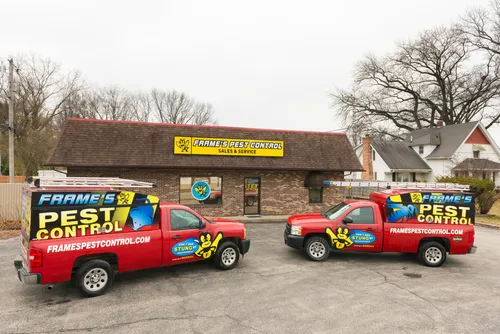
Frame's Pest Control, Inc.
4947 W Alexis Rd, Sylvania, OH 43560
Frame's Pest Control, Inc. is a family-owned pest control company serving Toledo, OH, and the surrounding Northern Ohio and Southeast Michigan areas. Since 1972, they have provided comprehensive pest management services including bed bug treatment, rodent control, termite inspections, mosquito control, bee and wasp removal, wildlife removal, and commercial pest control. Their licensed exterminators customize treatments to address various pest issues effectively. Frame's offers flexible scheduling with same-day, next-day, and Saturday appointments when available, accommodating customer needs throughout the week.

Greenix Pest Control
5222 Tractor Rd H, Toledo, OH 43612
Greenix Pest Control is a pest control company serving Toledo, OH, offering comprehensive solutions for over 50 common household pests including ants, cockroaches, rodents, termites, mosquitoes, bees, and wasps. They provide tailored pest control plans based on a science-driven approach, featuring a six-step treatment process that includes inspection, perimeter spraying, and interior protection to keep homes pest-free year-round. Greenix emphasizes eco-friendly and sustainable methods to minimize environmental impact while effectively managing infestations. Their services cover various neighborhoods in Toledo and include specialized rodent and termite control plans.
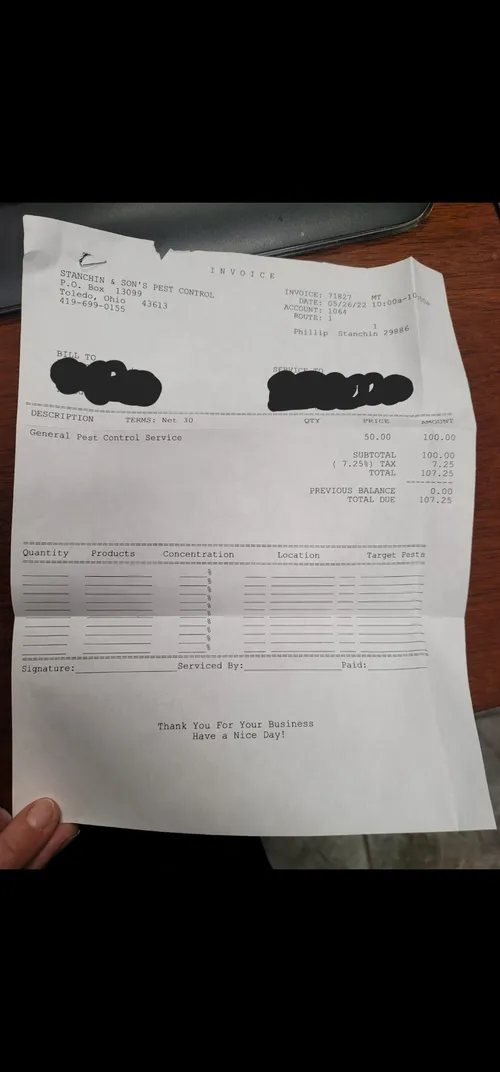
Stanchin & Son's Pest Control
Toledo, OH
Stanchin & Son's Pest Control is a family-owned pest control company based in Toledo, OH, serving northwest Ohio and southeast Michigan for over 30 years. They provide general pest control, termite inspections, and commercial pest services for hotels, restaurants, factories, and warehouses. Their tri-annual service covers the exterior and perimeter of homes, including under soffits and around windows and doors, offering year-round protection. The company also performs VA and FHA government home inspections and emphasizes affordable pest control with consistent values passed down from their founder.
Wildman Inspections LLC
Toledo, OH
Wildman Inspections LLC is a termite inspection company based in Toledo, OH. They provide comprehensive home inspections with a focus on wood-destroying insect (WDI) inspections, checking for termites, carpenter ants, wood-devouring beetles, carpenter bees, and related damage or infestation conditions. The company is state licensed and offers drone services for aerial photography, operated by a FAA Part 107 certified commercial remote pilot. With many years of maintenance and facility experience, Wildman Inspections aims to support homeowners and buyers with detailed inspection reports.
Orkin
6537 Angola Rd, Holland, OH 43528
Orkin provides comprehensive pest control services in Toledo, OH, and the surrounding Holland area. With over 120 years of experience, they handle a wide range of pests including bed bugs, termites, rodents, ants, mosquitoes, and wildlife for both residential and commercial properties. Their services include specialized treatments such as Sentricon® termite baiting and bed bug control, supported by science-backed methods and state-of-the-art technology. Orkin offers 24/7 availability to address urgent pest issues promptly.
Why Termite Inspections Are Crucial in Northwest Ohio
The primary threat to homes in our region is the subterranean termite. These insects thrive in moist soil and build colonies underground, sending workers up into wooden structures to feed. Ohio's climate, particularly wet springs, can significantly increase termite activity. An inspection is your first line of defense, identifying not just active infestations but also conditions conducive to future problems, such as excessive moisture and wood-to-soil contact. For homebuyers, a wood-destroying insect inspection report is often a required part of the real estate transaction.
What a Professional Inspector Looks For
A thorough termite assessment involves checking for both direct evidence of pests and environmental risk factors. Inspectors are trained to spot subtle signs that a homeowner might easily miss.
Common Signs of Termite Activity:
- Mud Tubes: These pencil-sized tunnels on foundation walls, floor joists, or in crawl spaces are highways for termites traveling between their soil colony and your wood.
- Damaged Wood: Wood that sounds hollow when tapped, appears crushed, or has a honeycombed interior pattern is a classic indicator. Paint that bubbles or flakes can also signal moisture from termite activity beneath.
- Frass: Drywood termites produce wood-colored droppings, but subterranean termites use their droppings in tunnel construction. Finding piles of pellet-like frass can still be a sign of other wood-boring insects.
- Discarded Wings: Swarmers (reproductive termites) shed their wings after finding a mate. Piles of small, identical wings near windowsills or doors are a telltale sign of a nearby colony 1.
Key Risk Factors Inspectors Evaluate:
- Moisture Issues: Leaky pipes, poor drainage, clogged gutters, and malfunctioning sump pumps create the damp environment termites love.
- Wood-to-Soil Contact: Any direct contact between structural wood and soil is a major risk. This includes deck posts, porch steps, wooden siding, and landscape timbers.
- Access Points: Cracks in the foundation, gaps around utility lines, and openings where plumbing penetrates walls can serve as entry points for these tiny pests.
The Toledo Termite Inspection Process: Step-by-Step
A comprehensive termite evaluation is methodical, covering both the exterior and interior of your property. Here's what you can expect during a professional inspection.
1. Exterior Inspection The inspector starts outside, walking the perimeter of your home. They examine the foundation for cracks and mud tubes, check soil conditions and grading, and identify any wood-to-soil contact. They will also look at porches, decks, eaves, and the condition of exterior siding 2.
2. Interior Inspection Inside, the focus shifts to areas most vulnerable to moisture and termites. This includes a detailed examination of:
- Basements and Crawl Spaces: Inspectors check foundation walls, wooden supports, floor joists, and sill plates-prime locations for subterranean termite activity.
- Attics: While less common for subterranean termites, attics are checked for proper ventilation, signs of moisture, and evidence of other wood-destroying organisms.
- Living Areas: Window and door frames, baseboards, and areas under sinks or around tubs are visually inspected for damage. Inspectors may use tools to probe suspicious wood 3.
3. Tools of the Trade Beyond a keen eye and a flashlight, professionals use specialized equipment:
- Moisture Meters: Detect elevated moisture levels in wood and drywall, which can indicate leaks or termite activity 4.
- Thermal Imaging Cameras: Help identify temperature differences behind walls that may point to moisture intrusion or hollowed-out wood galleries 5.
- Sounding Tools: Mallets or screwdrivers are used to tap on wood, listening for the hollow sound characteristic of termite damage 6.
4. The Inspection Report After the evaluation, you should receive a detailed written report. A quality report includes photographs of any findings, a description of evidence or conducive conditions, and clear recommendations for treatment or corrective actions 7. This document is essential for understanding your property's status and planning next steps.
Find the perfect termite inspection companies for your needs
Get personalized recommendations and expert advice
Understanding Inspection and Treatment Costs in Toledo
The cost for a standard termite inspection in the Toledo area typically ranges from $100 to $200 8. This fee covers the time, expertise, and report from a licensed professional. If the inspection is being performed as part of a real estate transaction (often called a WDO or Wood-Destroying Insect inspection), the cost is generally similar, though it may be bundled with a general home inspection 9 10.
It's important to distinguish inspection costs from treatment costs. The inspection fee is for diagnosis only. If termites or damage are found, treatment is a separate and significantly larger investment. Treatment costs vary dramatically based on the method (liquid soil barriers, bait systems, spot treatments, or fumigation) and the severity of the infestation. In Ohio, treatment can range from a few hundred dollars for localized issues to $1,500 to $8,000 or more for whole-structure treatments like fumigation or extensive soil treatment 11 12 13. Always request a detailed, written estimate for any proposed treatment.
How to Prepare for Your Termite Inspection
To ensure the inspector can perform a thorough job, a little preparation is helpful:
- Clear Access: Move boxes, stored items, and furniture away from basement walls, crawl space entrances, and attic access points.
- Trim Landscaping: Cut back shrubs, vines, and mulch so there is at least an 18-inch gap between the plants and your home's foundation. This allows for a clear view of the exterior perimeter.
- Address Moisture: Note any areas of known moisture problems, such as leaky faucets or damp spots in the basement, to point out to the inspector.
- Gather Documentation: If you have previous inspection reports or knowledge of past termite treatments, have them available.
DIY Checks vs. Professional Expertise
While homeowners can perform periodic visual checks for the obvious signs mentioned earlier, a professional inspection is irreplaceable. Inspectors have the training to identify subtle evidence, the tools to detect hidden problems, and the knowledge of local building codes and termite behavior specific to Northwest Ohio. They also provide the official documentation needed for real estate transactions and often for warranty purposes with treatment plans. Think of a DIY check as a monthly or seasonal awareness habit, and a professional inspection as an annual or bi-annual health check-up for your home.
Frequently asked questions
Sources
Footnotes
-
Termite Inspection & Wood Destroying Organisms - http://www.cai-ohio.com/termite-inspection.html ↩
-
What Happens During a Termite Inspection - Terminix - https://www.terminix.com/termite-control/inspection/ ↩
-
Termite & WDO Inspections - https://noble-pi.com/termite ↩
-
Termite Control in Toledo | Frame's Pest Control, Inc. - https://www.framespestcontrol.com/oh/pest-control-toledo/termite-control/ ↩
-
Full Guide to Professional Termite Inspections for Home Inspectors - https://www.homegauge.com/learning/home-inspectors-termites/ ↩
-
Termite Inspection Checklist: A Comprehensive Guide for ... - https://www.unitedtermitecontrol.net/termite-inspection-checklist-a-comprehensive-guide-for-homeowners/ ↩
-
Termite inspection: How it works - Western Exterminator - https://www.westernexterminator.com/termite-control/termite-inspection ↩
-
Termite Inspection » Ohio Exterminating - https://ohioexterminating.com/services/termite-inspection/ ↩
-
Termite Inspections for Homebuyers: Requirements & Costs | Freedom Mortgage - https://www.freedommortgage.com/learning-center/articles/termite-inspection-home-purchase ↩
-
How Much Does a Termite Inspection Cost? - https://patriotinspect.com/how-much-does-a-termite-inspection-cost/ ↩
-
DIY vs. Professional Termite Inspections in Toledo - https://www.framespestcontrol.com/blog/2025/december/diy-vs-professional-termite-inspections-in-toled/ ↩
-
How Much Is a Termite Inspection? Complete Cost Overview - https://www.homelight.com/blog/how-much-is-a-termite-inspection/ ↩
-
How Much Does a Termite Inspection Cost? [2026 Data] - Angie's List - https://www.angi.com/articles/how-much-does-termite-inspection-cost.htm ↩