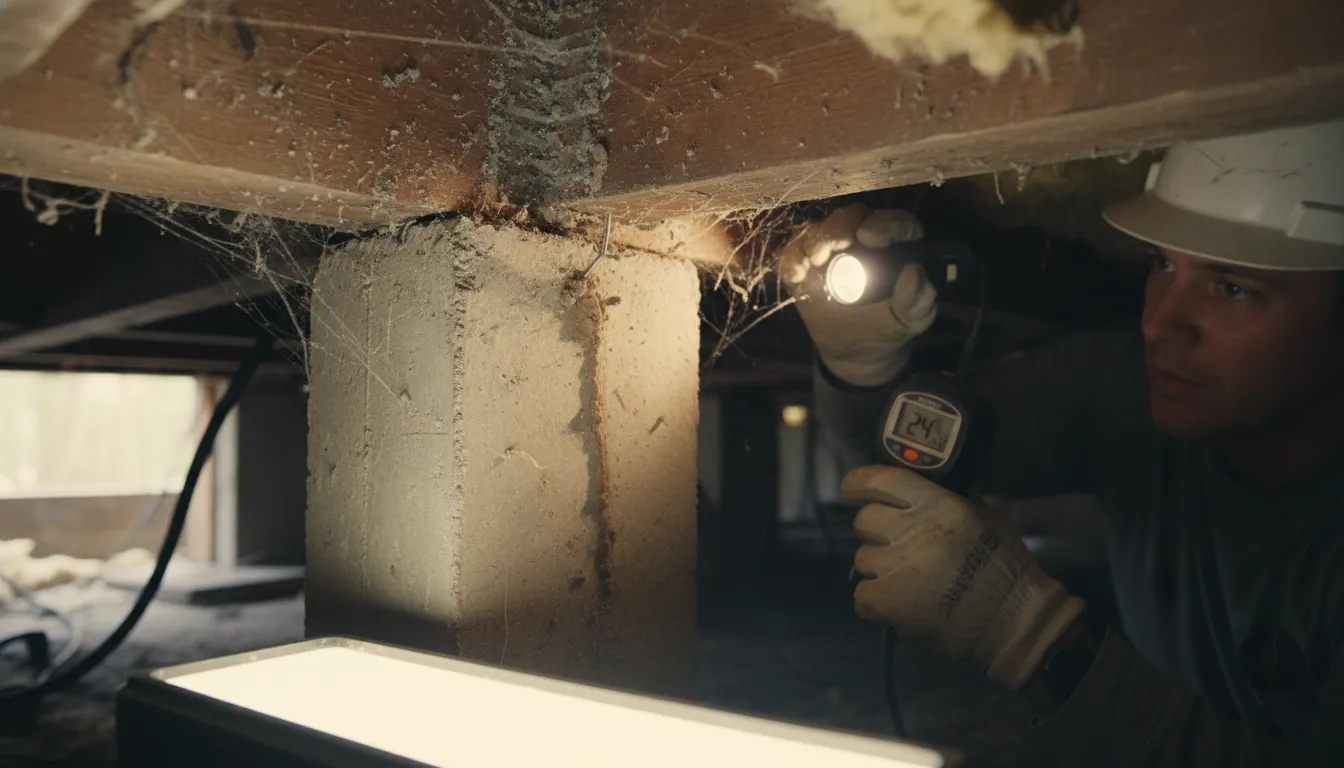
Find the Best Termite Inspection Companies for Your Business
No obligation • Fast responses • Nationwide coverage

Why you can trust Pest Crews
Pest Crews is a leading U.S. resource for finding and evaluating residential and commercial pest control services. Our team researches providers, reviews treatment approaches, and organizes unbiased information to help you make informed decisions. Companies cannot pay to change our editorial content or influence how they appear.
Search providers near you
Top Termite Inspection Companies in Parma, Ohio Ranked
A professional termite inspection is a critical evaluation of your property to detect the presence of wood-destroying insects like termites. In Parma, where subterranean termites are common, this service is essential for protecting your home's structural integrity and value. This guide will help you understand what a termite assessment involves, what local inspectors look for, and how to find qualified professionals in the Parma area to conduct this vital check.
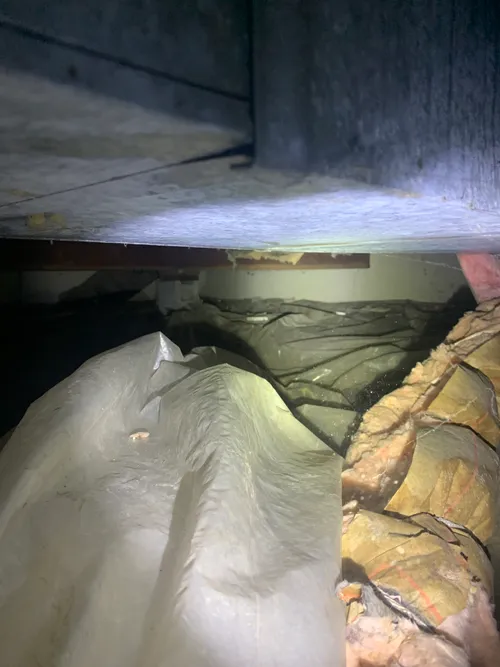
First-In Home Inspection LLC
89 West Ave, Tallmadge, OH 44278
First-In Home Inspection LLC is a termite inspection company based in Akron, OH. Owned and operated by local firefighters with construction experience, they provide home inspections with a focus on identifying issues that could lead to costly repairs. Their services include termite inspections, radon testing, sewer scopes, and commercial building inspections. Their background as firefighters gives them unique insight into potential home hazards and structural problems.
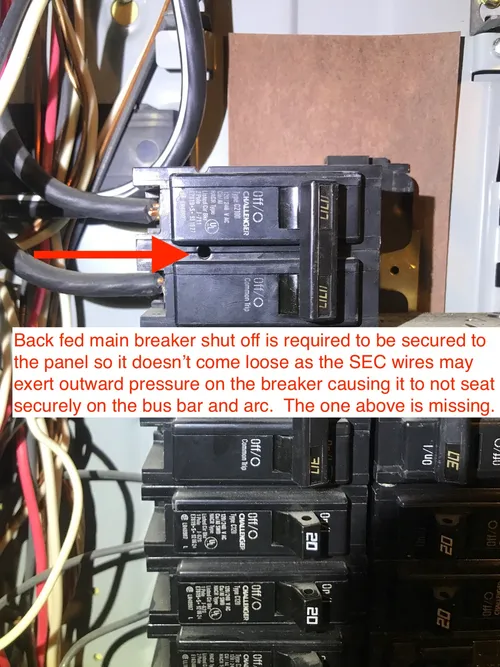
Detailed Home Inspections Cleveland Ohio
9205 Clifton Blvd, Cleveland, OH 44102
Detailed Home Inspections Cleveland Ohio is a licensed multi-inspector company based in Cleveland, OH, providing a wide range of inspection services across Northeast Ohio. Their offerings include residential, commercial, and investment property inspections, as well as specialized services like radon testing, sewer camera inspections, mold testing, and termite inspections. The company has over 19 years of experience and holds multiple Ohio state licenses, including for home inspection, radon testing, and wood-destroying insect inspections. They also utilize advanced tools such as sewer cameras and drones to support their inspections.

Epcon Lane
4429 State Rd Suite #21, Cleveland, OH 44109
Epcon Lane is a full-service pest control company based in Cleveland, OH, serving Northeast Ohio since 1945. They specialize in integrated pest management for both residential and commercial properties, focusing on environmentally friendly methods that minimize pesticide use while maximizing results. Their services include rodent control, termite inspections, mosquito, flea, and tick control, as well as customized treatment plans tailored to each client's needs. Epcon Lane is family owned and operated, with licensed and certified technicians who emphasize safe and effective pest management solutions.
Akron Pest Control
969 Grant St, Akron, OH 44311
Akron Pest Control is a family-owned pest control company serving Akron, OH, and surrounding counties since 1945. They provide tailored pest management solutions for both residential and commercial clients, including bed bug treatment, ant control, termite inspections, and mosquito control. Their licensed technicians use EPA-regulated products and follow state guidelines to ensure safe and effective treatments. The company offers various service plans and guarantees their work, backed by over 65 years of experience and third-generation ownership.

Orkin
6670 W Snowville Rd # 4, Brecksville, OH 44141
Orkin provides comprehensive pest control services in Akron, OH, specializing in commercial pest management. Their expertise covers a wide range of pests including bed bugs, termites, rodents, ants, mosquitoes, and birds. Orkin uses targeted treatments such as dry foam void filler, liquid barriers, and Sentricon® bait systems for termite control. With over 120 years of experience, Orkin offers seasonal pest control plans tailored to local pest behaviors. They also provide 24/7 availability for urgent pest control needs.
Why Termite Inspections Are Crucial in Parma
Subterranean termites are the most prevalent type in Ohio, living in soil and building mud tubes to access the wood in your home, which can lead to significant and costly structural damage 1. Because this damage is often hidden within walls, floors, and support beams, it can go unnoticed for years until repairs become extensive. An inspection by a trained professional is the only reliable way to detect early signs of an infestation or identify conditions that could attract these pests. For homeowners, it's a proactive measure; for those buying or selling a home, it's often a mandatory step, as many mortgage lenders require a formal Wood Destroying Insect (WDI) report before approving a loan in termite-prone areas like Ohio.
Common Signs of a Termite Problem
Knowing what to look for can help you decide when to call a professional. Key indicators of a potential termite infestation include:
- Mud Tubes: These pencil-sized tunnels made of soil and saliva are built by subterranean termites to travel between their colony in the ground and their food source-your home's wood. Look for them along your home's foundation, in crawl spaces, or on walls.
- Discarded Wings: Reproductive termites, or "swarmers," shed their wings after finding a mate. Piles of small, identical wings near windowsills, doors, or in spider webs are a classic sign of termite activity.
- Damaged Wood: Wood that sounds hollow when tapped or appears crushed, blistered, or has a honeycomb pattern inside is likely damaged by termites. Paint that appears cracked or bubbled can also indicate tunneling beneath the surface.
- Termite Droppings (Frass): Drywood termites, though less common, push their fecal pellets out of their tunnels. These small, wood-colored, granular droppings may accumulate in small piles.
What Inspectors Look For: Conditions Conducive to Infestation
A thorough termite evaluation goes beyond looking for active bugs. Inspectors are trained to spot environmental factors that make your property a target. In Parma, common risk factors include:
- Wood-to-Soil Contact: Any structural wood, like porch posts, deck stairs, or siding, that touches the soil provides termites with direct, undetected access into your home.
- Excessive Moisture: Plumbing leaks, poor drainage, clogged gutters, and insufficient ventilation in crawl spaces create the damp conditions termites thrive in 2 3.
- Cracks in Foundation: Even tiny cracks in your home's concrete slab or foundation can serve as entry points for foraging termites.
- Landscaping Materials: Thick layers of wood mulch or stored firewood placed directly against the house foundation can attract and harbor termites 4.
The Professional Inspection Process: What to Expect
When you schedule a termite inspection in Parma, a certified inspector will conduct a meticulous visual examination of your property, both inside and out. The process typically takes 30 to 60 minutes but can be longer for larger homes or those with complex layouts like finished basements or multiple crawl spaces.
Exterior Inspection: The inspector will examine the foundation perimeter, checking for mud tubes and cracks. They will look at all wood structures (decks, fences, exterior trim), areas where utilities enter the house, and the grading and drainage around your home 5 6.
Interior Inspection: Key areas inside the home include basements, crawl spaces, and attics-places where wood framing is exposed. Inspectors will also check around windows and door frames, baseboards, closets, and hardwood floors for signs of damage 7. They often use specialized tools like moisture meters to detect hidden dampness in walls and probes to test wood for hollow spots.
Find the perfect termite inspection companies for your needs
Get personalized recommendations and expert advice
Understanding Inspection Costs and Reports in Parma
The average cost for a standard termite inspection in the Parma area typically ranges from $75 to $150 8. However, for a real estate transaction that requires a formal Wood Destroying Insect (WDI) report, you can expect to pay between $100 and $200 or more 8 9. It's common for local pest control companies to offer a free inspection if you are considering signing up for a treatment plan.
The final report you receive is the most important deliverable. It will detail the inspector's findings, noting any evidence of active or previous infestations, damage, or conducive conditions. If termites or damage are found, the report will include specific treatment recommendations. If the inspection is clear, the report can provide peace of mind and serve as a necessary document for your real estate transaction 10 11.
Preparing for a Termite Inspection
To ensure the inspection is as thorough and efficient as possible, homeowners can take a few simple steps:
- Clear clutter from your basement, crawl space access, and attic.
- Move stored items away from foundation walls in your garage or basement.
- Trim back shrubs and vegetation that are touching the house to allow clear access to the exterior perimeter.
- Ensure the inspector has clear access to all rooms, including closets and utility areas.
The Importance of Follow-Up and Prevention
An inspection is a snapshot in time. If the report is clear, maintaining that status requires ongoing vigilance. Address any moisture issues promptly, eliminate wood-to-soil contact, and keep mulch beds thin and away from the foundation. Consider scheduling annual or bi-annual re-inspections, especially if your home has had past issues or is in a high-risk area. If treatment is recommended, acting quickly is crucial to prevent the problem from spreading and becoming more expensive to resolve 12.
Frequently asked questions
Sources
Footnotes
-
Parma Heights Pest Control | Inspections & Treatments in Ohio - https://www.terminix.com/exterminators/oh/parma-heights-45415/ ↩
-
Termite Inspection in Columbus Ohio - Schedule Now! - https://www.hcinspectors.com/inspection-services/termite-inspections/ ↩
-
Termite & WDO Inspections - https://noble-pi.com/termite ↩
-
Termite inspection: How it works - Western Exterminator - https://www.westernexterminator.com/termite-control/termite-inspection ↩
-
What You Need to Know About Termite Inspections - AmeriSpec - https://www.amerispec.com/blog/what-you-need-know-about-termite-inspections ↩
-
Termite Inspection & Wood Destroying Organisms - http://www.cai-ohio.com/termite-inspection.html ↩
-
Full Guide to Professional Termite Inspections for Home Inspectors - https://www.homegauge.com/learning/home-inspectors-termites/ ↩
-
How Much Does a Termite Inspection Cost? - https://patriotinspect.com/how-much-does-a-termite-inspection-cost/ ↩ ↩2
-
Termite Inspections for Homebuyers: Requirements & Costs | Freedom Mortgage - https://www.freedommortgage.com/learning-center/articles/termite-inspection-home-purchase ↩
-
What Happens During a Termite Inspection - Terminix - https://www.terminix.com/termite-control/inspection/ ↩
-
Termite Inspections - https://www.clevelandchemical.com/termite.shtml ↩
-
What Happens During a Termite Inspection (And Why You Can't ... - https://www.drakepest.com/what-happens-during-a-termite-inspection-and-why-you-cant-skip-it/ ↩