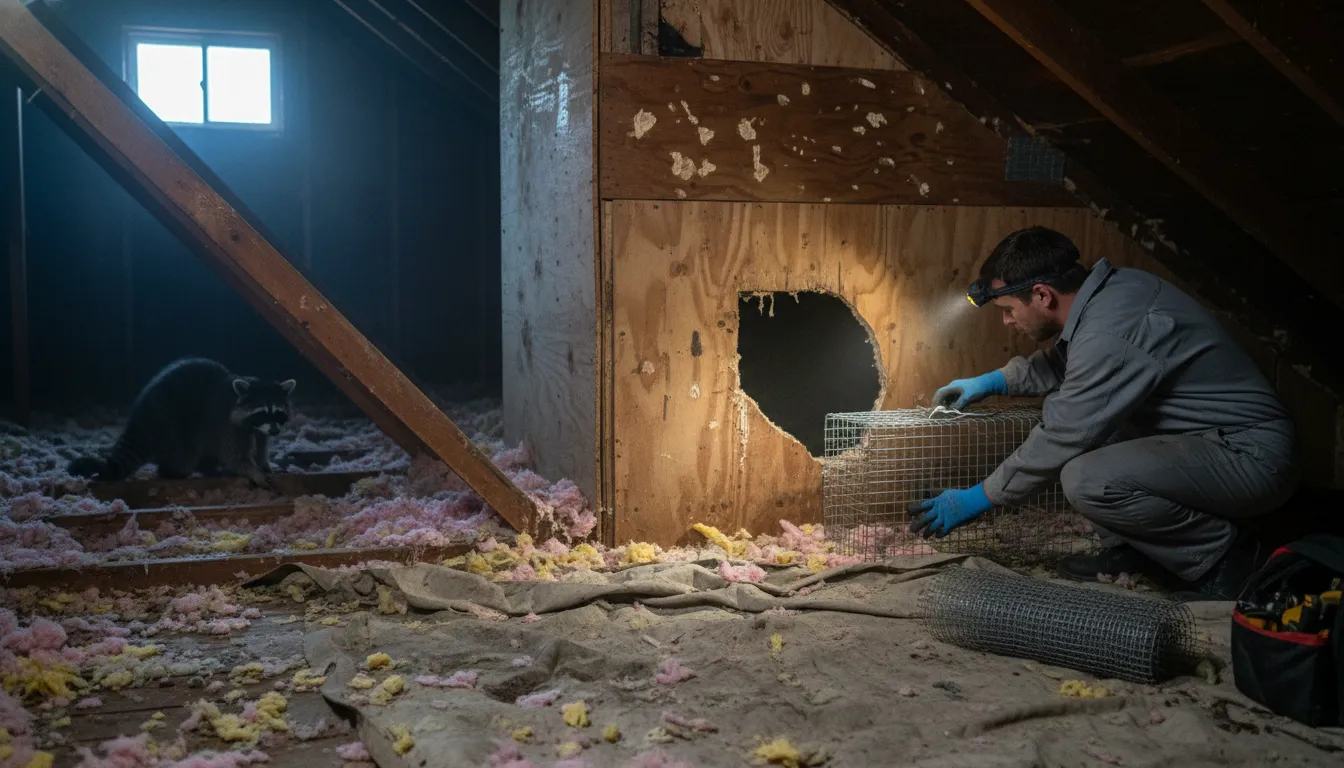
Find the Best Wildlife Removal Companies for Your Business
No obligation • Fast responses • Nationwide coverage

Why you can trust Pest Crews
Pest Crews is a leading U.S. resource for finding and evaluating residential and commercial pest control services. Our team researches providers, reviews treatment approaches, and organizes unbiased information to help you make informed decisions. Companies cannot pay to change our editorial content or influence how they appear.
Search providers near you
Top Wildlife Removal Companies in Broomfield, Colorado Ranked
Discovering an uninvited animal in your attic, garage, or yard can be unsettling. Wildlife removal is the professional service dedicated to safely and humanely resolving conflicts with wild animals that have become a nuisance or a hazard to your property. In Broomfield, where urban development meets natural habitats, understanding how to manage these encounters is crucial for your safety and the well-being of local wildlife. This guide explains the common species you might encounter, what you can do yourself, when to call for help, and how to navigate local regulations to find effective, ethical animal control solutions.
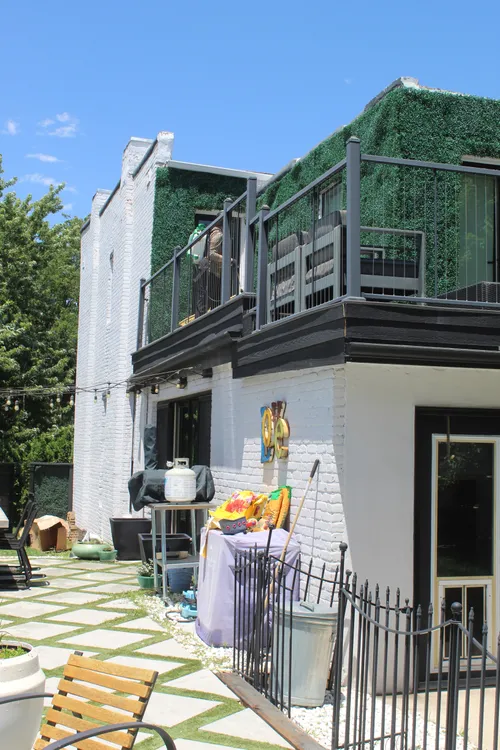
Advantage Pest Management
7270 Gilpin Way Ste 190, Denver, CO 80229
Advantage Pest Management is a pest control company based in Denver, CO, offering services for a wide range of pests including cockroaches, ants, rodents, mosquitoes, bees, wasps, and wildlife removal. They serve the Denver Metro Area with flexible scheduling and guaranteed treatments. The company is known for its ability to handle various pest problems efficiently and provides same-day service options. Advantage Pest Management emphasizes customer satisfaction with a guarantee to re-treat if results are unsatisfactory.
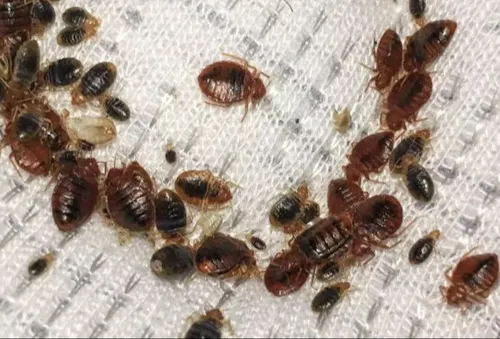
Environmental Pest Control Inc.
304 W Colfax Ave, Denver, CO 80204
Environmental Pest Control Inc. is a pest control company based in Denver, CO, offering services for both residential and commercial properties. They specialize in treatments for a wide range of pests including bed bugs, ants, cockroaches, rodents, termites, mosquitoes, bees, wasps, birds, and wildlife. Their approach includes targeted pest management based on thorough inspections and eco-friendly methods to ensure safety for clients and the environment. The company also provides humane bird control and wildlife removal services through trusted partners. Environmental Pest Control Inc. has been serving the Denver area for several years and offers 24/7 availability for urgent pest issues.
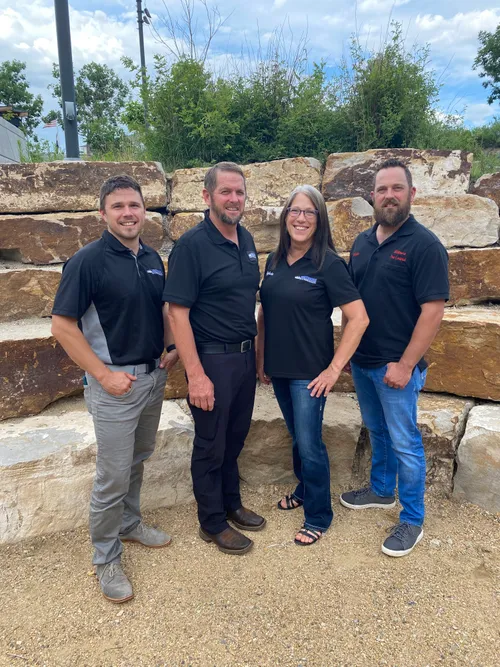
Whitmore Pest & Wildlife Control of Littleton
3911 Norwood Dr UNIT L, Littleton, CO 80125
Whitmore Pest & Wildlife Control of Littleton provides pest and wildlife control services in Denver, CO. They handle a variety of pests including ants, roaches, spiders, rodents, bed bugs, and stinging insects like wasps and hornets. The company also offers cleaning and disinfecting services to sanitize properties after pest removal. Whitmore has been serving the area since 2011 and focuses on family and pet-friendly treatments. Their services include thorough inspections, pest removal, and preventive measures to reduce future infestations.
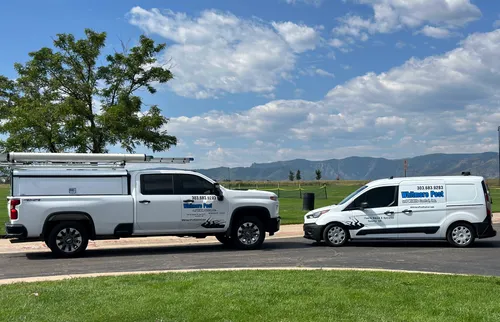
Whitmore Pest & Wildlife Control of Denver
350 S Garfield St Unit 1, Denver, CO 80209
Whitmore Pest & Wildlife Control of Denver provides pest and wildlife removal services in Denver, CO. They handle a variety of pests including bed bugs, cockroaches, ants, rodents, and birds. Their services include interior and exterior treatments, entry point repair, and prevention measures. Whitmore offers comprehensive pest control solutions combined with wildlife removal and property repair, all managed under one service. The company is locally owned and operated, focusing on convenient and affordable service with flat monthly billing.
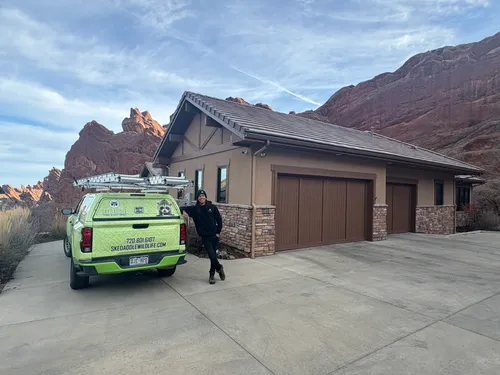
Skedaddle Humane Wildlife Control
Denver, CO
Skedaddle Humane Wildlife Control provides humane wildlife removal and prevention services in Denver, Colorado. They specialize in managing common urban wildlife such as raccoons, squirrels, bats, birds, and skunks by identifying entry points, safely removing animals, and implementing long-term preventative measures. Their approach balances effective wildlife control with respect for animal welfare, focusing on non-invasive methods that protect both homes and local ecosystems. Skedaddle supports the Denver community by addressing wildlife challenges that arise from the city's unique mix of urban and natural environments, helping residents coexist peacefully with wildlife.
Common Nuisance Wildlife in Broomfield
Broomfield's location on the Front Range creates a unique interface where residential areas border open spaces, leading to frequent wildlife encounters. Knowing which animals are most likely to cause issues is the first step in effective wildlife management.
Mammals:
- Raccoons: Intelligent and dexterous, raccoons are notorious for rummaging through trash and gaining access to attics or crawl spaces, where they can cause significant damage and create health risks with their droppings.
- Squirrels: Both tree and ground squirrels can be problematic. They often chew on wiring, wood, and insulation when nesting in attics, and can damage gardens.
- Skunks: Known for their potent defense mechanism, skunks often burrow under decks, sheds, or porches. An encounter with a pet can lead to a very unpleasant situation.
- Rodents: Mice and rats seek shelter and food in homes, especially as temperatures drop. They contaminate food supplies and can chew through various materials.
- Other Visitors: Residents may also encounter opossums, bats, coyotes, and the occasional fox. While coyotes are generally wary of humans, they can pose a risk to small pets. 1 2
Reptiles:
- Snakes: Non-venomous snakes like gophersnakes and bullsnakes are common in Colorado and help control rodent populations. However, their presence in a yard or garage can be alarming. It's important to properly identify the species, as while rare, rattlesnakes can be found in the region.
What Homeowners Can Do: DIY Prevention & Control
For minor issues, there are several effective, humane steps you can take to discourage wildlife from taking up residence on your property. The City and County of Broomfield and Colorado Parks and Wildlife (CPW) emphasize prevention and coexistence.
Habitat Modification is Key: The most effective long-term strategy is to make your property less attractive to wildlife.
- Seal Entry Points: Conduct a thorough inspection of your home's exterior. Seal any holes or cracks larger than 1/4 inch, which is enough for a mouse to enter. Install sturdy screens on attic vents, chimney caps, and crawl space openings.
- Secure Food Sources: Use wildlife-resistant trash cans with locking lids. Keep pet food indoors and clean barbecue grills after use. Avoid leaving fallen fruit from trees on the ground.
- Remove Shelter: Clear away wood piles, dense brush, and debris from against your home's foundation. Trim tree branches back at least 6-8 feet from your roof to limit access for squirrels and raccoons.
Understanding Live Trapping Rules: For certain animals like squirrels, rabbits, and raccoons, Colorado law allows landowners to live-trap animals causing damage on their own property. However, CPW has strict regulations:
- You must notify CPW before releasing the animal.
- Relocation is limited. Animals must be released on suitable habitat within 10 miles of the capture site (for raccoons, within 2 miles).
- It is illegal to relocate an animal onto public lands without a permit.
- The alternative is to humanely euthanize the animal or release it on your own property.
A Critical Rule: It is illegal in Colorado to keep most native wildlife as pets. If you find an injured or orphaned animal, contact a licensed wildlife rehabilitator. 3
Find the perfect wildlife removal companies for your needs
Get personalized recommendations and expert advice
When to Call a Professional Wildlife Removal Service
While DIY methods work for prevention, some situations require the expertise of a licensed wildlife control operator.
Call a Professional For:
- Significant Property Damage: When animals are actively damaging your home's structure, wiring, or insulation in areas like attics or walls.
- Health and Safety Risks: If you suspect a colony of bats (which require special exclusion techniques due to laws and health concerns) or a raccoon family in your attic. Handling animal waste (guano, urine) also poses health risks.
- Dangerous or Protected Species: Situations involving venomous snakes, bears, or mountain lions should always be handled by professionals with the proper training and permits. 4
- Complex Infestations: When you cannot locate the entry point, when multiple animals are involved, or when DIY trapping has been unsuccessful.
- Need for Permanent Exclusion: Professionals don't just remove the animal; they identify and seal all potential entry points to prevent future problems, often offering repair services for damaged areas.
Contact Broomfield Animal Control or Police Non-Emergency Line: For immediate threats to public safety, such as an aggressive animal, or if you are unsure how to proceed, contacting local authorities is advisable. They can provide guidance or respond if the situation falls under their jurisdiction.
Local Regulations and Coexistence Policies
Broomfield has specific ordinances and a philosophical approach to managing urban wildlife.
- Coexistence Policy: Broomfield officially promotes safe coexistence with wildlife. This policy guides the city's approach to species like coyotes and prairie dogs, emphasizing public education and non-lethal management strategies where possible. 5
- Municipal Code on Possession: The Broomfield Municipal Code generally prohibits the possession of wild animals. Exceptions are typically made only for non-poisonous snakes and domesticated animals like ferrets. 6
- Statewide CPW Regulations: Colorado Parks and Wildlife sets the rules for trapping, relocation, and handling of all wildlife. Many actions, especially those involving relocation or protected species, require permits from CPW. Always verify that any professional you hire is fully licensed and complies with state regulations. 7
Understanding Wildlife Removal Costs in Broomfield
The cost for professional animal control services varies widely based on the species, the extent of the problem, and the necessary repairs. Below are general estimates to help you budget.
- Initial Inspection: Most companies charge a service fee for assessment, typically ranging from $100 to $200. 8
- Removal by Species:
- Squirrels or Raccoons: Removal from an attic, including trapping and removal, often falls between $250 and $600+. 9 10
- Skunks or Opossums: Removing a single animal from under a deck or porch may cost $200 to $400. 11
- Bats or Snakes: These require specialized exclusion and removal techniques. Costs are highly variable but can range from $300 to $800 or more. 12
- Exclusion and Repair: The critical final step-sealing entry points and repairing damage-adds significantly to the total. This can add several hundred dollars to the overall cost but is essential for a permanent solution.
Key Local Resources
- Broomfield Wildlife Information: The city's official page provides local guidance, contact information, and details on ordinances. 13
- Colorado Parks and Wildlife (CPW) - Living with Wildlife: An invaluable resource for state regulations, DIY guidelines, and information on common species. 14
- CPW Nuisance Wildlife Page: Details on conflict species and the legal framework for handling them. 15
Frequently asked questions
Sources
Footnotes
-
Broomfield Wildlife Animal Control - Critter Trapping - http://www.wildlifeanimalcontrol.com/Broomfield.html ↩
-
Nuisance Wildlife Laws in Colorado - Boulder County Extension - https://boulder.extension.colostate.edu/wp-content/uploads/sites/7/2020/01/NuisanceWildlife.pdf ↩
-
Wildlife Aren't Pets | Colorado Parks and ... - https://cpw.state.co.us/wildlife-arent-pets ↩
-
Colorado Nuisance Wildlife - Reliable Pest Control & Tree Care - https://above-and-beyond-services.com/understanding-common-colorado-nuisance-wildlife/ ↩
-
City and County of Broomfield Coexistence with Wildlife Policy - https://www.broomfield.org/DocumentCenter/View/1392/Coexistence-Policy-Final?bidId= ↩
-
Animal Ordinances | City and County of Broomfield - Official Website - https://www.broomfield.org/1921/Animal-Ordinances ↩
-
Nuisance Wildlife Laws in Colorado - Pueblo County - https://county.pueblo.org/sites/default/files/2022-04/CPW%20Nuisance%20Wildlife%20Laws.pdf ↩
-
How Much Does Wildlife Removal Cost? - https://www.bobvila.com/articles/wildlife-removal-cost/ ↩
-
Protect Your Home from Wildlife | Colorado Parks and ... - https://cpw.state.co.us/protect-your-home-wildlife ↩
-
Humane Wildlife Control Services in New Jersey | Amco Pest Solutions - https://amcopest.com/wildlife-control ↩
-
Protecting Your Home from Raccoons, Squirrels, and Skunks - https://www.elevatedpestllc.com/blog/wildlife-control-in-colorado ↩
-
Colorado Critter Control - Residential - https://www.coloradocrittercontrol.com/residential/ ↩
-
Wildlife Information | City and County of Broomfield - https://www.broomfield.org/1917/Wildlife-Information ↩
-
Living with Wildlife | Colorado Parks and ... - https://cpw.state.co.us/living-wildlife ↩
-
Common Human-Wildlife Conflict Species | Colorado Parks and Wildlife - https://cpw.state.co.us/nuisance-wildlife ↩