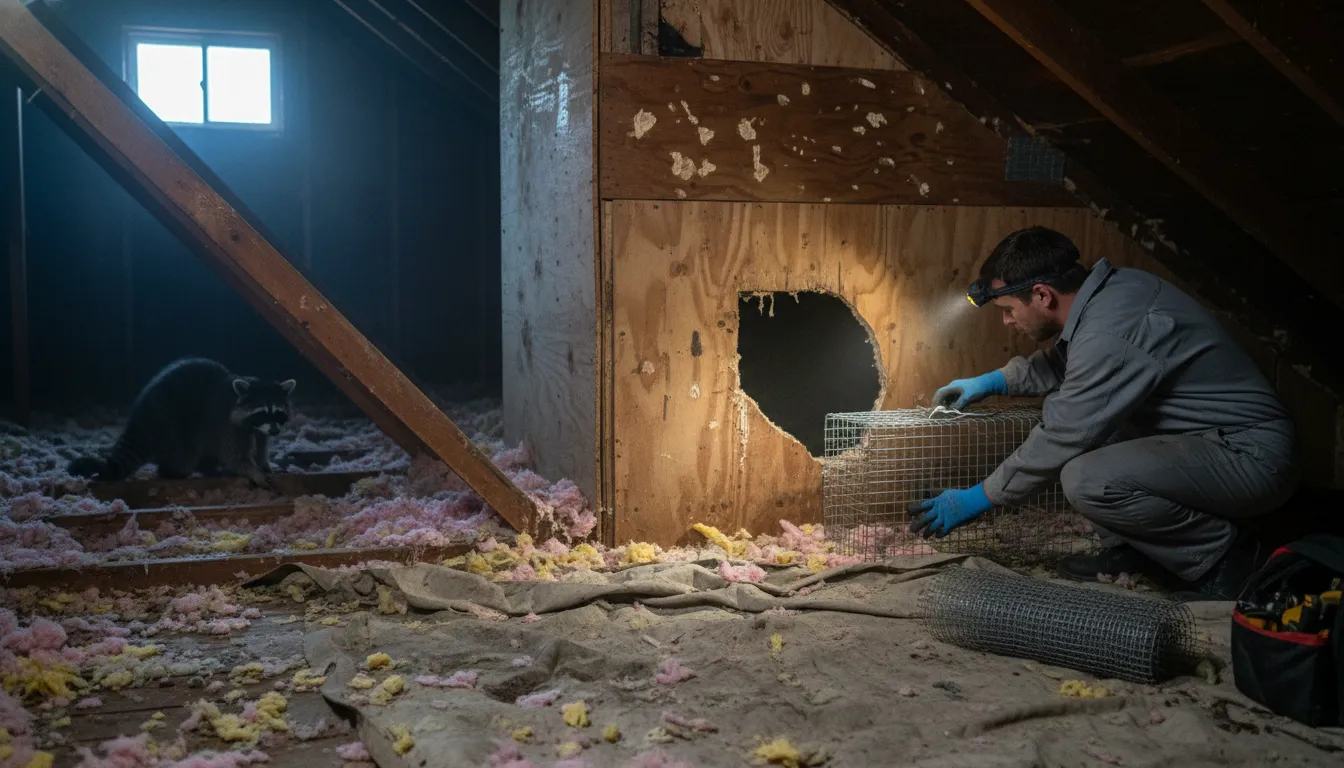
Find the Best Wildlife Removal Companies for Your Business
No obligation • Fast responses • Nationwide coverage

Why you can trust Pest Crews
Pest Crews is a leading U.S. resource for finding and evaluating residential and commercial pest control services. Our team researches providers, reviews treatment approaches, and organizes unbiased information to help you make informed decisions. Companies cannot pay to change our editorial content or influence how they appear.
Search providers near you
Top Wildlife Removal Companies in Fort Collins, Colorado Ranked
Living in Fort Collins means enjoying a beautiful landscape where the city meets nature. However, this proximity can sometimes lead to uninvited wildlife guests in your home, attic, or yard. Wildlife removal, also known as animal control or nuisance wildlife management, is the process of safely and legally addressing conflicts with wild animals that have become a problem. This matters because improper handling can harm you, your property, or the animals, and Colorado has specific laws governing how wildlife can be managed. This guide will help you understand your options, from do-it-yourself prevention to when it's time to call a professional wildlife removal service, so you can find the right local expertise for your specific situation.
Front Range Pest and Wildlife Control
301 Callie Ct, Loveland, CO 80537
Front Range Pest and Wildlife Control is a pest and wildlife removal company based in Fort Collins, CO. They specialize in controlling rodents, bees, wasps, birds, and other wildlife that may invade homes or businesses. Their services include identifying and managing various pests such as bats, squirrels, raccoons, yellowjackets, and birds, with a focus on detailed inspection and removal. The company is experienced in handling noises and signs of infestation to accurately determine the pest type and provide appropriate control measures.
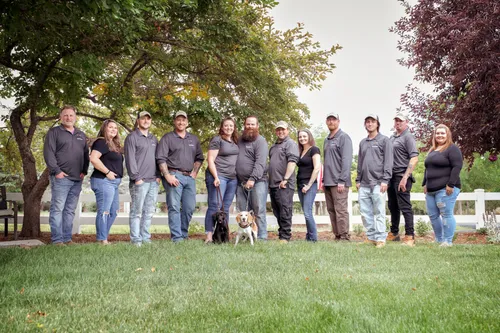
Northern Colorado Pest and Wildlife Control
2881 S 31st Ave Unit #12, Greeley, CO 80631
Northern Colorado Pest and Wildlife Control is a family-run company based near Fort Collins, CO, specializing in pest and wildlife management for homes and businesses. They serve a broad area including Fort Collins and surrounding Northern Colorado communities, extending up to the Wyoming border. Their services include inspections, treatments, and prevention of pests such as bed bugs, using an Integrated Pest Management approach that emphasizes exclusion, habitat modification, and education. Owner Brandon Ewals has been in the industry since 2004 and holds degrees in Wildlife Biology and Entomology. The company uses insecticides that are safe for people and pets and complies with state and federal laws for humane wildlife relocation.
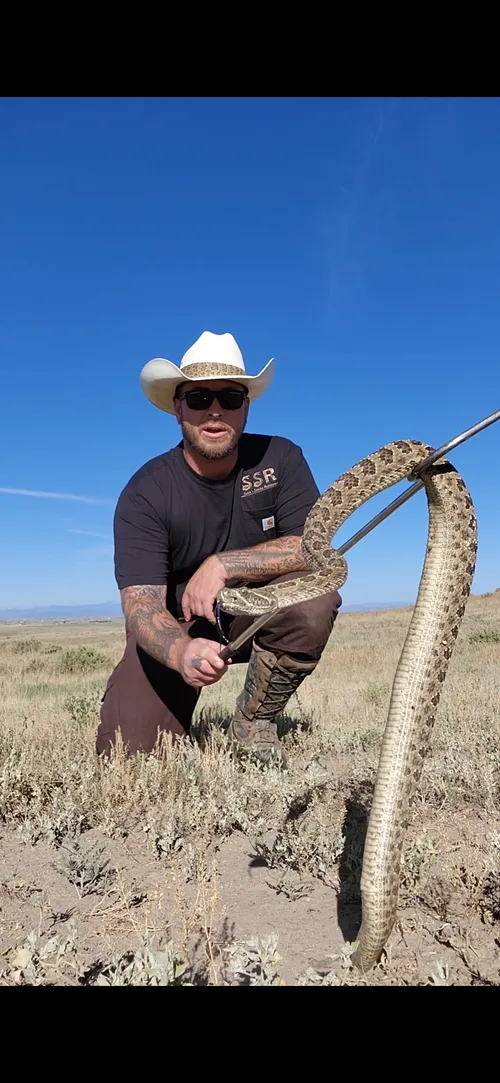
SSR Seth's Snake Removal
Fort Collins, CO
SSR Seth's Snake Removal is a Marine Corps Veteran owned company based in Fort Collins, CO. They specialize in snake removal and exclusion services for both residential and commercial properties in Northern Colorado. Their services include snake removal from interiors and exteriors, home exclusion, one-way doors, snake trapping, and rodent control for various species such as Norway rats, wood rats, house mice, deer mice, voles, and pocket gophers. SSR offers both one-time and ongoing services tailored to client needs. They provide 24-hour emergency service for venomous snakes and are available on call during evenings and weekends.
Orkin
2415 E Mulberry St Ste 9, Fort Collins, CO 80524
Orkin provides residential and commercial pest control services in Fort Collins, CO. With over 120 years of experience, they handle a wide range of pests including bed bugs, cockroaches, ants, rodents, termites, mosquitoes, and stinging insects. Orkin offers customized pest management plans tailored to local pest behavior and seasonal changes. Their termite control includes inspections and treatments such as Sentricon bait and liquid barriers. The company operates 24/7, providing flexible scheduling and next-day service to address pest issues promptly.
Iconic Pest Solutions
Fort Collins, CO
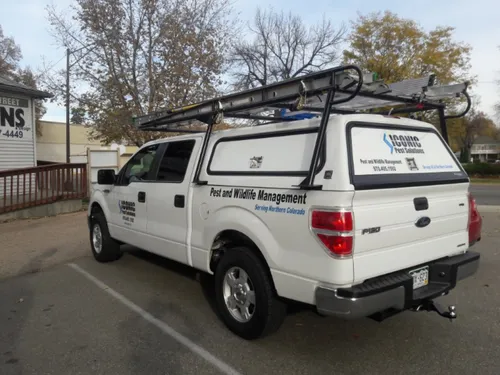
Iconic Pest Solutions is a locally owned pest control company serving Fort Collins, CO, and the broader Northern Colorado region. They offer a range of services including pest control for ants, cockroaches, rodents, termites, wasps, hornets, and wildlife such as birds and bats. Their expertise includes humane wildlife removal and termite treatments designed to protect properties from damage. The company is owner-operated, providing personalized service without long-term contracts, and serves both residential and commercial clients across Northern Colorado.
Understanding Nuisance Wildlife in Fort Collins
In Colorado, wildlife is considered a public resource managed by the state. When animals like raccoons, squirrels, or bats enter your home, they are typically classified as "nuisance wildlife." It's important to know that as a property owner, the responsibility for deciding if an animal is a nuisance and for addressing the problem falls on you, but you must operate within state and local regulations. Colorado Parks and Wildlife (CPW) provides guidance and issues permits but does not physically remove animals from private property.
The goal of humane wildlife control is not just to remove the animal but to solve the conflict permanently. This often involves a combination of exclusion (sealing entry points), habitat modification (removing food sources), and sometimes trapping and relocation under strict rules.
Common Problem Species in Northern Colorado
Fort Collins residents may encounter a variety of wildlife seeking shelter or food. Knowing which animal you're dealing with is the first step toward an effective solution.
Mammals:
- Raccoons: Intelligent and dexterous, they often target attics, chimneys, and trash cans.
- Squirrels (Tree & Fox): A frequent cause of attic noises, they chew entry holes and can damage wiring.
- Bats: Small colonies may roost in attics or wall voids. They are protected, and exclusion has seasonal restrictions.
- Mice & Rats: Common year-round pests that seek warmth and food in garages, basements, and crawlspaces.
- Coyotes: Generally wary of humans but can be attracted to pet food, fallen fruit, or small pets left unattended.
- Other: Residents may also deal with rabbits, gophers, marmots, and voles damaging gardens and lawns 1.
Birds:
- Woodpeckers: Can cause significant damage to wood siding while searching for insects or establishing territory.
- Starlings, Pigeons, & Crows: Often nest in vents, on ledges, or in barns, creating noise and mess 2.
What Homeowners Can Do: DIY Prevention & Legal Trapping
Before a situation becomes an infestation, there are several effective and legal steps you can take.
Proactive Prevention is Key
The most effective wildlife control is preventing access in the first place.
- Seal Entry Points: Carefully inspect your home's exterior, especially the roofline, vents, and foundation. Seal any holes or gaps with sturdy materials like hardware cloth, steel wool, or caulk. Remember, a mouse can fit through a hole the size of a dime.
- Remove Food Sources: Secure trash cans with locking lids, bring pet food indoors at night, clean up fallen birdseed and fruit, and consider fencing for vegetable gardens.
- Use Deterrents: Motion-activated lights or sprinklers can discourage animals from frequenting specific areas. For birds, visual deterrents like reflective tape may offer temporary relief.
Legal Trapping Guidelines in Colorado
If prevention fails and trapping is necessary, state law provides clear, humane guidelines. For many common species, you can use a live trap (cage or box trap) on your own property without a permit, but you must notify CPW.
- Allowed with Specific Relocation Rules:
- Tree squirrels and rabbits may be relocated up to 10 miles from the capture site.
- Raccoons may only be relocated within 2 miles of the capture site.
- Must Be Killed or Released On-Site: Other furbearers and small game animals (like skunks or coyotes) caught in a live trap must be either humanely euthanized or released immediately on the property where they were caught. They cannot be relocated without a special permit.
- Safety First: Always wear heavy gloves and protective clothing when approaching a trap. To calm a trapped animal, you can gently cover the cage with a towel.
Find the perfect wildlife removal companies for your needs
Get personalized recommendations and expert advice
When to Call for Professional Wildlife Control Assistance
While DIY methods work for minor issues, certain situations require the expertise of a professional animal removal service.
You should contact a professional when:
- The infestation is severe or involves multiple animals.
- You are unsure of the species or how they are entering.
- The animals are in a dangerous or hard-to-reach area (like inside a wall or chimney).
- You are dealing with bats during maternity season (June through mid-August), when exclusion is prohibited by law to protect flightless young.
- You need complex exclusion work or repairs to damaged structures.
- You are uncomfortable handling traps or dealing with wildlife directly.
Who to Contact:
- For Professional Removal: Search for licensed and insured local wildlife control operators who understand Colorado's laws.
- For Regulations & Permits: Contact Colorado Parks and Wildlife (CPW) at 970-472-4300 (Monday-Friday, 8 a.m.-5 p.m.). For after-hours issues, you can be directed via the Colorado State Patrol.
- For Animal Control Services: NOCO Humane handles Animal Protection for Fort Collins. Call 970-226-3647, ext. 7, for issues like deceased animals in the roadway, injured or orphaned wildlife reports, or domestic animal problems 3 4.
Understanding Local Regulations & Key Laws
Navigating the legal landscape is crucial for both DIY and professional wildlife management in Fort Collins.
- Landowner Responsibility: You have the right to address nuisance wildlife on your property, but you must follow all state methods and regulations.
- CPW's Role: CPW is a regulatory and guidance agency, not a removal service. They provide technical advice and issue the necessary permits for certain actions 5.
- Trapping Methods: The use of lethal traps (like leg-hold or body-gripping traps) generally requires a permit and specific training. Most residents will use live cage traps, which have their own set of rules as outlined above 6 7.
- Protected Seasons: Special protections apply to certain animals. The bat maternity season restriction is a prime example where good intentions can break the law if exclusion is done at the wrong time 8 9.
What to Expect: Wildlife Removal Services & Costs
Professional wildlife control services typically follow an integrated process: inspection, removal, exclusion, and cleanup/repair. Costs in Fort Collins vary widely based on the species, extent of the problem, and the repairs needed.
A typical service call for inspection, live trapping, and sealing a few entry points might range from $200 to $600 or more 10 11. More complex jobs, like excluding a bat colony from an entire attic, removing contaminated insulation, and performing sanitization, or addressing extensive woodpecker damage, can cost significantly more 12 13 11.
The final price is influenced by:
- Species: Bats and woodpeckers often require more specialized techniques.
- Infestation Size: A family of raccoons is more work than a single squirrel.
- Access Difficulty: A high-pitched roof or tight crawlspace adds labor.
- Repair Needs: The cost of materials and labor to repair chewed wires, damaged vents, or soiled insulation.
Frequently asked questions
Sources
Footnotes
-
Animal Control Fort Collins - NOCO Pest & Wildlife Control - https://www.nocopwcontrol.com/animal-control-fort-collins/ ↩
-
Humane Animal Removal Service Fort Collins - https://www.nocopwcontrol.com/humane-animal-removal-service-fort-collins/ ↩
-
Animal Protection & Control - Fort Collins - NOCO Humane - https://www.nocohumane.org/animal-control/fort-collins/ ↩
-
Animal Protection & Control - Larimer County - NOCO Humane - https://www.nocohumane.org/animal-control/larimer-county-2/ ↩
-
Fort Collins Wildlife Removal, Pest Animal Control CO - http://www.wildlife-removal.com/city/CO-Fort-Collins.htm ↩
-
Nuisance Wildlife Laws in Colorado - Pueblo County - https://county.pueblo.org/sites/default/files/2022-04/CPW%20Nuisance%20Wildlife%20Laws.pdf ↩
-
Commonly Asked Questions about Laws About Nuisance ... - https://hermes.cde.state.co.us/islandora/object/co%3A9694/datastream/OBJ/download/Commonly_asked_questions_about_laws_about_nuisance_wildlife_in_Colorado.pdf ↩
-
Common Human-Wildlife Conflict Species | Colorado Parks and Wildlife - https://cpw.state.co.us/nuisance-wildlife ↩
-
Nuisance wildlife laws in Colorado - https://cpw.cvlcollections.org/items/show/176 ↩
-
Protect Your Home from Wildlife | Colorado Parks and Wildlife - https://cpw.state.co.us/protect-your-home-wildlife ↩
-
Wildlife removal cost: What you need to know - https://azbigmedia.com/lifestyle/wildlife-removal-cost-what-you-need-to-know/ ↩ ↩2
-
Fort Collins Humane Wildlife Control - https://wildlifeandpest.com/colorado-wildlife-control/fort-collins-wildlife-control.html ↩
-
Colorado Nuisance Wildlife - Reliable Pest Control & Tree Care - https://above-and-beyond-services.com/understanding-common-colorado-nuisance-wildlife/ ↩