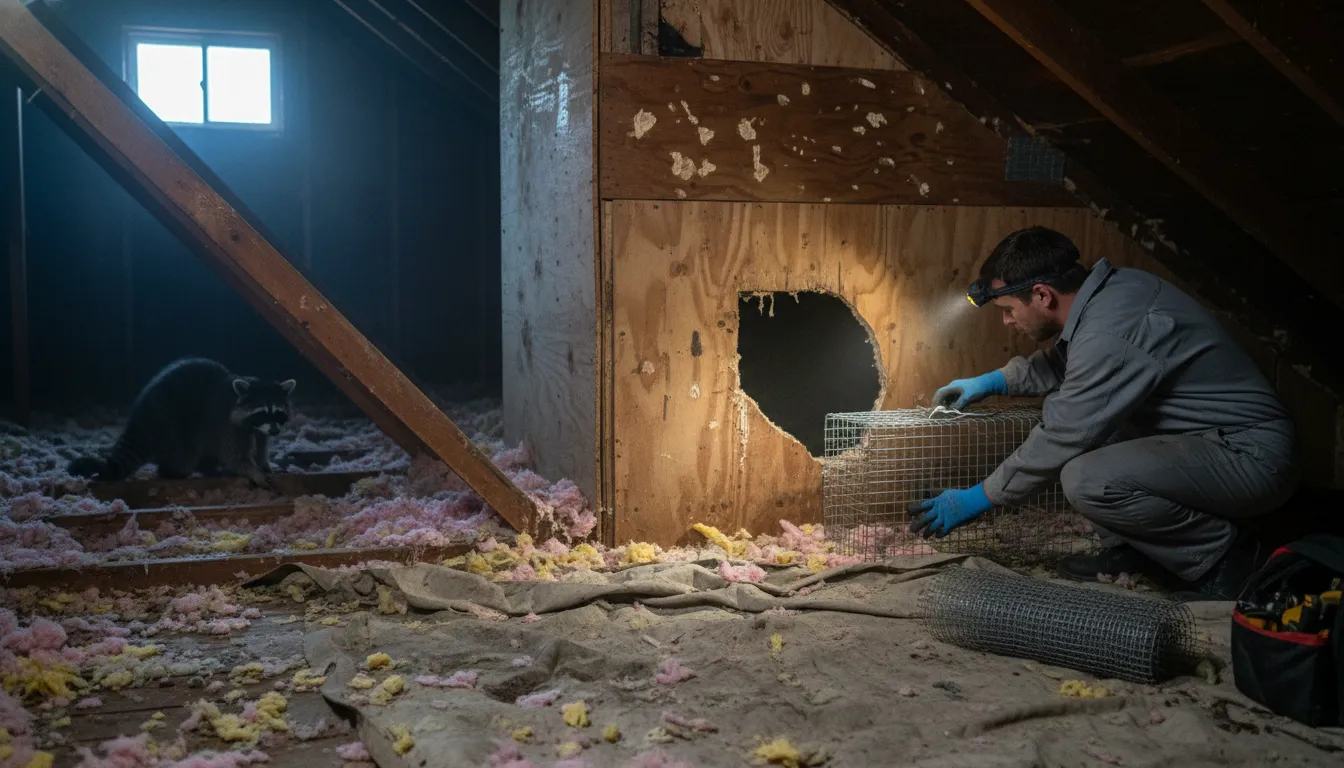
Find the Best Wildlife Removal Companies for Your Business
No obligation • Fast responses • Nationwide coverage

Why you can trust Pest Crews
Pest Crews is a leading U.S. resource for finding and evaluating residential and commercial pest control services. Our team researches providers, reviews treatment approaches, and organizes unbiased information to help you make informed decisions. Companies cannot pay to change our editorial content or influence how they appear.
Search providers near you
Top Wildlife Removal Companies in Centennial, Colorado Ranked
Living in Centennial means sharing our beautiful Front Range landscape with a variety of native wildlife. While this is part of Colorado's charm, it can lead to conflicts when animals like coyotes, raccoons, or squirrels decide your attic, garden, or trash cans are part of their territory. Professional wildlife removal is the specialized process of humanely and legally resolving these conflicts by excluding animals from structures and managing their presence on your property. It's essential for protecting your home from damage and ensuring the safety of your family and pets. This guide will help you understand your options, local regulations, and how to connect with qualified experts in Centennial who can assess your situation and implement an effective solution.
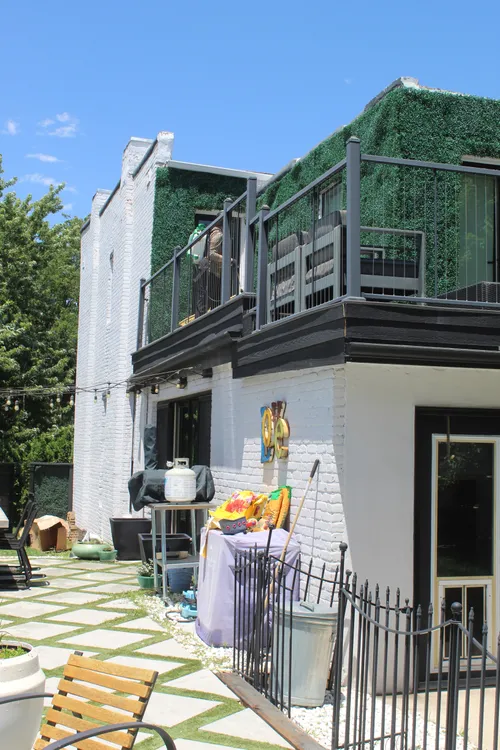
Advantage Pest Management
7270 Gilpin Way Ste 190, Denver, CO 80229
Advantage Pest Management is a pest control company based in Denver, CO, offering services for a wide range of pests including cockroaches, ants, rodents, mosquitoes, bees, wasps, and wildlife removal. They serve the Denver Metro Area with flexible scheduling and guaranteed treatments. The company is known for its ability to handle various pest problems efficiently and provides same-day service options. Advantage Pest Management emphasizes customer satisfaction with a guarantee to re-treat if results are unsatisfactory.
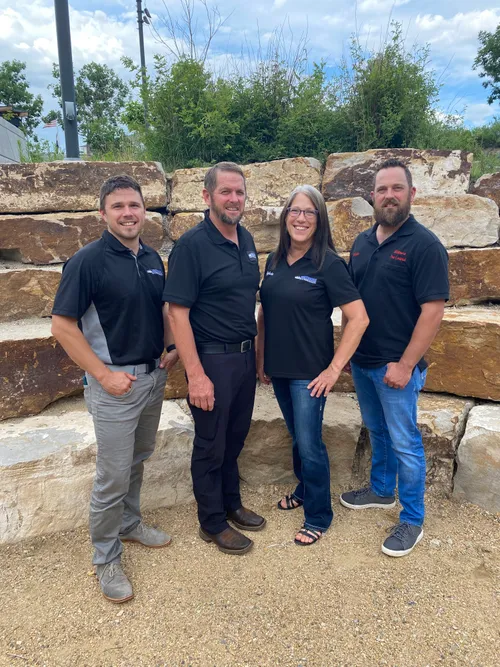
Whitmore Pest & Wildlife Control of Castle Rock
935 S Lindsey St, Castle Rock, CO 80104
Whitmore Pest & Wildlife Control of Castle Rock provides pest and wildlife management services in Denver, CO. They offer residential and commercial pest control solutions including bed bug treatment, rodent control, wasp and stinging insect removal, spider extermination, and more. Their approach uses integrated pest management techniques that focus on long-term prevention with targeted treatments and environmental modifications. Whitmore Pest & Wildlife Control emphasizes family-friendly treatments and contract-free services. They also work to protect honeybees by relocating hives safely when possible.
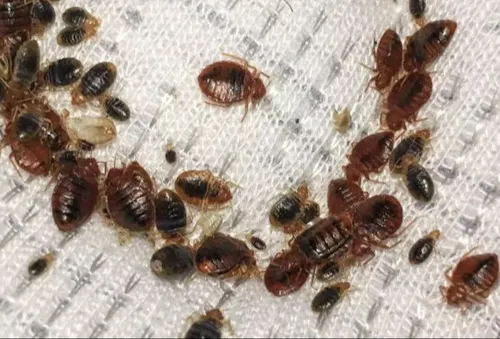
Environmental Pest Control Inc.
304 W Colfax Ave, Denver, CO 80204
Environmental Pest Control Inc. is a pest control company based in Denver, CO, offering services for both residential and commercial properties. They specialize in treatments for a wide range of pests including bed bugs, ants, cockroaches, rodents, termites, mosquitoes, bees, wasps, birds, and wildlife. Their approach includes targeted pest management based on thorough inspections and eco-friendly methods to ensure safety for clients and the environment. The company also provides humane bird control and wildlife removal services through trusted partners. Environmental Pest Control Inc. has been serving the Denver area for several years and offers 24/7 availability for urgent pest issues.
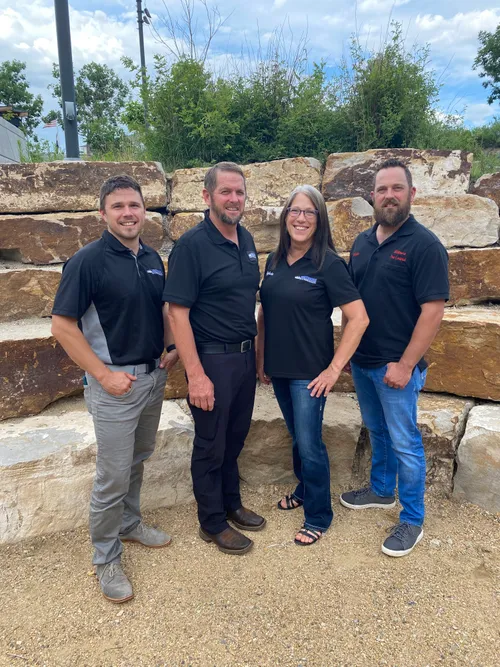
Whitmore Pest & Wildlife Control of Littleton
3911 Norwood Dr UNIT L, Littleton, CO 80125
Whitmore Pest & Wildlife Control of Littleton provides pest and wildlife control services in Denver, CO. They handle a variety of pests including ants, roaches, spiders, rodents, bed bugs, and stinging insects like wasps and hornets. The company also offers cleaning and disinfecting services to sanitize properties after pest removal. Whitmore has been serving the area since 2011 and focuses on family and pet-friendly treatments. Their services include thorough inspections, pest removal, and preventive measures to reduce future infestations.
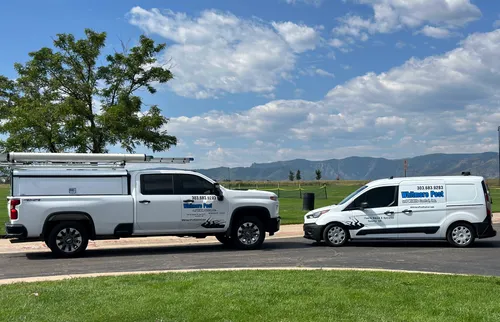
Whitmore Pest & Wildlife Control of Denver
350 S Garfield St Unit 1, Denver, CO 80209
Whitmore Pest & Wildlife Control of Denver provides pest and wildlife removal services in Denver, CO. They handle a variety of pests including bed bugs, cockroaches, ants, rodents, and birds. Their services include interior and exterior treatments, entry point repair, and prevention measures. Whitmore offers comprehensive pest control solutions combined with wildlife removal and property repair, all managed under one service. The company is locally owned and operated, focusing on convenient and affordable service with flat monthly billing.
Common Nuisance Wildlife in Centennial
Centennial's mix of suburban neighborhoods, open spaces, and proximity to natural habitats creates ideal conditions for many species. Knowing which animal you're dealing with is the first step toward an effective resolution.
Mammals:
- Coyotes: Highly adaptable and common, they can prey on small pets and become bold if food is available.
- Raccoons: Intelligent and dexterous, they are notorious for tipping over trash cans and seeking shelter in attics, chimneys, or under decks.
- Tree Squirrels & Ground Squirrels: These rodents often enter homes through small openings in eaves or roofs to nest in attics, where they can chew on wires and insulation.
- Skunks: Usually seeking shelter under sheds or porches, their defensive spray is a well-known hazard.
- Other Species: You may also encounter marmots, prairie dogs, rabbits, porcupines, or muskrats, depending on your property's location near waterways or open fields.
Birds:
- Magpies, Crows, & Starlings: These birds can be noisy, messy, and sometimes aggressive during nesting season.
- Pigeons: Often nest on building ledges, rafters, and bridges, where their droppings can damage property and pose health concerns.
Understanding Colorado's Wildlife Laws
Before taking any action, it's crucial to understand the legal framework. Wildlife in Colorado is managed by Colorado Parks & Wildlife (CPW), and local ordinances also apply.
Key Regulations:
- Landowner Rights: Colorado law allows property owners to take action against certain species that are causing damage to their property without a permit. This includes coyotes, raccoons, skunks, and certain rodents 1. However, "taking action" is strictly defined and local laws (like those prohibiting firearm discharge within city limits) must be followed.
- Permit Requirements: For most other species, and for trapping and relocating any wildlife, a permit from CPW is generally required 2. Live traps are often mandated, and there are strict rules about how far an animal can be relocated (e.g., raccoons typically cannot be released more than two miles from the capture site) 2 3.
- Protected Species: Many birds, bats, and other mammals are fully protected by state and federal law. It is illegal to harm or trap them without specific federal permits.
When to Call the City: The City of Centennial's Animal Services department should be contacted for immediate public safety concerns, such as an aggressive, sick, or injured animal on public property 4. For general nuisance issues on private property, you will typically need to contact a professional or CPW.
Prevention and Do-It-Yourself Strategies
The most effective long-term solution is to make your property less attractive to wildlife. Many conflicts can be prevented or minimized with proactive measures.
Exclusion and Habitat Modification:
- Secure Food Sources: Keep trash cans in a garage or use locking lids. Never leave pet food outdoors. Clean barbecue grills and remove fallen fruit from trees.
- Seal Entry Points: Conduct a thorough inspection of your home's exterior. Seal any holes, cracks, or gaps in the roof, siding, or foundation with sturdy materials like steel wool, hardware cloth, or concrete. Pay special attention to areas where utility lines enter the home.
- Install Fencing: To deter deer and coyotes, install tall fencing (at least 6 feet high) and bury the bottom 18-24 inches to prevent digging 5.
- Manage Landscaping: Trim tree branches that overhang your roof. Keep woodpiles and dense brush away from your home's foundation.
Safe Hazing Techniques: For coyotes that have become too comfortable in your yard, "hazing" is a recommended non-lethal method to reinstill their natural fear of humans. This involves making yourself appear large and loud:
- Yell, wave your arms, and use noisemakers like air horns or pots and pans.
- Throw small rocks or tennis balls in the animal's direction (not directly at it).
- Always pick up small pets and children, and never turn your back or run 6.
Find the perfect wildlife removal companies for your needs
Get personalized recommendations and expert advice
When to Hire a Professional Wildlife Control Operator
While some prevention is manageable, professional intervention is often necessary for safe, legal, and permanent results. Consider calling a licensed wildlife removal specialist in these situations:
- An animal is inside your living space, such as a raccoon in the chimney or squirrels in the attic.
- You suspect bats are roosting in your attic. Bats are protected and require very specific handling.
- The problem involves extensive damage, like chewed electrical wires or compromised structural integrity.
- You are unsure of the species or the applicable laws and permit requirements.
- DIY methods have failed, and the nuisance behavior continues.
- You are uncomfortable dealing with wildlife directly due to risks of disease (like rabies) or injury.
Professional operators have the expertise to correctly identify the species, understand the full scope of the infestation, and employ the most effective and humane removal techniques. Critter control services also specialize in exclusion-the process of not only removing the animals but also sealing all potential entry points to prevent future problems 7.
What to Expect: The Professional Process and Costs
A reputable wildlife control service will follow a systematic approach.
- Inspection and Assessment: A specialist will visit your property to identify the animal, locate entry points, and assess the damage. This consultation typically has a fee, often ranging from $100 to $150, which is usually applied toward the total service cost if you proceed 8 9 10.
- Removal Plan: They will present a plan that includes the removal method (often using live traps), a timeline, and an explanation of relevant regulations.
- Humane Removal and Exclusion: Animals are removed according to CPW regulations. The critical next step is exclusion work: permanently sealing all entry points with durable materials to prevent re-entry. This is what differentiates true wildlife control from simple trapping.
- Clean-up and Repair: Many companies offer sanitization services to clean up droppings and urine, as well as repair damage caused by the animals (e.g., replacing insulation, fixing chewed wood).
Cost Factors: Total costs vary widely based on the animal, the severity of the infestation, and the extent of repairs needed. Simple squirrel removal with basic exclusion may start in the few hundred dollar range, while complex raccoon or bat infestations requiring major exclusion and repair work can cost significantly more.
Finding the Right Service in Centennial
When searching for wildlife removal help, ensure you are hiring a qualified professional.
- Verify Licenses: Ask if the company holds the necessary state and local business licenses. While Colorado does not have a specific "wildlife control" license for companies, reputable ones will be fully licensed general contractors or pest control operators.
- Check Insurance: Always hire an insured company to protect yourself from liability.
- Ask About Methods: Inquire about their removal and exclusion techniques. They should emphasize humane, legal methods and permanent exclusion.
- Get a Detailed Quote: A written estimate should break down inspection, removal, exclusion, and repair costs.
- Consult CPW: The Colorado Parks & Wildlife website is an excellent resource for understanding your rights and for general guidance before you make a call 11.
Frequently asked questions
Sources
Footnotes
-
Commonly Asked Questions about Laws About Nuisance ... - https://hermes.cde.state.co.us/islandora/object/co%3A9694/datastream/OBJ/download/Commonly_asked_questions_about_laws_about_nuisance_wildlife_in_Colorado.pdf ↩
-
Nuisance Wildlife Laws in Colorado - Pueblo County - https://county.pueblo.org/sites/default/files/2022-04/CPW%20Nuisance%20Wildlife%20Laws.pdf ↩ ↩2
-
Nuisance Wildlife Laws in Colorado - Boulder County Extension - https://boulder.extension.colostate.edu/wp-content/uploads/sites/7/2020/01/NuisanceWildlife.pdf ↩
-
Animal Services - City of Centennial - https://www.centennialco.gov/Government/Departments/Animal-Services ↩
-
Protect Your Home from Wildlife | Colorado Parks and ... - https://cpw.state.co.us/protect-your-home-wildlife ↩
-
Living with Wildlife | Colorado Parks and ... - https://cpw.state.co.us/living-wildlife ↩
-
Wildlife Removal in Denver - Critter Control - Free Quotes - https://www.crittercontrol.com/office-finder/colorado/denver/ ↩
-
Centennial Wildlife Animal Control - Nuisance Critter Removal - http://www.wildlifeanimalcontrol.com/Centennial.html ↩
-
Management Programs - Colorado Critter Control - https://www.coloradocrittercontrol.com/residential/management-programs/ ↩
-
Wildlife Control & Exclusion - Call Our Denver Exterminators - https://www.coloradopestmanagement.com/wildlife-control-exclusion/ ↩
-
Common Human-Wildlife Conflict Species | Colorado Parks and Wildlife - https://cpw.state.co.us/nuisance-wildlife ↩