Find the Best Wildlife Removal Companies for Your Business
No obligation • Fast responses • Nationwide coverage

Why you can trust Pest Crews
Pest Crews is a leading U.S. resource for finding and evaluating residential and commercial pest control services. Our team researches providers, reviews treatment approaches, and organizes unbiased information to help you make informed decisions. Companies cannot pay to change our editorial content or influence how they appear.
Search providers near you
Top Wildlife Removal Companies in East Honolulu, Hawaii Ranked
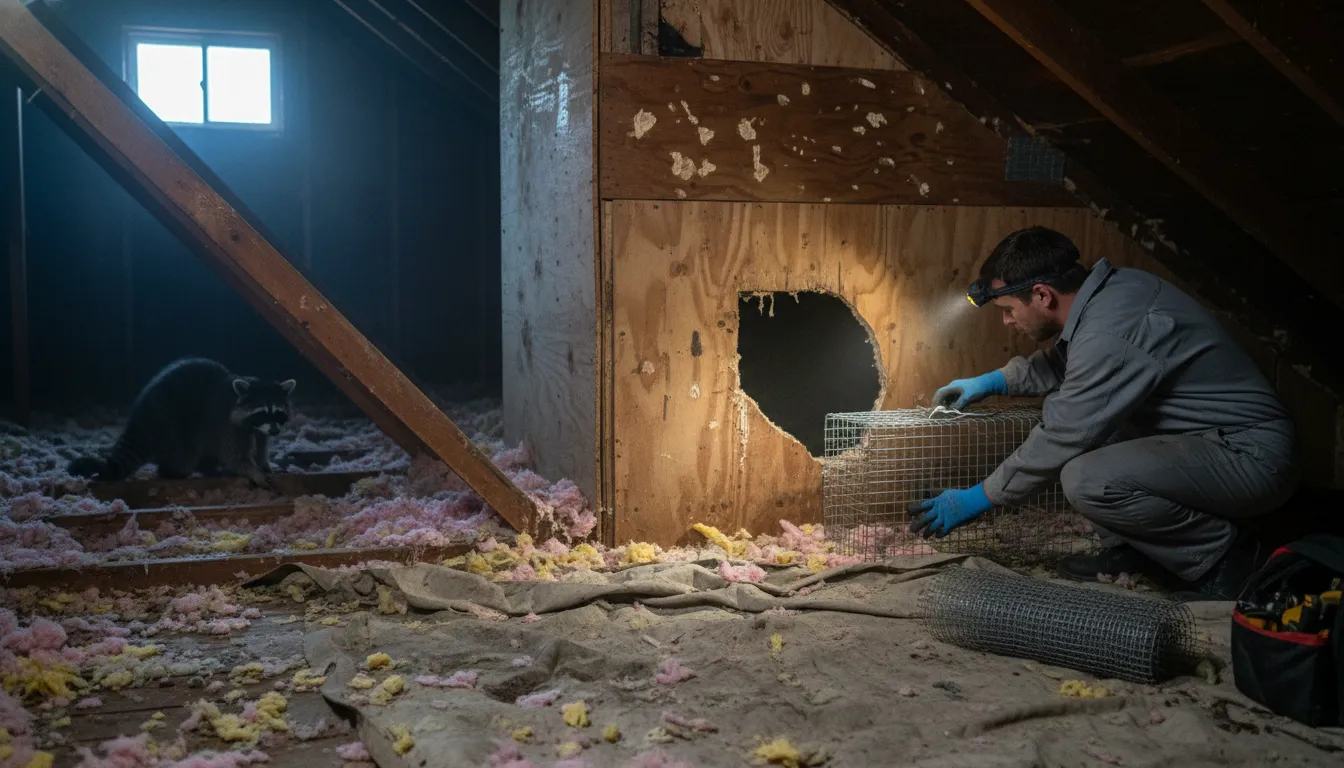
Living in East Honolulu means enjoying a unique blend of urban life and natural beauty, but it also means sharing your space with a variety of local wildlife. When animals like mongoose, feral chickens, or rats decide your property is their new home, it can lead to significant damage, health concerns, and noise issues. Professional wildlife removal and animal control services are essential for addressing these conflicts safely, humanely, and in compliance with strict state laws. This guide will help you understand the common nuisance species, your legal options, and how to connect with licensed experts in East Honolulu who can resolve your wildlife problem effectively.
Terminix
99-1410B Koaha Pl, Aiea, HI 96701
Terminix provides pest control and termite inspection services in Honolulu, HI, including Aiea and surrounding areas. The company offers treatments for a wide range of pests such as bed bugs, termites, rodents, mosquitoes, wasps, ants, and cockroaches. Terminix uses Integrated Pest Management strategies to reduce pests while minimizing environmental impact. They provide comprehensive termite inspections and targeted treatments to protect homes from damage. With nearly 100 years of experience, Terminix combines local expertise with support from entomologists and a network of technicians to address seasonal pest challenges effectively.
Terminix Commercial
99-1410B Koaha Pl Suite 2, Aiea, HI 96701
Terminix Commercial provides pest control services in Honolulu, HI, specializing in managing ants, spiders, termites, bed bugs, roaches, rodents, and wildlife. Their local technicians understand the specific pest challenges in the area and offer termite inspections, rodent prevention, and bed bug treatments. The company is supported by a nationwide network of expertise, ensuring comprehensive pest management tailored to seasonal pest activity.
Sandwich Isle Pest Solutions
96-1385 Waihona St building a, Pearl City, HI 96782
Sandwich Isle Pest Solutions is a pest control company based in Honolulu, HI, serving Pearl City and surrounding areas including Mililani, Waipahu, Kailua, Kaneohe, and Kapolei. They offer a wide range of services such as bed bug treatment, termite control, mosquito control, wildlife removal, and commercial pest management. The company uses proven removal methods combined with the latest technology to address pest issues effectively. Established in 1997, Sandwich Isle Pest Solutions is locally managed and QualityPro certified, reflecting their commitment to meeting rigorous industry standards.
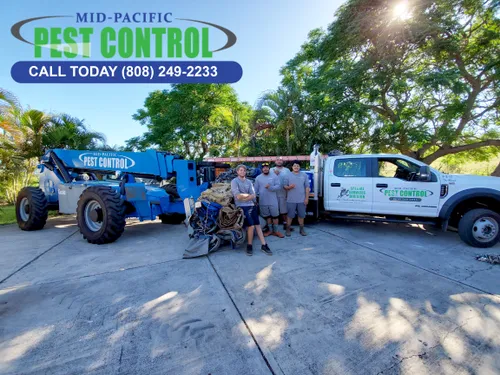
Mid-Pacific Pest Control Oahu
96-1173 Waihona St # B6, Pearl City, HI 96782
Mid-Pacific Pest Control Oahu is a pest control company based in Honolulu, HI, offering a wide range of services for both residential and commercial properties. With over 25 years of experience, they handle infestations of bed bugs, ants, roaches, termites, and wildlife, using non-toxic sprays, heat therapy, fumigation, and certified inspections. Their termite treatment focuses on detection, elimination, and prevention to protect structural integrity. They also provide humane wildlife and bird control solutions to manage and remove unwanted animals safely.
Menehune Pest Management - Honolulu HI
2020 Kahai St, Honolulu, HI 96819
Menehune Pest Management - Honolulu HI is a family-owned pest control company serving Honolulu, HI. Established in 2013, they specialize in managing a wide range of pest issues including bed bugs, cockroaches, ants, rodents, mosquitoes, bees, wasps, birds, and other wildlife. The company follows current industry standards to ensure safe and effective treatments for clients, pets, and the environment. They provide onsite evaluations and discuss treatment options tailored to each situation.
Common Nuisance Animals in East Honolulu
The unique ecosystem of Oahu presents specific wildlife challenges for homeowners. Understanding which animals are most likely to cause problems is the first step toward effective management.
- Mongoose: Introduced to the islands in the 19th century, these agile predators are notorious for raiding chicken coops, gardens, and even threatening small pets. Their burrowing can also undermine structures and landscaping.
- Feral Chickens: A ubiquitous sight across Hawaii, feral chickens can create persistent noise disturbances, especially in the early morning hours. They scratch up gardens, leave droppings on patios and walkways, and can attract other pests.
- Rats and Mice: Rodents are common structural pests in East Honolulu. They seek shelter in attics, wall voids, and crawl spaces, gnawing on wires (a fire hazard), contaminating insulation with droppings, and damaging stored items. Effective control requires expert exclusion to seal entry points.
- Nuisance Birds: Species like pigeons, mynah birds, and starlings can roost on buildings, creating unsanitary conditions with their droppings, which can damage property and pose health risks. Their nests can also block gutters and vents.
Hawaii's Wildlife Regulations: What You Need to Know
Before attempting any animal control on your own, it is crucial to understand local and state regulations. Hawaii has stringent laws designed to protect its ecosystem, and violating them can result in significant penalties.
The primary regulation is Hawaii Administrative Rules (HAR) § 13-126-23, which generally prohibits the "introducing, removing, injuring, taking, or killing of any animal" without a permit from the Department of Land and Natural Resources (DLNR) or the Board of Agriculture 1. This means that trapping, relocating, or harming most wildlife-even invasive species like mongoose-typically requires a permit and is best left to licensed professionals 1.
The Division of Forestry and Wildlife (DOFAW) oversees permits for wildlife issues, and the Plant Industry Division provides guidelines for animal importation and control, underscoring the state's careful approach to its unique fauna 2 3.
Legal Do-It-Yourself Prevention Strategies
While active removal is restricted, homeowners are encouraged and allowed to implement proactive, humane deterrents to make their property less attractive to wildlife. These prevention methods are your first and most important line of defense.
- Seal Entry Points: Conduct a thorough inspection of your home's exterior. Seal any gaps, holes, or cracks in siding, roofs, and foundations with durable materials like hardware cloth, steel wool, or concrete. Pay special attention to areas where utility lines enter the home 4.
- Remove Attractants: Wildlife is drawn to food, water, and shelter. Secure trash cans with tight-fitting lids, clean up fallen fruit from trees promptly, and avoid leaving pet food outdoors overnight. Trim back tree branches and dense vegetation that touches your house to eliminate animal highways.
- Employ Humane Deterrents: Motion-activated devices can be highly effective. Sprinklers, lights, or ultrasonic emitters can startle animals and encourage them to leave without harm. These are particularly useful for gardens and specific activity zones.
- Install Physical Barriers: Protect prized gardens with secure fencing that extends underground to prevent digging. Use chimney caps and vent covers to block access to interior spaces.
Find the perfect wildlife removal companies for your needs
Get personalized recommendations and expert advice
When to Call a Professional Wildlife Control Operator
There are clear situations where do-it-yourself methods are insufficient or illegal, and professional intervention is necessary. Licensed wildlife control operators in East Honolulu have the expertise, specialized equipment, and legal permits to handle these scenarios.
- When DIY Prevention Fails: If you've secured attractants and sealed entry points but still have active wildlife indoors or causing damage, a professional assessment is needed. They can identify less obvious entry points and persistent attractants.
- For Active Infestations Inside Structures: Animals like rats in the attic or mongoose under the deck often require specialized trapping and removal techniques that comply with state law. Professionals ensure humane handling and proper disposal or relocation where permitted.
- When Noise Becomes a Nuisance: Continuous animal noise, such as a rooster crowing at all hours or a colony of birds, can violate local nuisance ordinances. The Hawaii Department of Health and county codes address noise disturbances that affect the peace and well-being of a community 5. Professionals can implement solutions to mitigate these issues.
- For Safety and Health Hazards: If wildlife poses a direct threat-such as animals acting aggressively, a suspected rabid animal, or a large infestation creating unsanitary conditions-contact professionals or Honolulu Animal Control immediately for safety and health hazards 6.
Understanding Wildlife Removal Services and Costs
Engaging a professional wildlife control service in East Honolulu typically involves a multi-step process. Costs can vary widely based on the animal involved, the extent of the infestation, and the size of your property.
The process usually begins with a thorough inspection and consultation, which can cost between $100 and $200. This visit allows the expert to identify the species, locate entry points, and assess the scope of the problem.
Following the inspection, a comprehensive plan is developed. This often includes:
- Trapping and Removal: For animals like mongoose or rats, humane trapping and removal services can range from $200 to over $600, depending on the number of traps needed and the duration of service.
- Exclusion Work: The most critical long-term solution is sealing the animal out for good. This involves repairing damage and installing barriers on all identified entry points. Exclusion projects can range from $300 to $1,000 or more, based on the accessibility and extent of the work required 7.
- Specialized Services: Removal of other nuisances, such as feral chickens, may involve different techniques and can cost $200 to $500+ per service, depending on the complexity 8 9.
Always request a detailed written estimate from any service provider, ensuring it breaks down inspection, removal, exclusion, and any clean-up or repair services.
Choosing the Right Wildlife Removal Expert in East Honolulu
Selecting a qualified professional is key to a permanent solution. Look for companies that are fully licensed and insured to operate in Hawaii. They should have specific experience with the common nuisance species in East Honolulu and be knowledgeable about state regulations (HAR § 13-126-23). A reputable operator will emphasize humane methods and long-term exclusion over simple trapping. Ask for references and check reviews to gauge their reputation for reliability, customer service, and effectiveness 10. A trustworthy expert will provide a clear, written plan and warranty for their exclusion work.
Frequently asked questions
Sources
Footnotes
-
Haw. Code R. § 13-126-23 - Animals and plants | State Regulations - https://www.law.cornell.edu/regulations/hawaii/Haw-Code-R-SS-13-126-23 ↩ ↩2
-
Division of Forestry and Wildlife | Permit Guidelines - https://dlnr.hawaii.gov/dofaw/permits/ ↩
-
Plant Industry Division | Animal Guidelines - Hawaii.gov - https://dab.hawaii.gov/pi/pq/import-program/animal-guidelines/ ↩
-
Nuisance Wildlife Removal - https://www.turnerpest.com/nuisance-wildlife-removal/ ↩
-
Oahu EdiƟon - July 2017 - Hawaii State Department of Health - https://health.hawaii.gov/irhb/files/2017/08/noiserefoahu.pdf ↩
-
ARTICLE 2: ANIMAL NUISANCES - https://codelibrary.amlegal.com/codes/honolulu/latest/honolulu/0-0-0-7617 ↩
-
Wildlife Control - Oahu - Mid-Pacific Pest Control - https://locallanders.blob.core.windows.net/cloud/mid-pacific-pest-control/oahu/wildlife-control.html ↩
-
Wildlife Animal Control in Honolulu - Mid-Pacific Pest Control - https://mauipestcontrol.com/oahu-pest-control/wildlife-animal-control-in-honolulu/ ↩
-
Wildlife Removal Services on Oahu - Mid-Pacific Pest Control - https://mauipestcontrol.com/oahu/wildlife-removal-services-oahu/ ↩
-
TOP 10 BEST Wildlife Control in East Honolulu, HI - Yelp - https://m.yelp.com/search?find_desc=Wildlife+Control&find_loc=East+Honolulu%2C+HI ↩