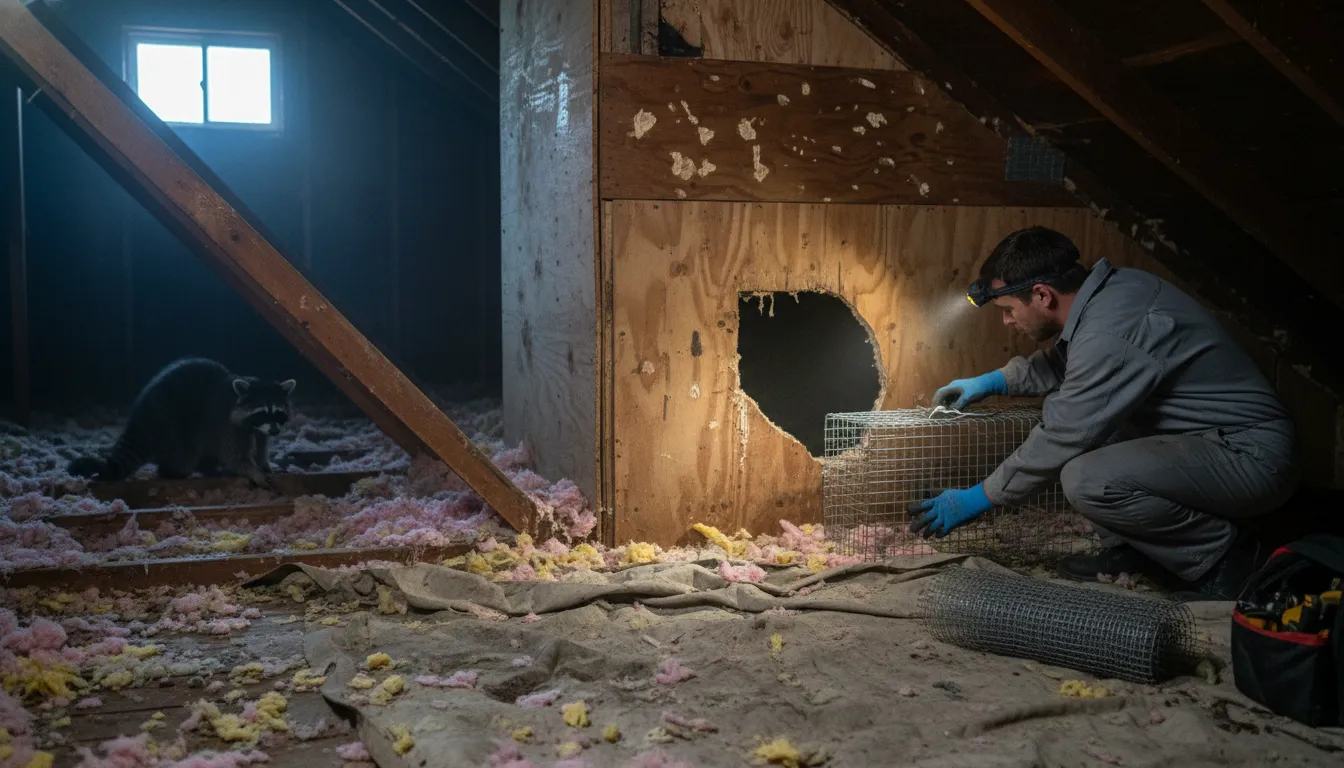
Find the Best Wildlife Removal Companies for Your Business
No obligation • Fast responses • Nationwide coverage
Why you can trust Pest Crews
Pest Crews is a leading U.S. resource for finding and evaluating residential and commercial pest control services. Our team researches providers, reviews treatment approaches, and organizes unbiased information to help you make informed decisions. Companies cannot pay to change our editorial content or influence how they appear.
Search providers near you
Top Wildlife Removal Companies in Waipahu, Hawaii Ranked
Living in Waipahu offers a unique blend of island life and community, but it also means sharing your space with a variety of local and introduced wildlife. When animals like rodents, mongooses, or feral cats become a nuisance or a hazard, professional wildlife control services provide safe, humane, and effective solutions. This resource helps you understand the common pest animals in our area, what you can do yourself, and when it's essential to call in a licensed expert to handle removal and prevention.
Terminix
99-1410B Koaha Pl, Aiea, HI 96701
Terminix provides pest control and termite inspection services in Honolulu, HI, including Aiea and surrounding areas. The company offers treatments for a wide range of pests such as bed bugs, termites, rodents, mosquitoes, wasps, ants, and cockroaches. Terminix uses Integrated Pest Management strategies to reduce pests while minimizing environmental impact. They provide comprehensive termite inspections and targeted treatments to protect homes from damage. With nearly 100 years of experience, Terminix combines local expertise with support from entomologists and a network of technicians to address seasonal pest challenges effectively.
Terminix Commercial
99-1410B Koaha Pl Suite 2, Aiea, HI 96701
Terminix Commercial provides pest control services in Honolulu, HI, specializing in managing ants, spiders, termites, bed bugs, roaches, rodents, and wildlife. Their local technicians understand the specific pest challenges in the area and offer termite inspections, rodent prevention, and bed bug treatments. The company is supported by a nationwide network of expertise, ensuring comprehensive pest management tailored to seasonal pest activity.
Sandwich Isle Pest Solutions
96-1385 Waihona St building a, Pearl City, HI 96782
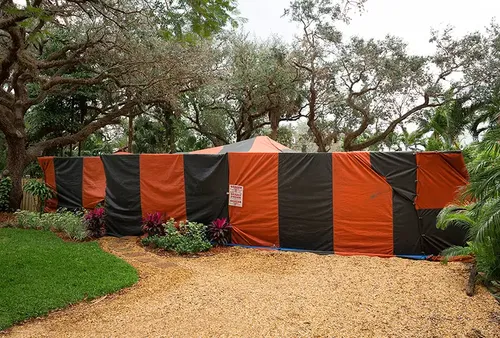
Sandwich Isle Pest Solutions is a pest control company based in Honolulu, HI, serving Pearl City and surrounding areas including Mililani, Waipahu, Kailua, Kaneohe, and Kapolei. They offer a wide range of services such as bed bug treatment, termite control, mosquito control, wildlife removal, and commercial pest management. The company uses proven removal methods combined with the latest technology to address pest issues effectively. Established in 1997, Sandwich Isle Pest Solutions is locally managed and QualityPro certified, reflecting their commitment to meeting rigorous industry standards.
Mid-Pacific Pest Control Oahu
96-1173 Waihona St # B6, Pearl City, HI 96782
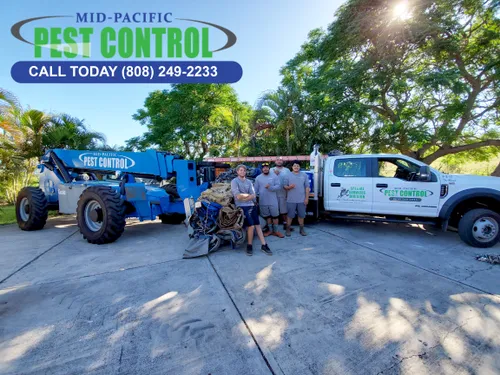
Mid-Pacific Pest Control Oahu is a pest control company based in Honolulu, HI, offering a wide range of services for both residential and commercial properties. With over 25 years of experience, they handle infestations of bed bugs, ants, roaches, termites, and wildlife, using non-toxic sprays, heat therapy, fumigation, and certified inspections. Their termite treatment focuses on detection, elimination, and prevention to protect structural integrity. They also provide humane wildlife and bird control solutions to manage and remove unwanted animals safely.
Menehune Pest Management - Honolulu HI
2020 Kahai St, Honolulu, HI 96819
Menehune Pest Management - Honolulu HI is a family-owned pest control company serving Honolulu, HI. Established in 2013, they specialize in managing a wide range of pest issues including bed bugs, cockroaches, ants, rodents, mosquitoes, bees, wasps, birds, and other wildlife. The company follows current industry standards to ensure safe and effective treatments for clients, pets, and the environment. They provide onsite evaluations and discuss treatment options tailored to each situation.
Common Nuisance Wildlife in Waipahu
Waipahu's ecosystem hosts a mix of native species and problematic introduced animals. Knowing what you're dealing with is the first step toward a solution.
- Rodents: Roof rats, Polynesian rats, and house mice are frequent invaders, seeking food and shelter in attics, walls, and garages.
- Birds: Common mynah birds, pigeons, sparrows, and doves can nest in eaves and vents, causing noise and sanitation issues. Protected native birds like the Nene goose require special handling and should never be disturbed.
- Mammals: Introduced species such as the small Indian mongoose, feral cats, and feral pigs can cause significant property damage and pose ecological threats. Mongooses are particularly adept at raiding chicken coops and gardens 1.
- Other Pests: While often managed under general pest control, issues with large cockroach populations, wasp nests, or other stinging insects may also intersect with wildlife exclusion services.
What You Can Do: DIY Prevention and Deterrence
For minor issues, residents can take several effective steps to make their property less inviting to unwanted animal visitors.
Focus on Exclusion and Sanitation: The most effective long-term strategy is to deny animals access to food, water, and shelter. This includes sealing cracks and holes in your home's exterior, installing chimney caps and vent screens, and securing trash cans with tight-fitting lids. Keeping yards tidy by trimming tree branches away from the roof and clearing dense vegetation eliminates travel routes and hiding spots.
Humane Deterrents and Trapping: For specific problems, non-lethal deterrents like motion-activated lights or sprinklers can scare off animals. For rodents, properly placed snap or live traps can be effective. For feral cats, the recommended community approach is Trap-Neuter-Return (TNR), which is often coordinated through organizations like the Hawaiian Humane Society rather than through removal 2.
Find the perfect wildlife removal companies for your needs
Get personalized recommendations and expert advice
When to Call a Professional Wildlife Control Operator
While DIY methods have their place, certain situations require the expertise of a licensed wildlife removal specialist.
1. The Animal is Protected or Regulated: Hawaii has strict laws protecting its native species. If you suspect the animal is native (like certain birds) or if it's an invasive species that requires a permit for handling, you must contact a professional. The Hawaii Department of Land and Natural Resources (DLNR) regulates the capture and relocation of many species, and releasing non-native animals elsewhere is illegal 3. A professional will know the legal protocols.
2. The Infestation is Established or Dangerous: If you hear persistent noises in your walls or attic, find extensive droppings, or see signs of structural damage like chewed wires, the problem is likely beyond simple deterrents. Similarly, if an animal is behaving aggressively or you discover a hive or nest in a high-traffic area, professional removal is the safest option.
3. DIY Methods Have Failed: If you've tried prevention and trapping without success, it's time to call an expert. Professionals have access to more advanced tools, exclusion materials, and the experience to find and seal all potential entry points that you might have missed.
Understanding Regulations and Permits in Hawaii
Wildlife management in Waipahu operates under a specific framework. The City & County of Honolulu primarily addresses issues related to domestic animals-like barking dog complaints or stray cats-through its animal control services and noise ordinances 4. For true wild animals, the State of Hawaii's DLNR is the governing authority. They issue the permits required for the trapping, handling, and relocation of many non-native nuisance species. A reputable wildlife control operator will handle this permitting process, ensuring all actions are compliant with state law, which is crucial for both your protection and the ecosystem's health.
What to Expect from Professional Wildlife Removal Services
A professional service typically follows a structured process:
- Inspection and Assessment: A technician will identify the pest, locate entry points, and assess the extent of the problem.
- Action Plan: They will present a plan for humane removal, exclusion (sealing entry points), and cleanup/sanitation if needed.
- Execution and Exclusion: Animals are removed using approved methods, followed by the critical step of sealing the property to prevent re-entry.
- Follow-up: Many services offer monitoring or follow-up visits to ensure the solution is effective.
Costs for these services vary based on the animal and the job's complexity. For example, an initial inspection may range from $75 to $200, while comprehensive rodent control or bird exclusion can cost from $200 to over $1,000 5. Always request a detailed quote.
Choosing the Right Service Provider
When selecting a company for animal control or wildlife exclusion, look for:
- Proper Licensing: Ensure they are licensed to operate in Hawaii and understand DLNR regulations.
- Insurance and Guarantees: Verify they carry liability insurance and offer some guarantee on their exclusion work.
- Humane Methods: Inquire about their removal techniques and commitment to humane practices where legally applicable.
- Local Experience: Choose a provider familiar with Waipahu's specific pest species and local regulations.
- Detailed Contracts: Get the service plan, costs, and any warranties in writing before work begins.
Long-Term Prevention After Removal
Once the immediate problem is solved, maintaining a pest-resistant property is key. Continue practicing good sanitation, routinely inspect your home's exterior for new vulnerabilities, and manage your landscape to discourage wildlife from settling in. A professional can often provide tips specific to your property's needs.
Frequently asked questions
Sources
Footnotes
-
Invasive species in Hawaii - Wikipedia - https://en.wikipedia.org/wiki/Invasive_species_in_Hawaii ↩
-
Animal Welfare Laws - Hawaiian Humane Society - https://www.hawaiianhumane.org/animal-welfare-laws/ ↩
-
Plant Industry Division | Animal Guidelines - Hawaii.gov - https://dab.hawaii.gov/pi/pq/import-program/animal-guidelines/ ↩
-
All About Crowing | Hawaiian Humane Society - https://www.hawaiianhumane.org/wp-content/uploads/2020/06/Brochure-All-About-Crowing-January-2017-AG.pdf ↩
-
Division of Forestry and Wildlife | Permit Guidelines - https://dlnr.hawaii.gov/dofaw/permits/ ↩