Find the Best Wildlife Removal Companies for Your Business
No obligation • Fast responses • Nationwide coverage

Why you can trust Pest Crews
Pest Crews is a leading U.S. resource for finding and evaluating residential and commercial pest control services. Our team researches providers, reviews treatment approaches, and organizes unbiased information to help you make informed decisions. Companies cannot pay to change our editorial content or influence how they appear.
Search providers near you
Top Wildlife Removal Companies in Anderson, Indiana Ranked
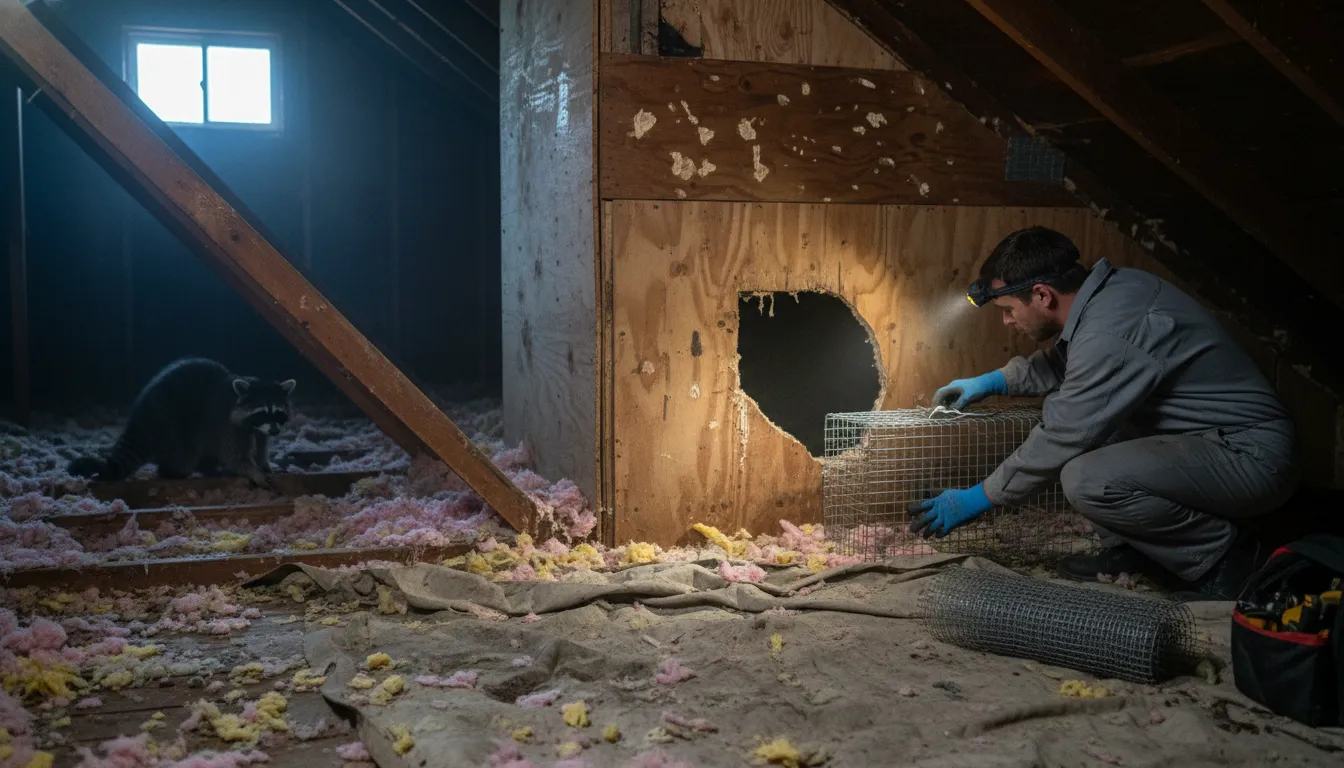
Finding an unexpected animal in your attic, chimney, or under your deck can be unsettling. Wildlife removal is the professional service of safely and humanely evicting nuisance animals from your property and preventing their return. In Anderson, dealing with local raccoons, squirrels, or bats requires understanding both effective methods and Indiana's specific regulations. This guide explains the common wildlife issues in Madison County, outlines your legal options for animal control, and helps you determine when to handle a situation yourself or call in a licensed professional.
Orkin
3932 Pendleton Way, Indianapolis, IN 46226
Orkin provides pest control services in Indianapolis, IN, addressing a wide range of pests including bed bugs, ants, rodents, termites, mosquitoes, bees, wasps, and wildlife. With over 120 years of experience, Orkin uses industry-leading technology and personalized treatment plans to manage infestations and help prevent their return. Their termite treatments include methods such as dry foam void filler, liquid barriers, and Sentricon® bait systems. Orkin offers 24-hour customer support and flexible scheduling to assist with pest control needs throughout the year.
The LadyBug Pest and Wildlife Control
Indianapolis, IN
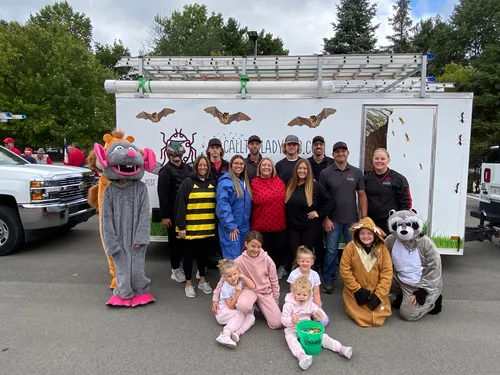
The LadyBug Pest and Wildlife Control offers pest control, rodent removal, and humane wildlife management services in Indianapolis, IN. They provide tailored solutions for both residential and commercial properties to keep environments safe and pest-free. Their services include pest prevention and wildlife relocation designed to protect homes and businesses while maintaining compliance. The company combines professional expertise with a personalized approach to pest and wildlife issues.

Terminix
231 S Rangeline Rd, Carmel, IN 46032
Terminix provides comprehensive pest control services in Indianapolis, IN, addressing common issues such as bed bugs, cockroaches, ants, rodents, termites, mosquitoes, bees, wasps, and wildlife. Their local team conducts thorough inspections and offers customized treatment plans tailored to the specific pest challenges in the area. Terminix is equipped to deliver termite protection systems and ongoing pest management programs designed to prevent infestations and protect homes. The company is supported by a nationwide network of expertise and serves a broad range of communities around Indianapolis. Their services include both interior and exterior treatments to cover all potential pest entry points and habitats.
Trapper Joe’s Wildlife Control, LLC
Indianapolis, IN
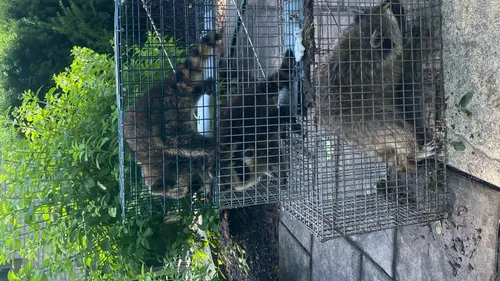
Trapper Joe's Wildlife Control, LLC is a licensed and insured wildlife removal company serving Indianapolis, IN. They provide humane trapping, removal, and exclusion services for nuisance animals such as raccoons, squirrels, bats, and birds. Their offerings include animal damage repair, infestation cleanup, and dead animal removal to restore and protect residential and commercial properties. The company also assists with insurance claims and focuses on long-term prevention by sealing entry points and addressing vulnerabilities. Trapper Joe's serves Indianapolis and surrounding communities with comprehensive wildlife control solutions and prioritizes ethical, effective methods.
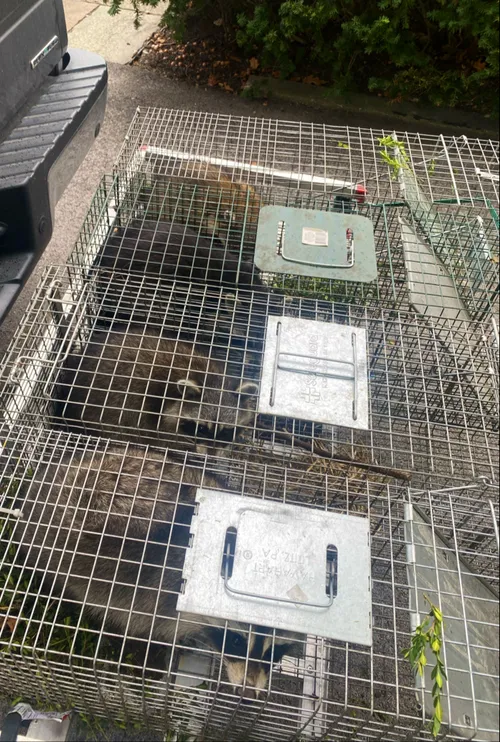
Trapper Joe’s Wildlife Control, LLC
1614 Bowman Dr, Greenfield, IN 46140
Trapper Joe's Wildlife Control, LLC is a licensed and insured wildlife removal company serving Indianapolis, IN, and surrounding communities. They provide humane trapping and removal of nuisance animals such as raccoons, squirrels, bats, and birds for both residential and commercial properties. Their services include animal damage repair, infestation cleanup, dead animal removal, and wildlife exclusion to prevent future intrusions. The company is experienced in handling a wide range of Indiana wildlife and offers insurance-friendly solutions. Emergency services are available with prioritized 24/7 response during peak seasons.
Common Nuisance Wildlife in Anderson
Anderson residents share their neighborhoods with a variety of wildlife that can sometimes become a problem. The most frequent culprits seeking shelter or food in homes and yards are mammals. This includes raccoons, which are intelligent and dexterous, often accessing attics or tearing into trash. Squirrels, particularly gray and fox squirrels, are notorious for chewing entry points into eaves and attics to nest. Other common mammals are opossums, groundhogs (woodchucks), coyotes, bats, rats, mice, moles, and chipmunks.
Bird species can also become nuisances, especially when they roost in large numbers on structures. In Anderson, problematic birds often include crows, grackles, and cowbirds. Identifying the specific animal is the first step toward an effective and legal resolution.
Understanding Indiana Wildlife Laws and Your Rights
Before taking action, it's crucial to know what you are legally allowed to do. Indiana law provides homeowners with certain rights to protect their property from damage.
What You Can Do Without a Permit: On your own property, you are generally allowed to trap or shoot certain common nuisance animals that are causing damage. This includes raccoons, skunks, opossums, groundhogs, gray squirrels, and fox squirrels. However, there are critical conditions:
- You must have written permission from the landowner if you are not the owner or tenant.
- You cannot accept payment for this service.
- You cannot possess or relocate a trapped animal for more than 24-48 hours without the proper licensing or permits.
When a Permit or Professional is Required: The rules change if the animal is on land you don't own, or if it is a protected species. A permit from the Indiana Department of Natural Resources (DNR) is required for trapping on property you do not own, or for species like coyotes (unless you are the landowner). For endangered or specially protected species-such as most bats, river otters, or bobcats-you must contact a local DNR Conservation Officer and should not attempt removal yourself.
Important Restrictions: It is critical to note that using poison for rodent control is strongly discouraged and often illegal for wildlife. Poison creates significant risks for pets, children, and non-target wildlife, and can lead to animals dying in inaccessible places, causing odor and insect issues 1.
Effective Wildlife Control Methods
Once you've identified the animal and understood the legal framework, you can consider the most effective control strategies. The goal is not just to remove the current animal but to prevent future intrusions.
- Exclusion: This is the most permanent and humane solution. It involves sealing all potential entry points into a structure after ensuring no animals are trapped inside. This is especially key for rodents and bats, which can fit through very small gaps. A professional will often install one-way doors or seals.
- Trapping: Live trapping can be effective for removing specific animals. Remember the legal guidelines for possession and relocation. Traps must be checked frequently.
- Habitat Modification: Making your property less attractive is a proactive step. This includes securing trash cans with locking lids, removing pet food from outdoors, sealing compost piles, and clearing brush or woodpiles away from your home's foundation.
- Frightening Devices & Repellents: Motion-activated lights, sprinklers, or ultrasonic devices can sometimes deter wildlife. Commercial repellents may offer temporary relief for certain animals, but their effectiveness varies 2.
Find the perfect wildlife removal companies for your needs
Get personalized recommendations and expert advice
When to Call a Professional Wildlife Removal Service
While some minor issues can be DIY projects, many situations warrant calling a licensed Wildlife Control Operator (WCO).
Call a Professional If:
- The animal is in a dangerous or hard-to-reach area (like inside a wall, chimney, or deep in the attic).
- You are dealing with bats, which are protected and require specialized exclusion techniques to be done at the right time of year.
- You have a large or persistent infestation.
- The animal is injured, aggressive, or suspected of being rabid.
- You need to work on property you do not own.
- You are unsure of the species or the applicable laws.
Professional wildlife removal services in Anderson have the experience, tools, and licensing to handle complex situations safely and in compliance with all state and local regulations. They focus not just on removal but on comprehensive exclusion and repair to solve the problem long-term.
Understanding Costs for Animal Removal
The cost for wildlife control in Anderson varies significantly based on the job's complexity, the animal involved, and the extent of damage. As a general guideline, for a medium-sized job like removing squirrels from an attic and performing basic trapping and repair, you can expect prices to start around $299 and increase from there, often involving multiple visits 3 4. Specialized jobs, such as bat exclusion, can be more costly due to the need for specific materials and meticulous sealing of all potential entry points 3 4. It's always wise to get a detailed, written estimate that outlines the removal process, any repairs, and the warranty on the exclusion work.
Local Resources and Who to Contact
Knowing who to call is half the battle. Here's a quick reference for Anderson and Madison County:
- For Domestic Animals (Dogs, Cats): Contact Madison County Animal Control. They do not handle wildlife 5 6.
- For Wildlife Law Questions or Protected Species: Contact your local Indiana DNR Conservation Officer. They can provide guidance on regulations and permits 7.
- For Professional Removal: Hire a state-licensed Wildlife Control Operator (WCO). These professionals are trained in humane removal, exclusion, and state laws 8.
- For Educational Resources: The Purdue Extension Forestry & Natural Resources and the Indiana DNR "Living with Wildlife" pages are excellent sources of information on biology, prevention, and legal methods 9 10.
Taking a calm, informed approach is the best way to resolve any wildlife conflict. By correctly identifying the problem, understanding your legal options, and knowing when to call for expert help, you can protect your Anderson home from unwanted animal guests effectively and responsibly.
Frequently asked questions
Sources
Footnotes
-
Wildlife Removal Permits - https://www.in.gov/dnr/fish-and-wildlife/wildlife-resources/living-with-wildlife/wildlife-removal-permits/ ↩
-
Wildlife Control Methods | NWCTP - https://wildlifecontroltraining.com/training/wildlife-control-methods/ ↩
-
Anderson Wildlife Animal Control - Critter Removal and ... - http://www.wildlifeanimalcontrol.com/Anderson-IN.html ↩ ↩2
-
Prices for Anderson Wildlife Pest Control Animal Trapping - http://www.aaanimalcontrol.com/Professional-Trapper/prices/IN-Anderson-prices.htm ↩ ↩2
-
Anderson Wildlife Control / Indiana Animal Removal - http://www.aaanimalcontrol.com/professional-trapper/city/IN-Anderson.htm ↩
-
DNR: Fish & Wildlife: Living with Wildlife: Interactions - IN.gov - https://www.in.gov/dnr/fish-and-wildlife/wildlife-resources/living-with-wildlife/interactions/ ↩
-
Nuisance Wild Animal Control Permit Information - IN.gov - https://www.in.gov/dnr/fish-and-wildlife/files/fw-NuisancePermitInfo.pdf ↩
-
DNR: Fish & Wildlife: Wildlife Control Operators - IN.gov - https://www.in.gov/dnr/fish-and-wildlife/wildlife-resources/living-with-wildlife/nuisance-wildlife-control-operators/ ↩
-
Trapping Nuisance Wildlife | Purdue Extension Forestry & Natural Resources - https://www.purdue.edu/fnr/extension/trapping-nuisance-wildlife/ ↩
-
Living with Wildlife - IN.gov - https://www.in.gov/dnr/fish-and-wildlife/wildlife-resources/living-with-wildlife/ ↩