Find the Best Wildlife Removal Companies for Your Business
No obligation • Fast responses • Nationwide coverage
Why you can trust Pest Crews
Pest Crews is a leading U.S. resource for finding and evaluating residential and commercial pest control services. Our team researches providers, reviews treatment approaches, and organizes unbiased information to help you make informed decisions. Companies cannot pay to change our editorial content or influence how they appear.
Search providers near you
Top Wildlife Removal Companies in Indianapolis, Indiana Ranked
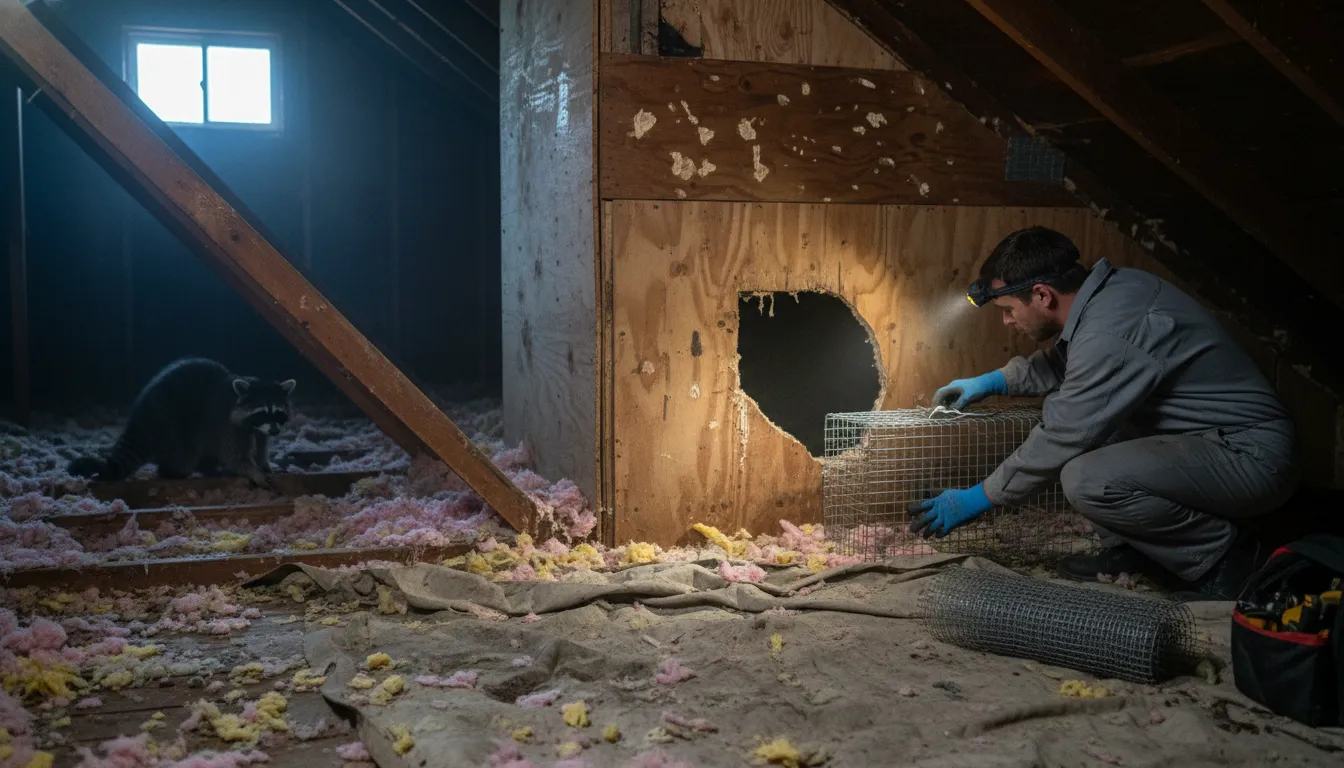
Discovering an uninvited animal in your attic, crawl space, or yard can be unsettling and potentially damaging. Wildlife removal is the professional service dedicated to humanely and safely resolving conflicts with nuisance animals, from common raccoons and squirrels to more complex bat colonies. This process is crucial for protecting your property from structural damage, health hazards from droppings, and the stress of cohabitation with wild creatures. For Indianapolis residents, understanding local regulations and knowing how to connect with qualified experts is the first step to reclaiming your space.
Critter Removal Indianapolis
4998 Riverview Dr, Indianapolis, IN 46208
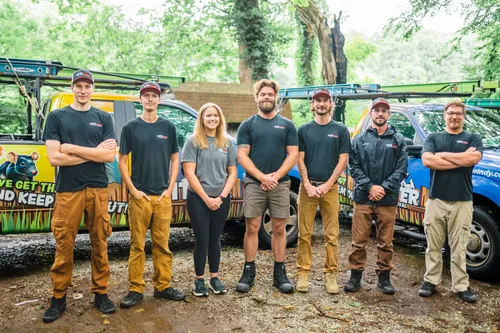
Critter Removal Indianapolis provides wildlife and pest control services in Indianapolis, IN. Their team safely traps and removes wildlife using humane exclusion techniques and offers cleaning and sanitizing of affected areas. They also provide commercial pest control, ongoing treatments, and animal damage repair. The company employs certified experts knowledgeable about local wildlife species and behaviors, serving Indianapolis and surrounding areas with comprehensive pest and wildlife solutions.
G & G Termite & Pest Control
9710 Elm Dr, Carmel, IN 46032
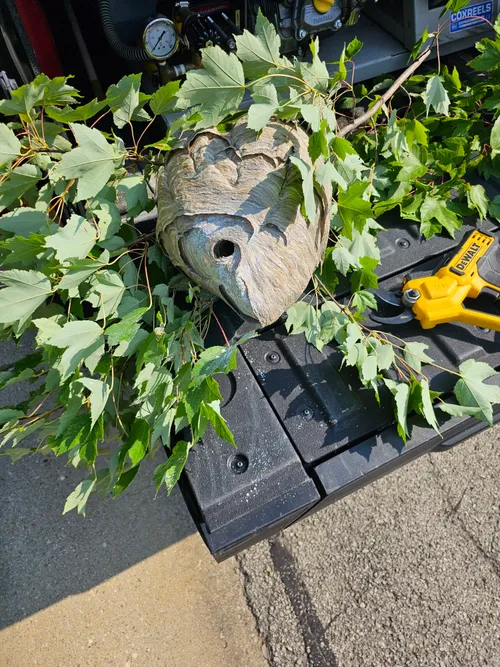
G & G Termite & Pest Control is a family-owned pest control company serving Indianapolis, IN. Established in 1979, they provide a wide range of pest management services including ant control, termite prevention and treatment, bee and wasp removal, rodent control, tick control, mole remediation, and spider web removal. Their skilled and certified technicians offer flexible service plans without contracts, addressing both residential and commercial pest issues with a focus on honest, no-pressure sales.
Orkin
3932 Pendleton Way, Indianapolis, IN 46226
Orkin provides pest control services in Indianapolis, IN, addressing a wide range of pests including bed bugs, ants, rodents, termites, mosquitoes, bees, wasps, and wildlife. With over 120 years of experience, Orkin uses industry-leading technology and personalized treatment plans to manage infestations and help prevent their return. Their termite treatments include methods such as dry foam void filler, liquid barriers, and Sentricon® bait systems. Orkin offers 24-hour customer support and flexible scheduling to assist with pest control needs throughout the year.
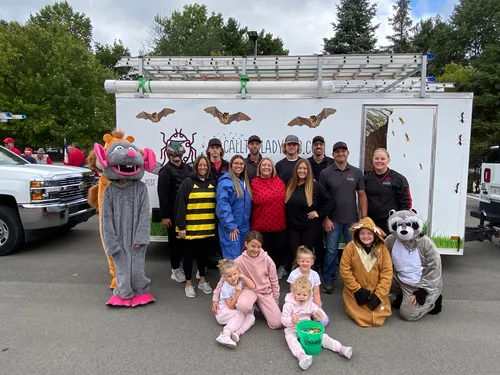
The LadyBug Pest and Wildlife Control
Indianapolis, IN
The LadyBug Pest and Wildlife Control offers pest control, rodent removal, and humane wildlife management services in Indianapolis, IN. They provide tailored solutions for both residential and commercial properties to keep environments safe and pest-free. Their services include pest prevention and wildlife relocation designed to protect homes and businesses while maintaining compliance. The company combines professional expertise with a personalized approach to pest and wildlife issues.
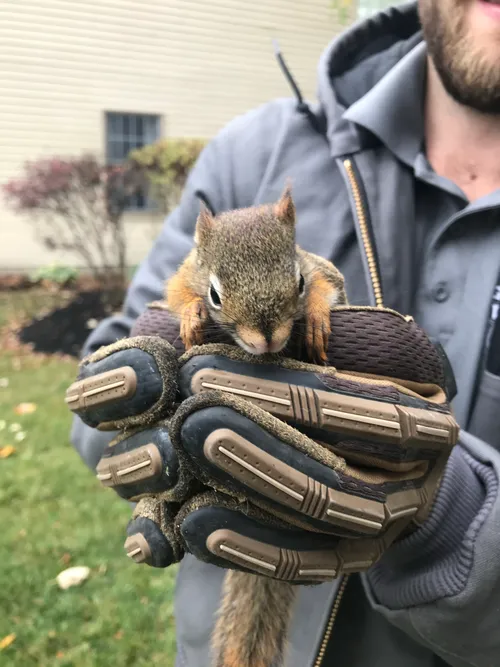
Guardian Wildlife Solutions
Indianapolis, IN
Guardian Wildlife Solutions is a family-owned wildlife removal company based in Indianapolis, IN. They specialize in animal removal, repairs, and remediation to help restore homes affected by wildlife. The company focuses on making the process clear and manageable while ensuring homes are left in good condition.
Common Nuisance Wildlife in Indianapolis
The Circle City's mix of urban neighborhoods, suburban landscapes, and nearby green spaces creates ideal habitats for a variety of adaptable wildlife. Knowing which animals are most likely to cause issues can help you identify a problem early.
- Raccoons: These intelligent, dexterous mammals are frequent culprits for attic invasions, often tearing through roof vents or soffits to create dens. They can cause significant damage with their droppings and pose a rabies risk.
- Squirrels: Both gray and fox squirrels are common. They often enter attics through small gaps, chew on electrical wiring (a serious fire hazard), and store food in insulation.
- Bats: Small brown bats are protected in Indiana due to their ecological role, but a colony in an attic or wall void creates substantial health concerns from accumulated guano (droppings), which can harbor histoplasmosis spores.
- Skunks & Opossums: These animals typically seek shelter under decks, porches, or sheds. Skunks are known for their potent defense mechanism, while opossums, though generally less destructive, can rummage through garbage and create dens in inconvenient places.
- Groundhogs (Woodchucks): Their powerful digging can undermine foundations, sheds, and decks, creating extensive burrow systems that compromise structural integrity.
- Coyotes: While less likely to enter homes, coyotes are increasingly present in suburban areas of Indianapolis. They can prey on small pets and require specific management strategies.
Understanding Indiana's Wildlife Control Laws
Before attempting any animal control yourself, it's essential to know the legal framework. Indiana law distinguishes between common nuisance species and regulated wildlife, which dictates whether you can act on your own or need professional assistance.
What Homeowners Can Do: As a landowner or tenant, you have the right to address damage caused by specific common animals on your property without a state permit. This includes raccoons, squirrels, opossums, skunks, and groundhogs 1 2. You may trap and either release the animal (with the express permission of the landowner where you release it) or humanely euthanize it within 24-48 hours 3. However, you must always comply with local ordinances, such as restrictions on discharging firearms within city limits 2 3.
When You Need a Professional or Permit: The situation becomes more regulated for certain species and scenarios. A special permit or a licensed professional is required for:
- Regulated species like coyotes (unless you are the landowner), bobcats, river otters, and all bats 4 5.
- Trapping animals on property you do not own.
- Anyone who receives compensation for trapping and removing wildlife must hold the proper license 6.
- Any endangered or threatened species.
For these situations, contacting an Indiana DNR-licensed Wildlife Control Operator (WCO) is not just recommended-it's often legally necessary. These professionals understand the permit process and humane handling requirements for all species.
Find the perfect wildlife removal companies for your needs
Get personalized recommendations and expert advice
The Professional Wildlife Removal Process
A comprehensive solution involves more than just trapping an animal. Reputable wildlife control services follow a multi-step process to ensure the problem is solved permanently and safely.
- Inspection and Assessment: A thorough inspection identifies all active entry points, damage, nesting areas, and the species involved. This step is critical for developing an effective plan.
- Humane Removal: Using species-appropriate techniques, professionals will remove the animals. This may involve live trapping, one-way exclusion doors that allow animals to leave but not return, or direct extraction. For maternal seasons, special care is taken to reunite young with their mothers outside the home.
- Exclusion and Prevention: This is the most important phase. All identified entry points are permanently sealed with durable materials like steel mesh, hardware cloth, or specialized flashing to prevent re-entry. Without proper exclusion, new animals will simply move into the now-vacant space.
- Cleanup and Sanitization: Animal waste, contaminated insulation, and nesting materials are removed. The affected area is then cleaned and sanitized to eliminate odors, parasites, and health hazards like histoplasmosis from bat guano.
- Restoration and Repair: Finally, any structural damage caused by the animals-such as chewed wires, torn ductwork, or damaged siding-is repaired to restore your home's safety and integrity.
What to Expect: Costs of Wildlife Control in Indianapolis
The cost for animal removal and exclusion services in Indianapolis varies significantly based on the species, the extent of the infestation, the accessibility of the den site, and the scope of repairs needed.
- Inspection Fees: Many companies charge an initial assessment fee ranging from $75 to $200, which is often waived if you proceed with their services 7.
- Removal and Exclusion: The core service of trapping and sealing entry points typically ranges from $250 to over $1,000. A simple squirrel removal from an easily accessible attic will be on the lower end, while excluding a raccoon family and securing multiple roof penetrations will cost more 8 9.
- Attic Cleanup and Decontamination: Removing soiled insulation, sanitizing surfaces, and deodorizing can range from $300 to $1,000 or more, depending on the square footage affected and the level of contamination 10 11.
- Repairs: Costs for repairing chewed wires, damaged wood, or torn vents are highly variable and depend on the trade professional needed (e.g., electrician, carpenter).
It's important to get detailed quotes from several licensed and insured Wildlife Control Operators. The cheapest option may not include vital steps like exclusion or cleanup, leading to recurring problems.
Choosing a Qualified Wildlife Control Operator
Selecting the right professional ensures a humane, effective, and lasting solution. Here are key factors to consider:
- DNR Licensing: Verify the company holds a current Indiana Department of Natural Resources Nuisance Wild Animal Control Permit. This is a baseline requirement for legal and knowledgeable service.
- Insurance and Warranties: The company should carry liability insurance. Ask about warranties on their exclusion work-a reputable operator will guarantee their repairs against re-entry for a period of time.
- Humane Methods: Inquire about their removal techniques. They should prioritize humane live-trapping and exclusion, especially during baby seasons (spring and summer).
- Comprehensive Service: Avoid "trap-and-remove" only services. Ensure their quote includes a detailed inspection, humane removal, permanent exclusion, and optional cleanup/repair services.
- Local References and Reviews: Check online reviews and ask for local references to gauge their reputation and customer satisfaction.
Preventing Future Wildlife Intrusions
Once your home is secured, ongoing prevention is key. Regularly inspect your home's exterior, especially in the fall when animals seek warm shelter. Keep tree branches trimmed back from the roof, secure chimney caps and roof vents, and repair any loose siding or soffit panels promptly. Ensure garbage cans have tight-fitting lids and avoid leaving pet food outdoors overnight.
Frequently asked questions
Sources
Footnotes
-
Living with Wildlife - IN.gov - https://www.in.gov/dnr/fish-and-wildlife/wildlife-resources/living-with-wildlife/ ↩
-
Trapping Nuisance Wildlife | Purdue Extension Forestry & Natural Resources - https://www.purdue.edu/fnr/extension/trapping-nuisance-wildlife/ ↩ ↩2
-
DNR: Fish & Wildlife: Raccoon - IN.gov - https://www.in.gov/dnr/fish-and-wildlife/wildlife-resources/animals/raccoon/ ↩ ↩2
-
Wildlife Removal Permits - https://www.in.gov/dnr/fish-and-wildlife/wildlife-resources/living-with-wildlife/wildlife-removal-permits/ ↩
-
DNR: Fish & Wildlife: Living with Wildlife: Interactions - IN.gov - https://www.in.gov/dnr/fish-and-wildlife/wildlife-resources/living-with-wildlife/interactions/ ↩
-
Nuisance Wild Animal Control Permit Information - IN.gov - https://www.in.gov/dnr/fish-and-wildlife/files/fw-NuisancePermitInfo.pdf ↩
-
Nuisance Animal Removal in Indianapolis - https://trapperjoeswildlifecontrol.com/nuisance-animals.php ↩
-
DNR: Fish & Wildlife: Wildlife Control Operators - IN.gov - https://www.in.gov/dnr/fish-and-wildlife/wildlife-resources/living-with-wildlife/nuisance-wildlife-control-operators/ ↩
-
How Much Does It Cost To Remove Animals From Your Attic? | Wildlife Control - https://www.callnorthwest.com/2020/02/how-much-does-it-cost-to-remove-animals-from-your-attic/ ↩
-
Budget Animal Removal | Wildlife | Wild Animals | Raccoons | Bats - https://www.budgetanimalremoval.com/ ↩
-
Wildlife Removal Services - https://critterremovalindianapolis.com/wildlife-removal/ ↩