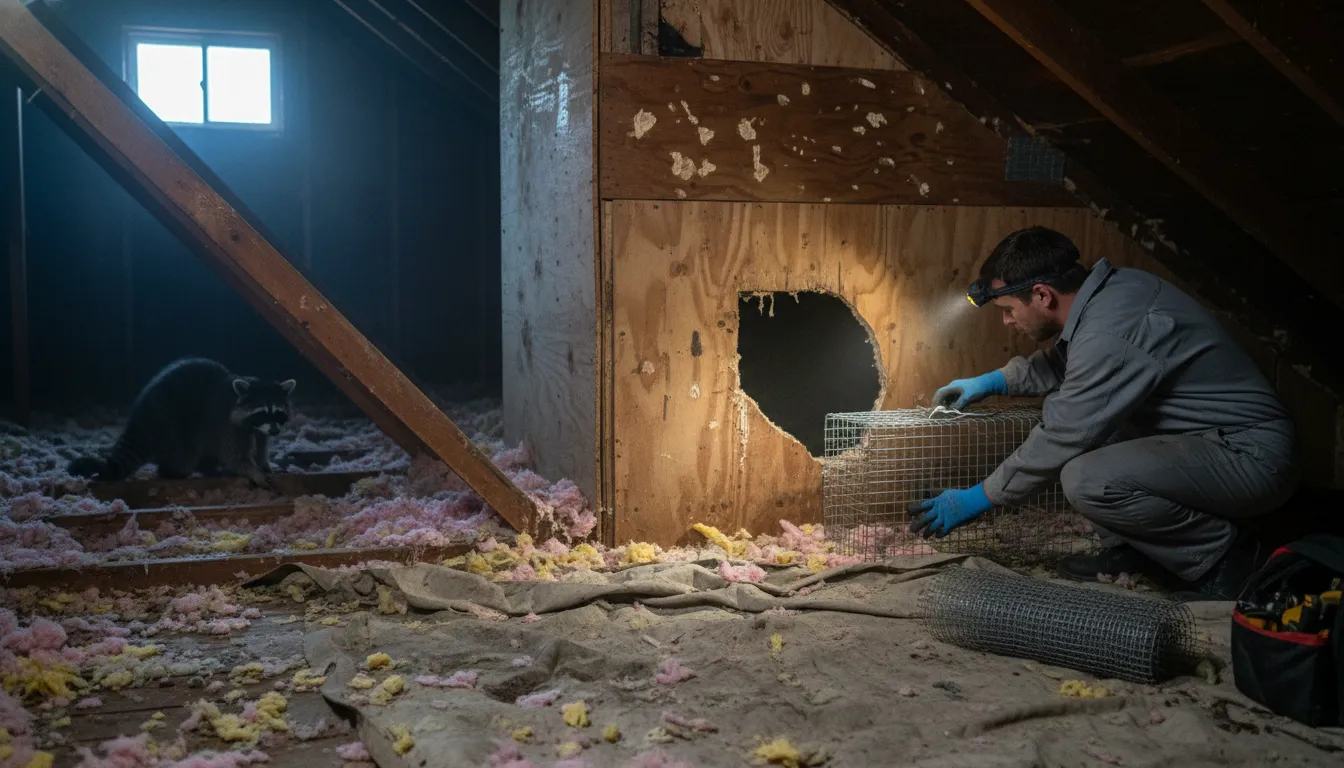
Find the Best Wildlife Removal Companies for Your Business
No obligation • Fast responses • Nationwide coverage

Why you can trust Pest Crews
Pest Crews is a leading U.S. resource for finding and evaluating residential and commercial pest control services. Our team researches providers, reviews treatment approaches, and organizes unbiased information to help you make informed decisions. Companies cannot pay to change our editorial content or influence how they appear.
Search providers near you
Top Wildlife Removal Companies in Fort Wayne, Indiana Ranked
Dealing with unwelcome wild animals on your property can be stressful and potentially hazardous. Wildlife removal is the process of safely and legally addressing nuisance animals that have taken up residence in your home, attic, or yard. It's crucial for protecting your property from damage and ensuring the health and safety of your family. This guide will help you understand your options, from do-it-yourself measures to when it's time to call a professional, so you can effectively resolve wildlife conflicts in the Fort Wayne area.
Orion Wildlife Solutions
Fort Wayne, IN
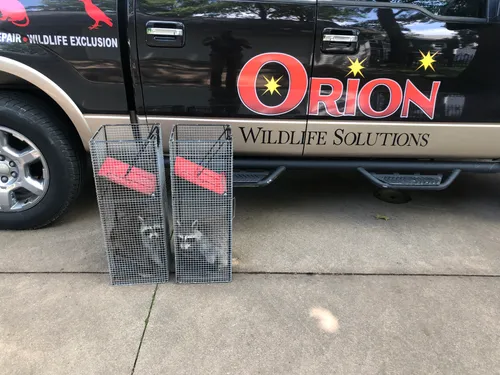
Orion Wildlife Solutions provides wildlife removal and pest control services in Fort Wayne, IN. They handle a variety of animals including snakes, chipmunks, mice, bats, groundhogs, starlings, squirrels, and raccoons. Their services include exclusion techniques to prevent animals from entering homes and businesses, addressing common entry points like construction gaps, dryer vent covers, and utility lines. Orion Wildlife Solutions focuses on managing wildlife that can cause structural damage or infestations, such as raccoons in attics and groundhogs burrowing under foundations.
Armadillo Wildlife
Fort Wayne, IN
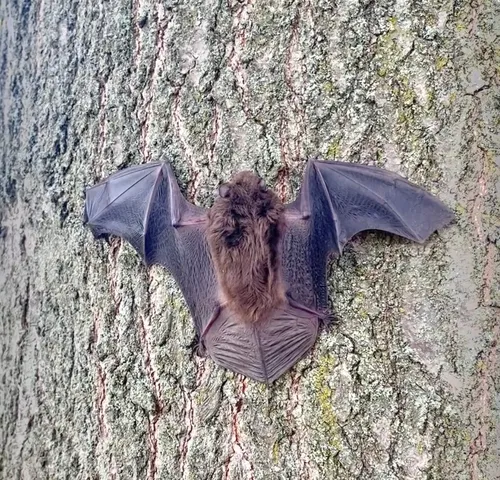
Armadillo Wildlife is a family owned and operated wildlife removal company based in Fort Wayne, IN. With over 20 years of experience, they offer comprehensive services including removal, exclusion, cleanup, and repair to manage common wildlife such as bats, moles, opossums, raccoons, and skunks. The team uses proven methods and durable materials to address wildlife issues effectively while maintaining honest communication about the situation and long-term solutions.
Bats B Gone
921 E Dupont Rd, Fort Wayne, IN 46825
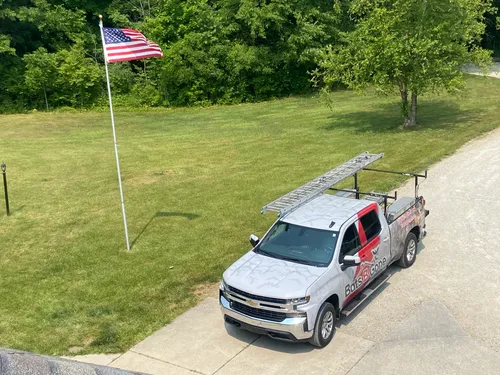
Bats B Gone is a family-run wildlife removal company based in Fort Wayne, Indiana, specializing in bat removal from residential and commercial properties. Since 2016, they have provided tailored solutions to safely remove bats and prevent their return, addressing concerns such as safety, property value, and health hazards. Their services cover the greater Fort Wayne area, including Angola, Auburn, Huntington, Fremont, Columbia City, and Kendallville. The company uses thorough inspection methods and offers warranties on their work to ensure lasting results.
DeadOne Pest Control
Fort Wayne, IN
DeadOne Pest Control provides pest control services in Fort Wayne, IN, and surrounding communities including Columbia City, Kendallville, Auburn, Woodburn, and Huntington. They serve both residential and commercial clients, addressing infestations of bed bugs, ants, rodents, termites, and other common pests. DeadOne uses humane, eco-friendly, and safe treatments tailored to each pest problem, with a focus on long-term prevention and follow-up support. The company offers emergency same-day and next-day services to respond quickly to urgent pest issues.
Orkin
3835 Superior Ridge Dr, Fort Wayne, IN 46808
Orkin provides comprehensive pest control services in Fort Wayne, IN, addressing both residential and commercial needs. With over 120 years of experience, they handle a wide range of pests including bed bugs, termites, rodents, ants, mosquitoes, and wildlife. Their termite control includes specialized treatments such as Sentricon® bait and liquid barriers to protect property structure. Orkin offers 24/7 availability to respond promptly to pest issues and uses a seasonal pest control approach tailored to the local climate and pest activity throughout the year.
Understanding Nuisance Wildlife in Fort Wayne
Fort Wayne's blend of urban spaces, riverways, and wooded areas creates an ideal habitat for a variety of wildlife species. While seeing animals in natural settings is part of the region's charm, problems arise when they seek food and shelter in our homes and businesses. Common nuisance animals in Allen County include squirrels, raccoons, bats, skunks, opossums, groundhogs, and rodents like mice and rats. Even coyotes are present in the area and can occasionally become a concern.
The key to effective animal control is understanding that not all wildlife sightings require immediate intervention. An animal simply passing through your yard is typically not a problem. Issues begin when animals cause property damage, create health risks through droppings, or become aggressive. Knowing the difference between a casual visitor and a destructive intruder is the first step in managing wildlife on your property.
Legal Framework: What You Can and Cannot Do
Indiana law provides specific guidelines for dealing with nuisance wildlife, and these rules are strictly enforced in Fort Wayne. As a homeowner or tenant, you have certain rights to protect your property, but they come with important restrictions.
Permit-Free Removal for Landowners/Tenants: Indiana residents are allowed to capture and remove certain animals on their own property without a permit from the Department of Natural Resources (DNR). This includes species commonly responsible for property damage, such as raccoons, skunks, opossums, groundhogs, and gray or fox squirrels 1. This allowance is typically for situations where the animal is causing damage to your dwelling or other structures.
Situations Requiring a DNR Permit: For other species, or for actions beyond simple removal on your own land, a permit is required. For example, trapping rabbits generally requires a permit or must be done during the designated season. Special rules also apply to bats, where exclusion (sealing entry points after they have left) is the preferred method, and a permit may be needed for handling. It is always your responsibility to check current regulations with the Indiana DNR before taking action.
Local Fort Wayne Ordinances: Beyond state law, you must comply with Fort Wayne city codes. Notably, the discharge of firearms or air rifles within city limits is heavily restricted and generally prohibited for wildlife control, emphasizing the need for non-lethal trapping methods 2. Always verify local ordinances to ensure your planned removal method is legal.
DIY Wildlife Control: Steps and Limitations
For minor issues with permit-free species, a do-it-yourself approach can be successful. Here's a structured method for humane and effective DIY animal control:
- Identification and Assessment: Correctly identify the animal and locate its entry points. Look for signs like droppings, nesting materials, gnaw marks, or tracks.
- Removal: For animals like squirrels or raccoons in an attic, you may use live traps. Place traps near the entry/exit point, bait them appropriately (e.g., peanut butter for squirrels, sweet fruit for raccoons), and check them frequently, at least twice a day.
- Exclusion (The Most Critical Step): Simply removing the animal is not enough. You must permanently seal all potential entry points to prevent re-entry or new animals from moving in. Use sturdy materials like hardware cloth, steel wool, or metal flashing. For bats, exclusion involves installing one-way doors that allow them to exit but not return.
- Cleanup: After exclusion, safely clean and disinfect the affected area. Wear protective gear like gloves and an N95 mask, as droppings (guano) and urine can harbor pathogens.
When DIY Isn't Enough: This approach has limits. It can be time-consuming, physically demanding, and potentially dangerous if you encounter a sick or cornered animal. DIY methods are often ineffective for larger infestations, animals inside walls, or species with strict legal protections.
Find the perfect wildlife removal companies for your needs
Get personalized recommendations and expert advice
When to Call Professional Wildlife Removal Services
There are clear situations where enlisting a professional wildlife control operator is the wisest and safest choice. Professionals have the expertise, specialized equipment, and knowledge of state and local laws to resolve complex problems efficiently.
Call a professional if:
- The animal is inaccessible (e.g., inside walls, deep in chimney flues).
- You are dealing with bats, which require careful exclusion techniques and may carry rabies.
- There is a significant infestation or a mother with young present.
- The animal appears sick, injured, or unusually aggressive.
- You are uncomfortable handling traps or the cleanup process.
- Previous DIY attempts have failed.
What Professional Services Include: A comprehensive professional service goes beyond simple trapping. It typically involves a thorough inspection, humane removal, expert exclusion work to seal the property, and biohazard cleanup to remove contaminated insulation, droppings, and urine. Many companies also offer restoration services, such as repairing chewed wires, replacing damaged insulation, and sanitizing the area to eliminate odors and health risks.
Understanding Costs for Professional Animal Removal
The cost for professional wildlife control in Fort Wayne is not fixed and can vary widely based on several factors. For simple, single-animal trapping jobs, you might expect costs starting in the low hundreds of dollars. However, most residential jobs are more complex.
Prices can increase significantly based on:
- The type of animal: Removal of larger animals or protected species often costs more.
- The extent of the infestation: A family of raccoons is more work than a single squirrel.
- The location and accessibility: Animals in high attics or tight crawl spaces require more labor.
- The need for exclusion and repair: Permanent sealing of entry points and damage repair are essential services that add to the total cost.
- Cleanup and decontamination: Removing hazardous waste and sanitizing the area is a critical, billable service.
For extensive jobs involving major attic restorations or multiple service trips, costs can reach a thousand dollars or more 3 4. Reputable companies will provide a detailed, written estimate after an initial inspection.
Local Resources and Who to Contact
Knowing which agency to call can save you time and ensure the problem is handled correctly.
- Fort Wayne Animal Care & Control (FWACC): This is your first call if a wild animal is sick, injured, or trapped inside your living space (like a bedroom or kitchen) 5. It is important to note that FWACC does not respond to general sightings of wildlife in yards or for nuisance removal from attics. If an animal is simply in your yard, observe it for 24 hours, as it will often move on naturally 5.
- Indiana Department of Natural Resources (DNR): Contact the DNR for questions about wildlife removal permits, regulations, and for guidance on complex situations that fall outside standard nuisance cases 6 7.
- Professional Wildlife Removal Companies: For active infestations, structural damage, or when you need guaranteed exclusion work, a licensed local wildlife control professional is the appropriate resource 8.
Health and Safety Considerations
Wild animals can pose direct and indirect health risks. Direct threats include bites and scratches, which may transmit rabies or cause serious infection. Indirect threats come from parasites (like ticks and fleas) and diseases spread through droppings and urine, such as histoplasmosis from bat guano or leptospirosis from rodent urine 9.
Always wear heavy gloves and a respirator when cleaning areas contaminated by wildlife. Avoid direct contact with any animal, even if it appears docile. If you are bitten or scratched, seek medical attention immediately and contact the Allen County Department of Health. Proper wildlife management is as much about protecting human health as it is about protecting property.
Prevention: The Best Long-Term Strategy
Effective wildlife control is proactive. By making your property less attractive to nuisance animals, you can prevent problems before they start.
- Secure Food Sources: Keep trash cans sealed with tight-fitting, locking lids. Do not leave pet food outdoors overnight. Clean up fallen fruit from trees and bird seed from under feeders.
- Eliminate Shelter: Seal off crawl space openings, repair broken vent screens, and install chimney caps. Trim tree branches that overhang your roof to limit access for squirrels and raccoons.
- Maintain Your Yard: Keep woodpiles elevated and away from your house. Clear dense brush and tall grasses where small animals can hide.
Implementing these strategies will significantly reduce the likelihood of unwelcome wildlife encounters and help you coexist peacefully with Fort Wayne's natural fauna.
Frequently asked questions
Sources
Footnotes
-
Trapping Nuisance Wildlife | Purdue Extension Forestry ... - https://www.purdue.edu/fnr/extension/trapping-nuisance-wildlife/ ↩
-
DNR: Fish & Wildlife: Raccoon - IN.gov - https://www.in.gov/dnr/fish-and-wildlife/wildlife-resources/animals/raccoon/ ↩
-
Prices for Fort Wayne Wildlife Pest Control Animal Trapping - http://www.aaanimalcontrol.com/professional-trapper/prices/IN-Fort-Wayne-prices.htm ↩
-
Fort Wayne Animal Removal & Wildlife Control - https://varmentguard.com/wildlife-removal-fort-wayne ↩
-
Wildlife - Fort Wayne, IN - https://www.cityoffortwayne.in.gov/215/Wildlife ↩ ↩2
-
Living with Wildlife - IN.gov - https://www.in.gov/dnr/fish-and-wildlife/wildlife-resources/living-with-wildlife/ ↩
-
DNR: Fish & Wildlife: Wildlife Removal Permits - IN.gov - https://www.in.gov/dnr/fish-and-wildlife/wildlife-resources/living-with-wildlife/wildlife-removal-permits/ ↩
-
Nuisance Animal Removal, Wildlife Trapping Solutions Warsaw IN ... - https://orionwildlifesolutions.com/ ↩
-
Rodents | Allen County Department of Health - https://allencountyhealth.com/info-about/environmental-health/healthy-homes/pest-control/rodents ↩