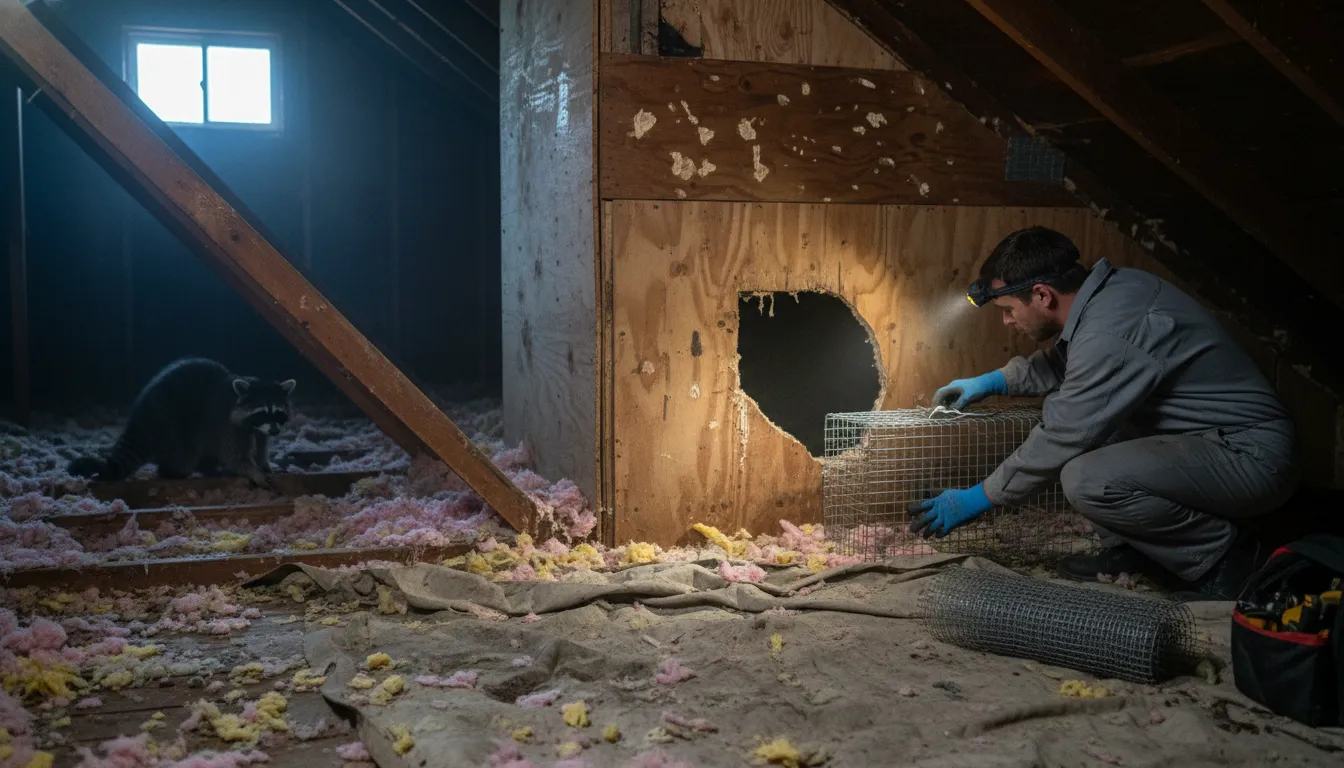
Find the Best Wildlife Removal Companies for Your Business
No obligation • Fast responses • Nationwide coverage
Why you can trust Pest Crews
Pest Crews is a leading U.S. resource for finding and evaluating residential and commercial pest control services. Our team researches providers, reviews treatment approaches, and organizes unbiased information to help you make informed decisions. Companies cannot pay to change our editorial content or influence how they appear.
Search providers near you
Top Wildlife Removal Companies in Brookline, Massachusetts Ranked
Living alongside wildlife is part of life in Brookline, but when raccoons raid your trash, squirrels nest in your attic, or bats roost in your eaves, these encounters become a nuisance and a potential hazard. Professional wildlife removal and animal control services are essential for resolving these conflicts safely, humanely, and legally. This guide explains the common wildlife issues in Brookline, what you can do to prevent them, and how to find licensed local experts for effective and permanent solutions.
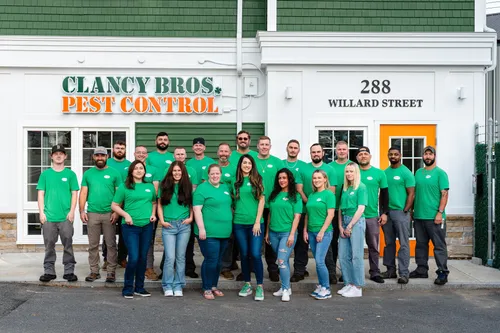
Clancy Brothers Pest Control
288 Willard St, Quincy, MA 02169
Clancy Brothers Pest Control is a family-owned pest control company serving Boston, MA. They specialize in residential and commercial pest control, including rodent control, termite inspections, wildlife removal, and bed bug treatment. With over 64 years of experience, they offer safe and effective pest elimination solutions.
Big Blue Bug Solutions
876 Boston Tpke, Shrewsbury, MA 01545
Big Blue Bug Solutions is a pest control company based in Worcester, MA, serving homes and businesses throughout New England including Rhode Island, Massachusetts, Connecticut, Vermont, Maine, and New Hampshire. They offer comprehensive pest control services for insects, rodents, termites, and wildlife, with expertise in commercial and residential settings. Established in 1935, the company has over 90 years of experience and provides year-round protection using advanced methods. Their technicians follow strict cleanliness protocols and the company offers live answering service 24/7, 365 days a year.
Freedom Pest Control
58 Pulaski St Unit Business 2, Peabody, MA 01960
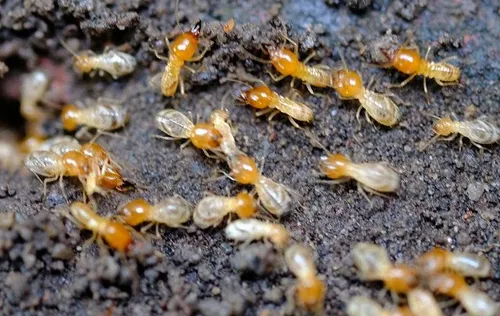
Freedom Pest Control is a pest management company serving Boston, MA, with over 30 years of experience since 1994. They provide a wide range of pest control services including ant, rodent, bed bug, termite, mosquito, and wildlife removal. Their approach involves thorough inspections and customized treatment plans to address the root causes of infestations. The company also offers specialized services such as stinging insect control and eco-friendly mosquito and tick management. With a focus on safety and effective solutions, Freedom Pest Control helps homeowners protect their properties from various pests.
Bug Bully Rodent & Pest Control
21 SW Cutoff, Northborough, MA 01532
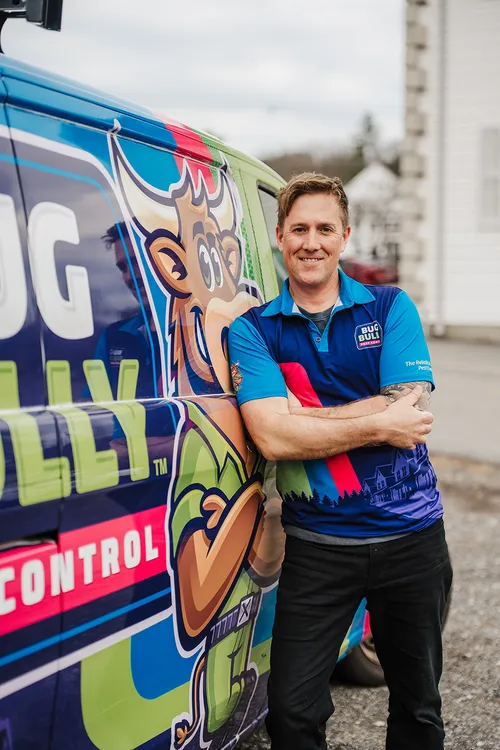
Bug Bully Rodent & Pest Control is a family-owned pest control company based in Worcester, MA. Serving Worcester County and surrounding areas, they specialize in comprehensive pest management including rodent exclusion, general pest control, termite inspections, mosquito and tick treatments, and wildlife removal. Their BullGuard Rodent Exclusion System uses custom-fabricated barriers to permanently seal entry points and prevent rodent infestations without chemicals. Founded in 2013, Bug Bully has over 20 years of combined experience and offers fast service with protection plans that provide ongoing pest prevention.
Assurance Pest Solutions
93 West St, Medfield, MA 02052
Assurance Pest Solutions is a family-owned pest control company serving Boston, MA, and surrounding areas in Massachusetts and Rhode Island. With over 40 years of experience, they provide residential and commercial pest management services including bed bug treatment, ant control, rodent control, termite inspection, mosquito control, bee and wasp removal, and wildlife removal. Their certified technicians use environmentally conscious Integrated Pest Management strategies to address infestations by targeting root causes such as entry points and nesting areas. The company also offers humane wildlife removal and exclusion services to protect properties while ensuring animal safety.
Understanding Brookline's Wildlife Challenges
Brookline's mix of dense residential neighborhoods, parks, and proximity to larger green spaces creates an ideal habitat for many species to thrive. While observing wildlife can be enjoyable, problems arise when animals seek food, water, or shelter in our homes and yards. Common nuisance wildlife in Brookline includes raccoons, squirrels (both gray and flying), bats, coyotes, and rodents like mice and rats. Birds, while often welcome, can also become problematic when they build nests in chimneys, vents, or gutters, causing blockages and damage.
The key to managing these situations is understanding that these are wild animals driven by instinct. They are not "out to get you," but are simply exploiting available resources. Effective wildlife management focuses on removing those resources and humanely excluding animals from structures, rather than on lethal control, which is often prohibited and rarely provides a long-term fix.
What You Can Do: Prevention and Habitat Modification
The most effective and cost-efficient form of wildlife control is prevention. By making your property less attractive and accessible, you can avoid most conflicts before they start. This proactive approach is often referred to as exclusion or habitat modification.
Remove Food Sources: This is the single most important step. Secure your trash and compost bins with tight-fitting, locking lids. Avoid feeding pets outdoors and clean up any spilled food immediately. Manage bird feeders carefully, as spilled seed attracts rodents, which in turn attract predators like raccoons and coyotes. Clean outdoor grills after each use.
Seal Entry Points: Conduct a thorough inspection of your home's exterior. Look for cracks, holes, loose siding, and gaps around utility lines, vents, and chimneys. Pay special attention to areas under decks, porches, and sheds. Seal any openings larger than a quarter-inch with durable materials like hardware cloth, steel wool, or concrete. Remember, a mouse can fit through a hole the size of a dime, and squirrels can chew through wood, vinyl, and even soft metal.
Modify Habitat: Make your yard less inviting. Store firewood and building materials elevated and away from your home's foundation. Clear away dense brush, leaf piles, and garden debris where small animals can hide. Trim tree branches back at least six feet from your roofline to limit access for squirrels and raccoons 1.
For animals already under a porch or deck, temporary deterrents like bright lights, loud radios, or ammonia-soaked rags may encourage them to leave, but these are short-term solutions and do not address the root cause of accessibility 2.
When to Call a Professional Wildlife Expert
While prevention is powerful, there are times when professional intervention is necessary, safer, and required by law. In Massachusetts, the handling and relocation of wildlife is strictly regulated.
Call a licensed Problem Animal Control (PAC) agent if:
- An animal is inside your living spaces, such as the attic, walls, basement, or kitchen.
- There is significant property damage, like chewed wires, torn insulation, or structural harm from gnawing or nesting.
- You suspect a rabies vector species, like a raccoon, fox, or bat, is involved. Never handle a bat with your bare hands. If you find a bat indoors, contact a professional immediately 3.
- You have a persistent problem, such as squirrels repeatedly entering a ceiling or raccoons returning to a den site.
- There is a threat to human or pet safety, such as an aggressive coyote or a nest of wasps/hornets (often handled by pest control specialists).
It is crucial to understand that Brookline's Animal Control department primarily handles domestic animals like stray dogs and cats. For conflicts with wild animals, you must contact a state-licensed PAC agent.
Legal Restrictions: What You Cannot Do
Massachusetts law is designed to protect both wildlife and public health. Homeowners face significant restrictions on how they can deal with nuisance animals.
Trap and Relocate: It is illegal for anyone without a specific permit to trap and relocate wildlife in Massachusetts 4. Relocation is often a death sentence for the animal, as it is dropped into an unfamiliar territory where it must compete for resources, and it can spread disease. It also does not solve your problem, as a new animal will likely move into the now-vacant territory.
Disturb Active Nests: It is illegal and harmful to move or destroy the active nest of any bird. If birds are nesting in a problematic location, you must wait until the young have fledged and left the nest before sealing the entry point 5 6.
Use Inhumane or Unapproved Methods: The use of poisons, certain types of traps, and other inhumane lethal means is generally prohibited for most wildlife species and can pose serious risks to pets, children, and non-target animals. The legal and ethical focus is on humane live-trapping (by a licensed agent for euthanasia in some cases) and, more commonly, on permanent exclusion 7.
Find the perfect wildlife removal companies for your needs
Get personalized recommendations and expert advice
The Professional Wildlife Removal Process
When you hire a licensed PAC agent in Brookline, you can expect a systematic approach focused on a permanent solution.
- Inspection: The professional will conduct a thorough assessment of your property to identify the species involved, locate all entry points, and assess the extent of the damage or infestation.
- Removal: If animals are present inside the structure, the agent will use legal, humane methods to remove them. This may involve live-trapping or, more effectively, installing one-way exclusion doors that allow animals to leave but prevent re-entry.
- Exclusion & Repair: This is the most critical step. After ensuring all animals are out, the professional will seal every identified entry point with durable, animal-proof materials. They may also recommend and install preventative measures like chimney caps or vent screens.
- Cleanup & Restoration: Wildlife leaves behind droppings, urine, nesting materials, and parasites. Professionals can safely clean and decontaminate affected areas, such as attics, and repair damaged insulation, wires, or drywall 8.
Understanding Costs for Wildlife Control
The cost for professional wildlife removal in Brookline varies based on the species, the severity of the problem, the size of your home, and the extent of repairs needed. You are typically paying for expertise, specialized equipment, and lasting results. Most companies charge for an initial inspection. Removal and exclusion work are then quoted based on the project's scope. For example, bat exclusion is a specialized and time-consuming process that typically costs more than removing a groundhog from under a shed. It's always wise to get detailed estimates from a few licensed providers 9 10 11.
Living Alongside Brookline's Wildlife
The goal of modern wildlife management is coexistence, not eradication. By understanding animal behavior, taking proactive steps to secure our homes, and knowing when and who to call for help, Brookline residents can effectively manage wildlife conflicts. The key takeaway is that lasting solutions come from professional exclusion and habitat modification, not from temporary removals 12 13. A licensed PAC agent provides the knowledge and tools to resolve your issue humanely and legally, giving you peace of mind and protecting your property.
Frequently asked questions
Sources
Footnotes
-
Specific Wildlife Information | Brookline, MA - Official Website - https://www.brooklinema.gov/701/Specific-Wildlife-Information ↩
-
Brookline Wildlife Animal Control - http://www.wildlifeanimalcontrol.com/Brookline.html ↩
-
Wildlife problems and solutions - Boston.gov - https://www.boston.gov/departments/animal-care-and-control/wildlife-problems-and-solutions ↩
-
General Wildlife Information | Brookline, MA - Official Website - https://www.brooklinema.gov/700/General-Wildlife-Information ↩
-
Nuisance wildlife? - https://capewildlifecenter.com/nuisance-wildlife/ ↩
-
Nuisance Animal Control in Massachusetts - https://bestknownpest.com/nuisance-animal-control-in-massachusetts/ ↩
-
Why Professional Animal Control is Vital for Massachusetts Homeowners | Pest Control Company, Exterminator, Wildlife Removal: Foxborough & Mansfield, MA - https://massbaywildlife.com/pro-animal-control-massachusetts/ ↩
-
Wildlife Removal - Bed Bug Inspection - Ultra Safe Pest Management - https://ultrasafepest.com/wildlife-removal-exclusion/ ↩
-
Problem Animal Control agents - Mass.gov - https://www.mass.gov/info-details/problem-animal-control-agents ↩
-
Wildlife Removal in Brookline, MA | North East Wildlife MGMT - https://northeastwildlifemanagement.com/service-area/massachusetts/brookline/ ↩
-
Critter Control® of Brookline, MA | Animal & Wildlife Removal - https://www.crittercontrolofboston.com/critter-control-of-brookline-ma/ ↩
-
Nuisance Wildlife Removal and Control - Fowler And Sons - https://www.fowlerandsonsinc.com/nuisance-wildlife-removal-and-control ↩
-
Moving wildlife - Mass.gov - https://www.mass.gov/info-details/moving-wildlife ↩