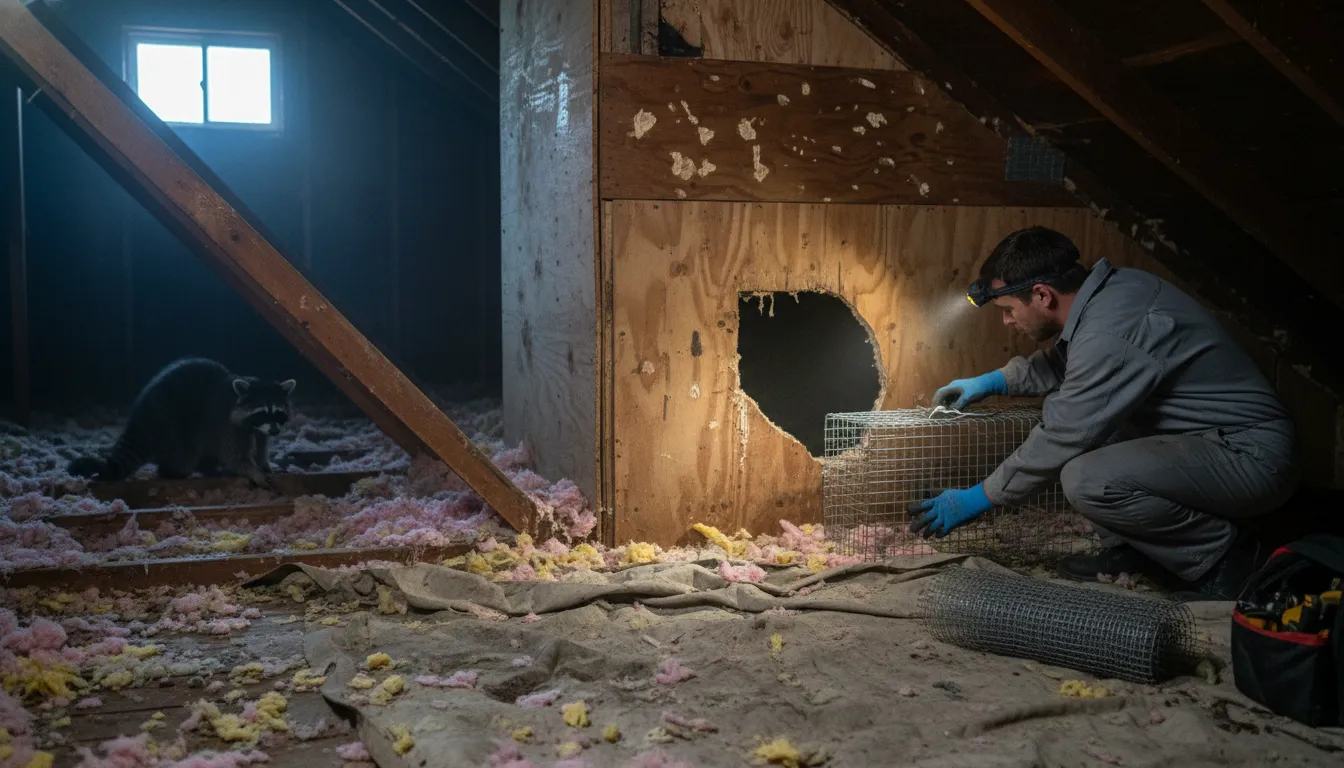
Find the Best Wildlife Removal Companies for Your Business
No obligation • Fast responses • Nationwide coverage

Why you can trust Pest Crews
Pest Crews is a leading U.S. resource for finding and evaluating residential and commercial pest control services. Our team researches providers, reviews treatment approaches, and organizes unbiased information to help you make informed decisions. Companies cannot pay to change our editorial content or influence how they appear.
Search providers near you
Top Wildlife Removal Companies in Fall River, Massachusetts Ranked
Discovering an uninvited animal in your attic, under your deck, or rummaging through your trash can be a stressful experience for any Fall River homeowner. Wildlife removal is the specialized service of safely and legally addressing conflicts with wild animals that have become a nuisance or a hazard on your property. In Massachusetts, this process is governed by strict state laws designed to protect both people and animals, making it crucial to understand your options. This guide will help you navigate the rules, identify common local pests, and connect with the licensed professionals authorized to resolve these situations effectively.
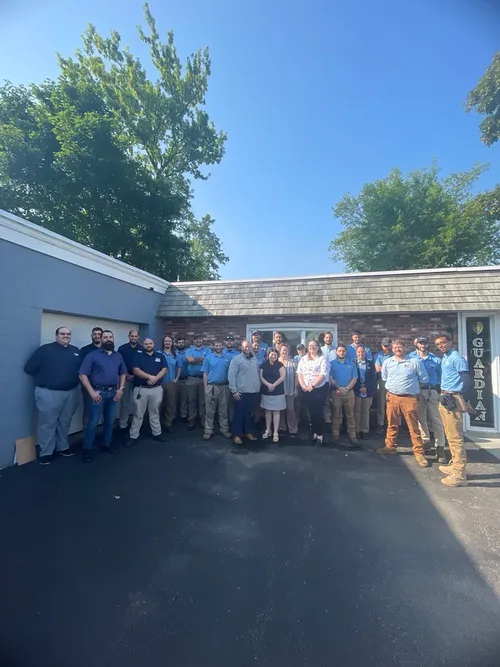
Debug Pest Control - Rhode Island
41 Cedar Swamp Rd Suite D, Smithfield, RI 02917
Debug Pest Control - Rhode Island is a locally owned pest management company based near Providence, RI, offering services for residential and commercial clients. They provide solutions for a wide range of pests including rodents, ants, termites, bed bugs, mosquitoes, and wasps. With over 30 years of experience, Debug Pest Control uses eco-friendly methods and integrated pest management strategies to effectively control and prevent infestations. Their service area includes Rhode Island, Connecticut, and Southeastern Massachusetts, and they offer same-day service when scheduled early in the week.
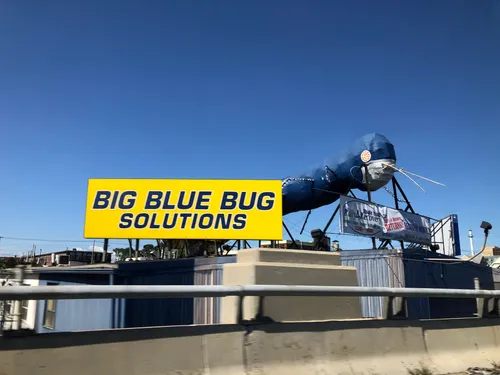
Big Blue Bug Solutions
161 O'Connell St, Providence, RI 02905
Big Blue Bug Solutions is a pest control company based in Providence, RI, serving homes and businesses across New England, including Rhode Island, Massachusetts, Connecticut, Vermont, Maine, and New Hampshire. The company offers comprehensive pest control services such as ant and rodent extermination, termite inspections, and wildlife removal. With over 90 years of experience since 1935, Big Blue Bug Solutions uses advanced techniques and maintains high standards of cleanliness and professionalism through its Blue Glove Service. They provide year-round pest protection and are available every day, all day, 365 days a year, ensuring continuous support for their customers.
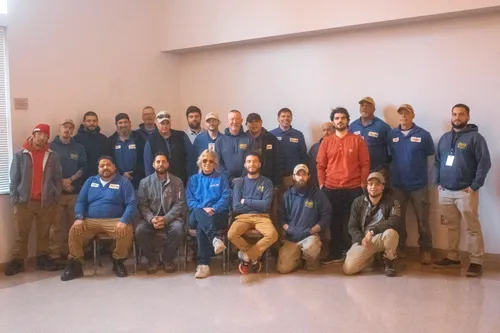
Eliminate 'Em Pest Control Services, LLC
10 Dorrance St #700, Providence, RI 02903
Eliminate 'Em Pest Control Services, LLC is a family-owned pest control company serving Providence, RI, and surrounding areas. They specialize in bed bug treatment, ant control, rodent control, termite inspections, wildlife removal, and commercial pest control. The company offers 24/7/365 availability for urgent pest issues and uses safe, non-chemical solutions to protect homes and businesses. With over 35 years of experience, Eliminate 'Em focuses on humane pest control methods and long-term prevention by sealing entry points and providing advice to avoid future infestations.
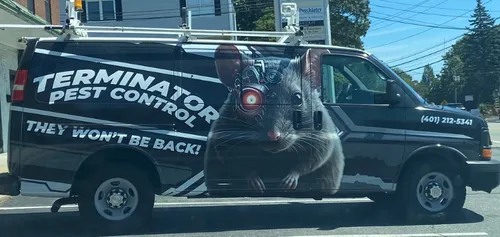
Terminator Pest Control LLC
Providence, RI
Terminator Pest Control LLC provides pest control services in Providence, RI, specializing in residential and commercial pest management. Their services include rodent control, wildlife exclusion, and tailored solutions to address infestations at the source and prevent future issues. The company focuses on long-term results for both homes and businesses.
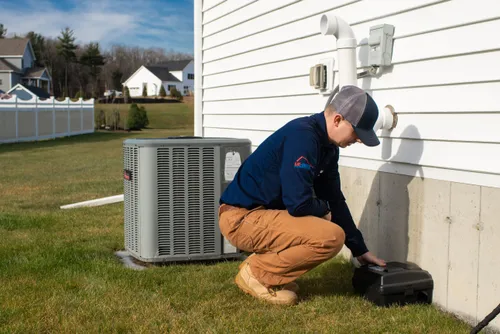
Catseye Pest Control - Providence, RI
Turks Head Building, 1 Place 11th Floor Pl 11th Floor 1, Providence, RI 02903
Catseye Pest Control - Providence, RI offers customized pest, rodent, and wildlife control services for homes and businesses in Providence, RI. Their approach includes removal, clean-up, and exclusion to prevent future infestations. They provide specialized commercial pest solutions with monthly visits to maintain pest-free environments and help businesses meet health standards. Catseye also features the Cat-Guard exclusion system, an eco-friendly, chemical-free method with a limited lifetime warranty for permanent wildlife protection.
Understanding Massachusetts Wildlife Removal Laws
The most important rule for Fall River residents to know is that it is illegal for homeowners to trap and relocate wildlife 1. Massachusetts law prohibits moving any live wild animal to a new location. This regulation exists for humane reasons-relocated animals often die from stress, territorial disputes with existing animals, or an inability to find food and shelter2 3. It also helps prevent the spread of diseases like rabies to new areas.
This means if you have a raccoon in your chimney or squirrels in your attic, you cannot simply catch them and release them in a nearby forest or park. Your legal options are limited to two primary paths: do-it-yourself prevention and exclusion, or hiring a licensed professional known as a Problem Animal Control (PAC) agent.
The Role of Problem Animal Control (PAC) Agents
When preventative measures fail or an animal is already inside your home, you must contact a licensed PAC agent. These specialists are trained and authorized by the state to handle nuisance wildlife on private property. They are permitted to humanely trap animals and, following strict legal protocols, euthanize them on-site if necessary. It is essential to verify that any professional you contact holds a valid PAC license from the Massachusetts Division of Fisheries and Wildlife.
A directory of licensed PAC agents is available through the Mass.gov website4. These professionals charge for their services, and costs can vary based on the animal and situation.
What Fall River Animal Control Can and Cannot Do
It's a common point of confusion, but Fall River Animal Control is not typically responsible for routine nuisance wildlife removal from private property 5. Their primary focus is on domestic animals like stray dogs and cats, as well as specific wildlife emergencies.
You should contact Fall River Animal Control at 508-324-2037 for situations involving6 7 8:
- Injured or orphaned wildlife.
- Stray domestic animals.
- A wild animal that has accidentally entered the main living space of a home (e.g., a bat flying in a bedroom).
- An animal that is acting aggressively or appears sick, which could indicate rabies.
For animals causing persistent problems in an attic, wall, chimney, or under a structure, a licensed PAC agent is the appropriate contact.
Common Nuisance Wildlife in Fall River
The Fall River area is home to several species that frequently come into conflict with homeowners. Knowing which animal you're dealing with can help in addressing the problem.
- Gray Squirrels: These agile climbers are notorious for entering attics and wall voids, often through gaps in rooflines or vents. They can cause significant property damage by gnawing on electrical wires, wood, and insulation to build nests.
- Raccoons: Intelligent and dexterous, raccoons are adept at opening trash cans, accessing pet food, and entering chimneys or attic vents. They are also a primary carrier of rabies in the region, making any encounter a serious concern.
- Skunks: Often seeking shelter under decks, sheds, or porches, skunks are generally non-aggressive but will spray their potent odor when threatened. Their digging can also damage lawns and gardens 9.
- Bats: Small colonies may roost in attics, belfries, or behind shutters. While beneficial for insect control, bat guano (droppings) can pose health risks and create odor problems. Special care and often specific permits are required for bat exclusion10 11.
- Mice and Rats: These common rodents can squeeze through incredibly small cracks to enter homes in search of food and shelter. They contaminate surfaces, chew materials, and can reproduce quickly.
Find the perfect wildlife removal companies for your needs
Get personalized recommendations and expert advice
Effective Prevention: Your First Line of Defense
Before wildlife becomes a problem inside your home, proactive habitat modification is your most effective and cost-efficient strategy. By making your property less attractive and accessible, you can prevent most conflicts.
Key Prevention Strategies:
- Secure Food Sources: Keep all garbage in sealed, animal-proof containers. Avoid leaving pet food outdoors overnight, and consider using feeders designed to be squirrel-proof if you feed birds.
- Seal Entry Points: Conduct a thorough inspection of your home's exterior. Seal any cracks in the foundation, repair loose or rotten siding, and ensure roof shingles and flashing are secure. Install sturdy, rust-proof mesh covers over attic vents, chimney caps, and any other openings12 13.
- Modify the Habitat: Trim tree branches back at least six feet from your roofline to prevent easy access for squirrels and raccoons. Keep woodpiles elevated and away from the house. Fence in gardens and use hardware cloth to block off areas under decks, sheds, and porches14.
- Maintain Cleanliness: Regularly clean up fallen fruit from trees and clear away brush piles where small animals might nest.
The Professional Wildlife Removal Process
When prevention isn't enough and professional intervention is required, understanding the standard process can help you know what to expect.
- Inspection and Assessment: A licensed PAC agent will perform a detailed inspection of your property to identify the animal species, locate all entry points, and assess the extent of the damage and infestation.
- Humane Trapping and Removal: Using methods compliant with Massachusetts law, the professional will implement a strategy to remove the animals. This may involve one-way exclusion doors that allow animals to leave but not return, or live trapping followed by lawful on-site euthanasia, as relocation is illegal15.
- Cleanup and Sanitation: After the animals are removed, cleaning the affected area is critical. This involves removing nesting materials, droppings, and urine-soaked insulation, which can harbor parasites and pose health risks.
- Exclusion and Repair: The final and most crucial step is permanent exclusion. All identified entry points will be sealed with durable materials like steel mesh, hardware cloth, or metal flashing to prevent re-entry. Damaged areas like chewed wires, wood, or insulation will be repaired 16.
- Follow-up: Reputable services often include a follow-up visit to ensure the exclusion is holding and that no new activity is present.
Understanding Wildlife Removal Costs in Fall River
The cost for animal control and exclusion services in Fall River varies significantly based on the species, the severity of the infestation, the location of the problem, and the extent of repairs needed 17.
- Initial Inspection/Service Fee: Many companies charge a trip fee for the assessment, typically ranging from $150 to $30018 19.
- Trapping and Removal: The core removal service can range from $300 to over $1,000, especially if it requires multiple visits to set and check traps over several days20 21.
- Exclusion and Repairs: This is often where costs can increase. Sealing all entry points, repairing structural damage, and replacing contaminated insulation can add hundreds to several thousand dollars to the total bill, depending on the scope22 23.
- Complex Jobs: Bat removal or extensive raccoon infestations that require full attic remediation and sanitization are typically the most expensive projects24.
It is highly recommended to obtain detailed, written quotes from multiple licensed PAC agents. A thorough quote should break down the costs for inspection, removal, cleanup, materials, repairs, and any warranty offered on the exclusion work.
Frequently asked questions
Sources
Footnotes
-
Moving wildlife - Mass.gov - https://www.mass.gov/info-details/moving-wildlife ↩
-
Moving wildlife - Mass.gov - https://www.mass.gov/info-details/moving-wildlife ↩
-
Nuisance wildlife? - https://capewildlifecenter.com/nuisance-wildlife/ ↩
-
Beavers and the Law: A Citizen's Guide to Addressing Beaver Conflicts - https://www.mass.gov/doc/a-citizens-guide-to-addressing-beaver-conflicts/download ↩
-
Nuisance Wildlife | Milford, MA - https://www.milfordma.gov/160/Nuisance-Wildlife ↩
-
Animal Control | FRPD - Fall River Police Department - https://www.frpd.org/animal-control ↩
-
Animal Control Officer - United Neighbors of Fall River - https://unfr.org/resource/animal-control-officer/ ↩
-
10-144 C.M.R. ch. 251, § 4 - Control, capture, and transportation of suspected rabid animals - https://www.law.cornell.edu/regulations/maine/10-144-C-M-R-ch-251-SS-4 ↩
-
Wildlife Removal - Bed Bug Inspection - Ultra Safe Pest Management - https://ultrasafepest.com/wildlife-removal-exclusion/ ↩
-
Greater Fall River Ma. and Tiverton RI Animal Removal - http://www.batguys.com/contact/ma-fall-river.html ↩
-
Boston Wildlife Removal: Expert Wildlife Control & Prevention Services - https://www.modernpest.com/exterminator/massachusetts/boston-ma/wildlife-removal/ ↩
-
A Guide To Effective Nuisance Wildlife Control In Massachusetts - https://www.bigbluebug.com/blog/2024/february/a-guide-to-effective-nuisance-wildlife-control-i/ ↩
-
How To Keep Unwanted Wildlife Out Of Your Yard: Top Tips For Homeowners - https://abrakadabraenvironmental.com/keep-unwanted-wildlife-away/ ↩
-
What You Need to Know About Nuisance Wildlife in the Fall - https://plunketts.net/blog/what-you-need-to-do-about-nuisance-wildlife-in-the-fall ↩
-
Problem Animal Control agents - Mass.gov - https://www.mass.gov/info-details/problem-animal-control-agents ↩
-
Wildlife Control - MMPC - https://mandmpestcontrol.com/services/wildlife-control/ ↩
-
The Pied Piper's Humane Wildlife Control & Removal Services - https://www.thepiedpiper.biz/wildlife-removal ↩
-
Fall River Wildlife Removal - Massachusetts Animal Pest Control - http://fallriverwildliferemoval.com/ ↩
-
Pricing Wildlife Jobs - Pest Control Technology - https://www.pctonline.com/article/pricing-wildlife-jobs/ ↩
-
Critter Control of Cape Cod - https://www.crittercontrol.com/office-finder/massachusetts/cape-cod/ ↩
-
Exterminator Cost: What You'll Pay for Pest Control Services - https://bettertermite.com/exterminator-cost/ ↩
-
Wildlife Damage Repair in Boston, MA - https://northeastwildlifemanagement.com/wildlife-removal/wildlife-damage-repairs/ ↩
-
Guide To Safe Animal Removal From Your Chimney - The Chimney ... - https://thechimneysweep.com/animal-removal-from-chimney/ ↩
-
Understanding Massachusetts Laws on Wildlife Trapping and ... - https://www.fordshometown.com/2023/12/08/understanding-massachusetts-laws-on-wildlife-trapping-and-removal/ ↩