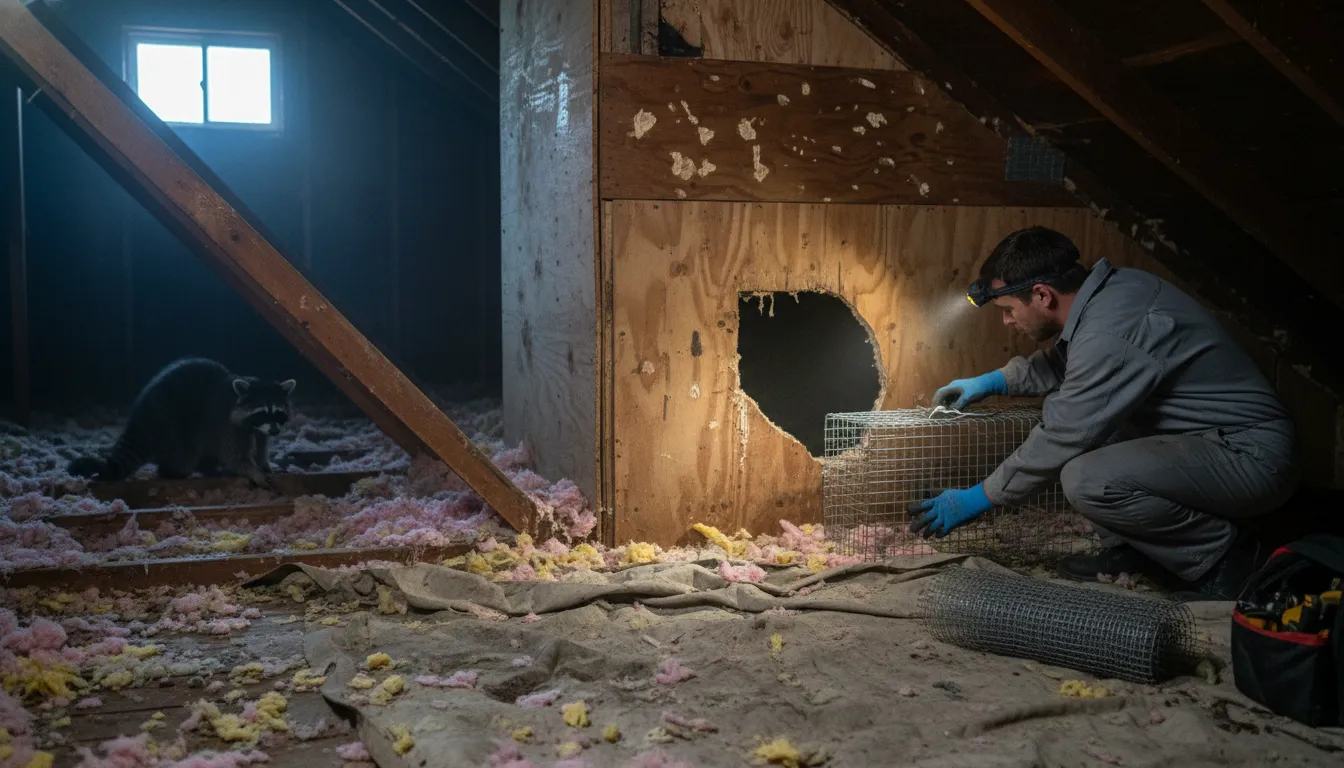
Find the Best Wildlife Removal Companies for Your Business
No obligation • Fast responses • Nationwide coverage

Why you can trust Pest Crews
Pest Crews is a leading U.S. resource for finding and evaluating residential and commercial pest control services. Our team researches providers, reviews treatment approaches, and organizes unbiased information to help you make informed decisions. Companies cannot pay to change our editorial content or influence how they appear.
Search providers near you
Top Wildlife Removal Companies in Weymouth, Massachusetts Ranked
Dealing with uninvited wildlife on your property can be stressful and confusing. In Weymouth, Massachusetts, managing nuisance animals like raccoons, squirrels, or skunks requires a clear understanding of state laws designed to protect both residents and wildlife. This guide explains your legal options, from do-it-yourself prevention to hiring a licensed professional, helping you resolve conflicts safely and effectively.
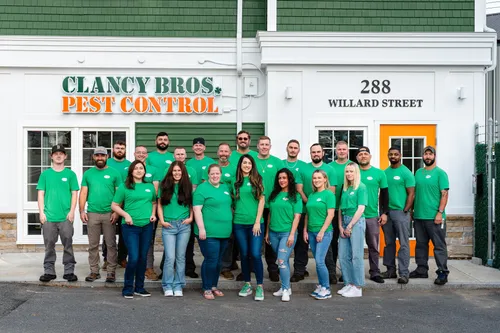
Clancy Brothers Pest Control
288 Willard St, Quincy, MA 02169
Clancy Brothers Pest Control is a family-owned pest control company serving Boston, MA. They specialize in residential and commercial pest control, including rodent control, termite inspections, wildlife removal, and bed bug treatment. With over 64 years of experience, they offer safe and effective pest elimination solutions.
Freedom Pest Control
58 Pulaski St Unit Business 2, Peabody, MA 01960
Freedom Pest Control is a pest management company serving Boston, MA, with over 30 years of experience since 1994. They provide a wide range of pest control services including ant, rodent, bed bug, termite, mosquito, and wildlife removal. Their approach involves thorough inspections and customized treatment plans to address the root causes of infestations. The company also offers specialized services such as stinging insect control and eco-friendly mosquito and tick management. With a focus on safety and effective solutions, Freedom Pest Control helps homeowners protect their properties from various pests.
Assurance Pest Solutions
93 West St, Medfield, MA 02052
Assurance Pest Solutions is a family-owned pest control company serving Boston, MA, and surrounding areas in Massachusetts and Rhode Island. With over 40 years of experience, they provide residential and commercial pest management services including bed bug treatment, ant control, rodent control, termite inspection, mosquito control, bee and wasp removal, and wildlife removal. Their certified technicians use environmentally conscious Integrated Pest Management strategies to address infestations by targeting root causes such as entry points and nesting areas. The company also offers humane wildlife removal and exclusion services to protect properties while ensuring animal safety.

Bug Bully Pest Control - Concord, MA
191 Sudbury Rd Unit 26, Concord, MA 01742
Bug Bully Pest Control - Concord, MA offers comprehensive pest management services in Boston, MA, specializing in controlling ants, mice, mosquitoes, roaches, termites, and other pests. Established in 2006, the company provides both residential and commercial pest control solutions tailored to each client's needs. Their Quad Defense System targets critical zones around properties to prevent and eliminate infestations effectively. Bug Bully is fully licensed in Massachusetts and offers services within 24 hours of contact, focusing on safe and eco-friendly treatment methods.
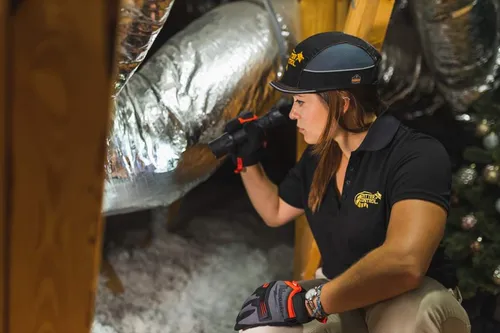
Critter Control of Greater Boston
28 Thayer Rd Unit B, Waltham, MA 02453
Critter Control of Greater Boston provides wildlife removal services throughout Boston, MA, and surrounding northern and local communities. The company handles a variety of wildlife control needs across many neighborhoods and towns, including Cambridge, Quincy, Waltham, and Lowell. They specialize in humane wildlife removal and exclusion techniques to manage common urban and suburban wildlife issues. This franchise operates independently under Master Home Services, Inc., serving a broad area with a focus on effective wildlife control solutions.
Understanding Massachusetts Wildlife Laws
The most critical rule for Weymouth homeowners to know is that capturing and relocating live wild animals is illegal in Massachusetts1. This law, enforced by the Massachusetts Division of Fisheries and Wildlife (MassWildlife), is in place to prevent the spread of diseases like rabies and to avoid causing undue suffering to an animal released into unfamiliar, already-occupied territory 2. The primary responsibility for managing nuisance wildlife on private property rests with the landowner1.
This means that if you trap an animal on your property, you cannot simply drive it to a forest or park and let it go. You have two legal options: humanely euthanize the animal or release it on the same property where it was caught, but only after the attractant or entry point has been completely secured. Given these restrictions and the complexities of safe handling, many residents find that contacting a licensed professional is the most practical solution.
When to Contact Weymouth Animal Control
Weymouth's Animal Control Officers (ACOs) have a specific scope of duty. They primarily handle domestic animals, such as stray dogs and cats, and have limited authority over problem wildlife 3. You should contact Weymouth Animal Control at 781-927-6327 or the Weymouth Police non-emergency line at 781-335-1212 for specific wildlife-related emergencies only 4.
Contact Animal Control for:
- An animal showing clear signs of disease (e.g., disorientation, paralysis, or aggression-potential rabies symptoms).
- An aggressive animal that is actively posing an immediate threat to human safety.
- Injured wildlife on public property (ACOs may transport it to a facility like the New England Wildlife Center if available) 5.
- A dead animal on a public street or sidewalk.
Do NOT contact Animal Control for:
- Wildlife living in your attic, under your shed, or in your chimney. These are considered private property issues.
- A raccoon family in your chimney or squirrels in your walls.
- Feral or free-roaming cats (contact a local humane society instead).
- General advice on animal trapping or exclusion.
Your Legal Options for Nuisance Wildlife
For non-emergency situations, Massachusetts law provides landowners with a framework for action. Understanding these options is the first step in effective wildlife conflict resolution.
1. Exclusion and Prevention (The Best Solution)
This is universally recommended as the most effective and permanent method for resolving wildlife issues. Exclusion involves modifying your property to make it less attractive to animals and physically blocking their access points.
Effective prevention steps include:
- Securing garbage cans with tight-fitting, wildlife-proof lids.
- Removing bird feeders, especially those that spill seed on the ground.
- Picking up fallen fruit from trees.
- Sealing entry points into your home, such as gaps in soffits, roof vents, and cracks in foundations.
- Installing sturdy wire mesh (hardware cloth) to close off crawl spaces under porches, decks, and sheds.
- Placing chimney caps and vent covers.
By removing food sources and shelter, you encourage the animal to leave on its own and prevent new ones from moving in. You can get free technical advice on prevention from the MassWildlife Central District Office at 508-389-63006 7.
2. Live Trapping (With Significant Restrictions)
Homeowners may trap a nuisance animal (except for protected species) on their property within 100 yards of their residence without a permit8. However, due to the anti-relocation law, this option has limited utility for a typical homeowner. If you trap an animal, you cannot relocate it. You must either release it on your property (after the problem is fully resolved) or humanely euthanize it 9. The use of body-gripping traps, steel-jaw leghold traps, and snares is generally prohibited for residential use8 10.
3. Lethal Removal (As a Last Resort)
A landowner is permitted to kill a wild animal that is in the act of damaging their property, provided the method does not violate other laws. This means:
- You cannot use poison or prohibited traps.
- The action must not violate federal law (e.g., harming protected bird species).
- It must comply with local town bylaws.
- Any animal killed must be reported to the Massachusetts Environmental Police11.
Given these complexities and safety concerns, lethal removal is not a common first course of action for most residents.
Find the perfect wildlife removal companies for your needs
Get personalized recommendations and expert advice
Hiring a Licensed Wildlife Control Professional
For persistent problems or situations where exclusion is complex (like animals in an attic), hiring a licensed Problem Animal Control (PAC) agent is the recommended path 12. PAC agents are individuals licensed by the state specifically to handle human-wildlife conflicts for a fee. They understand the legal nuances and have the tools and expertise to resolve issues effectively and legally.
What a professional can do:
- Correctly Identify the Species: Knowing whether you have raccoons, squirrels, or bats is crucial for effective removal.
- Implement Legal Removal Strategies: They use methods compliant with Massachusetts law.
- Perform Exclusion Work: This is the core of their service-not just removing the animal, but sealing all potential entry points to prevent recurrence.
- Clean-up and Sanitize: Animal droppings and urine can pose health risks and cause odor problems. Professionals can safely clean and decontaminate affected areas.
- Provide Repair Services: Fix damage caused by wildlife, such as torn insulation, chewed wires, or damaged siding.
You can find a list of state-licensed PAC agents on the Mass.gov Problem Animal Control Agents page13. Private wildlife removal companies serving the Weymouth area, such as Bay State Wildlife, also employ licensed professionals 14.
Common Nuisance Animals in Weymouth
Weymouth's mix of residential areas, green spaces, and proximity to water supports a variety of wildlife that can sometimes come into conflict with homeowners15.
- Raccoons: Intelligent and dexterous, they commonly seek shelter in attics, chimneys, and crawl spaces. They are known to tear apart insulation and can carry rabies16.
- Squirrels: Both gray and red squirrels can enter attics through very small holes, often to nest. Their constant chewing can damage wires, posing a fire hazard17.
- Skunks: Often dig under sheds, decks, and porches to create dens. Their primary concern is their potent spray, which they may use if threatened by a pet.
- Bats: Small colonies may roost in hot attics. Bats are protected in Massachusetts, and their removal is subject to specific regulations, especially during maternity season (mid-May to mid-August)18.
- Mice and Rats: These rodents are common invaders seeking food and shelter. They can contaminate food supplies and gnaw on structural materials.
- Opossums: Generally less destructive, they may take up residence under a low deck. They are beneficial for eating ticks and insects.
- Coyotes: Present in the area, they are typically wary of humans. Issues arise if they become habituated to human food sources or show unusual aggression, which can be a sign of disease19 20.
Understanding the Cost of Professional Wildlife Removal
Wildlife control is a specialized service, and costs in Weymouth are highly variable. Most companies do not have fixed prices and will provide a quote after discussing the specific situation 21.
Key factors that influence the price include:
- Species: Removing a colony of bats or a family of raccoons is typically more involved and costly than removing a single groundhog.
- Location: An animal in a hard-to-reach part of the attic or inside a wall void requires more time and specialized equipment than one trapped in a cage in the yard.
- Extent of Infestation: The number of animals present.
- Required Repairs: The cost of materials and labor to seal all entry points with durable materials like steel flashing or hardware cloth.
- Clean-up Services: Decontamination, odor removal, and insulation replacement add to the overall cost22 23.
While free removal services from the government are generally limited to true public safety emergencies, investing in professional exclusion by a PAC agent is often the most cost-effective long-term solution, as it solves the problem permanently.
Frequently asked questions
Sources
Footnotes
-
Moving wildlife - Mass.gov - https://www.mass.gov/info-details/moving-wildlife ↩ ↩2
-
Understanding Massachusetts Laws on Wildlife Trapping and ... - https://www.fordshometown.com/2023/12/08/understanding-massachusetts-laws-on-wildlife-trapping-and-removal/ ↩
-
What Can The Board Do With Stray Animals In HOA Community? - https://www.cedarmanagementgroup.com/stray-animals-in-hoa-community/ ↩
-
FAQs • Animal Control - Weymouth, MA - https://www.weymouth.ma.us/faq.aspx?TID=33 ↩
-
FAQs • Weymouth, MA • CivicEngage - https://www.weymouth.ma.us/FAQ.aspx ↩
-
Nuisance Wildlife | Milford, MA - https://www.milfordma.gov/160/Nuisance-Wildlife ↩
-
Weymouth, MA Wildlife Removal, Pest Control, Animal Trapping - http://quincywildliferemoval.com/Weymouth.html ↩
-
Nuisance Wildlife - belmont-ma.gov - https://www.belmont-ma.gov/164/Nuisance-Wildlife ↩ ↩2
-
How to deal with problem Coyote in Massachusetts - WildlifeHelp.org - https://wildlifehelp.org/animals/massachusetts/coyote ↩
-
Wildlife Regulations | Hingham Police Department, MA - https://hpd.org/227/Wildlife-Regulations ↩
-
Living with wildlife: Can you shoot animal in your backyard? - https://www.telegram.com/story/lifestyle/nature-wildlife/2025/06/05/living-with-wildlife-can-you-shoot-animal-in-your-backyard/84025037007/ ↩
-
Critter Control® of Needham, MA | Wildlife Removal - https://www.crittercontrolofboston.com/critter-control-of-needham-ma/ ↩
-
Problem Animal Control agents - Mass.gov - https://www.mass.gov/info-details/problem-animal-control-agents ↩
-
Weymouth Wildlife Removal, Pest Animal Control MA - http://www.wildlife-removal.com/city/MA-Weymouth.htm ↩
-
Weymouth Wildlife Control / Massachusetts Animal Removal - http://www.aaanimalcontrol.com/professional-trapper/city/MA-Weymouth.htm ↩
-
Bonney Lake, WA Animal & Wildlife Removal, Control & Trapping Services - https://www.crittercontrolgreaterseattle.com/about/service-locations/bonney-lake-wa.html ↩
-
How Wildlife Get Into A Home - https://www.ontariowildliferemoval.ca/pdf/how-wildlife-get-into-a-home.pdf ↩
-
Nuisance Wildlife | Milford, MA - https://www.milfordma.gov/160/Nuisance-Wildlife ↩
-
Animal Control FAQs - Weymouth, MA - https://www.weymouth.ma.us/Faq.aspx?QID=193 ↩
-
Houston, We Have a Commercial Wildlife Problem: Wildlife Exclusion & Prevention - https://www.turnerpest.com/commercial-wildlife-exclusions/ ↩
-
Services-North East Wildlife Management - https://northeastwildlifemanagement.com/services/ ↩
-
Prices for Weymouth Wildlife Pest Control Animal Trapping - http://www.aaanimalcontrol.com/Professional-Trapper/prices/MA-Weymouth-prices.htm ↩
-
Animal Exclusion - Wildlife Prevention - https://www.crittercontrolwichita.com/residential/prevention-services.html ↩