Find the Best Wildlife Removal Companies for Your Business
No obligation • Fast responses • Nationwide coverage

Why you can trust Pest Crews
Pest Crews is a leading U.S. resource for finding and evaluating residential and commercial pest control services. Our team researches providers, reviews treatment approaches, and organizes unbiased information to help you make informed decisions. Companies cannot pay to change our editorial content or influence how they appear.
Search providers near you
Best Wildlife Removal Companies in Tennessee Ranked
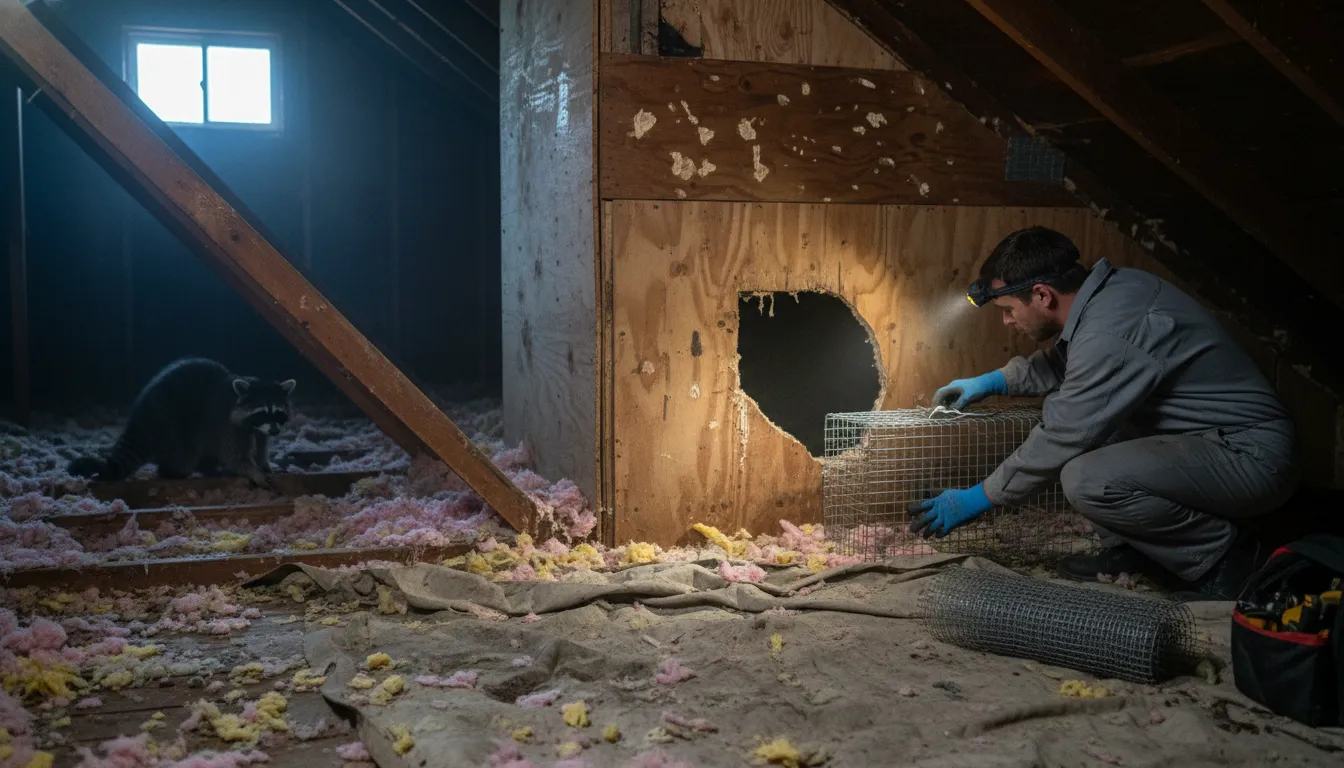
When wildlife like raccoons, squirrels, or bats move into your Tennessee home or business, it's more than a nuisance-it can pose health risks and cause significant property damage. Navigating the removal process requires understanding state laws, which protect many species and regulate how they can be managed. This guide explains the rules for wildlife control in Tennessee, helping you identify when you can handle a situation yourself and when you must call a licensed professional to ensure safe, legal, and effective removal.
Alpha Wildlife Memphis
9040 Garden Arbor Dr, Germantown, TN 38138
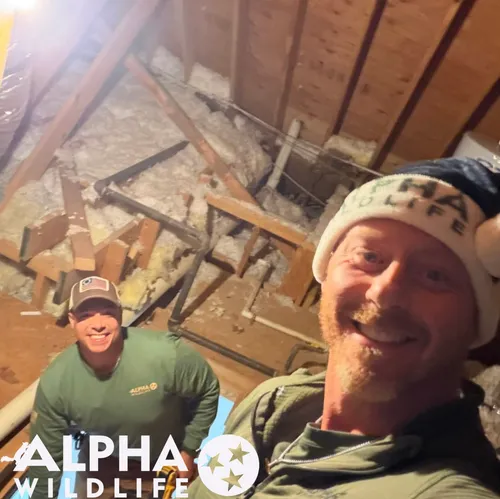
Alpha Wildlife Memphis is a veteran-owned wildlife removal company serving Memphis, TN, and surrounding areas. They specialize in humane removal of squirrels, raccoons, and skunks, using live trapping and one-way exit methods to ensure safe relocation. Their services include wildlife exclusion and damage repair to prevent future infestations. The company is NWCOA certified and Better Business Bureau accredited, with a strong local presence in the Mid-South region. Alpha Wildlife Memphis also offers emergency wildlife removal services when needed.
Critter Wranglers, LLC
7622 Northfield Blvd, Powell, TN 37849
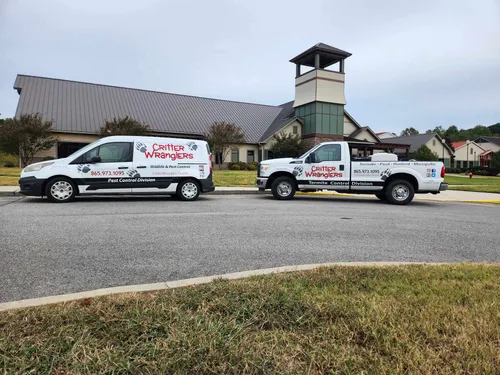
Critter Wranglers, LLC provides pest control, rodent control, and wildlife removal services in Knoxville, TN, and surrounding counties. They serve residential, commercial, and municipal clients with customized pest and wildlife management plans tailored to individual needs. The company is certified by the Tennessee Wildlife Resources Agency and licensed by the Tennessee Department of Agriculture, ensuring compliance with regulations. Their approach includes integrated pest management, habitat modification, and trapping when necessary to address various pest and wildlife issues effectively.
Alpha Wildlife Knoxville
200 Prosperity Dr, Knoxville, TN 37923
Alpha Wildlife Knoxville is a wildlife removal company serving Knoxville, TN, and surrounding areas. They specialize in humane trapping and removal of squirrels, skunks, and other wildlife that can cause damage or health risks to homes. Their services include inspection, live trapping, exclusion to prevent re-entry, and damage restoration. The team is NWCOA certified and follows state and federal guidelines to ensure safe and effective wildlife control. Alpha Wildlife Knoxville is veteran-owned and accredited by the Better Business Bureau.
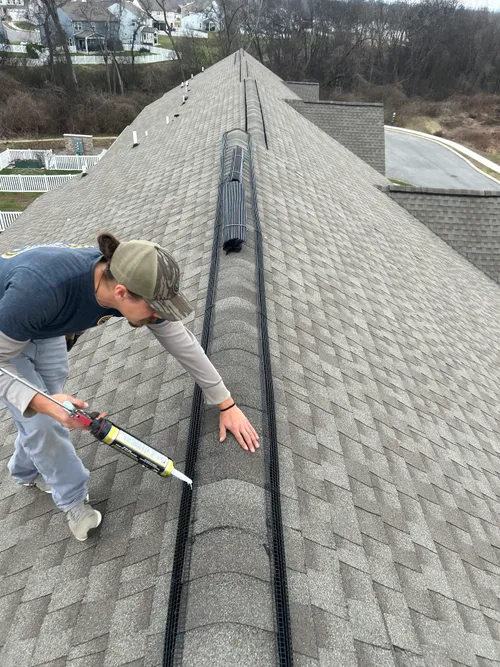
Elite Wildlife Removal and Prevention, LLC
Nashville, TN
Elite Wildlife Removal and Prevention, LLC is a locally owned company based near Nashville, Tennessee. They provide wildlife removal and prevention services throughout middle Tennessee and surrounding areas. The team is certified and trained, focusing on safely removing animals, repairing damage, and preventing future wildlife intrusions. They stay current with industry standards to ensure effective service.
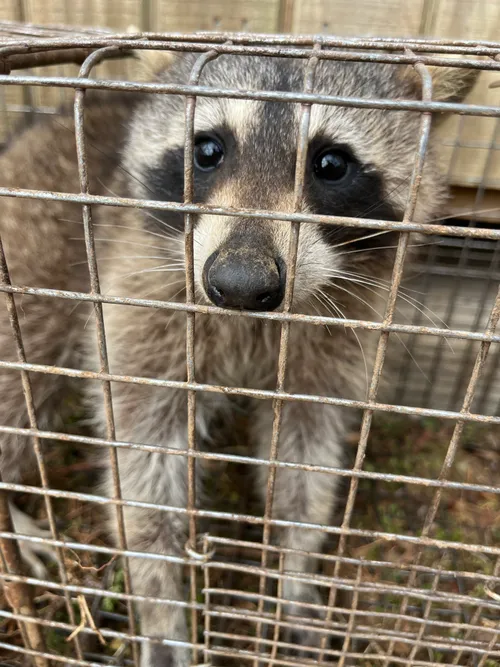
A-Team Wildlife Removal
Nashville, TN
A-Team Wildlife Removal is a wildlife removal company based in Nashville, TN. They specialize in safely and responsibly resolving wildlife issues in homes, including animals in attics, crawl spaces, and around properties. The company emphasizes a humane and state law-compliant approach, focusing on proper removal, identifying entry points, and preventing future problems while treating each home with care.
Understanding Tennessee's Wildlife Regulations
Tennessee is home to a diverse array of wildlife, and the state has established clear regulations through the Tennessee Wildlife Resources Agency (TWRA) to manage human-animal conflicts. The laws distinguish between common nuisance animals and protected species, with specific rules governing what actions homeowners and businesses can take.
A key concept is the classification of wildlife. Tennessee categorizes animals into classes, with Class I and Class II species having strict possession and control requirements 1. For instance, many native bats and all big game animals (like deer, bear, and turkey) fall under protected categories. It is illegal to remove a bat colony if it contains flightless young, typically between May 1 and August 1. For big game animals causing damage on your property, a permit from the TWRA is required to destroy them, even outside of official hunting seasons.
The primary goal of these regulations is to resolve conflicts ethically and legally, often prioritizing non-lethal methods. When in doubt, contacting the TWRA or a licensed wildlife removal operator is the safest course to avoid significant penalties for violations 2.
Common Nuisance Wildlife in Tennessee
Several species frequently find their way into Tennessee attics, crawl spaces, and outbuildings. Knowing which animal you're dealing with is the first step toward a proper solution.
- Raccoons: These intelligent mammals seek shelter in chimneys, vents, and under decks. They can tear up insulation, damage wiring, and carry diseases like rabies and roundworm.
- Squirrels: Both gray and flying squirrels are common invaders. Their constant gnawing can compromise structural wood and electrical lines, creating a fire hazard.
- Bats: Small openings allow bats to roost in attics. While beneficial for insect control, their guano (droppings) can pose serious respiratory health risks and damage insulation. Their protected status makes removal timing critical.
- Snakes: Non-venomous species like rat snakes often enter basements or crawl spaces seeking prey. While generally harmless, their presence can be alarming.
- Opossums, Skunks, & Groundhogs: These animals typically cause problems under porches, sheds, or in gardens. Skunks and groundhogs can dig extensive burrow systems that undermine foundations.
For common nuisances like squirrels, raccoons, and opossums, landowners are often legally allowed to address the problem on their own property. However, safe and humane trapping requires knowledge, and improper techniques can lead to injured animals or increased aggression.
When You Need a Permit for Wildlife Removal
Tennessee law requires permits for several specific wildlife removal scenarios. Operating without the necessary permit can result in fines and legal action.
- Removing Protected or Big Game Animals: As noted, you must obtain a permit from the TWRA to lethally remove deer, bear, or turkey that are causing property damage. The same applies to protected species like bats during their pup-rearing season.
- Commercial Wildlife Removal: Any business or individual who removes, traps, or controls wildlife for a fee must hold a valid Animal Damage Control Permit issued by the TWRA. This ensures the operator is knowledgeable about state laws and ethical practices.
- Trapping and Relocating Wildlife: If you plan to live-trap an animal and release it elsewhere, you likely need a Wildlife Capture, Transport and Release Permit. If the release location is off your own property, a state trapping license is also typically required 3 4. Relocation is often discouraged, as it can spread disease and stress the animal, leading to poor survival rates.
The permit system is designed to ensure that wildlife management is documented, responsible, and in line with conservation goals. Always check the TWRA's official resources for the most current permit requirements before taking action 5.
The Professional Wildlife Removal Process
Hiring a licensed professional ensures the job is done safely, humanely, and in full compliance with Tennessee law. A reputable operator follows a multi-step process.
- Inspection and Assessment: The professional will conduct a thorough inspection of your property to identify the species, locate all entry points, and assess the extent of the damage and contamination.
- Removal: Using methods appropriate for the species and legal status, the animals are removed. This may involve live trapping, one-way exclusion doors, or, in permitted cases, other means. Professionals know the legal seasons and methods for each animal.
- Exclusion: This is the most critical step to prevent recurrence. All identified entry points are sealed with durable materials like steel mesh, hardware cloth, or chimney caps. Simply removing animals without excluding them leaves your property vulnerable to re-infestation.
- Cleanup and Sanitation: Wildlife waste, nesting materials, and parasites must be properly removed and the area sanitized. For bat guano or raccoon latrines, this may involve specialized cleaning protocols to address health hazards.
- Repair and Restoration: Finally, the professional will repair damage caused by the animals, such as torn insulation, chewed wires, or soiled ductwork, restoring your property to a safe condition.
Find the perfect wildlife removal companies for your needs
Get personalized recommendations and expert advice
Costs of Wildlife Removal in Tennessee
The cost of wildlife removal in Tennessee varies widely based on the species, the severity of the infestation, the accessibility of the animals, and the necessary repairs. Prices are typically estimates, and a professional inspection is needed for an accurate quote.
- Basic Removal (Squirrels, Raccoons, Opossums): For a standard removal job involving common animals, homeowners can expect costs ranging from $200 to over $600. The final price depends on the number of animals, the techniques required, and the complexity of the access points 6 7.
- Bat Colony Removal: Due to their protected status and the specialized exclusion process, bat removal is more involved. Costs often range from $500 to $1,500 or more. This includes installing exclusion devices that allow bats to exit but not re-enter, followed by sealing all entry points after the colony has left. Cleanup of guano adds to the cost 8 9.
- Big Game or Complex Situations: Removal that requires special permits, such as for a trapped deer or bear, or situations involving extensive structural damage, will be on the higher end of the scale. The need for permits, specialized equipment, and significant repairs can drive costs upward 10.
Investing in professional exclusion and repair, while an upfront cost, saves money in the long term by preventing repeated infestations and ongoing property damage.
Health and Safety Risks of Wildlife Infestations
Ignoring a wildlife intrusion poses serious risks beyond property damage. Animals in your home can create multiple health and safety hazards.
- Diseases and Parasites: Raccoons can carry rabies and a roundworm parasite whose eggs can become airborne in contaminated attics. Bat guano can harbor fungal spores that cause Histoplasmosis, a serious respiratory illness. Rodents and their fleas can transmit various pathogens 11.
- Structural Damage: Animals gnaw on wood, drywall, and electrical wiring. Chewed electrical wires are a leading cause of electrical fires in homes. Insulation destroyed by nesting animals reduces your home's energy efficiency.
- Physical Attacks: While most animals will flee, a cornered mother protecting her young can bite or scratch. This risk underscores why DIY removal, especially without proper protective gear, is dangerous.
- Contamination: Animal urine and feces can soak through ceilings and walls, causing stains, odors, and promoting mold growth. This contamination requires professional-grade cleaning.
Addressing an infestation promptly with proper safety protocols is essential for protecting your family, pets, and property.
Preventing Wildlife Intrusions
The best strategy for wildlife control is proactive prevention. By making your property less attractive and accessible, you can avoid most conflicts.
- Seal Entry Points: Conduct seasonal inspections of your home's exterior. Look for gaps in siding, loose roof vents, cracks in the foundation, and openings where utilities enter. Seal any hole larger than a quarter-inch with appropriate materials like steel wool, caulk, or hardware cloth.
- Manage Food Sources: Secure trash cans with locking lids or bungee cords. Do not leave pet food outdoors overnight. Use squirrel-proof bird feeders or clean up spilled seed regularly. Harvest garden produce promptly and consider fencing.
- Modify Habitat: Keep tree branches trimmed back at least 6-8 feet from your roofline. Store firewood and building materials away from your home's foundation. Reduce dense ground cover near the house where animals can hide.
- Chimney and Vent Caps: Install professionally fitted chimney caps and steel mesh vent covers on all roof and soffit vents. These are common entry points for raccoons, squirrels, and birds.
Taking these steps denies wildlife the shelter and food they seek, making your Tennessee home a far less appealing target.
Frequently asked questions
Sources
Footnotes
-
Tennessee Code § 70-4-403 (2024) - Classifications of wildlife - Justia Law - https://law.justia.com/codes/tennessee/title-70/chapter-4/part-4/section-70-4-403/ ↩
-
Endangered Species - Enforcement and Penalties - Tennessee - https://www.fishwildlife.org/law-research-library/law-categories/endangered-species/endangered-species-enforcement-and-penalties-tennessee ↩
-
Tenn. Comp. R. & Regs. 1660-01-21-.01 | State Regulations - https://www.law.cornell.edu/regulations/tennessee/Tenn-Comp-R-Regs-1660-01-21-.01 ↩
-
Rules Governing Wildlife Capture, Transport, and Release ... - https://publications.tnsosfiles.com/rules/1660/1660-01/1660-01-16.pdf ↩
-
Wildlife Permits Available - TN.gov - https://www.tn.gov/twra/law-enforcement/permits.html ↩
-
Tennessee Wildlife Removal Companies - Pro Animal Control - https://pro-animal-control.com/tennessee-wildlife-removal/ ↩
-
Nashville Wildlife in Tennessee Skunk Removal Bird Opossum ... - http://www.aaanimalcontrol.com/professional-trapper/wildlife/tn-nashville-wildlife.htm ↩
-
Wildlife Removal in Nashville - Critter Control - Fast & Reliable Service - https://www.crittercontrol.com/office-finder/tennessee/nashville/ ↩
-
PB1624-Managing Nuisance Animals and Associated Damage ... - https://trace.tennessee.edu/cgi/viewcontent.cgi?article=1018&context=utk_agexdise ↩
-
Wildlife Damage Control in Tennessee - https://www.tn.gov/twra/law-enforcement/wildlife-damage-control.html ↩
-
Wildlife Removal: Your Guide to Safe and Effective Solutions - https://callwaynes.com/blog/wildlife-removal-your-guide-to-safe-and-effective-solutions/ ↩