Find the Best Wildlife Removal Companies for Your Business
No obligation • Fast responses • Nationwide coverage

Why you can trust Pest Crews
Pest Crews is a leading U.S. resource for finding and evaluating residential and commercial pest control services. Our team researches providers, reviews treatment approaches, and organizes unbiased information to help you make informed decisions. Companies cannot pay to change our editorial content or influence how they appear.
Search providers near you
Top Wildlife Removal Companies in Chattanooga, Tennessee Ranked
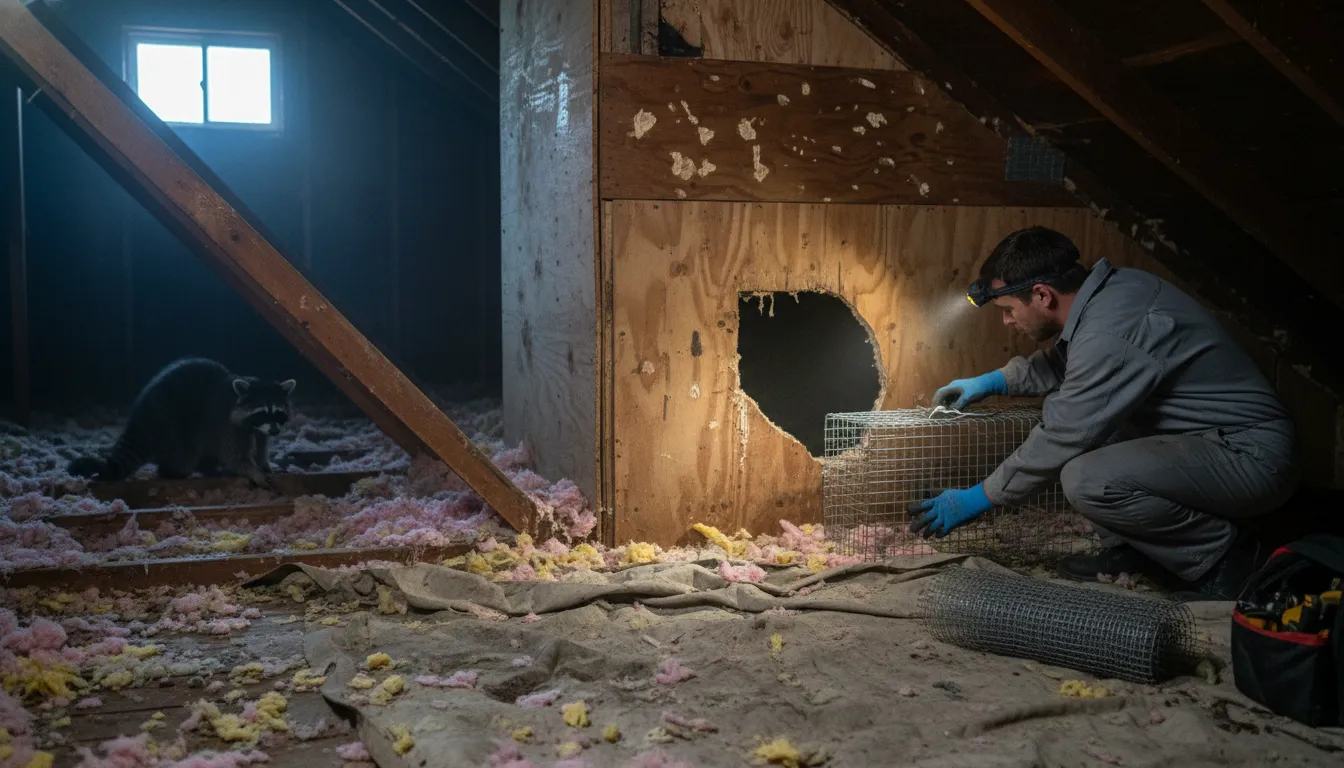
When squirrels chatter in your attic, raccoons raid your trash, or bats find a home in your eaves, you need safe, legal, and effective solutions. Wildlife removal in Chattanooga is the specialized service of humanely evicting nuisance animals from your home or property and preventing their return. This work is governed by Tennessee state law, requiring specific permits for trapping and relocation, making professional expertise essential. This guide will help you understand the common local wildlife issues, what you can legally do yourself, and how to find qualified, licensed professionals to resolve your animal control problem.
Nooga Pest Control, LLC
8031 E Brainerd Rd, Chattanooga, TN 37421
Nooga Pest Control, LLC is a pest control company serving Chattanooga, TN. Founded in 2022 by industry veteran Jeremy Hart and partner Shaun Gardner, the company offers comprehensive pest management services including treatment for ants, roaches, mosquitoes, bed bugs, termites, rodents, stinging insects, and more. They focus on identifying the source of pest problems and providing thorough, tailored treatments rather than quick fixes. Nooga Pest Control also provides spider de-webbing services. With 15 years of combined experience, they emphasize a small business approach with detailed inspections and consistent service by familiar technicians.
Wildlife Technicians
3125 Vista Dr NW, Cleveland, TN 37312
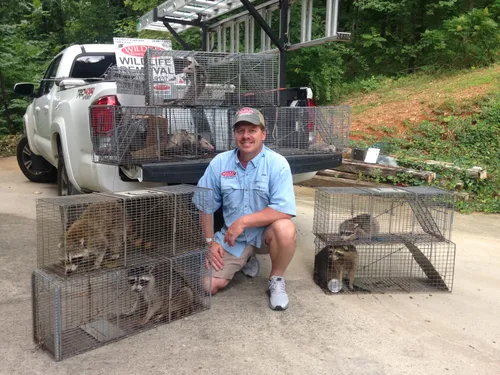
Wildlife Technicians is a licensed and insured wildlife removal company based near Chattanooga, TN. They specialize in rodent control, bird and pigeon removal, and general nuisance wildlife removal for both homes and businesses. Their service area includes Chattanooga and surrounding counties such as Bradley, McMinn, Rhea, Hamilton, and Polk. The company is known for identifying entry points and setting traps to manage wildlife issues effectively. Wildlife Technicians offers 24/7 availability for fast response to wildlife problems.

Scenic City Wildlife
1510 Ridge Point Rd, Hixson, TN 37343
Scenic City Wildlife is a wildlife removal company based in Chattanooga, TN, specializing in urban wildlife management. They serve the greater Chattanooga area and surrounding regions, offering professional control, capture, and removal services for a variety of animals including bats, beavers, birds, raccoons, snakes, and more. With over 25 years of experience, education, and training, Scenic City Wildlife provides knowledgeable and licensed wildlife management solutions.
The Animal Guys Wildlife Removal
Chattanooga, TN
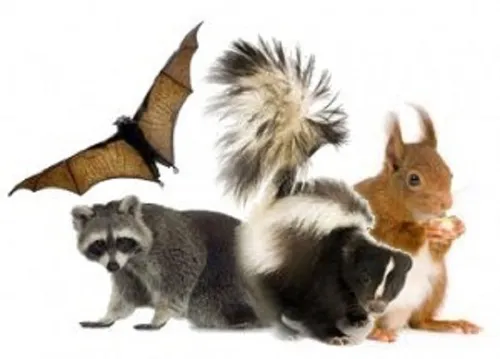
The Animal Guys Wildlife Removal is a wildlife control and animal removal company based in Chattanooga, TN. They specialize in humane trapping and relocation of a wide range of nuisance wildlife, including skunks, raccoons, opossums, rats, birds, snakes, and more. Their services cover ethical removal practices to manage wildlife issues effectively.
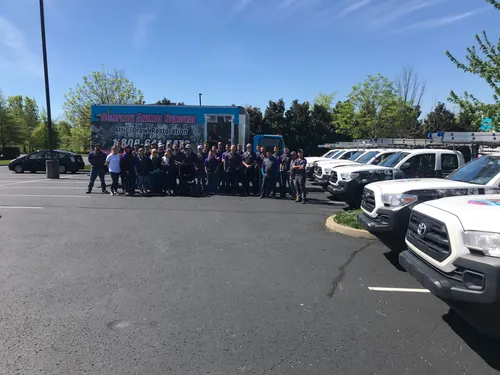
Complete Animal Removal
Chattanooga, TN
Complete Animal Removal is a wildlife removal company based in Chattanooga, TN. They specialize in humane trapping and live relocation of various nuisance animals including skunks, raccoons, opossums, rats, birds, snakes, and more. Their services cover a wide range of wildlife control needs, focusing on safe and ethical removal methods.
Common Nuisance Wildlife in Chattanooga
Chattanooga's mix of urban spaces and natural habitats creates ideal conditions for many animals to become unwelcome houseguests. Knowing which species you're dealing with is the first step toward a proper solution.
Mammals:
- Squirrels: Often the most frequent invaders, they chew entry points into attics and can damage wires and insulation.
- Raccoons: Intelligent and dexterous, they can tear open roof vents or soffits. They pose a notable rabies risk and can cause significant property damage.
- Bats: Small colonies can roost in attics or wall voids. They are ecologically important but protected by federal and state laws, requiring careful, season-specific exclusion methods.
- Opossums & Skunks: These animals often seek shelter under decks, porches, or sheds. Skunks, of course, present a unique olfactory hazard.
- Rodents: This includes roof rats, Norway rats, and house mice that can infiltrate homes for food and shelter, chewing constantly and contaminating areas.
Birds:
- Non-Native Species: Pigeons, starlings, and house sparrows are common nuisance birds that nest in vents, gutters, and on structures, creating mess and potential health concerns. Most native songbirds are federally protected and cannot be disturbed without permits.
- Woodpeckers: While protected, they can cause damage by drumming on siding or gutters.
Reptiles:
- Snakes: Both venomous (like copperheads) and non-venomous snakes may be found in yards, especially near wooded areas or rock piles. Proper identification is crucial for safety.
Tennessee Laws and Regulations: What You Need to Know
Attempting DIY wildlife control in Chattanooga comes with important legal restrictions designed to protect both people and animals.
- ADC Permits Are Required: In Tennessee, anyone who traps and relocates wildlife for compensation must hold an Animal Damage Control (ADC) permit issued by the Tennessee Wildlife Resources Agency (TWRA). This means the average homeowner cannot legally trap and move an animal off their property.
- Relocation is Illegal: Transporting and releasing trapped wildlife on another property is against state law (TCA 70-4-401) 1. This prevents the spread of disease and the creation of nuisance problems for others. Licensed professionals follow strict protocols for humane euthanasia or legal relocation.
- Local Ordinances: Chattanooga city code also regulates trapping, prohibiting the use of poisons in areas accessible to pets2.
- Protected Species: Bats and most birds have additional federal protections under the Migratory Bird Treaty Act. Disturbing active bat roosts or bird nests, especially during breeding seasons, can carry heavy fines.
What Homeowners Can Do: DIY Prevention and Exclusion
While actual trapping and removal often require a pro, you are empowered to take significant steps to prevent and mitigate wildlife issues.
1. Conduct a Thorough Inspection: Walk around your home's exterior. Look for gaps in siding, loose roof vents, holes in soffits, uncapped chimneys, and spaces where utility lines enter. Animals can exploit openings as small as a quarter for mice or a tennis ball for raccoons.
2. Seal Entry Points (Exclusion): This is the most effective long-term solution. Use sturdy materials like hardware cloth, steel wool, heavy-gauge wire mesh, or sheet metal to seal holes. Caulk and foam are not durable against chewing animals. Remember, never seal an entry point if you suspect an animal is still inside.
3. Employ Habitat Modification:
- Secure trash cans with locking lids or bungee cords.
- Keep pet food indoors and clean up fallen birdseed from feeders.
- Trim tree branches back at least 6-8 feet from your roofline.
- Clear away woodpiles, dense brush, and debris from your home's foundation.
4. Use Exclusion Devices (Carefully): For some animals, like squirrels, licensed professionals may install one-way doors that allow animals to leave but not re-enter. This is highly technical for bats, which require specialized exclusion tubes and must only be done outside of maternity season (May-August).
Find the perfect wildlife removal companies for your needs
Get personalized recommendations and expert advice
When to Call a Professional Wildlife Removal Service
Knowing when to call in a licensed expert can save you time, prevent legal trouble, and ensure the job is done safely and permanently.
- You Suspect Bats or Protected Species: Due to complex federal laws and the risk of harming pups, bat removal should always be handled by a specialist3 4.
- The Animal is a Health Risk: If you encounter a raccoon, skunk, or fox acting strangely (disoriented, aggressive), do not approach. These situations require professional intervention due to rabies risks 5.
- There is Significant Property Damage: Animals chewing electrical wires, tearing insulation, or contaminating your attic with urine and feces require removal and professional cleanup 6.
- You Lack the Necessary Permits: As outlined, legal trapping and handling in Tennessee require an ADC permit.
- DIY Methods Have Failed: If the animal has returned or you cannot safely access the entry point, a professional has the tools and expertise.
A qualified Chattanooga animal damage control operator will typically follow a process: a detailed inspection, humane removal using legal methods, thorough cleaning and sanitization of the affected area, and finally, permanent exclusion repairs to prevent re-entry.
Understanding Wildlife Removal Costs in Chattanooga
Costs for animal control services vary based on the species, extent of infestation, and repairs needed. Here are general estimates based on local service data7 8 9 10 11:
- Initial Inspection/Service Call: Most companies charge a diagnostic fee ranging from $100 to $200.
- Squirrel or Raccoon Removal: For a standard removal job, expect to pay between $200 and $600. This often includes setting traps and initial removal but may not include major repairs.
- Bat Exclusion: This is a more involved process. Complete bat exclusion, sealing all entry points, and installing proper venting can range from $500 to over $2,000, depending on the home's size and complexity.
- Snake Removal: A one-time removal of a snake from a home or yard typically costs $150 to $300.
- Rodent Proofing/Exclusion Repair: The critical final step. Sealing all potential entry points around a home can range from $200 to $1,000+, determined by the linear footage and materials required.
Always get detailed, written estimates from multiple licensed ADC permit holders. The cheapest option may not include necessary repairs or follow-up, leading to recurring problems.
Creating Your Action Plan
- Identify and Assess: Safely observe from a distance to identify the animal and locate potential entry points. Note any signs of damage or droppings.
- Research Restrictions: Check the TWRA website or contact a pro to understand if there are seasonal restrictions (like for bats) on removal12 13.
- Contact Licensed Professionals: Search for TWRA-licensed Animal Damage Control permit holders serving Chattanooga. Contact at least 2-3 for consultations.
- Review Quotes and Plans: Ask for a detailed plan that includes removal methods, cleanup, and-most importantly-a guarantee on exclusion work to prevent future entry.
- Schedule and Secure: Choose a provider and schedule the work. Once the animals are out, ensure all exclusion repairs are completed before finalizing payment.
Frequently asked questions
Sources
Footnotes
-
Relocating Wildlife - Wildlife Company LLC - https://www.wildlifecompanytn.com/relocating-wildlife ↩
-
ARTICLE VII. - TRAPPING ANIMALS | Code of Ordinances - https://library.municode.com/tn/chattanooga/codes/code_of_ordinances?nodeId=CH7ANFO_ARTVIITRAN_S7-98EX ↩
-
Critter Control in Cleveland, TN - Chattanooga - https://www.crittercontrol.com/office-finder/tennessee/chattanooga/cleveland/ ↩
-
Nuisance Wildlife Removal - Turner Pest Control - https://www.turnerpest.com/nuisance-wildlife-removal/ ↩
-
Squirrel, Skunk, & Wildlife Removal Chattanooga TN - https://alphawildlife.com/locations/alpha-wildlife-chattanooga-tn/ ↩
-
Chattanooga Wildlife Animal Control - Nuisance Critter Removal - http://www.wildlifeanimalcontrol.com/Chattanooga.html ↩
-
Wildlife Removal in Chattanooga - Critter Control - https://www.crittercontrol.com/office-finder/tennessee/chattanooga/ ↩
-
Wildlife Removal Chattanooga, TN - Waynes Pest Control - https://callwaynes.com/tennessee/chattanooga-wildlife-removal/ ↩
-
Wildlife Removal Chattanooga, TN - https://www.animalsremoved.com/city/hamilton-chattanooga ↩
-
Prices for Chattanooga Pest Wildlife Control - http://www.chattanoogawildlife.com/prices.html ↩
-
The Animal Guys - Wildlife Removal in Chattanooga TN - https://theanimalguys.com/ ↩
-
Wildlife Damage Control in Tennessee - https://www.tn.gov/twra/law-enforcement/wildlife-damage-control.html ↩
-
1660-1-21-.01 Nuisance Animal Damage Control - https://publications.tnsosfiles.com/rules/1660/1660-01/1660-01-21.pdf ↩