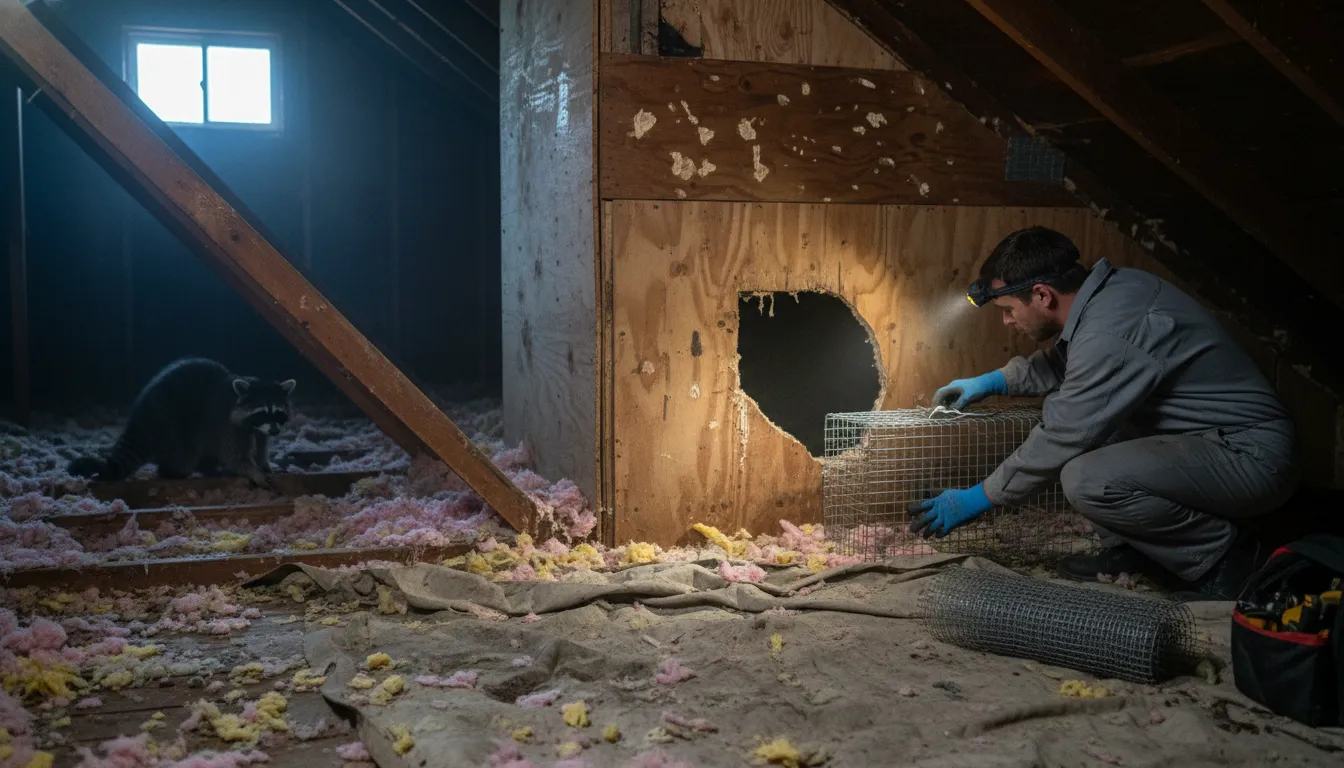
Find the Best Wildlife Removal Companies for Your Business
No obligation • Fast responses • Nationwide coverage

Why you can trust Pest Crews
Pest Crews is a leading U.S. resource for finding and evaluating residential and commercial pest control services. Our team researches providers, reviews treatment approaches, and organizes unbiased information to help you make informed decisions. Companies cannot pay to change our editorial content or influence how they appear.
Search providers near you
Top Wildlife Removal Companies in Clarksville, Tennessee Ranked
When raccoons rummage through your trash, squirrels nest in your attic, or bats take up residence in your eaves, it's more than a nuisance-it's a potential threat to your property and health. Wildlife removal is the professional service dedicated to humanely and legally resolving conflicts with wild animals that have encroached on your home or business. In Clarksville, dealing with local wildlife requires specific knowledge of Tennessee's regulations and the habits of native species. This resource is designed to help you understand your options, from preventive steps to finding qualified local experts who can safely and effectively handle the situation.
AAAC Wildlife Removal
Nashville, TN
AAAC Wildlife Removal is a pest control and wildlife removal company serving Nashville, TN, and surrounding communities. They handle a variety of wildlife intrusions including raccoons, squirrels, bats, rodents, snakes, and dead animal removal for both residential and commercial properties. Their services include thorough inspections, safe removal, damage repair, and wildlife exclusion to prevent future invasions. The company also offers specialized capabilities such as sealing entry points and restoring damaged insulation and structural elements. AAAC Wildlife Removal emphasizes long-term prevention and property protection through comprehensive repair and exclusion services.
Wildlife X Team Nashville
601 Kraft St #102, Clarksville, TN 37040
Wildlife X Team Nashville is a family-owned business providing humane wildlife control and removal services in Nashville, TN. They handle a variety of nuisance animals including bats, rats, armadillos, snakes, and raccoons for both residential and commercial customers. The company also offers repair services to fix damage caused by wildlife and works to prevent future infestations. Their expertise includes rodent control, wildlife trapping, and bird control with humane methods.
Complete Animal Removal
Nashville, TN
Complete Animal Removal is a wildlife removal company based in Nashville, TN. They specialize in humane trapping and live relocation of a wide range of nuisance animals including skunks, raccoons, opossums, rats, birds, snakes, and more. Their services cover rodent control, bird and pigeon control, and general wildlife removal using humane methods.
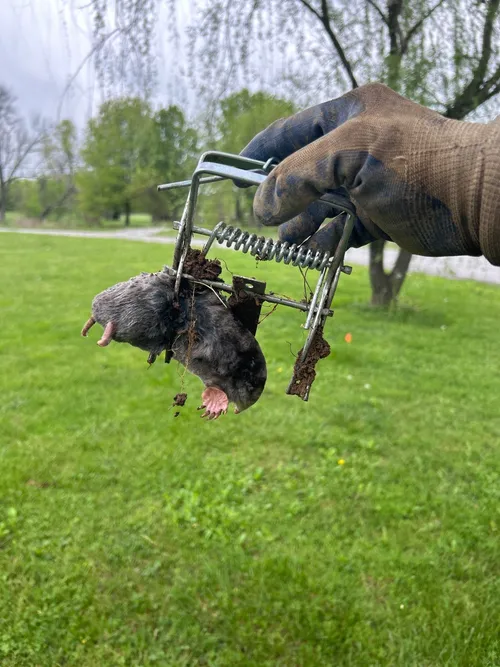
Mole Miners of Clarksville
Clarksville, TN
Mole Miners of Clarksville is a TWRA licensed and insured wildlife removal company based in Clarksville, Tennessee. They specialize in residential and commercial yard mole removal, mole repelling, and lawn damage repair. With nearly a decade of experience, they offer a humane and effective 5-step mole trapping and removal process. Their services also include vole removal and other wildlife trapping such as ground hogs and opossums. Mole Miners serves Clarksville and surrounding areas including Brentwood, Hendersonville, Smyrna, and Murfreesboro.
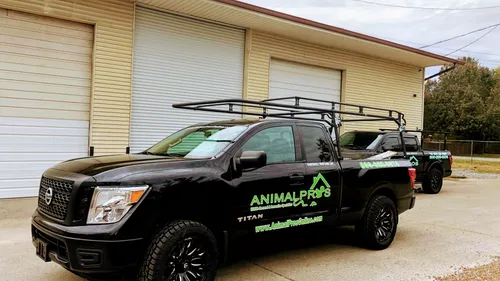
Animal Pros
3422 Sango Crossing, Clarksville, TN 37043
Animal Pros provides wildlife removal and animal control services in Clarksville, TN, and surrounding areas including Fort Campbell Military Base and Montgomery and Stewart Counties. They handle a wide range of animals such as squirrels, raccoons, skunks, birds, and rodents, offering humane removal, exclusion, damage repair, and contamination cleanup for both residential and commercial properties. Animal Pros specializes in permanent solutions to prevent re-entry and offers 24-hour availability for urgent animal removal needs. Their commercial services include dead animal removal, odor control, bird deterrents, and rodent proofing.
Common Wildlife Intruders in Clarksville
Clarksville's mix of urban development and natural surroundings creates ideal conditions for various animals to become unwanted guests. Knowing which species are most likely to cause problems is the first step in addressing an issue.
Frequent Mammalian Visitors:
- Raccoons: Intelligent and dexterous, they are notorious for tipping over trash cans and can tear through roof vents or soffits to access attics for denning.
- Squirrels: Particularly gray and fox squirrels, are common attic invaders. Their constant gnawing can damage electrical wiring, insulation, and structural wood.
- Skunks: Often seek shelter under decks, sheds, or porches. The risk of a defensive spray is a significant concern, and their digging can damage lawns.
- Bats: Small colonies may roost in attics or wall voids. While beneficial for insect control, their guano (droppings) poses serious health risks and can stain ceilings and walls.
- Rodents: Rats and mice are year-round pests that contaminate food, chew on materials, and can spread diseases. They often enter through incredibly small gaps in a home's exterior.
Avian Nuisances:
- Pigeons, Starlings, and Sparrows: These birds commonly nest on ledges, in vents, or within commercial structures. Their nests can block ventilation systems, and accumulated droppings are corrosive and unsanitary. It's crucial to remember that most bird species are federally protected, requiring special considerations for any control measures.
What Homeowners Can Do: DIY Prevention and Exclusion
Before wildlife becomes a full-blown infestation, there are several effective steps you can take to make your property less inviting. This proactive approach, often called exclusion, is the cornerstone of humane animal control.
Seal Entry Points: Conduct a thorough inspection of your home's exterior. Look for gaps in roofing, loose siding, uncapped chimneys, and holes where utilities enter. Use high-quality materials like hardware cloth, steel wool (for rodents), and caulk to seal these potential entryways. Remember, a mouse can fit through a hole the size of a dime.
Remove Attractants: Wildlife is primarily in search of food, water, and shelter.
- Secure trash cans with tight-fitting, locking lids or bungee cords.
- Do not leave pet food outdoors overnight.
- Pick up fallen fruit from trees and keep barbecue grills clean.
- Ensure gutters are clear and fix leaky faucets to eliminate water sources.
Use Deterrents Thoughtfully: For birds, physical barriers like netting, spikes, or slope modifications on ledges can be effective 1. For some mammals, repellents or motion-activated lights/sprinklers may offer temporary relief. However, their effectiveness varies, and they are rarely a permanent solution for an animal that has already established a den inside your home.
Safe Cleanup: If an animal has left behind droppings or nesting materials, proceed with caution. Wear gloves, an N95 mask, and use a disinfectant. For large accumulations, like bat guano, professional remediation is strongly recommended due to the risk of histoplasmosis, a respiratory disease 2.
Find the perfect wildlife removal companies for your needs
Get personalized recommendations and expert advice
When to Call a Professional Wildlife Control Operator
While DIY methods are excellent for prevention, certain situations demand professional expertise. Montgomery County Animal Care & Control does not handle nuisance wildlife, directing residents to private, permitted operators for these issues 3.
You should contact a professional for:
- Animals Inside Living Spaces: If a raccoon, squirrel, or snake is inside your home, especially in a wall void or difficult-to-access area.
- Protected Species: Bats are federally protected, and their removal is highly regulated, often requiring exclusion devices to be installed at specific times of year.
- Risk of Injury or Disease: Dealing with animals that can be aggressive (like a cornered raccoon) or that carry diseases (like rodents or bats).
- Large or Persistent Infestations: A single trap often won't solve a problem. Professionals identify all entry points, remove all animals humanely, and seal the structure to prevent recurrence.
- Venomous Snakes: While not extremely common, species like copperheads can be found in the area. Their safe removal should never be attempted by a homeowner.
Understanding Tennessee Regulations and Licensing
In Tennessee, wildlife is managed by the Tennessee Wildlife Resources Agency (TWRA). It is illegal for anyone to charge a fee for trapping and removing nuisance wildlife without possessing a valid Animal Damage Control (ADC) Permit issued by the TWRA 4 5. This licensing ensures the operator understands state laws regarding humane trapping, legal species, and proper relocation distances.
Always verify that a wildlife removal service holds this current permit. Professionals must also adhere to regulations concerning protected species, such as most birds and bats, ensuring all control methods are legal and ethical 6.
What to Expect: The Professional Removal Process
A reputable wildlife control operator will follow a comprehensive process, not just simple trapping.
- Inspection: A thorough assessment of your property to identify the pest species, locate all entry points, and assess the extent of the damage.
- Removal: Employing humane, legal methods tailored to the species. This may involve live traps, one-way exclusion doors (which allow animals to leave but not re-enter), or other specialized techniques.
- Exclusion: The most critical step. After removal, the professional will permanently seal all identified entry points with durable materials to prevent future intrusions.
- Cleanup and Restoration: This may involve decontaminating affected areas with enzymes or disinfectants, removing contaminated insulation, and making minor repairs to damaged wood, vents, or siding 7 8.
- Prevention Advice: Providing recommendations for ongoing property maintenance to keep wildlife at bay.
Cost Considerations for Wildlife Removal in Clarksville
Pricing for animal control services is highly variable, depending on the species, the number of animals, the location of the problem, and the extent of repairs needed. Below are general price ranges based on common job types in the area 9 10 11.
- Basic Removal/Simple Trapping: For a single animal in an accessible location (e.g., a raccoon in a trap, squirrels in an attic). Approximately $200 - $400.
- Standard Removal with Minor Exclusion: For common scenarios like removing a family of squirrels or raccoons and sealing the primary entry points. Often starts around $300 and can go higher.
- Complex Infestation with Major Repairs: For extensive problems like a large bat colony requiring full attic exclusion, decontamination, and insulation replacement, or severe rodent infestations with significant damage. Can easily exceed $500 and reach into the thousands.
Always request a detailed, written estimate that breaks down inspection, removal, exclusion, and repair costs before work begins.
Finding Qualified Help in Clarksville
To find a licensed and reputable professional, search for terms like "Clarksville TN nuisance wildlife removal" or "TWRA permitted animal damage control" 12. Look for companies with strong local reviews, clear explanations of their methods, and a willingness to provide their TWRA ADC permit number. A trustworthy operator will focus on long-term exclusion solutions, not just quick trapping.
Frequently asked questions
Sources
Footnotes
-
Wildlife Removal Clarksville, TN - https://www.animalsremoved.com/city/montgomery-clarksville ↩
-
Clarksville Wildlife Control / Tennessee Animal Removal - http://www.aaanimalcontrol.com/professional-trapper/city/TN-Clarksville.htm ↩
-
Nuisance Wildlife - Montgomery County, TN - https://montgomerytn.gov/animal-control/nuisance-wildlife ↩
-
Wildlife Damage Control in Tennessee - https://www.tn.gov/twra/law-enforcement/wildlife-damage-control.html ↩
-
AAAC Wildlife Removal of Clarksville - https://clarksville.aaacwildliferemoval.com/service-area/clarksville/ ↩
-
1660-1-21-.01 Nuisance Animal Damage Control - https://publications.tnsosfiles.com/rules/1660/1660-01/1660-01-21.pdf ↩
-
Clarksville, TN - Nashville Wildlife - https://nashville-wildlife.com/clarksville-tn/ ↩
-
TN Clarksville Active Wildlife Removal - https://wildlifeanimalpest.com/location/tn-clarksville-active-wildlife-removal/ ↩
-
Wildlife Removal in Clarksville, TN - Animal Control Service - https://nashvillewildlifepest.com/clarksville-wildlife-removal/ ↩
-
Prices for Clarksville Wildlife Pest Control Animal Trapping - http://www.aaanimalcontrol.com/Professional-Trapper/prices/TN-Clarksville-prices.htm ↩
-
Wildlife Control Pricing Guide - https://www.michiganwildlifesolutions.com/about/wildlife-control-pricing/ ↩
-
Wildlife Removal Clarksville, TN - AAAC Wildlife Removal - https://clarksville.aaacwildliferemoval.com/ ↩